
Reviewed · FOOTBALL MATCHES & STADIUM TOURS
AllMaradona Buenos Aires: Maradona House Museum and Stadium
Maradona’s Buenos Aires is three stops away. This tour takes you through La Paternal and into the places that shaped Diego Armando Maradona, from the stadium where he debuted to his first owned home, the Templo del Fútbol museum, and the streets that still carry that early-football energy. I especially like the small group size and the way guide Fernando Ponce (and other bilingual guides) explains the story in a clear, personable way.
The pace is tight for a topic this big, though. In just 3 hours, you’ll move quickly between the stadium areas, the fan-built museum, and La Casa de D10S, so if you want long photo stops or extra time to read every display, plan to come back on your own afterward.
In This Review
- Key Things You’ll Notice
- A three-hour Maradona walk with real neighborhood context
- Pickup, timing, and how the small group helps your experience
- Estadio Diego Armando Maradona: the places you usually only imagine
- The museum inside: El Templo del Fútbol made by fans
- La Casa de D10S: why the home is treated as historic
- Price and logistics: what you’re really paying for
- Who this tour is best for (and who should adjust expectations)
- Practical tips to get the most out of the 3-hour flow
- Should you book AllMaradona Buenos Aires?
- FAQ
- What is the duration of the AllMaradona Buenos Aires tour?
- Is hotel pickup and drop-off included?
- What does the tour include besides the stadium?
- What language options are available for the tour guide?
- Is food or drinks included in the price?
- How does free cancellation work?
Key Things You’ll Notice
- La Paternal street-level storytelling that connects early Argentinos Juniors days to real blocks in the neighborhood
- Stadium access beyond the basics, including areas like the press room and changing rooms
- A museum built by fans, created with voluntary work inside the stadium itself
- Maradona’s first owned home, La Casa de D10S, with context tied to his 18th birthday
- Bilingual guiding (Spanish and English) that makes the football history land, not just pass by
For the terraces and trophy rooms, more match days in Buenos Aires.
- Buenos Aires: Tickets to Boca Juniors Museum & Stadium★ 4.5 · 581 reviews
- Soccer Match in Buenos Aires with Transfers and Local Guide★ 5.0 · 103 reviews
- Buenos Aires: Boca Juniors and River Plate Football Tour★ 4.3 · 82 reviews
A three-hour Maradona walk with real neighborhood context
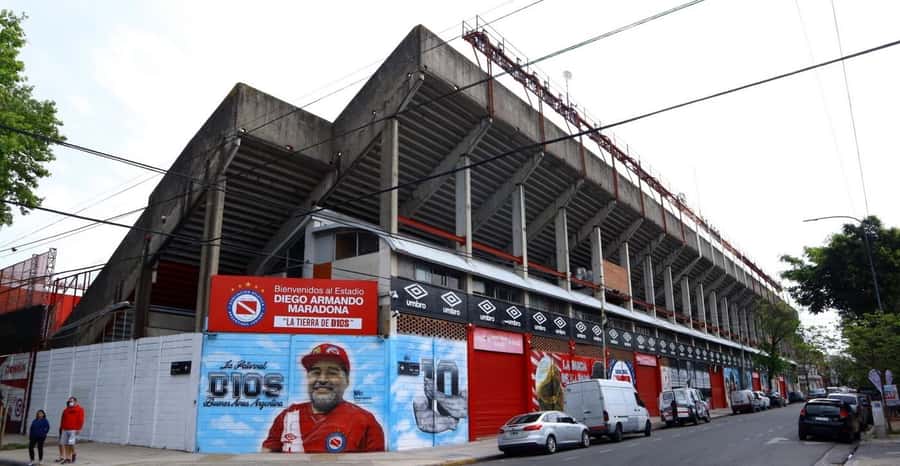
Buenos Aires can feel huge. What makes this tour work is how it shrinks the city to the exact places that mattered to Maradona—especially the La Paternal neighborhood, where he started out. You’re not just seeing objects behind glass. You’re getting the sense of routine: street life, club culture, and a young player’s path in and around Argentinos Juniors.
The route is designed to give you a “story arc” in a short time. You begin at the stadium complex, then shift into the Templo del Fútbol museum experience, and finish at La Casa de D10S, his first owned home. By the end, the tour doesn’t feel like three unrelated stops. It feels like one connected timeline.
You’ll also appreciate the small-group vibe. The limit of up to 10 participants means questions aren’t lost in the shuffle, and the guide can pace the walking and explanations so you’re not left playing catch-up.
Pickup, timing, and how the small group helps your experience
You get hotel pickup and drop-off in Buenos Aires, which is a big deal in a city where “just getting there” can eat your day. It’s especially helpful here because the tour needs you ready when it starts: stadium tours work best when you arrive on time and with a clear head.
The schedule runs about 3 hours total. That’s a sweet spot for a first-time visit to Maradona-related sites, but it’s also why you should set expectations correctly. This isn’t a half-day museum marathon. It’s a focused, guided hit of stadium + museum + historic home.
In the best moments, this format actually helps you. The guide can keep the narrative tight—why Argentinos Juniors mattered, why his debut at age 15 became a turning point, and why the home is treated as historic. In slower moments, you’ll just want a little more time to absorb what’s in front of you. Think of it as a strong primer rather than a complete biography.
Estadio Diego Armando Maradona: the places you usually only imagine
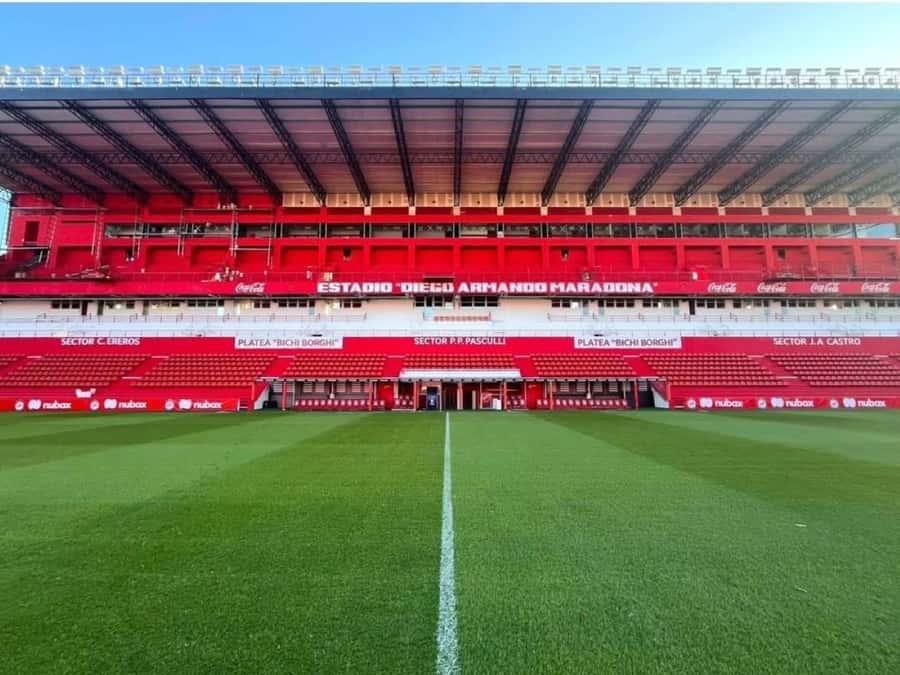
The stadium stop is where the tour turns from story to setting. You visit the Estadio Diego Armando Maradona with a guided tour of about 1.5 hours, and you get access to more than the general viewing areas.
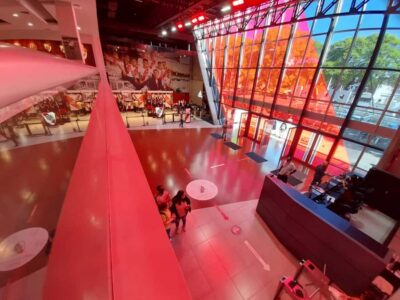
What you’ll see is practical and concrete: the playing field, the changing rooms, the central hall, the press room, and the stands. Even if you’re not a tactics-and-terminology person, those areas help you visualize match day in a real way. You start to understand how the club environment shapes players—where they enter, where they prepare, and where the public energy hits.
One thing I like about this stadium portion is the variety of spaces. It’s not just “look around.” It’s a guided sweep through the different roles a stadium plays: athlete, staff, media, and crowd. That makes the later museum and home stops feel more grounded, because you’re still thinking in terms of a working football world, not only a legend.
More galleries and museums in Buenos Aires.

The museum inside: El Templo del Fútbol made by fans
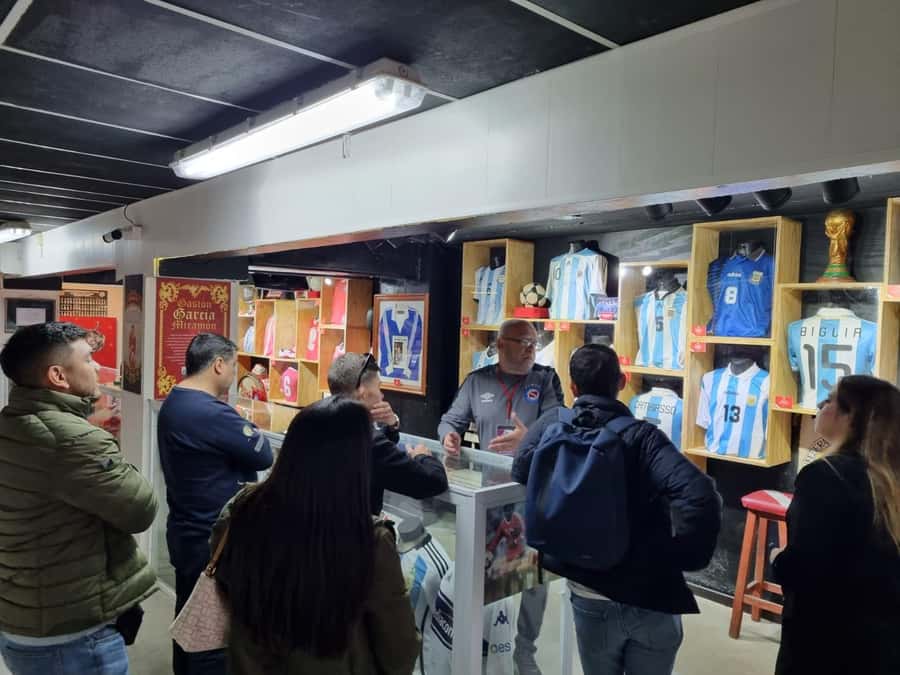
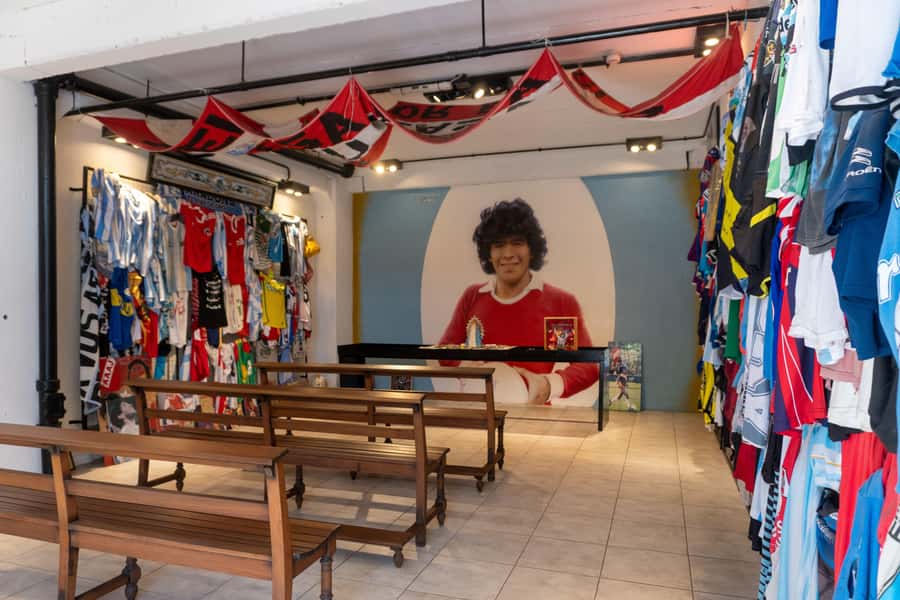
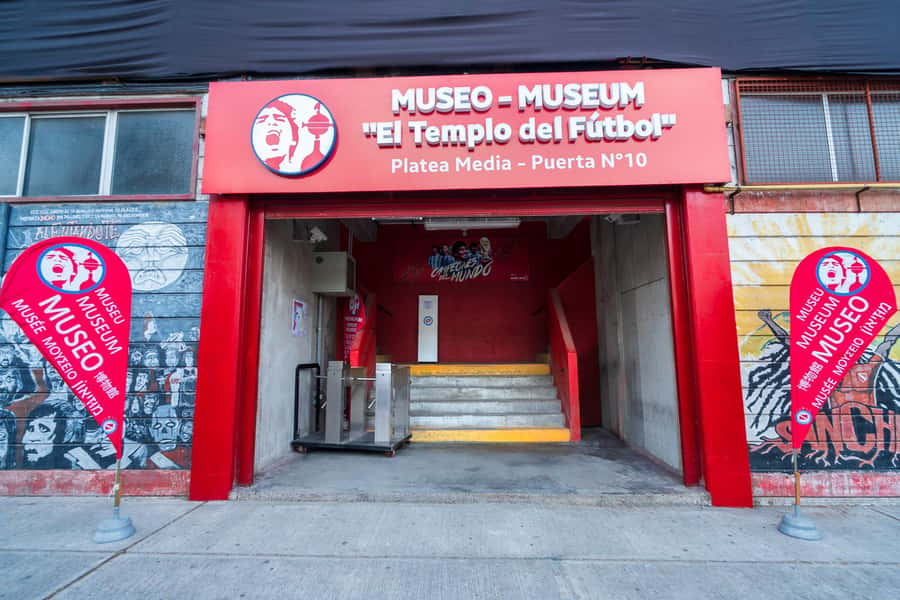
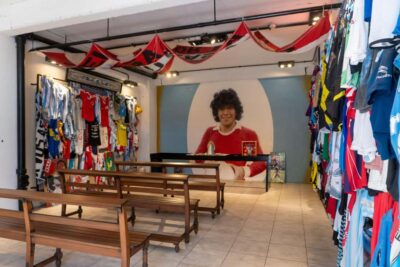
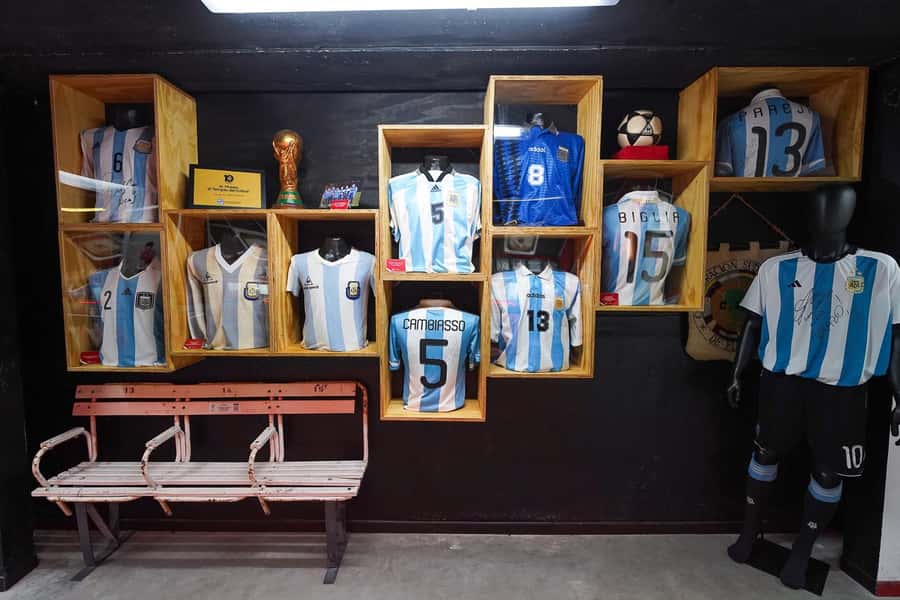
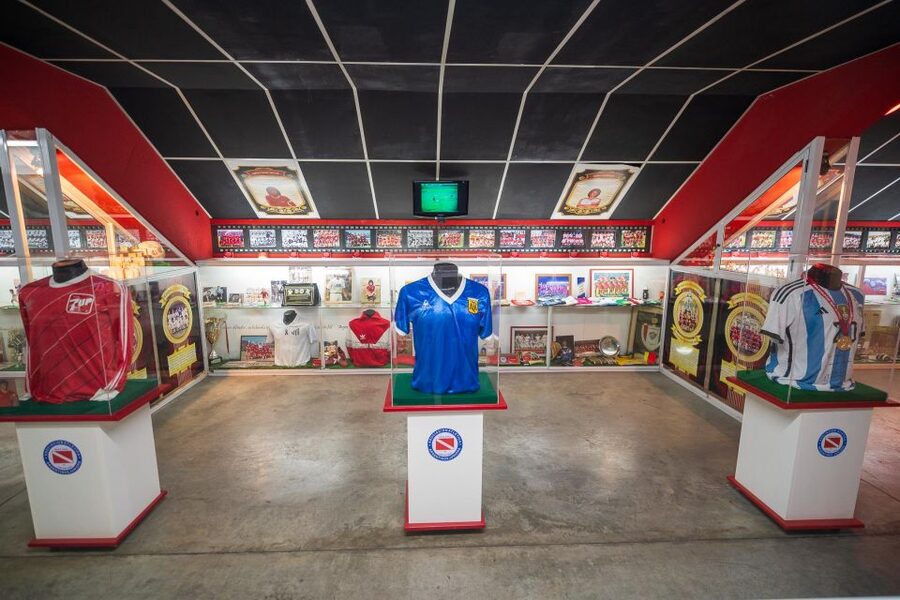
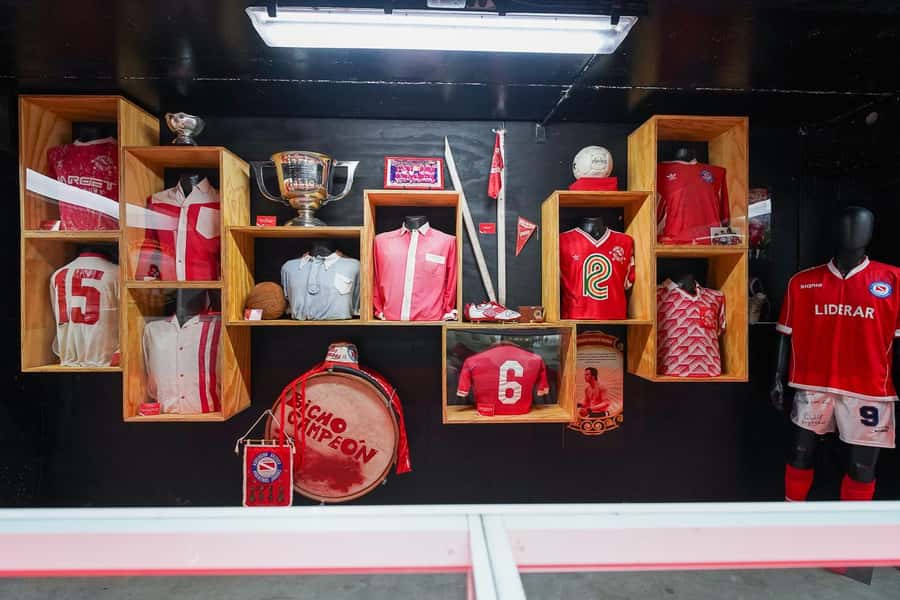
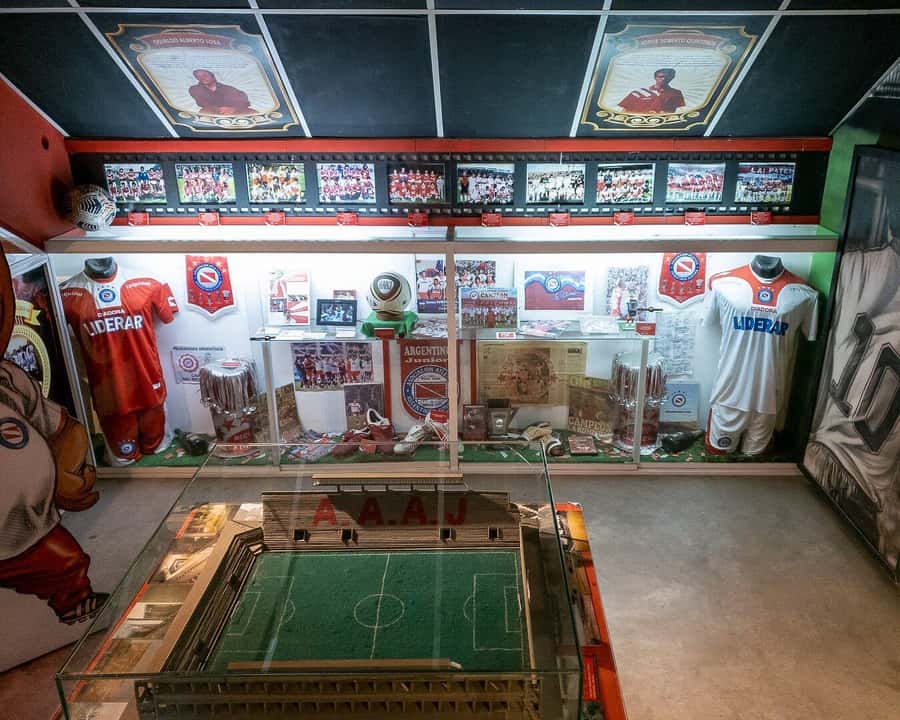
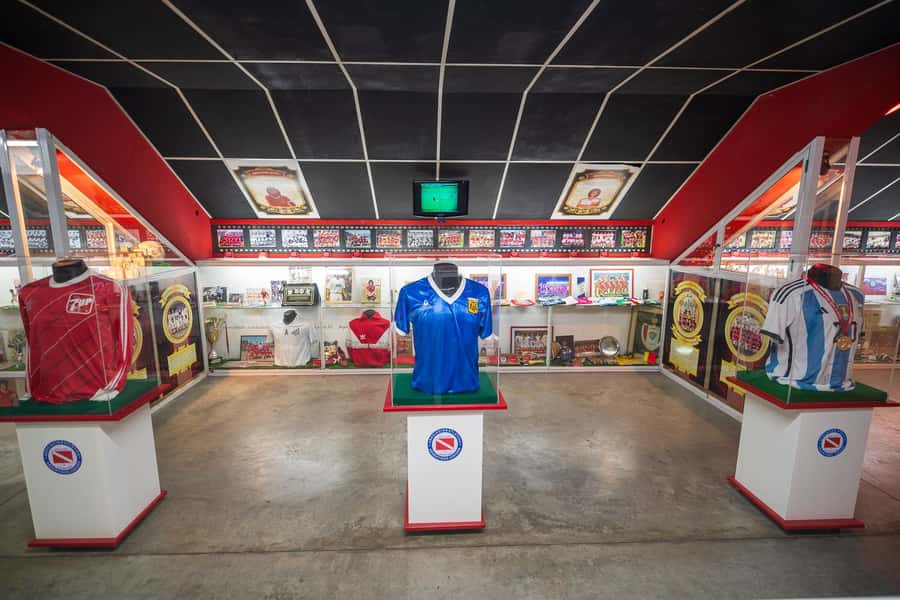
Inside the stadium complex, you’ll visit El Templo del Fútbol (the “Temple of Soccer”), a museum where the story is told through objects, context, and a very specific kind of ownership. Here’s what makes it different: it was made entirely by fans and members of the institution through voluntary work.
That detail matters. A fan-built museum tends to feel less like a corporate display and more like a community effort—something assembled out of love for the sport and respect for Maradona’s impact. You’re walking through a space created by people who care enough to contribute time, not just to purchase tickets.
You’ll also connect the museum to a key moment in Maradona’s early life. The museum is tied directly to his debut at age 15 with the Argentinos Juniors jersey. So as you move through, your brain keeps linking the artifacts and explanations back to the same question: how did a young player turn local club chances into world recognition?
If you like sports history that’s told through human detail—who built what, what community means, and how early opportunities snowball—this museum is the part that most often sticks with you after you leave the stadium gates.
La Casa de D10S: why the home is treated as historic
Then you shift to La Casa de D10S, Diego Armando Maradona’s first owned home and the one his family lived in while he played for Argentinos Juniors (1978 to 1980). This is the stop that slows your thoughts down.
The tour gives the home a strong backstory: Argentinos Juniors gave the house to Maradona for his 18th birthday. Later, the house was recovered, valued, and recognized by the City Parliament as a historic place, in homage to the best soccer player in history. That official recognition is important, because it frames the home not only as “cool celebrity real estate,” but as a cultural landmark tied to Argentine football identity.
A practical note: the guided visit runs about 50 minutes. That’s enough time to hear the explanation and walk through thoughtfully, but it still moves at a tour pace. I’d treat it like a structured tribute—listen closely, and don’t rely on your eyes alone to catch the connections.
If you enjoy sports figures as people with roots, this is the part where the legend feels more human. You’re seeing a place connected to family life, not just game-day mythology.
Price and logistics: what you’re really paying for
At $138 per person, you’re paying for three core things:
- Guided access to the museum (El Templo del Fútbol), stadium tour areas, and the home museum La Casa de D10S
- Hotel pickup and drop-off, plus the time saved versus planning transit yourself
- Bilingual live guide support (Spanish and English), which is a real quality difference for history like this
You’re not paying for food or drinks—those aren’t included. So if you’re hungry afterward, build in a meal stop on your own. Also, the tour includes skip-the-ticket-line access, which can help you avoid wasted time on-site.
Is $138 a “bargain”? Not exactly. But it’s also not overpriced for what you get: stadium access that includes multiple functional areas (press room, changing rooms), a stadium-based fan museum, and a historic-home visit—all rolled into one guided package with door-to-door pickup.
If you’re traveling with limited time in Buenos Aires and you care about football culture, this feels like a good use of your afternoon.
Who this tour is best for (and who should adjust expectations)
This is a strong match if you’re any of these:
- You love football history and want Argentinos Juniors and Maradona connected in one narrative
- You’d rather have a guide explain the significance than just walk around on your own
- You enjoy stadium context—how different areas relate to the game and the media
It may feel less satisfying if:
- You’re not especially interested in Maradona or Argentine club football history
- You want lots of free time to wander and linger in each room without a schedule pushing you forward
- You prefer a longer, slower museum format rather than a concentrated 3-hour tour
One more detail: the guide’s bilingual ability is a big part of the experience quality. In the best moments, you’ll understand what you’re seeing, not only that you’re seeing it.
Practical tips to get the most out of the 3-hour flow
A few small moves can make this tour feel smoother:
- Wear comfortable shoes. You’ll be walking through a stadium complex and the surrounding neighborhood areas.
- If you care about photos, don’t treat every stop like a photo-experiment. Choose your moments—stadium views, the museum areas, then La Casa de D10S.
- Keep your questions ready. With a small group (up to 10), you can ask about Argentinos Juniors, Maradona’s early years, or what the spaces were used for.
- If you’re coming from a busy day, eat first. Food isn’t included, and you’ll want your energy for the guided pacing.
Most importantly: try to follow the timeline the guide is building. When it clicks, the tour stops feeling like a checklist.
Should you book AllMaradona Buenos Aires?
I think you should book this tour if you want a focused, football-centered introduction to Maradona that includes more than the usual highlight reel. The combination of Estadio Diego Armando Maradona, El Templo del Fútbol (made by fans), and La Casa de D10S gives you both the sport setting and the personal-home context. Add hotel pickup, skip-the-ticket-line convenience, and a bilingual guide like Fernando Ponce, and you’ve got a high-value, low-stress afternoon.
If you’re sensitive to time limits and want extra hours in museums or at historic homes, you might feel a bit rushed. In that case, consider doing this as your “starter tour,” then schedule your own return later for slower reading and wandering.
FAQ
What is the duration of the AllMaradona Buenos Aires tour?
The tour lasts about 3 hours.
Is hotel pickup and drop-off included?
Yes. The tour includes hotel pickup and drop-off within Buenos Aires.
What does the tour include besides the stadium?
You also visit the museum El Templo del Fútbol and the house museum La Casa de D10S with guided visits.
What language options are available for the tour guide?
The guide is bilingual, offering Spanish and English.
Is food or drinks included in the price?
No. Food and drinks are not included.
How does free cancellation work?
You can cancel up to 24 hours in advance for a full refund.
More Museums in Buenos Aires





More Match Days in Buenos Aires




Just added to our Buenos Aires notebook
- Guided tour Boca Juniors Museum & Stadium + Caminito
★ 3.3 · 3 reviews - Bike Tour: Buenos Aires to the North
★ 4.0 · 3 reviews - From Colonialism to Eclecticism, Buenos Aires arquitectonica
★ 5.0 · 3 reviews - Enjoy a Rural Experience in a Vineyard near Buenos Aires
★ 4.7 · 3 reviews - Café de los Angelitos – Traditional Night in Buenos Aires
★ 4.8 · 3 reviews - Buenos Aires: Rojo Tango Show with Optional Dinner
★ 3.4 · 3 reviews
Football Matches & Stadium Tours, compared.
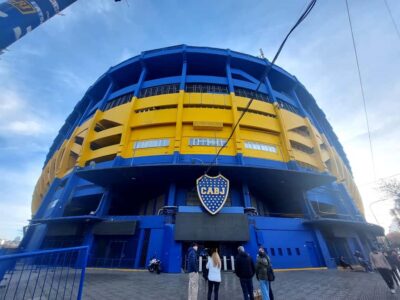 ★ 4.5Tickets to Boca Juniors Museum & StadiumFrom $38581 reviews
 ★ 5.0Soccer Match in Buenos Aires with Transfers and Local GuideFrom $172103 reviews
 ★ 4.3Boca Juniors and River Plate Football TourFrom $8982 reviews
 ★ 5.0La Boca, a collective creation: Port, immigrants, arts and footballFrom $6558 reviews
 ★ 4.8Tickets to Soccer MatchesFrom $16258 reviews
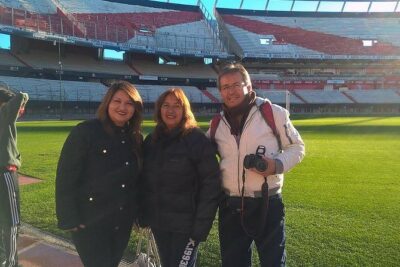 ★ 4.5River Plate Monumental Stadium and Museum Guided TourFrom $8239 reviews
 ★ 4.3Hop-On Hop-Off Bus and Football MuseumsFrom $10539 reviews
 ★ 4.5Boca Juniors Game at La Bombonera with Local & TransportFrom $52733 reviews
Browse the lists this tour appears in