
Reviewed · BUENOS AIRES
Buenos Aires 3-Hour Small Group Pope Francis Tour
A few streets later, the timeline clicks into place. This small-group 3-hour tour strings together the most important places tied to Jorge Bergoglio’s early life, schooling, and calling, ending at Buenos Aires Metropolitan Cathedral. I especially like how you see the locations behind the story, not just photos, and I also like that the final stop lands you at a major working Catholic landmark in the middle of Plaza de Mayo.
The main consideration: the exact order can shift around mass schedules and the availability of the basilicas, and the accessibility info is a bit inconsistent (one note says wheelchair accessible, another says not). If you’re bringing more than a daypack, plan to travel light since large bags aren’t allowed.
In This Review
- Key highlights to focus on
- Price and logistics: is 132 dollars fair for 3 hours?
- Start in San Telmo: meeting point, timing, and what to wear
- Flores: childhood home, education locations, and the call that changed everything
- Birth and early life stops you can connect with
- Montserrat’s San Ignacio de Loyola: a 1675 Jesuit stop with real age
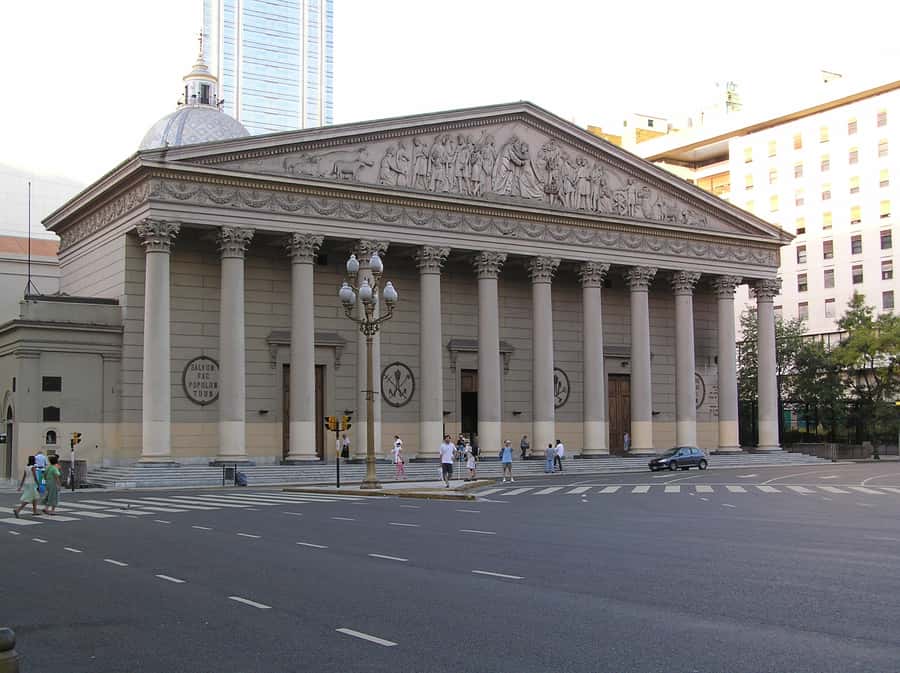
- Buenos Aires Metropolitan Cathedral: the finale at Plaza de Mayo
- The guide makes the difference: what stands out from past experiences
- What to expect in the real-world flow (and where plans can change)
- Who this tour suits best
- Quick practical checklist before you go
- Should you book this Pope Francis tour?
- FAQ
- What time does the Pope Francis tour start?
- Where do I meet the guide?
- How long is the tour?
- Is food or drinks included?
- What languages are the live guides?
- Is the tour wheelchair accessible?
Key highlights to focus on
- San Telmo start at Defensa 831: you begin in a classic neighborhood, then move through the city’s Catholic landmarks step by step
- Flores childhood and calling sites: your route includes the basilica tied to his decision to dedicate his life to the priesthood
- Schools and church buildings that formed him: you’ll visit places connected to his education and early formation
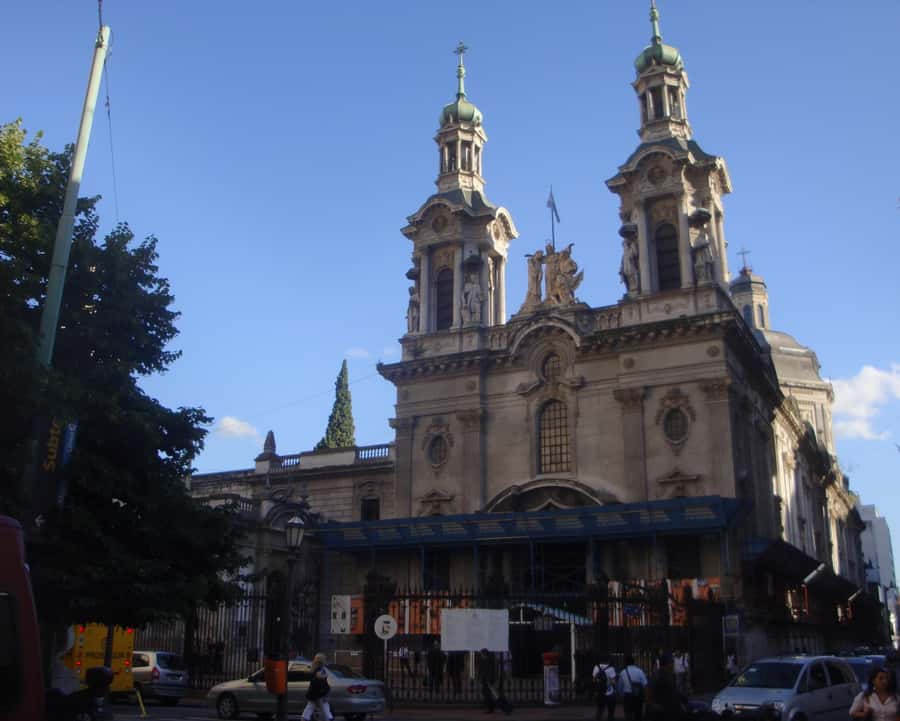
- Montserrat’s San Ignacio de Loyola: this 1675 Jesuit church is the oldest preserved church in Buenos Aires
- Baptism-linked stops: you’ll see the church where he was baptized, plus nearby points linked to his early life
- Metropolitan Cathedral as a finale: the tour ends at the cathedral overlooking Plaza de Mayo, tied to major Masses and public moments
More quick three-hour outings in Buenos Aires.
- Buenos Aires: 3-Hour Private Customizable Tour★ 4.6 · 44 reviews
Price and logistics: is 132 dollars fair for 3 hours?
At $132 per person, this isn’t a “cheap and cheerful” walking tour. But you are paying for a very focused format: a small group (up to 15), a live guide, and included transfers throughout the tour. For many visitors, that combination matters more than the number of stops, because it helps you avoid wasting time figuring out transit and routing across different neighborhoods.
You’ll also want to notice what’s not included: food and beverages, and there’s no hotel pick-up or drop-off. The trade-off is that you get a clean, set meeting point and a tight schedule that stays in the 3-hour window.
Start in San Telmo: meeting point, timing, and what to wear
You meet at 10:00 am at Defensa 831, San Telmo. From there, the tour moves through multiple neighborhoods tied to Jorge Bergoglio’s youth and formation. Comfortable shoes are a must since this is very much a walk-and-stop experience. The tour also asks you to bring passport or an ID card, and it doesn’t allow luggage or large bags—think small bag only.
Small group tours often feel less rushed because your guide can actually pace to the group. That said, it’s still 3 hours, so expect short transit hops and regular “look and listen” stops rather than long church stays with lots of free time.
Flores: childhood home, education locations, and the call that changed everything
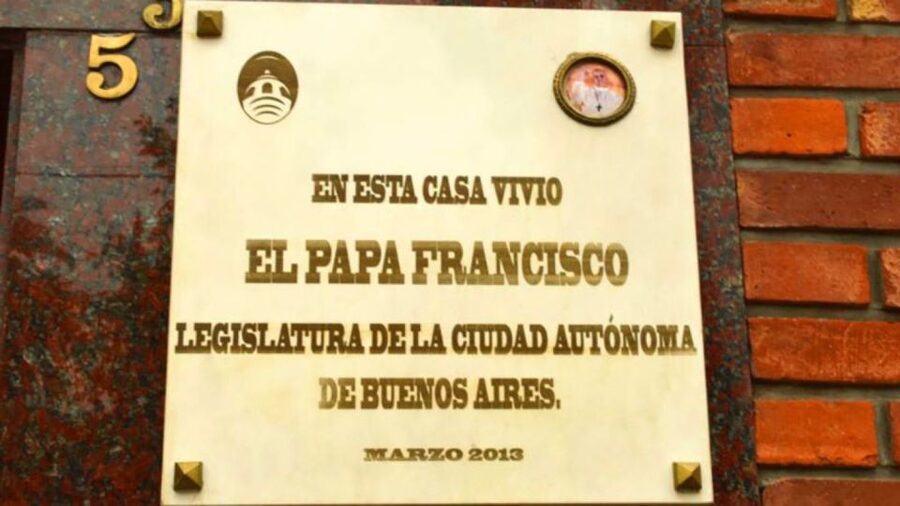
The tour’s emotional center starts in Flores, the neighborhood where Jorge Bergoglio lived as a child with his parents and siblings. Starting with the childhood home helps you anchor the story: the tour isn’t only about famous buildings; it’s about early routines and places that shaped his path.
From there, you move into the educational and church-related sites connected to his studies and formation. The tour highlights locations such as Instituto Nuestra Señora de la Misericordia, Universidad del Salvador, and the Iglesia del Salvador. Even if you’re not a religious-history expert, these stops help you understand how religious life and everyday schooling were intertwined in his world.
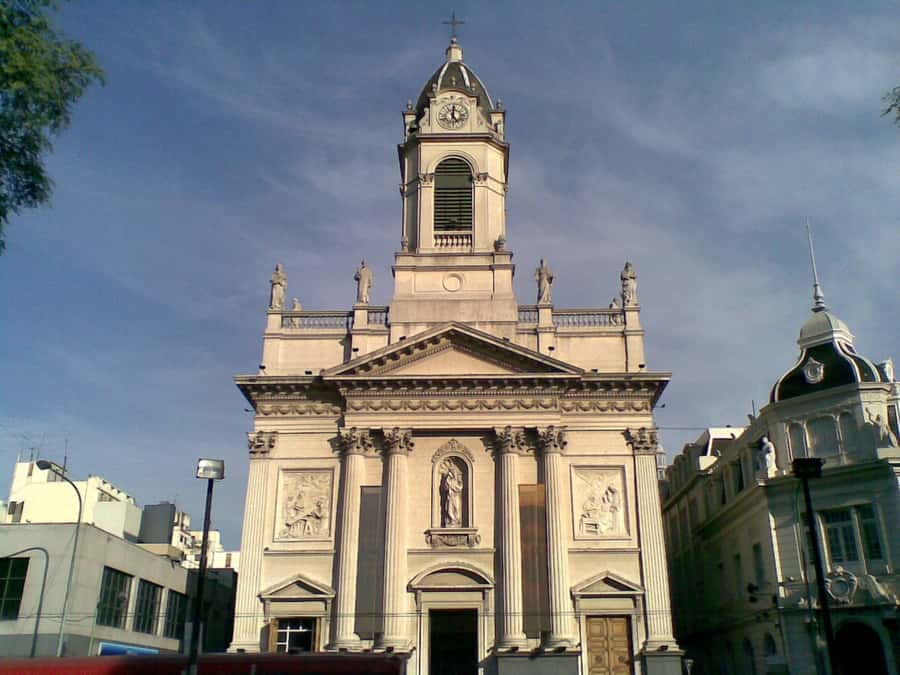
Then comes the big spiritual pivot: the Basilica of San José de Flores. This is the basilica tied to his decision at age 17 after a moment described as a divine call to serve the Church. The tour frames it in a practical way: you’re not just hearing a date, you’re standing in the place where the commitment took shape. If you’re the kind of person who likes meaning attached to geography, this stop is the payoff.
Tip for you: If church visits are important, dress for inside spaces too. Even when the guide is focusing on history, you may still want attire that feels appropriate for entering worship spaces.
Birth and early life stops you can connect with
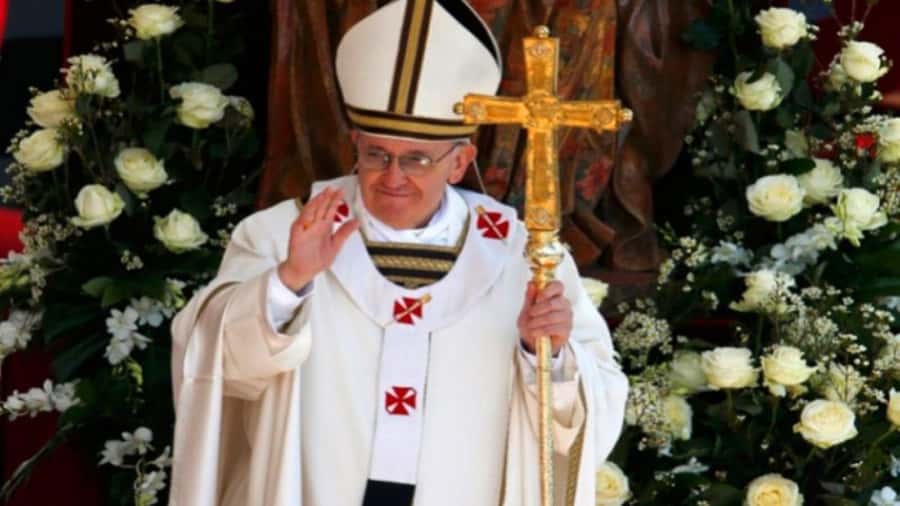
The tour also includes sites connected to early milestones, including a place tied to his baptism: Basilica of Mary Help of Christians and St. Charles. For many people, these stops do two things at once: they add chronological structure, and they make the story feel human instead of mythic.
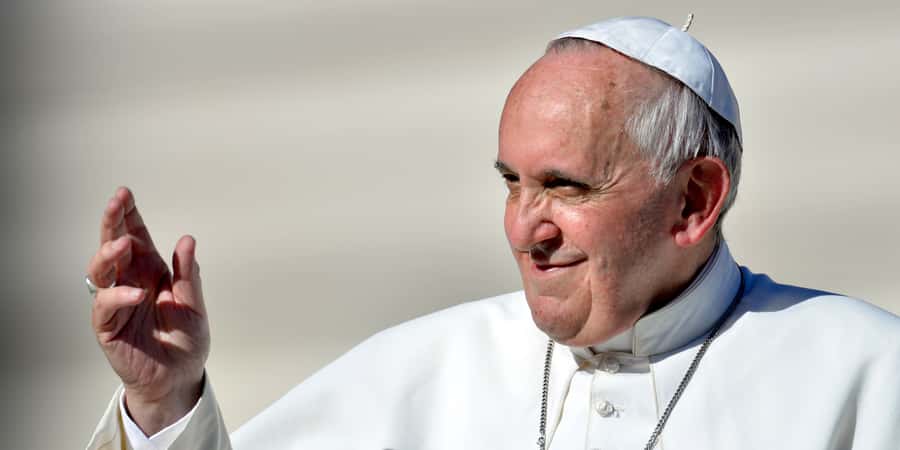
One detail that makes this tour feel more grounded is the inclusion of the Club Atlético San Lorenzo de Almagro. Pope Francis is described here as a passionate fan, and visiting the club-related history point adds context for his early identity beyond church walls. It’s a reminder that leaders are shaped by community—sports culture, friends, neighborhood energy—not only by formal institutions.
Montserrat’s San Ignacio de Loyola: a 1675 Jesuit stop with real age
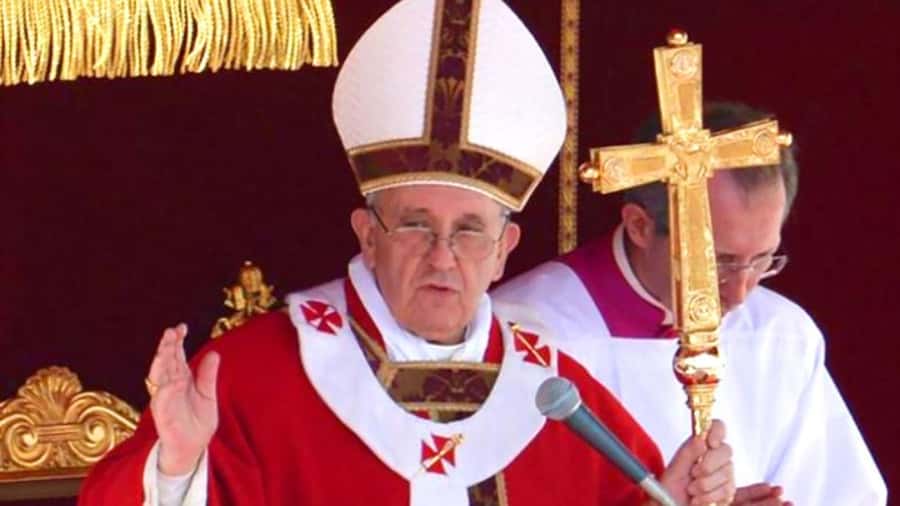
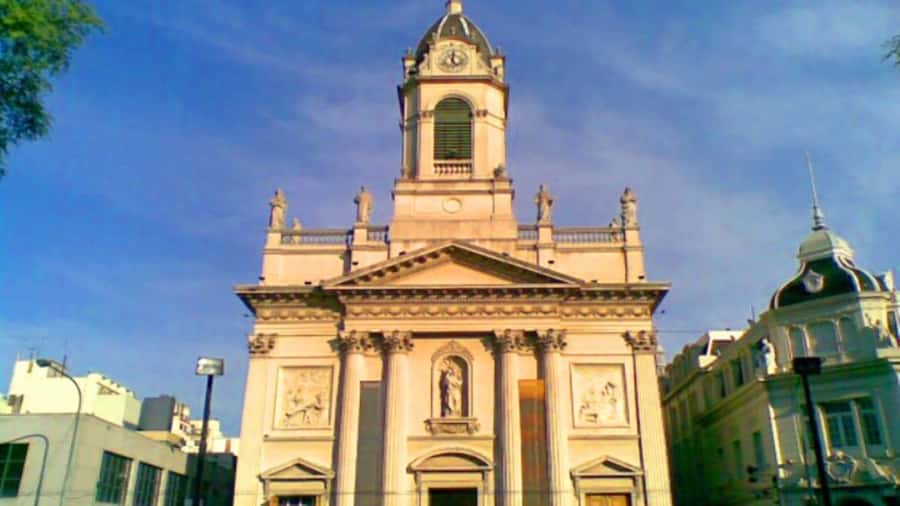
Next, you head to Montserrat, with a key stop at San Ignacio de Loyola Church, built by the Society of Jesus in 1675. The tour also notes it’s the oldest preserved church in Buenos Aires and is part of the Manzanas de las Luces area.
Why this matters for your experience: this is where the tour expands from one person’s timeline into the wider religious architecture of the city. Seeing a church built in the 1600s helps you feel the scale of how long Catholic life has been part of Buenos Aires public space. It also gives you a different architectural flavor than the basilicas you saw earlier.
Practical consideration: older churches sometimes mean different floor levels, doorways, and lighting conditions. Go slow, keep an eye on your footing, and be ready for a short listen while you absorb the building.
Buenos Aires Metropolitan Cathedral: the finale at Plaza de Mayo
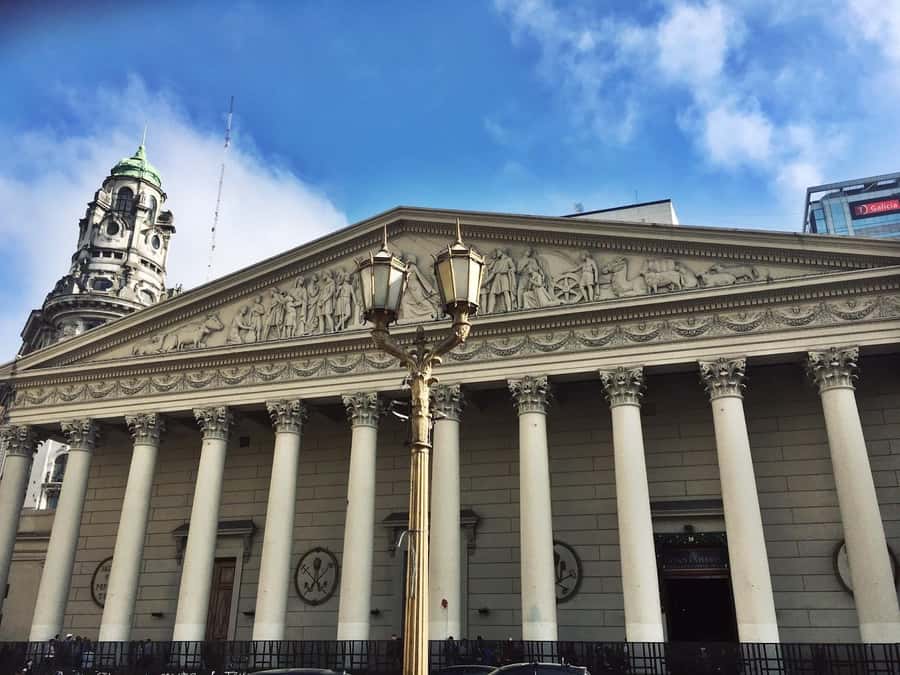
The tour ends at the Buenos Aires Metropolitan Cathedral, right by Plaza de Mayo. This is described as the main Catholic church in Buenos Aires and a historical monument designated in 1942. The tour also emphasizes that it’s a cathedral tied to major Masses connected with Jorge Bergoglio, and it’s a place where devoted followers awaited the announcement connected to his election as Supreme Pontiff.
This ending location is smart for you. Plaza de Mayo isn’t just a “big square”—it’s the center of civic Buenos Aires. When you finish the tour here, you can either keep sightseeing nearby or simply take a breath in a place that feels important on multiple levels: religion, politics, and public life all in one view.
The guide makes the difference: what stands out from past experiences
The biggest consistent strength is the guide’s ability to connect the dots. Past tours have praised the guide’s strong knowledge and clear explanations, and the tone described tends to be warm and engaging.
One guide name that comes up is Pablo. When a tour was described as more personal, Pablo was described as warm, gracious, and kind, with an ability to explain not only the big turning points, but also Bergoglio’s more day-to-day “regular citizen” activities. That’s valuable because the story doesn’t stay frozen in religious events. It becomes part of Argentine culture and local history, including context on Argentina’s culture and politics.
Also, the organization gets credit. The tour format sounds like it’s built to reduce chaos: you move from stop to stop in a way that keeps the 3-hour window realistic, without leaving you stranded between neighborhoods.
What to expect in the real-world flow (and where plans can change)
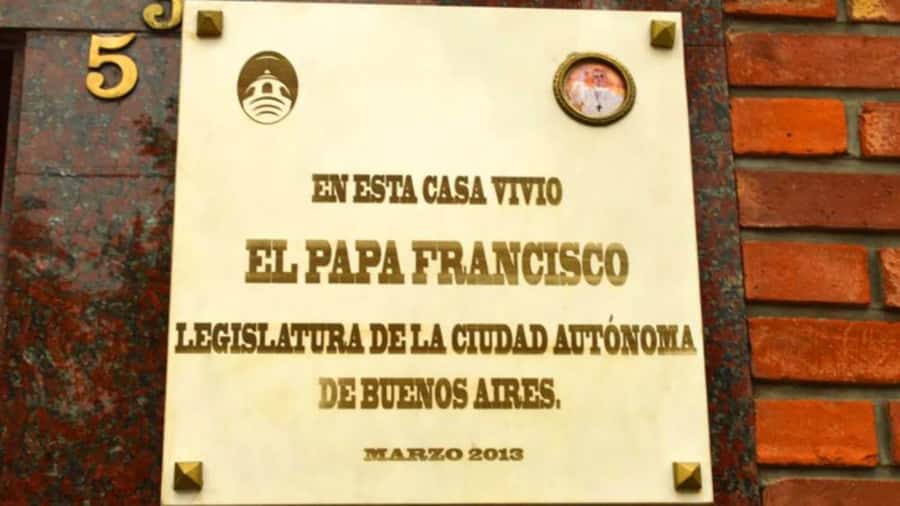
A 3-hour tour across multiple neighborhoods is always a balancing act. You’ll spend time outside and inside churches and basilicas, with transit between areas. Because the tour touches working religious sites, mass schedules and basilica availability can affect the route order.
So if you’re juggling other plans later in the day, I’d treat the tour as a flexible anchor rather than a perfectly timed machine. You’ll know the start time (10:00 am) and the meeting point, but the exact path between sites can shift.
Who this tour suits best
This is a great fit if:
- You want a tight, high-impact introduction to Pope Francis’ Buenos Aires years in one morning window
- You like walking tours that teach place-based context—buildings, neighborhoods, and institutions
- You’re coming for Catholic history but also enjoy the Argentine social backdrop, including culture outside the church
It might be less ideal if:
- You need maximum time inside each worship space (this is a 3-hour highlights format)
- You’re traveling with more than a small bag
- You require certainty about accessibility given the conflicting notes in the provided information
Quick practical checklist before you go
Bring:
- Passport or ID card
- Comfortable shoes
Plan for:
- No large luggage or big bags
- A 3-hour pace that includes stops across multiple neighborhoods
- Possible route adjustments due to services and availability
If you’re sensitive to temperature, you’ll appreciate a warm layer in cooler months. One past experience took place on a cold winter day in June, and in Buenos Aires winter, that can matter.
Should you book this Pope Francis tour?
I’d book this if you want an organized, small-group way to understand Pope Francis’ roots in Buenos Aires—especially if the places matter to you. The combination of Flores childhood and calling sites, education-related stops, a historic Jesuit church in Montserrat, and a finish at the Metropolitan Cathedral gives you a complete arc in just a few hours.
I’d hesitate only if you have tight timing constraints for later in the day or if accessibility needs require clarity beyond what’s listed. In that case, it’s worth confirming details directly before you lock it in.
Overall, this is the kind of tour that helps you see Buenos Aires with more meaning: the city stops being a backdrop and starts acting like part of the story.
FAQ
What time does the Pope Francis tour start?
The tour starts at 10:00 am.
Where do I meet the guide?
You meet at Defensa 831, San Telmo, Buenos Aires.
How long is the tour?
The tour lasts 3 hours.
Is food or drinks included?
No. Food and beverages are not included.
What languages are the live guides?
The live guide offers Spanish, English, and Portuguese.
Is the tour wheelchair accessible?
The provided information is inconsistent: one note says wheelchair accessible, while another says it is not wheelchair accessible. It’s best to confirm directly before booking if this matters for you.
More Short Outings in Buenos Aires
Just added to our Buenos Aires notebook
- Guided tour Boca Juniors Museum & Stadium + Caminito
★ 3.3 · 3 reviews - Bike Tour: Buenos Aires to the North
★ 4.0 · 3 reviews - From Colonialism to Eclecticism, Buenos Aires arquitectonica
★ 5.0 · 3 reviews - Enjoy a Rural Experience in a Vineyard near Buenos Aires
★ 4.7 · 3 reviews - Café de los Angelitos – Traditional Night in Buenos Aires
★ 4.8 · 3 reviews - Buenos Aires: Rojo Tango Show with Optional Dinner
★ 3.4 · 3 reviews