
Reviewed · LA BOCA & CAMINITO
Buenos Aires: La Boca Guided Walking Tour in English
La Boca becomes a living lesson in 2 hours. I love the Conventillos that turn this neighborhood into a giant storybook, and I also love how the tour connects tango street life to the Boca Juniors legend. One consideration: the walk ends outside La Bombonera, so stadium entry is extra if you want to go in.
This is a tight, 2-hour guided walk in English for about $13, designed so you don’t just “see” La Boca—you understand what you’re looking at. You’ll cover the art on the walls, the football mythology, and the tango vibe, and you’ll still have energy left afterward to wander on your own.
In This Review
- Key takeaways before you go
- Why this La Boca walk feels worth the money
- Finding the meeting point at Magallanes 808 (Caminito side)
- Start near the riverside: Conventillos, migration, and identity
- Puente Transbordador area: what to notice while you’re walking
- Tango on the street: live performances and street-level history
- Fileteado art: decoding the swirls and lettering
- La Bombonera finish: Boca Juniors legend and what to do next
- Price and timing: why $13 for 2 hours can be smart
- Who should book this tour (and who might skip)
- Should you book this La Boca guided walk?
- FAQ
- How long is the Buenos Aires La Boca guided walking tour?
- Is the tour in English?
- Where do I meet the guide?
- What happens if it rains?
- Will I see tango performances on the street?
- Is admission to La Bombonera included?
- Does the tour include food and drinks?
Key takeaways before you go
- Color with context: Conventillos, fileteado, and street tango are explained, not just pointed at
- Football history on the route: You end at La Bombonera and learn why Boca Juniors matters
- Likely street performances: You may catch tango dancers in action along the way
- Short walking, big payoff: Many people feel the pace is manageable for the amount of information
- Guides who tell stories well: Names you may hear include Santiago, Maria, Juan, Vito, and Victoria
Down by the Caminito, more of La Boca we have wandered across Buenos Aires.
- Buenos Aires: Navigation from Pto. Madero to La Boca★ 4.1 · 147 reviews
- Buenos Aires Bike Tour: San Telmo and La Boca Districts★ 4.5 · 74 reviews
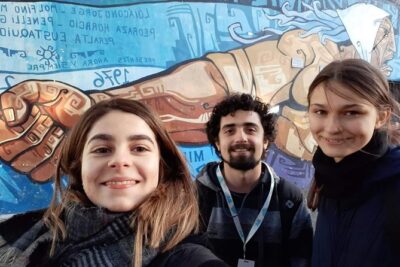
- La Boca, a collective creation: Port, immigrants, arts and football★ 5.0 · 58 reviews
Why this La Boca walk feels worth the money
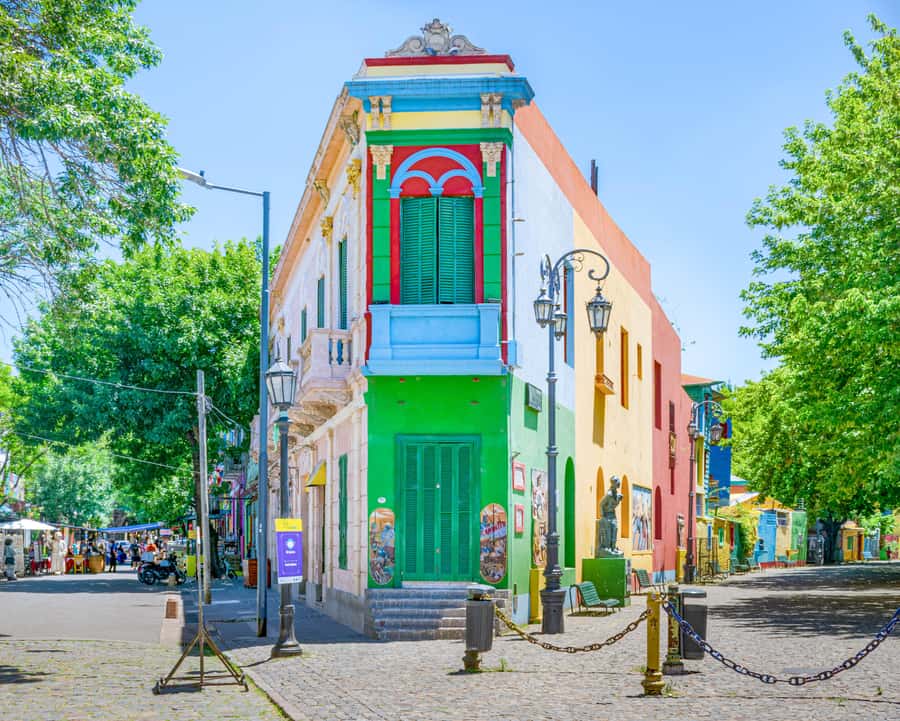
La Boca can be a quick photo stop if you arrive with no context. This tour is built to fix that. You get a guided route that links three things people often treat separately: the colorful housing, the street art, and the cultural heartbeat of tango and football.
The biggest value here is translation of details into meaning. When you’re shown how locals interpret fileteado (those stylized swirls and lettering), the neighborhood stops looking like “just decoration.” Same idea with tango: instead of a vague label, you get the story behind how it became part of everyday street life. And then you close the loop at La Bombonera, where the Boca Juniors story helps explain why La Boca has such a strong identity.
Also, the price is refreshingly low for a paid, English-led, 2-hour experience. At $13, you’re mainly paying for the guide’s ability to connect dots quickly—so you don’t waste your visit standing in front of murals without knowing what they’re saying.
Finding the meeting point at Magallanes 808 (Caminito side)
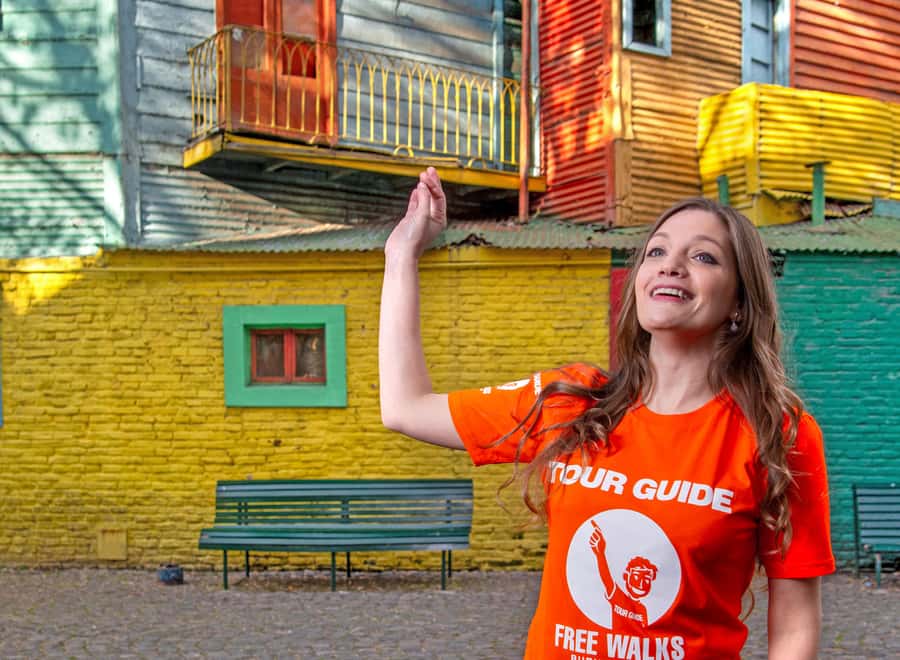
Go a bit early. The tour meets at the corner of Caminito and Magallanes (address: Magallanes 808), at the entrance of the Cachafaz shop. Your guide will be easy to spot: look for an orange t-shirt or umbrella.
One practical note: traffic is heavy, and that affects getting there on time. The guide waits 10 minutes at the meeting point, then the tour moves on to the first stop (about a block away, toward the riverside).
If you’re using rideshare or a taxi, factor in slow approach time. If you’re walking in, aim to arrive early enough that you’re not doing the classic last-minute sprint.
Start near the riverside: Conventillos, migration, and identity
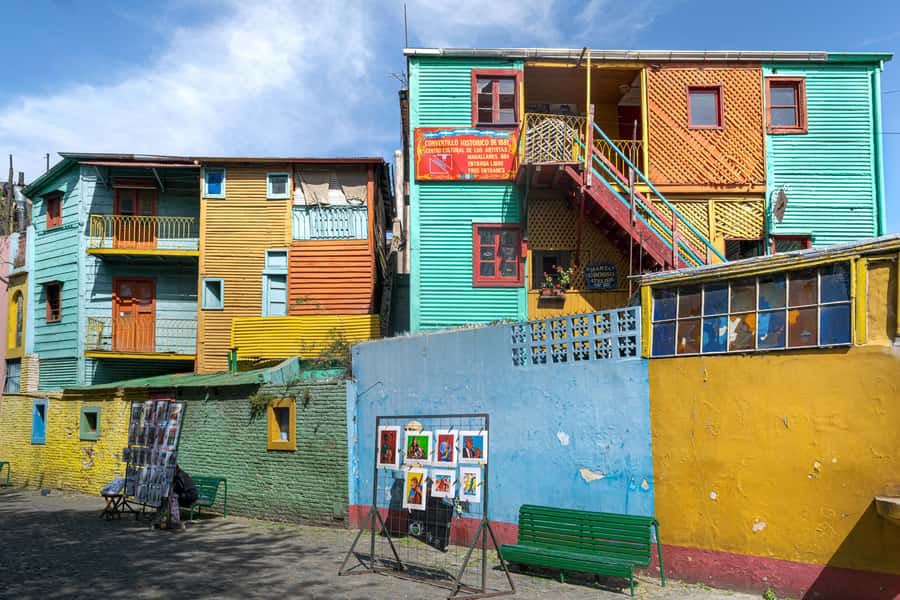
The route begins close to the water, and that matters. The guide sets the tone by connecting La Boca’s look to why it developed the way it did, especially through the Conventillos—those colorful multi-unit homes you’ll instantly recognize.
You’ll learn why the houses look like they do, and how the neighborhood’s multicultural roots shaped everyday life here. It’s not just “old buildings are pretty.” The point is to help you see these facades as clues: people built communities, formed routines, and expressed identity on the streets.
This early part is also where you get your bearings fast. Once you understand what you’re seeing—housing style, neighborhood character, and why locals chose specific visual languages—you’ll follow the rest of the walk with less confusion and more delight.
More of Buenos Aires covered on foot.
Puente Transbordador area: what to notice while you’re walking
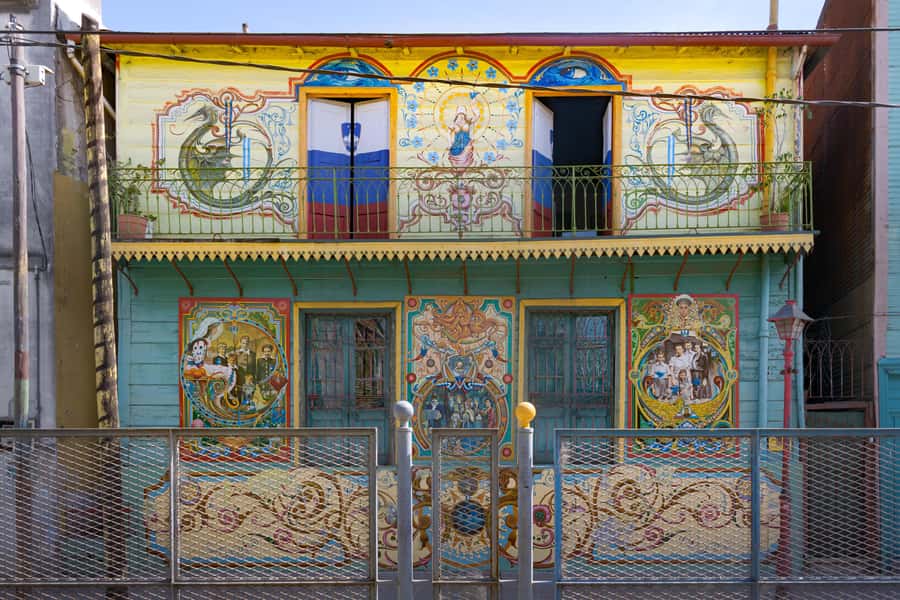
Mid-walk, you’ll pass through the area around Puente Transbordador. Even if you’re not stopping for long, it’s a good moment to look at how La Boca sits within the broader city.
I like that the tour keeps moving and explaining, rather than turning the day into a long series of museum lectures. The guide’s job is to help you read the streets as you walk—where you are, what came first, and why certain locations matter to local culture and memory.
Pace-wise, you should expect a guided walking format rather than a sit-down presentation. A lot of people mention the walking doesn’t feel like a huge workout, and that fits the tour’s structure: you’re meant to enjoy the neighborhood while learning fast.
Tango on the street: live performances and street-level history
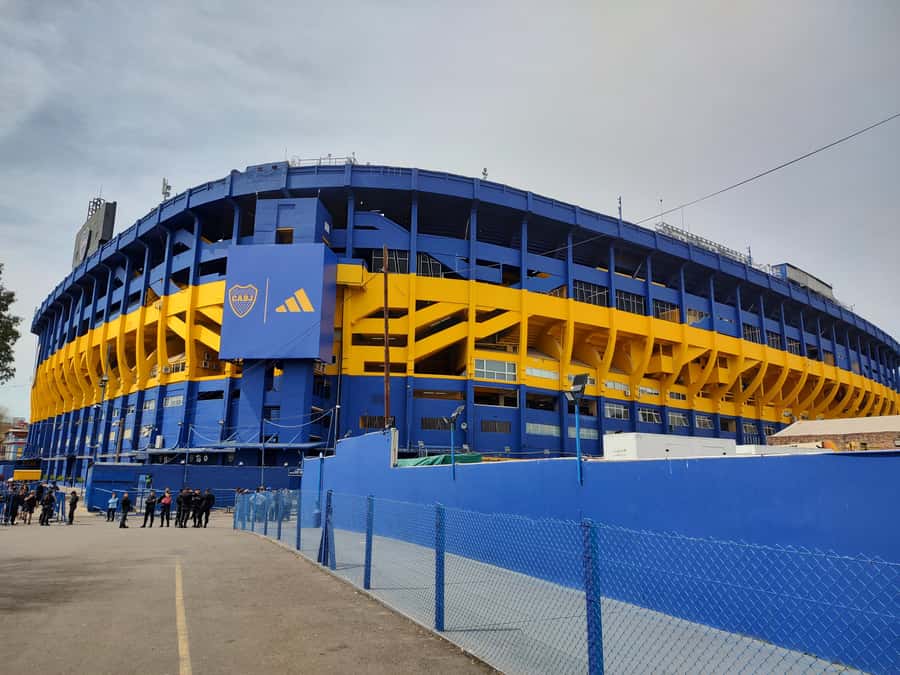
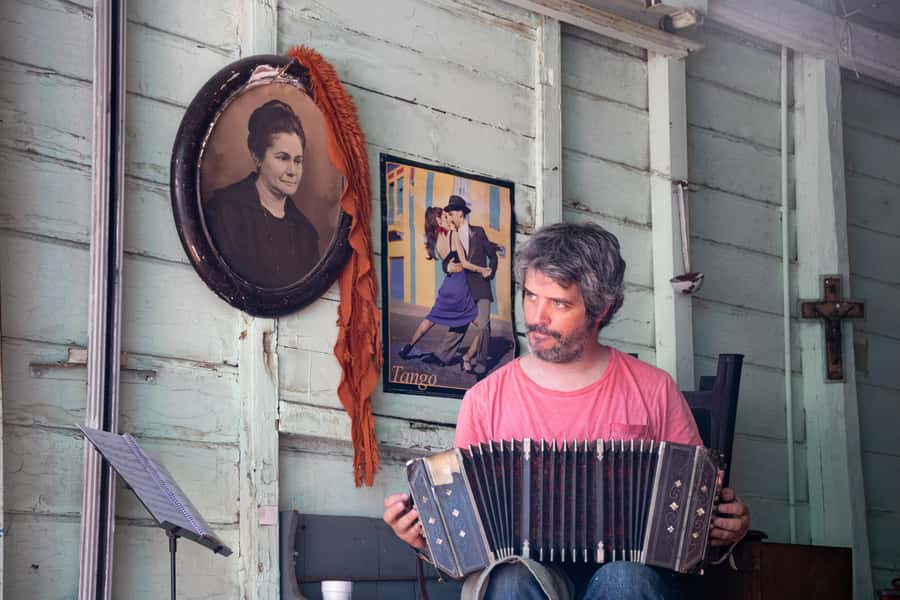
One of the best parts of La Boca is that tango isn’t always contained in a theater. Along your route, you may encounter live tango performances—dancers performing on the street while you’re nearby.
What I like about the tour’s approach is that it treats tango like a living social tradition. You’ll learn the background of tango and then watch it happen in real time (or see it as part of the street’s atmosphere, even if you don’t catch a full performance).
That’s a big difference versus a “history-only” tour. Here, the guide helps you connect origin and present-day culture in one go. So when you see a dancer, you’re not just thinking, cool photos. You’re thinking, this is how a city expresses its soul.
Fileteado art: decoding the swirls and lettering
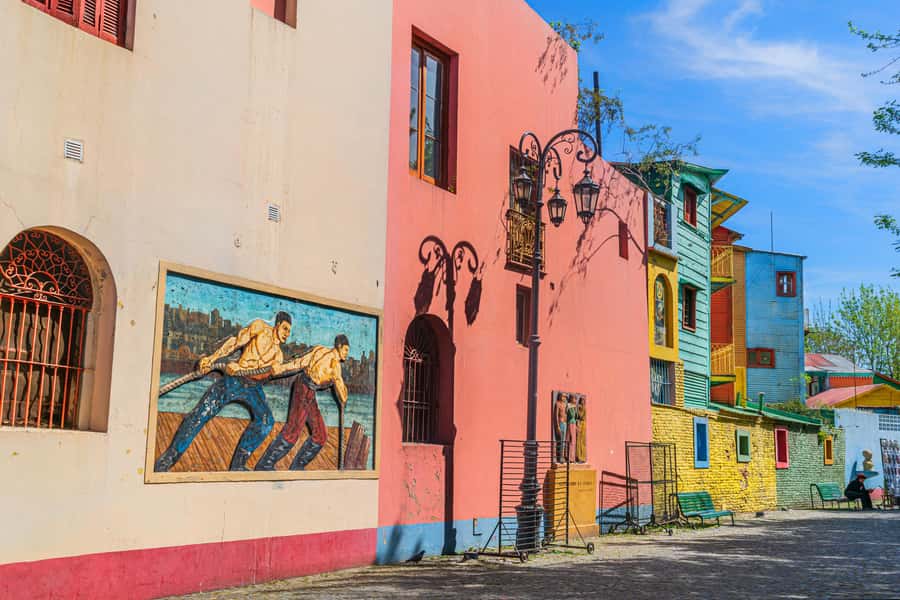
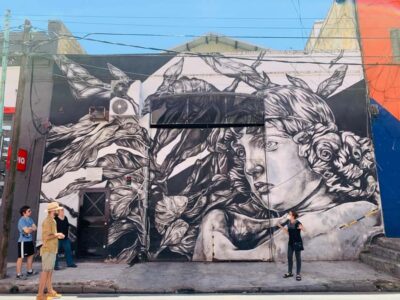
La Boca is famous for fileteado, and you’ll see plenty of it during the walk. The tour doesn’t just point out colorful walls—it explains where the style comes from and why it became part of local visual identity.
In practical terms, that means you can start “reading” what you’re seeing:
- decorative lettering that signals local flavor
- stylized details that feel tied to craft and tradition
- repeated motifs that make certain streets look like open-air galleries
Once you know the origin, you’ll notice more than you would alone. You’ll likely start spotting patterns in shapes and typography as you walk, and you’ll understand why locals treat the style as something personal.
La Bombonera finish: Boca Juniors legend and what to do next
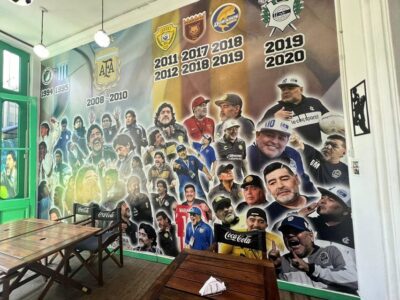
The tour ends outside La Bombonera, right where the Boca Juniors story hits full volume. You’ll learn the club’s history—why it’s so popular in Argentina and how it grew into a symbol of identity for many people tied to this area.
This is also where your plan for afterward matters. The tour finishes at Brandsen 801-831, and from there you can choose to go inside if you want. Stadium admission and any museum access are not included, but the experience sets you up to appreciate what you’re walking toward.
My advice: if you’re a football fan, consider continuing right away. The tour’s last section gives you enough background that a visit to the stadium or related museum won’t feel like you’re just paying to look at walls.
Price and timing: why $13 for 2 hours can be smart
Let’s talk value. At $13 per person for a 2-hour English guided walk that covers multiple major themes—Conventillos, tango history, fileteado, and Boca Juniors—this is a cost-effective way to get meaning fast.
You’re not paying for a long transport day or a big meal package. You’re paying for a guide to compress a lot of context into a short time window. If you’re trying to see La Boca in a sensible way without turning it into a day-long commitment, this format fits.
A quick reality check: it’s also a walking experience. That’s part of the charm, but it helps if you’re comfortable with street walking and a bit of standing. The good news is that the tour is designed so you’re learning as you go, not trudging for hours.
Who should book this tour (and who might skip)

This tour is a strong match if you want:
- culture + street art + football history in one hit
- an English guide to explain what you’re seeing
- a manageable 2-hour plan in La Boca
It’s also ideal if you’re the kind of person who likes to understand why places look the way they do, not just take photos.
You might consider skipping if you already know a ton about tango and Boca Juniors and you’d rather spend your time doing deep independent exploring. But if you’re aiming to get your bearings and pick up local meaning fast, a guided walk is the smart start.
One more comfort detail: the tour is set up to continue even if it rains. So if your day is weather-dependent, this helps you avoid losing the plan.
Should you book this La Boca guided walk?
Yes, book it if La Boca is on your “see it, understand it, then move on” list. The combination of street-level tango, fileteado context, and a finish that points you straight toward La Bombonera makes it a practical way to get more out of a short visit.
I’d book especially if you’re visiting for the first time and you want the neighborhood to make sense while you’re still there. The guide’s storytelling is a major part of the value—people repeatedly describe guides like Santiago, Maria, Juan, Vito, and Victoria as the kind who connect details into a clear picture.
FAQ
How long is the Buenos Aires La Boca guided walking tour?
It lasts about 2 hours.
Is the tour in English?
Yes, the guide leads the tour in English.
Where do I meet the guide?
The meeting point is at Magallanes 808, at the corner of Caminito and Magallanes (entrance of the Cachafaz shop). Look for the guide with an orange t-shirt or umbrella.
What happens if it rains?
The tour still takes place even if it rains.
Will I see tango performances on the street?
You may encounter live tango performances during the walk, depending on what’s happening that day.
Is admission to La Bombonera included?
No. The stadium ticket is not included, though the tour finishes outside La Bombonera and you can enter afterward if you choose.
Does the tour include food and drinks?
No. Food and drink are not included.
More Walks Through Buenos Aires





La Boca, a Few More Corners




Just added to our Buenos Aires notebook
- Guided tour Boca Juniors Museum & Stadium + Caminito
★ 3.3 · 3 reviews - Bike Tour: Buenos Aires to the North
★ 4.0 · 3 reviews - From Colonialism to Eclecticism, Buenos Aires arquitectonica
★ 5.0 · 3 reviews - Enjoy a Rural Experience in a Vineyard near Buenos Aires
★ 4.7 · 3 reviews - Café de los Angelitos – Traditional Night in Buenos Aires
★ 4.8 · 3 reviews - Buenos Aires: Rojo Tango Show with Optional Dinner
★ 3.4 · 3 reviews
La Boca & Caminito, compared.
 ★ 4.1Navigation from Pto. Madero to La BocaFrom $18147 reviews
 ★ 4.5Buenos Aires Bike Tour: San Telmo and La Boca DistrictsFrom $4574 reviews
 ★ 5.0La Boca, a collective creation: Port, immigrants, arts and footballFrom $6558 reviews
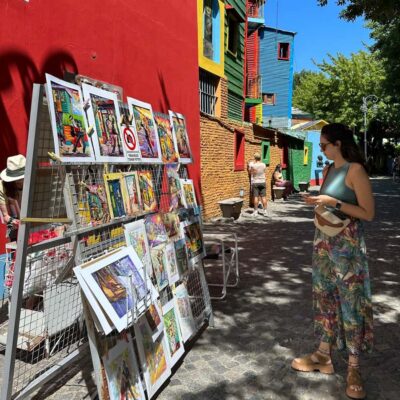 ★ 4.8La Boca Art and History Walking TourFrom $4655 reviews
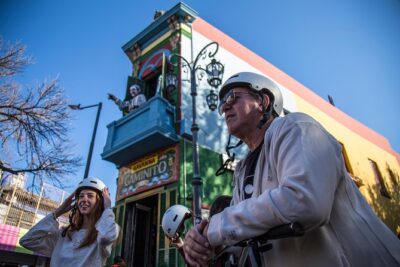 ★ 5.0La Boca and City Center Bike TourFrom $3854 reviews
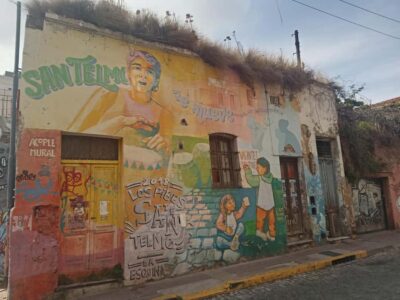 ★ 5.0SAN TELMO + CAMINITO THE LOCAL WALKING TOUR!From $358 reviews
 ★ 5.0La Boca Out off the Beaten TrackFrom $356 reviews
 ★ 5.0Walking Tour of San Telmo and La Boca with local foodFrom $1004 reviews
Browse the lists this tour appears in