
Reviewed · BUENOS AIRES
Buenos Aires for curious people
Buenos Aires history, walking style. This is a conversational walk through the historical center, where the cityscape becomes your guidebook, from first inhabitants to today’s power struggles. I like that it’s not a rigid checklist; you’re encouraged to ask questions and connect the past to what you see on the street.
I also love how the story spans big, human topics—British influence, the African-descendant population, immigration waves, and the country’s political fractures. One potential drawback: it’s about 3 hours of walking, so you’ll want comfortable shoes and a water bottle, especially when weather turns.
In This Review
- Key highlights I’d plan around
- Why this walk feels different than a typical history tour
- Price and pacing: what $30 per person really buys
- Meeting at Bar Británico and warming up at Parque Lezama
- Russian Orthodox and Swedish club footprints: seeing immigrants in plain sight
- Espacio para la Memoria ex CCD Club Atlético: where history turns heavy
- Telmo’s core: San Pedro González Telmo, Plaza Dorrego, and market time
- Universities and intellectual power: Facultad de Ingeniería and UCA
- Puente de la Mujer to Casa Rosada: reading politics in the skyline
- The questions that keep the walk moving
- Languages, group size, and how to get more out of it
- Practical tips: what to bring and how to pace yourself
- Who this tour is for (and who might skip it)
- Should you book this Buenos Aires history walk?
- FAQ
- How long is the tour?
- How much does it cost?
- Where do we meet?
- Where does the tour end?
- What’s included in the price?
- What languages are available?
- Is the tour wheelchair accessible?
- What should I bring?
- Is there an option to cancel?
- Is there a pay-later option?
Key highlights I’d plan around
- A conversation-first route that turns questions into the main event, not just listening
- Lezama Park to Casa Rosada for a satisfying “roots to power” storyline in one go
- Stop-by-stop political memory, including Espacio para la Memoria ex CCD Club Atlético
- Telmo’s street-level texture, with time at Plaza Dorrego and the San Telmo Market
- An international angle on Buenos Aires, from British interest to European and other immigrant threads
- Guide flexibility, with private or small groups available so you can steer the discussion
Not sure which barrio to start in? A few more Buenos Aires tours worth a look.
- Buenos Aires Hop-On Hop-Off Bus, Free Walking Tours & Discounts★ 4.5 · 2,218 reviews
- Buenos Aires: Piazzolla Tango Show with Optional Dinner★ 4.4 · 2,122 reviews
- Buenos Aires: City Highlights Guided Tour with Transfer★ 4.7 · 1,946 reviews
Why this walk feels different than a typical history tour
Most tours in Buenos Aires give you landmarks and a few dates. This one uses those same landmarks, but the real focus is how people lived through change. The guide frames Buenos Aires through an anthropological lens—how culture, identity, and power shift over time—and then keeps you talking as you move.
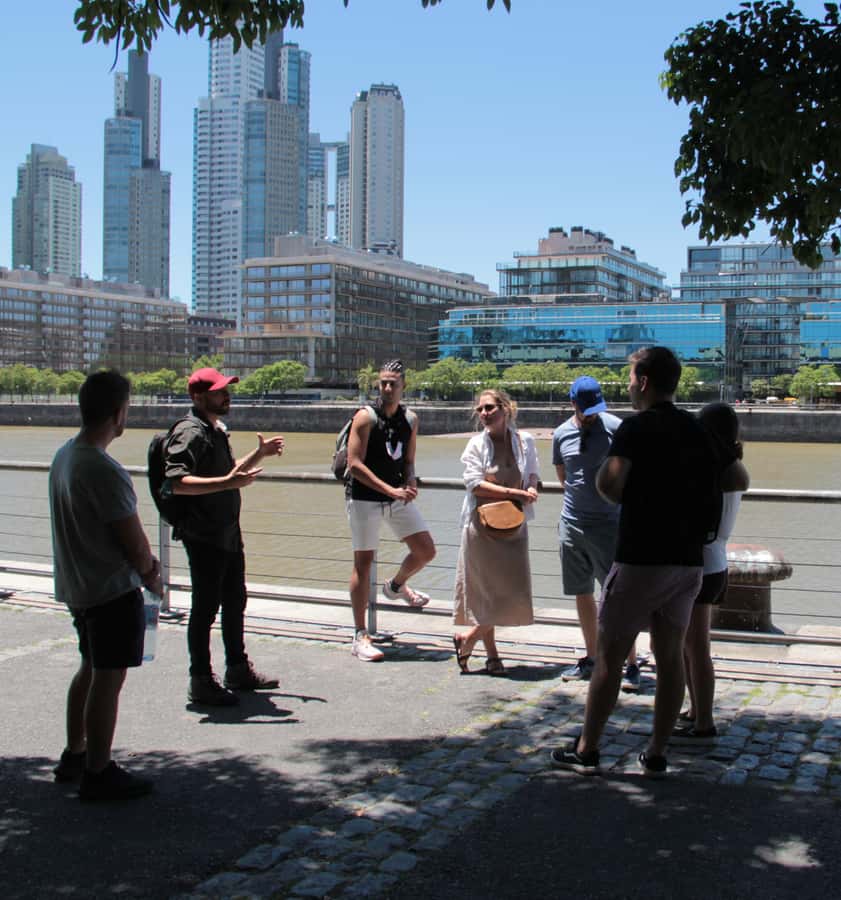
You’ll notice the difference right away: the walking pace is steady, but the flow is interactive. Instead of waiting for a lecture at each stop, you’re invited to ask why a chapter mattered, or how one group ended up shaping the city. If you like history that connects to modern life, this is the kind of tour that makes the city feel explainable.
And because the route is built around real questions—first inhabitants, British intent, the fate of African-descendant communities, immigration, Perón and Evita, and the desaparecidos—the walk doesn’t feel like memorizing facts. It feels like solving a puzzle.
Price and pacing: what $30 per person really buys
At about $30 for a roughly 3-hour experience, you’re paying for something more valuable than sightseeing photos. You’re buying time with a professional guide plus a structure that links places you’d otherwise skim past.
This is also a “first serious intro” kind of tour. It’s long enough to connect multiple neighborhoods and themes, but short enough that you’re not stuck for half a day before you can explore on your own. If you’re only in Buenos Aires for a few days, this can help you orient fast—especially in the historical center, where streets can look familiar but the story isn’t.
The catch is the pacing style: it’s built for walking and discussing. If you prefer quiet, no-question tours, you might find the conversational tone less relaxing. But if you like to participate—even a little—you’ll likely enjoy how much the guide draws you in.
Meeting at Bar Británico and warming up at Parque Lezama
You start at Bar Británico, which is a practical choice for a first rendezvous—easy to spot, and it immediately puts you in a real neighborhood setting. From there, the tour moves to Parque Lezama, with about 15 minutes there for guided context.
This first park stop matters because it sets the tone. You’re not just passing through greenery; you’re getting a framework for the city’s deeper roots. The questions begin early: who came first, what those early lives looked like, and how later chapters layered on top. Even if you’ve read some Buenos Aires history before, this start helps you see the city as a long, shifting process rather than a straight timeline.
A tip for this early stage: keep your camera handy, but also keep your attention on what the guide is pointing out. In places like this, it’s easy to get distracted by scenery and miss the “why here” explanations.
Russian Orthodox and Swedish club footprints: seeing immigrants in plain sight
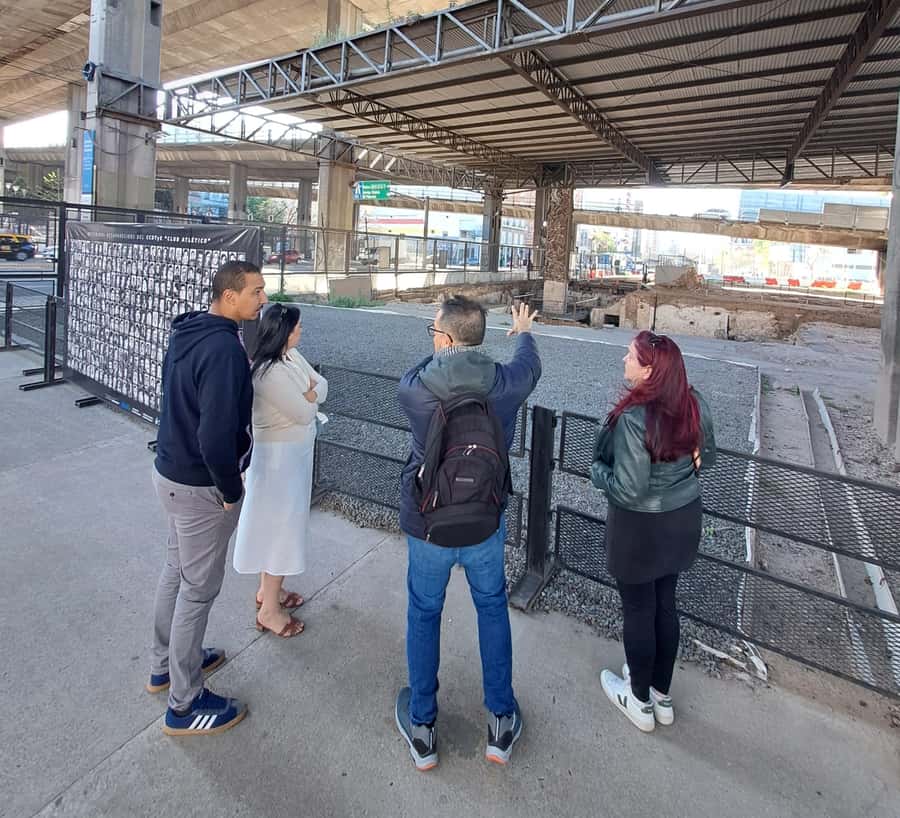
Next up is the Russian Orthodox Church of the Holy Trinity (about 10 minutes), followed by Club Sueco Restaurante (about 10 minutes). These stops are short, but they’re designed to do something smart: show you how Buenos Aires absorbed different cultures and faiths, and how that absorption became visible in buildings and institutions.
For you, the value here is perspective. Instead of treating immigrant influence as a vague label, the tour points to specific locations—places where identity was expressed through architecture and community spaces. If you’ve ever wondered how a city can feel both Latin American and deeply European at the same time, these stops help make it concrete.
One small consideration: with only brief time at each stop, the guide will focus on the most relevant connections. If you want deeper detail on religion, institutions, or architecture, plan to ask targeted questions during the conversation time, not just at the end.
Espacio para la Memoria ex CCD Club Atlético: where history turns heavy
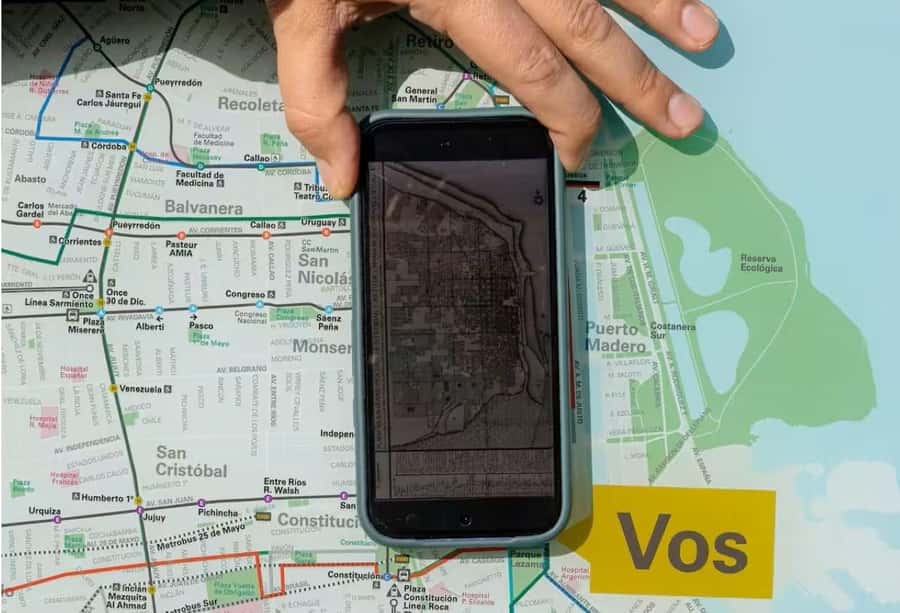
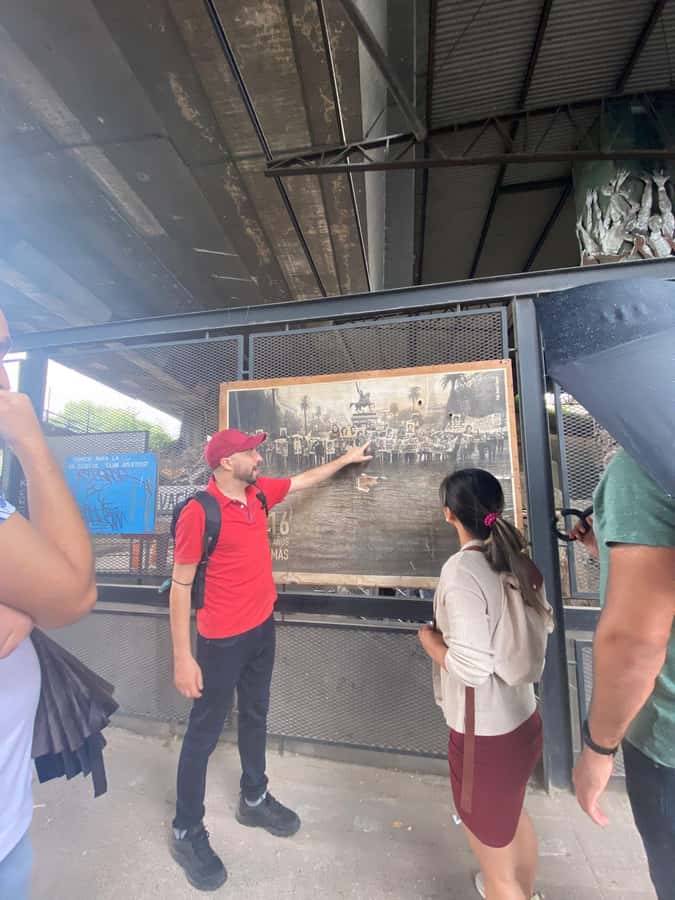
The most emotionally serious stop on the route is Espacio para la Memoria ex CCD Club Atlético (about 10 minutes). This isn’t framed as shock value. It’s presented as memory and meaning—how modern Argentina carries the weight of trauma and political repression.
If you come to Buenos Aires hoping for pleasant sightseeing only, this stop can change your mood. It’s also where the tour’s stated questions—especially about the desaparecidos and how their memory shapes today—become real. You’ll likely walk away with a better sense of why memorial spaces and public history matter in the way they do.
Practical note: in moments like this, it helps to slow down mentally. Give the guide room to explain, and don’t feel pressured to have an immediate opinion. The point is understanding, not rushing to reactions.
Telmo’s core: San Pedro González Telmo, Plaza Dorrego, and market time
From the memory stop, the route enters a classic historic area: Parroquia de San Pedro González Telmo (about 10 minutes) and Plaza Dorrego (about 5 minutes). Then you get a longer break at the San Telmo Market (about 20 minutes).
This is where the tour shifts from “the big story” to “the lived texture.” Religious architecture helps you see community anchors. The plaza is a stage for how public life works in older neighborhoods—where gatherings happen and where the city’s rhythms show up.
Then the market break gives you space to do something important: reset. In a tour this discussion-heavy, that 20-minute pause is not wasted time. It helps you digest the earlier political and cultural context, and it gives you a chance to snack or just wander at your own pace.
A reality-check: market areas attract crowds. If you’re sensitive to congestion or want a calm stroll, aim to use the break for quick browsing rather than lingering at the densest stalls. Also, keep your phone and wallet secure—busy market zones always deserve attention.
Universities and intellectual power: Facultad de Ingeniería and UCA
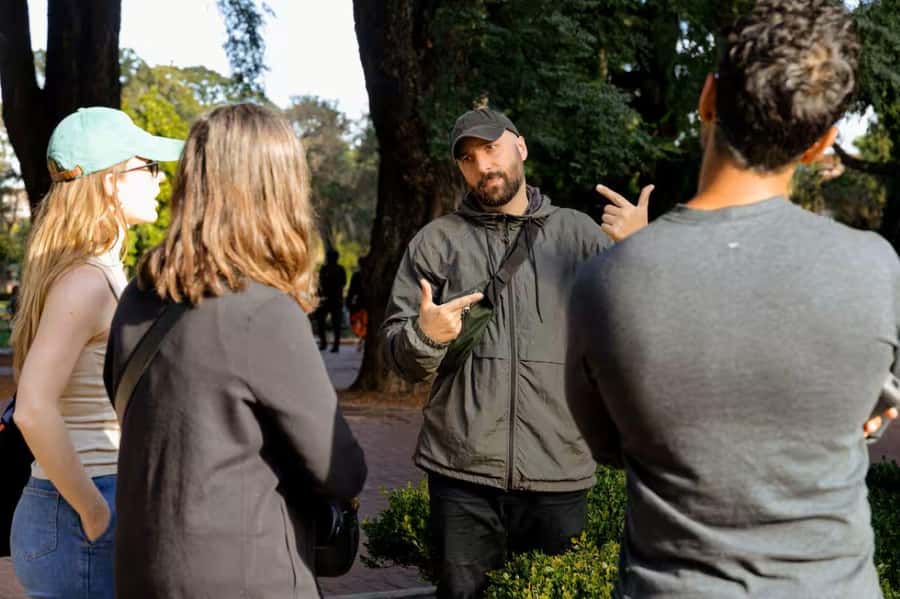
Two shorter academic stops follow: Facultad de Ingeniería (about 5 minutes) and UCA Santa María de los Buenos Aires (about 10 minutes). Even though they take little time, they fit an important part of the narrative: how Buenos Aires builds its future through education and institutions.
For you, the payoff is connecting politics and culture to ideas and training. When you’re learning about immigration, nation-building, and political leadership, it helps to also see where the city cultivates professionals and thinkers. These stops are brief, but they keep the tour from becoming only about the past.
If you’re someone who likes to ask questions, this is a good moment to do it. The guide can often connect these educational locations to the wider themes you’ve already been discussing.
Puente de la Mujer to Casa Rosada: reading politics in the skyline
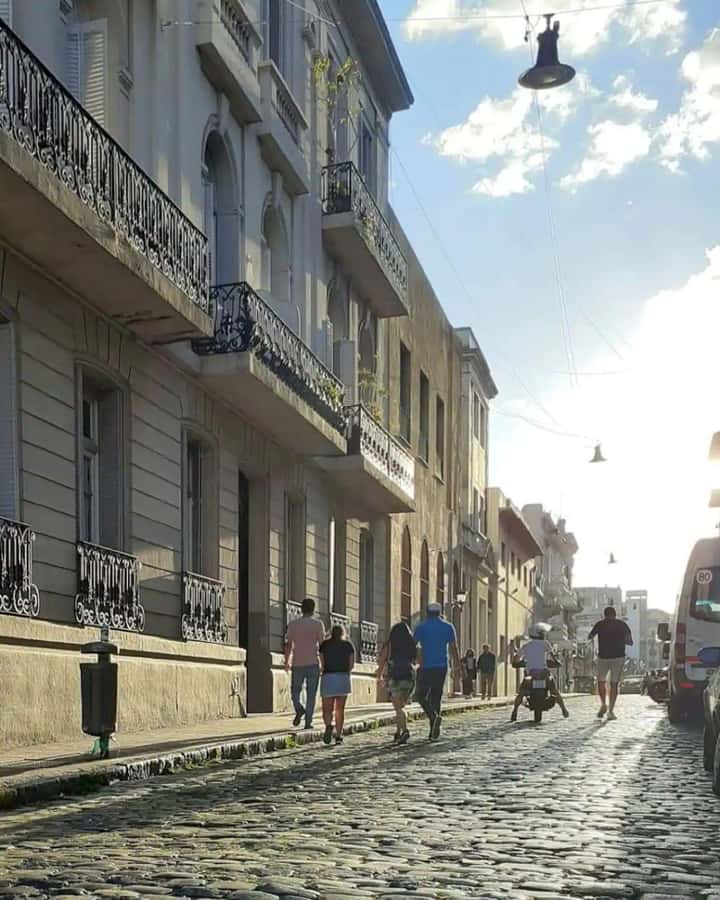
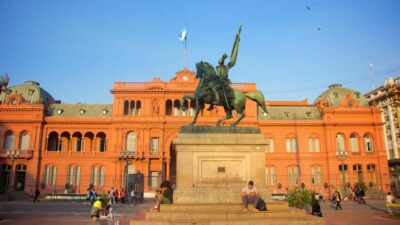
The final stretch brings you to Puente de la Mujer (about 15 minutes), then to the grand finale area around Museo Casa Rosada, Casa Rosada, and Plaza de Mayo.
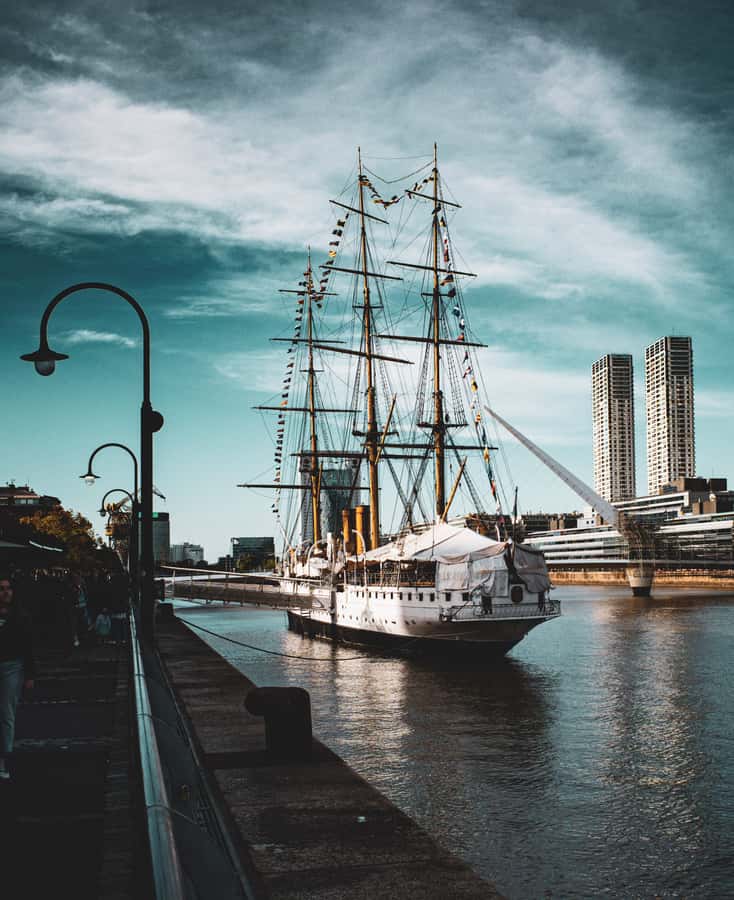
This is the “power” section of the walk. The bridge provides a memorable visual transition from historical neighborhoods toward Argentina’s political center. Then the tour lands at Casa Rosada, where you can look at the government seat with a different set of questions than you might have on a first day in the city.
The guide ties this end point to the tour’s political threads: leaders, political change, and how national narratives are built and contested. This is also where the discussion often becomes most personal. You’ll probably find yourself thinking about how Argentina’s identity is shaped by conflict, memory, and economic realities.
One thing to plan for: at the end, you’ll be in a high-visibility area. Expect more foot traffic. If you want photos, move a little aside from the busiest spots so you’re not blocking anyone—and don’t stand in the middle of the crowd waiting for the perfect shot.
The questions that keep the walk moving
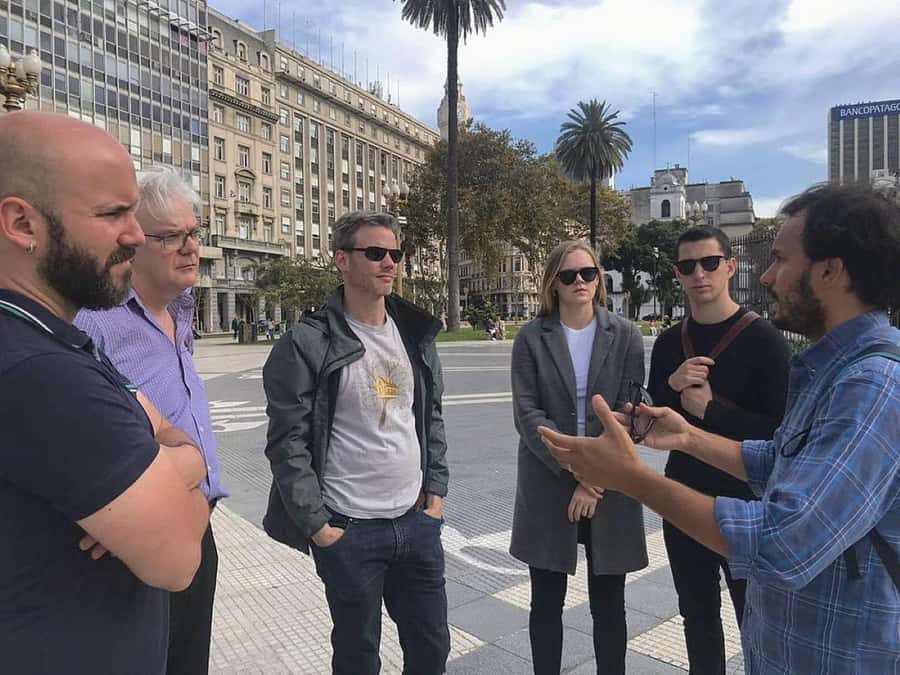
What makes this tour feel coherent is that it’s built around essential questions, not random facts. You’ll likely cover:
- Who the first inhabitants were, and how that early layer influences how the city is understood today
- Why the British showed strong interest in these shores, and what that says about Buenos Aires’s global role
- What happened to Buenos Aires’s significant African-descendant population, and how that presence shaped culture and society
- How Argentina became a nation of immigrants, and how immigration changed the city’s identity
- The deal with Evita and Perón, connected to modern political memory
- Who the desaparecidos were, and why their memory is still present in public life
- Why the US dollar holds power in the local economy, a very contemporary angle to balance older history
I like how these questions are practical. They don’t ask you to care about history only for nostalgia. They point to how Buenos Aires thinks, argues, and survives.
And it’s worth noting the guide quality. In one recent experience, Nicolás stood out for having a lot to share and for keeping questions in the conversation. If you get a guide like that, you’ll probably leave feeling like you made a smarter connection to the city, not just a checklist of sights.
Languages, group size, and how to get more out of it
The tour is offered in Spanish, French, English, and Portuguese, so you can match your comfort level. It’s also wheelchair accessible, and there are options for private or small groups, which matters if you want more back-and-forth time.
If your group is small, you’ll get more chances to steer the discussion. That’s a big deal here, because so much value comes from talking. If you want to maximize the experience, come prepared with one or two topics you genuinely care about—maybe the immigration story, the African-descendant communities, or how political memory works.
Also, bring a willingness to ask “why.” The guide is likely to build answers using what you’re seeing outside the window, which makes the explanation stick.
Practical tips: what to bring and how to pace yourself
This walk is simple on paper, but Buenos Aires weather can be unpredictable. Bring comfortable shoes, a water bottle, and sunscreen. Have your camera ready, especially for the final political-center views.
A small pacing trick: treat the tour like a moving conversation. You don’t need to memorize every detail. Instead, pick a few threads—like immigration, political repression, or international influence—and let the stops keep reinforcing those threads.
If you start the walk slightly early in your head—mentally ready to connect past and present—you’ll get more from every stop, including the shorter ones.
Who this tour is for (and who might skip it)
This tour is a strong fit if you:
- Want a first serious introduction to Buenos Aires beyond guidebook basics
- Like history explained through people and culture, not just dates
- Enjoy asking questions and getting into the “why” behind events
- Prefer walking with built-in context rather than random wandering
You might skip it if you:
- Want quiet sightseeing only
- Have limited tolerance for sustained walking
- Dislike emotionally heavy historical topics like political repression and memory
Should you book this Buenos Aires history walk?
If you’re curious and you like your city education delivered through real discussion, I’d book it. The route is efficient: it starts at Parque Lezama, moves through culturally diverse markers, pauses for serious memory work, gives you market time in San Telmo, and ends at Casa Rosada where the story turns political.
At $30 for about 3 hours, the value comes from guidance plus context plus conversation. You’re not just passing landmarks—you’re learning how different layers of Buenos Aires explain each other.
If you do book, decide ahead of time what you want to understand most—immigration, political memory, or international influence. Then use the walk to ask the questions you came with. That’s where this tour really pays off.
FAQ
How long is the tour?
The tour lasts about 3 hours.
How much does it cost?
The price is $30 per person.
Where do we meet?
You meet at Bar Británico.
Where does the tour end?
It ends around Museo Casa Rosada, Casa Rosada, and Plaza de Mayo.
What’s included in the price?
A professional guide, historical insights, and discussion/debate opportunities are included.
What languages are available?
The live guide is available in Spanish, French, English, and Portuguese.
Is the tour wheelchair accessible?
Yes, the tour is wheelchair accessible.
What should I bring?
Bring comfortable shoes, a camera, sunscreen, and water.
Is there an option to cancel?
Yes. You can cancel up to 24 hours in advance for a full refund.
Is there a pay-later option?
Yes. You can reserve now and pay later.
Just added to our Buenos Aires notebook
- Guided tour Boca Juniors Museum & Stadium + Caminito
★ 3.3 · 3 reviews - Bike Tour: Buenos Aires to the North
★ 4.0 · 3 reviews - From Colonialism to Eclecticism, Buenos Aires arquitectonica
★ 5.0 · 3 reviews - Enjoy a Rural Experience in a Vineyard near Buenos Aires
★ 4.7 · 3 reviews - Café de los Angelitos – Traditional Night in Buenos Aires
★ 4.8 · 3 reviews - Buenos Aires: Rojo Tango Show with Optional Dinner
★ 3.4 · 3 reviews