
Reviewed · CITY TOURS
Guided Tour of the City of Buenos Aires
One memorable thing about Buenos Aires is how fast the city changes moods. This private city highlights tour shows you the big icons and the lived-in neighborhoods in one smooth 4 to 5 hour arc, with photo stops built in and a guide who helps you connect the dots. I especially like the way it mixes high-level landmarks with street-level scenes, from Plaza de Mayo to Caminito.
Two things made this feel worth the money for me: the comfort of a private, air-conditioned vehicle (plus WiFi on board), and the pace that keeps moving without feeling like a checklist. One possible drawback: it’s a “see and photograph” style day, so if you want long museum time, you’ll likely want to plan that separately.
In This Review
- Key things that make this Buenos Aires tour work
- A private Buenos Aires highlights day that actually feels paced
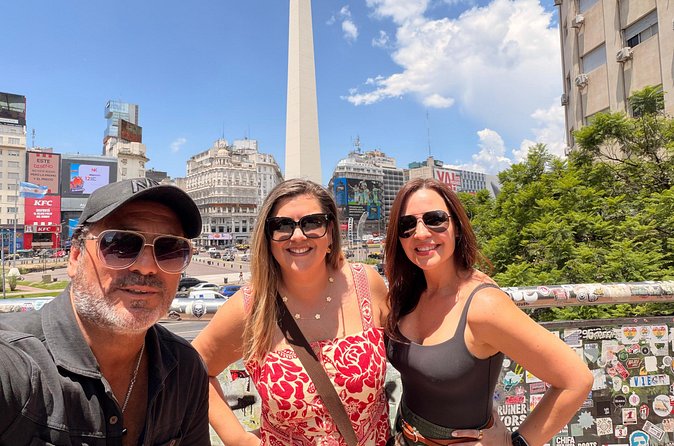
- Obelisco: the photo stop that also teaches you how Buenos Aires thinks
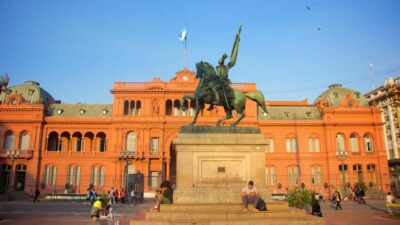
- Plaza de Mayo, Casa Rosada, and the Metropolitan Cathedral: politics you can walk up to
- Pirámide de Mayo to Puerto Madero: revolution lines meet modern tango lines
- San Telmo’s market and Plaza Dorrego: old independence vibes and a darker shadow
- La Boca without the tourist trap feeling: Caminito and Boca Juniors
- Palermo’s public art and Tres de Febrero Park: a greener break from the city core
- Recoleta Cemetery, Teatro Colón, and El Ateneo Grand Splendid’s stage-bar charm
- The guide makes the difference: how Demian, Federico, and Pedro shape the day
- Price and value: why $150 per group can beat many standard tours
- Who should book this tour, and who might not love the format
- Should you book this Buenos Aires city highlights tour?
- FAQ
- How long is the Buenos Aires guided city tour?
- How much does the tour cost?
- Is this tour private?
- What time does the tour start?
- What attractions have extra admission fees?
- What’s included in the price?
- Where does the tour end?
Key things that make this Buenos Aires tour work
- Private for up to 4 people: easy conversation, no crowd-shoulder squeezing.
- Air-conditioned comfort + WiFi: great when the city heat ramps up.
- Major sights in smart photo windows: Obelisco, Casa Rosada, Cathedral, and more.
- Iconic neighborhoods, not just icons: San Telmo market area, La Boca alleys, Puerto Madero.
- Palermo stops with a modern-to-green shift: Floralis Generica and Tres de Febrero Park.
- Recoleta and Teatro Colón are quick-hit stops: you get the must-sees without getting stuck all day.
More ways to take in the whole of Buenos Aires in a day.
- Buenos Aires: City Highlights Guided Tour with Transfer★ 4.7 · 1,946 reviews
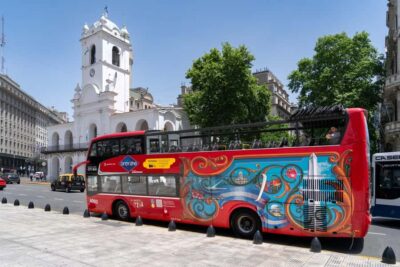
- Buenos Aires: Hop-On Hop-Off City Bus Tour★ 4.2 · 1,855 reviews
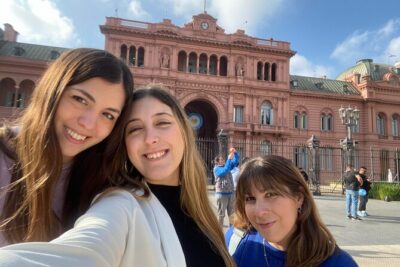
- Best of Buenos Aires: Guided Sightseeing City Tour★ 4.0 · 402 reviews
A private Buenos Aires highlights day that actually feels paced
You start at 9:00 am and you’re back at the meeting point after about 4 to 5 hours. That timing matters because Buenos Aires is a city where mornings help, and long afternoons can start to feel grindy if you’re bouncing between districts with public transport.
This is priced at $150 per group (up to 4). That’s the big value angle: you’re not paying per person. In practice, it can work out like a normal guided walking tour price for one traveler, but you get a private vehicle and a guide shaping the day. I also like that pickup is available from select locations, and the tour ends where you started, so you don’t have to stress about “now what?”
The experience is shaped by guide style. In the reviews tied to this tour, guides like Demian, Federico, and Pedro show up again and again. Expect a friendly, narrative approach that explains what you’re seeing, not just dates on a sign.
Obelisco: the photo stop that also teaches you how Buenos Aires thinks
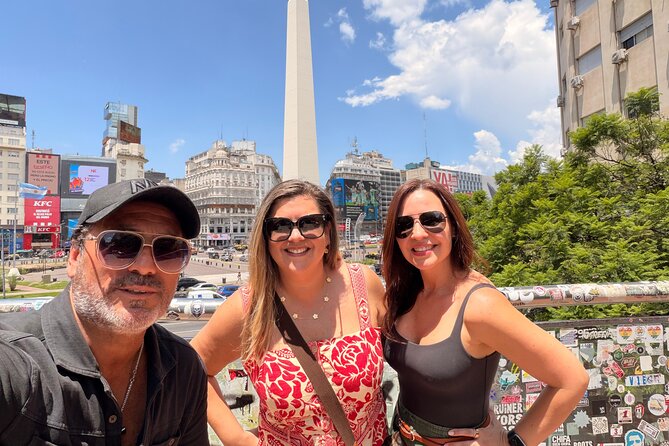
The Obelisco is one of those places you think you understand until someone explains why it matters. You get a short, focused stop where you can take photos from viewpoints around the monument and learn the basics of its history.
What I like about this kind of early stop: it gives you a visual anchor. The moment you see it, you’re oriented. The day becomes easier because the rest of the route starts to feel like connected stories instead of random stops.
Also, the time here is tight on purpose. Around busy central areas, your best strategy is quick photos, learn the meaning, then move on before you get swallowed by crowds.
Plaza de Mayo, Casa Rosada, and the Metropolitan Cathedral: politics you can walk up to

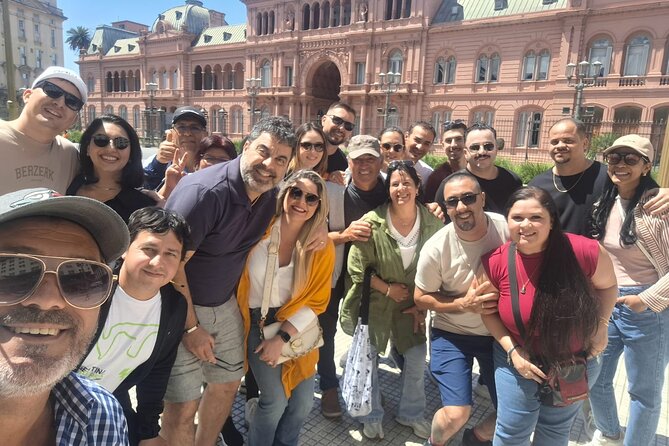
This portion is all about the center of gravity. Plaza de Mayo is historic and it’s ringed by major sites. Nearby you’ll see Casa Rosada, where the tour focuses on history and photo opportunities in the surroundings.
Then comes Buenos Aires Metropolitan Cathedral, including an entry moment so you can take photos and hear about the history tied to it—specifically, the remains of General San Martín.
Two practical tips for this stop:
- Wear comfortable shoes. The sidewalks here are fine for photos, but you’ll still be moving.
- Keep your camera ready, but don’t rush the explanation. This is where the guide’s storytelling turns stone and flags into context.
If you’re the type who likes political history, this is the part that will make the rest of the tour click. If you’re not, it still works because you’ll at least understand why everyone points and takes pictures here.
Pirámide de Mayo to Puerto Madero: revolution lines meet modern tango lines
You’ll stop at Piramide de Mayo, described as the city’s first patriotic monument, and it’s positioned where it’s easy to feel the “center of event” energy of the plaza. It’s a quick stop, but it’s one of those moments that helps you understand how Buenos Aires marks turning points.
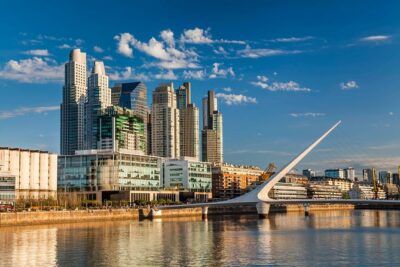
Then the tour shifts gears to Puerto Madero, a relatively young neighborhood and a major gastronomy hub. The contrast is intentional. You go from old civic space to a waterfront district that feels more global and modern.
A standout here is the Puente de la Mujer, designed by Santiago Calatrava. It’s shaped like a pose of two tango dancers. Even if you don’t know tango history, you’ll still appreciate the design choice. It turns the bridge into a sculpture you can photograph from the right angles.
One consideration: this stretch is a nice change of pace, but it’s not a long wander. If you want to linger for food or waterfront views, you may want to add extra time on your own later.
San Telmo’s market and Plaza Dorrego: old independence vibes and a darker shadow

San Telmo shows up on this tour through Mercado San Telmo and Plaza Dorrego. The market is described as dating to 1890, and the plaza is tied to a major independence announcement in 1816. Even with a short time window, these stops make Buenos Aires feel less like a postcard and more like a working city.
There’s also a stop connected to a 19th-century house area intended for enslaved people. That’s heavy subject matter, and it’s worth treating respectfully. If your group wants more context, your guide can help you connect why these old structures still matter today.
What I appreciate is that the tour doesn’t pretend history is only statues and sunshine. It gives you a quick look at both pride and pain, then moves on without getting stuck.
Practical note: San Telmo can be lively. If you’re sensitive to crowds and noise, keep an eye on where you stand for photos, so you don’t end up fighting people for the shot.
La Boca without the tourist trap feeling: Caminito and Boca Juniors
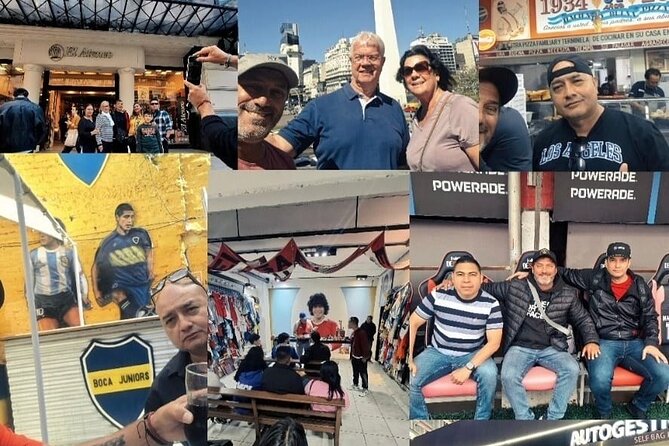
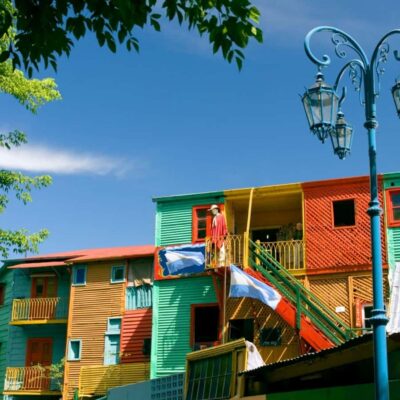
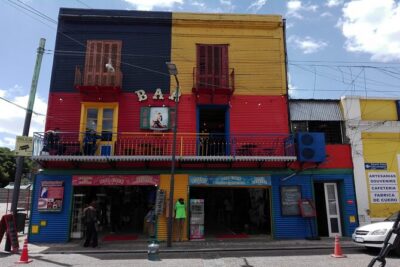
Next comes Caminito in La Boca. The tour is about passing through the colorful alleys, so think photos, short storytelling, and the vibe of the neighborhood rather than museum-style time.
Then you’ll reach Estadio Boca Juniors for photos and a history overview of the club and the neighborhood. This is one of the few times in Buenos Aires where you’ll feel how sports identity blends with place identity. Even if you’re not a superfan, the guide’s explanations make the landscape make sense.
A tip: if you care about photos, arrive mentally ready to shoot quickly. This is a “see it, frame it, move” rhythm. It’s efficient, but it’s not a slow stroll.
If you’re traveling with kids, this part can be a win because it’s energetic. If you’re sensitive to crowds, the route timing helps, but it can still get busy in La Boca.
Palermo’s public art and Tres de Febrero Park: a greener break from the city core
After the intensity of central Buenos Aires and the personality of La Boca, Palermo is your reset button.
You’ll see Floralis Generica, a pop monument established in the 1990s. It’s very visited and photographed, and the tour treats it like what it is: a signature photo moment.
Then you’ll pass by a museum area before heading toward the Japanese Garden inside Tres de Febrero Park. The park is described as the city’s green lung, and the tour also flags the area’s attractions, including the Planetarium, Ecopark, and the Rose Garden.
This is one of the nicest segments of the day because it gives your feet and brain a break. You’ve been in civic plazas and dense neighborhoods. Here, the idea is open space and a calmer pace.
If you’re the kind of person who likes gardens and views, you’ll enjoy this more than you might expect. If you prefer history-only stops, you may feel this is a bit more “scenery,” but it still helps you understand how Buenos Aires balances big ideas with everyday life.
Recoleta Cemetery, Teatro Colón, and El Ateneo Grand Splendid’s stage-bar charm
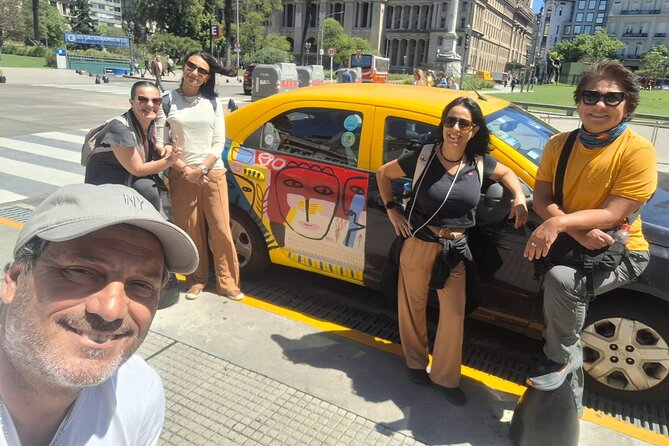
Two of the biggest name spots in the tour are Recoleta Cemetery and Teatro Colón. Both are listed with admission not included, and both are short time windows.
- Recoleta Cemetery is described as an open-air cemetery and museum, with figures like Eva Perón and Juan Manuel de Rosas resting there. Even in a brief stop, it’s worth it because it’s a Buenos Aires identity marker.
- Teatro Colón is described as having some of the best acoustics in the world. You’ll likely appreciate it most if you care about architecture and the idea of world-class opera, even if you’re not attending a performance.
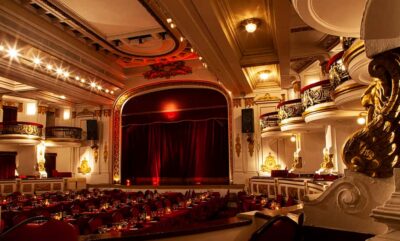
Then the tour shifts into something practical and fun: El Ateneo Grand Splendid. It’s a bookstore in Recoleta, built where the Grand Splendid theater was, preserving original architecture while repurposing the space. The key detail you’ll want to remember is that it includes a bar on its historic stage. That means you can combine classic architecture with a relaxed stop, instead of rushing out after sightseeing.
For me, this segment is the reason this route feels human. It’s not only about monuments. It’s about how Buenos Aires reuses old spaces in ways that feel clever.
The guide makes the difference: how Demian, Federico, and Pedro shape the day
What consistently shows up in the reviews for this tour is that the guide isn’t just reading facts. Guides such as Demian, Federico, and Pedro are described as fun, attentive, and able to answer questions while keeping the day moving.
You should look for that in your own experience when you meet your guide:
- Are they connecting sights to stories that help you remember them?
- Do they adjust the pace when you ask something, instead of sticking to a script?
- Do they keep the route logical so you’re not constantly backtracking?
This tour’s structure helps them do that. Because the time at each stop is limited, the guide has to be good at explaining what matters fast. When it works, you get the “lightbulb” moments without a long, exhausting day.
Price and value: why $150 per group can beat many standard tours
Let’s talk math. $150 per group up to 4 means the effective cost per person depends on how you travel. If you’re two people, you’re paying $75 each. If you’re four, you’re paying $37.50 each.
Now compare that to common guided options that charge per person and may not include private transportation. Here, you get:
- Private transportation in an air-conditioned vehicle
- WiFi on board
- Fuel surcharge
- Guided tour
- Pickup from select locations and return to the meeting point
That matters because Buenos Aires is spread out enough that time gets expensive. If you’re sharing the cost, this tour becomes a strong value play, especially in a day where you want to cover multiple neighborhoods.
One more value point: the tour includes lots of photo-friendly time. If you’re traveling with a partner, friend, or family member and you all want photos, you’re paying for coordination as much as you’re paying for sightseeing.
Who should book this tour, and who might not love the format
This works best for you if:
- You want to hit major highlights in one day without juggling tickets and transit.
- You like guided explanations but also want time to take photos.
- You’re traveling with a small group or as a solo traveler who still wants a private feel.
It may not be ideal if:
- You’re the type who wants long visits inside major museums or cathedrals with lots of free time.
- You’d rather focus deeply on one neighborhood instead of stitching together multiple districts.
For most people though, it’s a smart first pass through the city. You’ll come away knowing where the big places are and what to return to later.
Should you book this Buenos Aires city highlights tour?
Yes, if you want a guided, efficient way to see Buenos Aires’ classic range: political core, tango-adjacent design, waterfront modernity, old-market streets, football identity, and a green park break in Palermo.
I’d book it especially if you’re splitting the group cost. The private AC car and the guide’s pacing are exactly what make this kind of route feel low-stress.
Just go in knowing the style is quick stops with photo time and narration, not a slow, museum-heavy day. If that matches how you like to travel, you’ll likely leave with a strong mental map of the city and plenty of great images.
FAQ
How long is the Buenos Aires guided city tour?
The tour runs about 4 to 5 hours.
How much does the tour cost?
It costs $150.00 per group for up to 4 people.
Is this tour private?
Yes. It’s private, and only your group participates.
What time does the tour start?
It starts at 9:00 am.
What attractions have extra admission fees?
Admission is not included for Recoleta Cemetery and Teatro Colón. Other listed stops are marked with free admission.
What’s included in the price?
Included are the guided tour, private transportation in an air-conditioned vehicle, WiFi on board, pickup from select locations, and fuel surcharge.
Where does the tour end?
The tour ends back at the meeting point.
See More of Buenos Aires in a Day

Just added to our Buenos Aires notebook
- Guided tour Boca Juniors Museum & Stadium + Caminito
★ 3.3 · 3 reviews - Bike Tour: Buenos Aires to the North
★ 4.0 · 3 reviews - From Colonialism to Eclecticism, Buenos Aires arquitectonica
★ 5.0 · 3 reviews - Enjoy a Rural Experience in a Vineyard near Buenos Aires
★ 4.7 · 3 reviews - Café de los Angelitos – Traditional Night in Buenos Aires
★ 4.8 · 3 reviews - Buenos Aires: Rojo Tango Show with Optional Dinner
★ 3.4 · 3 reviews
City Tours, compared.
 ★ 4.7City Highlights Guided Tour with TransferFrom $381,946 reviews
 ★ 4.2Hop-On Hop-Off City Bus TourFrom $351,855 reviews
 ★ 4.0Guided Sightseeing City TourFrom $35402 reviews
 ★ 5.0Buenos Aires Private City Tour with Local GuideFrom $119308 reviews
 ★ 3.8Classic City Tour of Buenos Aires: Neighborhoods and EmblemsFrom $45282 reviews
 ★ 4.7Buenos Aires Private City Tour with a local guideFrom $14992 reviews
 ★ 4.0Buenos Aires Premium City TourFrom $7887 reviews
 ★ 4.5Semi Private City Tour of Buenos AiresFrom $3685 reviews
Browse the lists this tour appears in