
Reviewed · TANGO LESSONS & MILONGAS
Private Underground Tango Immersion
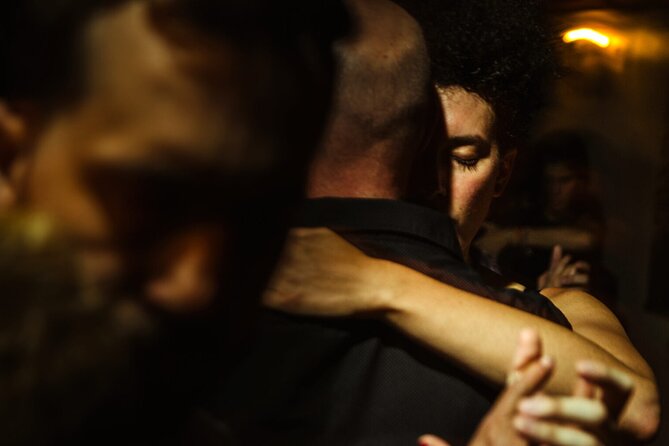
Tango starts underground, not on a stage. This private 3-hour night pairs an Ocho-focused lesson with a local milonga where you get a milonga table to see the real social dance world in action. I like how the instruction goes beyond step-chasing and actually gives you the mechanics to improvise with other dancers. I also like the vibe: wine, chatting with locals, and live music or a performance that feels like part of the night, not a packaged show. One drawback to weigh: it starts at 9:30 pm, so it’s late, and you’ll want some energy for an evening of music and movement.
The hosts are often Rafael, with Esther or Andrea joining in on the guiding, and they keep things friendly and patient for beginners. One of my favorite touches is how they explain the tango codes and what to listen for on the dance floor, so you’re not just watching—you’re learning how the culture works. You’ll also be guided in English (and Spanish and Japanese), which makes the milonga context much easier to follow.
This is also a good value if you want more than a ticket to a tango show. For $330 per person, you’re paying for private instruction, transportation to the milonga, and included wine, plus a guided night out at a venue you might not find on your own. Just plan on budgeting a tip, since tips aren’t included, and remember alcohol is only for ages 18+.
In This Review
- Key Things to Know Before You Go
- A 9:30 pm Start That Makes Tango Feel Like Nightlife
- Private Tango Instruction: Ochos, Mechanics, and Social Confidence
- The Tango Codes Lesson: What to Listen For on the Dance Floor
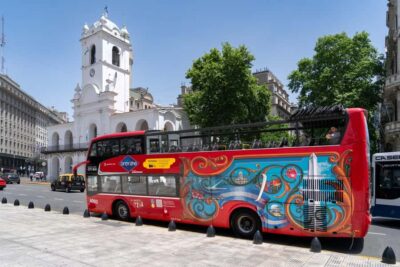
- Transportation to the Milonga: Why That Little Transfer Matters
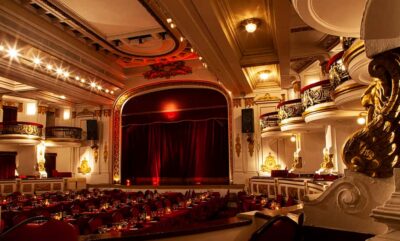
- At the Milonga: Wine, Live Music, and Watching Tango Up Close
- Mingle Time With Locals: Culture You Can Actually Ask About
- Who This Is Best For (And Who Might Want a Different Night)
- Price and Value: $330 for What You’re Actually Getting
- Small Details That Make the Night Smooth
- Should You Book This Underground Tango Night?
- FAQ
- How long is the Private Underground Tango Immersion?
- What time does it start in Buenos Aires?
- Is the tour private?
- What’s included with the tour besides the tango lesson?
- Are there age limits for the included alcohol?
- What languages does the guide speak?
Key Things to Know Before You Go
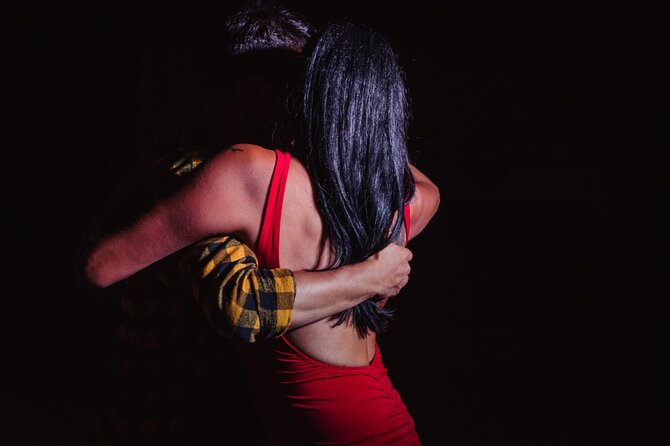
- You practice first, then you watch your lesson in real time at a milonga locals actually attend.
- The guides teach tango codes and improvisation mechanics, not just basic steps.
- Live music or a performance is likely, depending on the night you book.
- You get guided, close-up milonga access, including time at a table with wine.
- It’s private for your group, so the pace can stay comfortable, even for first-timers.
Want to actually dance? More tango lessons and milongas around Buenos Aires.
- Buenos Aires: Private Tango Lesson★ 4.9 · 244 reviews
- Tango Porteño Show with Optional Dinner and Tango Lesson★ 4.0 · 97 reviews
- Buenos Aires – Private Tango lesson★ 5.0 · 96 reviews
A 9:30 pm Start That Makes Tango Feel Like Nightlife
Buenos Aires tango has a rhythm, and this experience respects it. You begin at 9:30 pm, which means the milonga scene is in full swing when you arrive, not winding down after a daytime crowd. You’re also less likely to feel like you’re “early” and waiting through dead time—your first hour is learning, then you’re out the door heading to the social dance.
The meeting point is set in the Palermo/Barracas-ish-ish zone of the city (Honduras 3700, C1174), but the exact spot is confirmed after booking. It starts and ends at the meeting point, which is handy if you’d rather not figure out late-night transfers on your own.
Practical advice: eat beforehand, and if you’re sensitive to late nights, don’t plan a big next-day activity. Tango nights in Buenos Aires often run long in the mind, even if the plan says “about 3 hours.”
Private Tango Instruction: Ochos, Mechanics, and Social Confidence
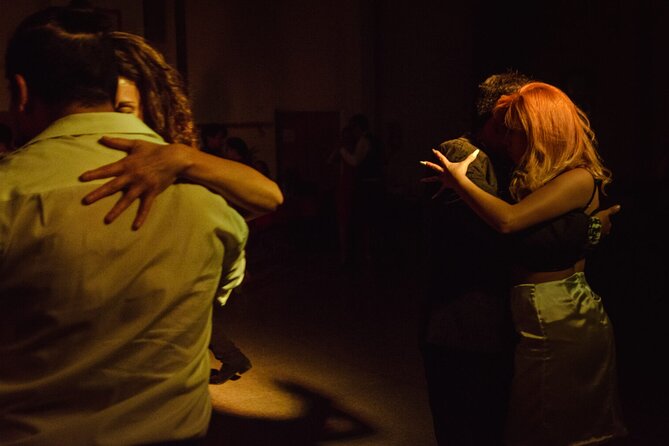
The first stop is a private introductory tango lesson. The goal isn’t to turn you into a show dancer in one night. It’s to give you the fundamental tools—mechanics and timing—so you can improvise more safely and comfortably in a social setting.
What I really like about this setup is that it treats tango like conversation. You learn the “how” of moving together (not just the “what” of a pattern). In the feedback from people who took the lesson, a recurring highlight is getting help with specific basics like the Ocho (the classic figure) and closing steps—then receiving advice that immediately changes how they move.
For first-timers, this is the difference between feeling lost and feeling like you’re participating. The guides also talk about tango codes and perspectives, which helps you understand how dancers signal intention on the floor. In other words, you’re not just learning steps; you’re learning how tango works as a social system.
Language support matters here too. With an English-speaking guide who’s also fluent in Spanish and Japanese, you’re not stuck guessing what’s being explained. That context helps you pay attention during the milonga, instead of only watching shapes.
The Tango Codes Lesson: What to Listen For on the Dance Floor
A big part of tango in Buenos Aires is subtle. People “read” the music, the pause, the approach, the connection, and the flow between partners. This is where the code-and-perspective talk pays off.
In your lesson, you’ll hear about tango’s codes—how to interpret what’s happening around you, and what different choices communicate. The milonga part then turns that theory into a real-life experience.
I find this valuable because it changes what you notice. Instead of judging dancers as they pass by, you start spotting patterns: how live music shapes movement, how couples adjust to each other, and how the room’s energy affects what people attempt.
This is also where beginner-friendly teaching shows up. The guides have a reputation for being patient and giving practical corrections, rather than pushing too fast. If you’re nervous about dancing, that patience matters more than fancy vocabulary.

Transportation to the Milonga: Why That Little Transfer Matters
You don’t just “go to a milonga.” You’re transported from the lesson to the venue. That sounds small, but it helps in two ways.
First, your attention stays on the evening. You finish practicing, then you’re guided straight into the next phase, instead of switching modes to logistics. Second, it reduces friction if you’re unfamiliar with Buenos Aires at night. The start time is late, and having a ride planned removes one more stressor.
The milonga itself is framed as a local place for tango nights—an underground-feeling option that you’d likely struggle to locate comfortably on your own. That matters because Buenos Aires tango has tourist-facing performances, and it also has the real social dance world. This experience is designed to get you as close to the real thing as possible.
At the Milonga: Wine, Live Music, and Watching Tango Up Close
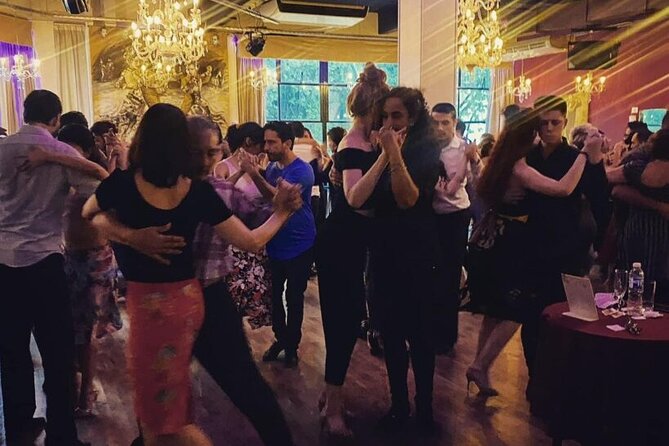
Once you arrive, you’re not stuck outside in a crowd. You’re seated at your table, with local wine included as part of the experience. That’s more than a perk. It creates a relaxed “arrive and absorb” moment before you try to dance—or if you choose to watch instead.
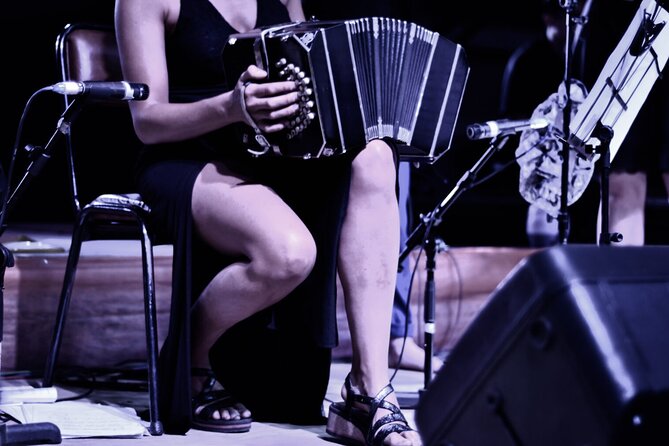
This is where you see tango as locals do it. Depending on the night, you may see a live orchestra and/or a dance show. Some nights include an actual performance element, and then you still get a chance to observe the ongoing social dancing afterward.
In the feedback, people loved that the setting felt intimate early and then moved into a venue where you could watch real dancers with live band energy. Another big point: your guide doesn’t just drop you at the door. They stay with you, explain what you’re seeing, and help you understand how the room works.
If you’re a “I need to see it before I can do it” type, the table time is ideal. If you’re more active, the night is also set up to help you “test” what you learned—especially if the floor isn’t too chaotic for beginners.
Mingle Time With Locals: Culture You Can Actually Ask About
A milonga is not just a dance floor. It’s a social room. This tour includes time for mingling and conversations, because your guides are positioned to help you understand what matters.
That cultural talk isn’t random either. It ties back to tango’s structure and etiquette—how dancers think, how they navigate the room, and what the music signals. You sip wine, watch, and then you can ask questions that would be hard to ask if you were showing up alone.
One of the consistent themes in the experience is that it feels like a night out with people who genuinely love tango—not like a scripted performance that happens to include you. Even the most beginner-safe moments tend to come from that tone: you’re treated as someone learning, not someone being evaluated.
Who This Is Best For (And Who Might Want a Different Night)
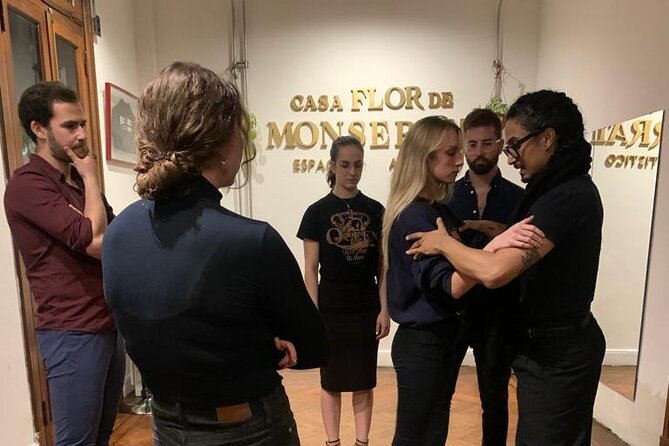
This experience is best for people who want tango beyond a show. If you’re curious about learning the basics and also want to watch the social scene up close, this fits perfectly. It also helps if you like guided context—music, codes, and etiquette explained while you’re there.
You don’t have to be a dancer. The instruction is set up for beginners, and the guides are known for adjusting to nervous first-timers and mixed skill groups.
Who might hesitate? If you want a purely spectator experience with minimal interaction, you might find the lesson part a bit active. Also, the schedule is late, and the scene includes live music that can be loud. If you need an earlier night, you’ll probably prefer a daytime lesson followed by an evening show.
Good to know: you’re almost certainly looking at a private group vibe. The experience is private, so it’s only your group, not a big mixed crowd.
Price and Value: $330 for What You’re Actually Getting
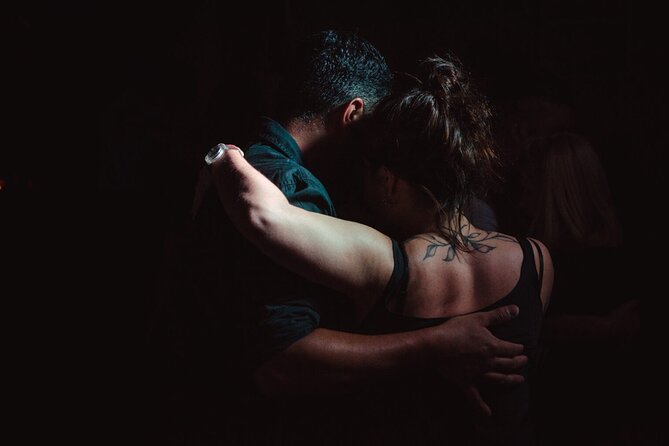
Let’s talk money without pretending this is “cheap.” At $330 per person for about 3 hours, you’re paying for three things that add up fast in Buenos Aires:
- Private instruction (not a group class).
- Transportation from the lesson to the milonga.
- Included alcohol (wine) during the experience.
On nights with live orchestra and/or performances, you’re also getting access to a venue experience that would cost more if you booked it separately and then paid for instruction on top.
Is it a bargain? Not really. Is it fair value if you want a guided tango night where you learn first and watch next? Yes, especially because the guidance appears to be part of the product. People consistently describe it as feeling like being invited into the tango world with hosts who know the scene, not a distant “tour guide with a microphone.”
Also, it’s typically booked about 15 days in advance on average, so if you’re going soon, don’t wait too long to reserve.
Small Details That Make the Night Smooth
A few practical points can make the difference between a fun tango night and a stressful one:
- Wear shoes that won’t punish you on a crowded floor. The data doesn’t specify shoe requirements, but tango milongas are all about footwork and balance.
- Arrive ready to listen. A lot of the instruction and milonga explanation is about interpreting music and movement.
- Plan for tips. Tips aren’t included, and you’ll likely appreciate the service since it’s private and guided.
- Alcohol is 18+. Wine and other alcoholic beverages are included, but the alcohol rule is strict.
And yes—if it’s your birthday or special date, this kind of guided night is exactly the sort of moment where hosts may add personal touches. You may see surprises like cake and birthday singing on certain nights.
Should You Book This Underground Tango Night?
Book it if you want hands-on tango plus real milonga atmosphere in one guided evening. This is ideal for first-timers who want to learn the Ocho and basic close-game mechanics, then see how tango works when locals actually dance. It’s also a great option if you’ve already seen tango shows and you want something more social and less staged.
Skip it if you need an early start, dislike late-night outings, or only want to watch from a distance. Also consider alternatives if you prefer a larger group class with less personal correction.
Given the high satisfaction (a 4.8 rating with 97% recommending it), this is the kind of experience that tends to convert tango skeptics into repeat students—mainly because it connects instruction to the live room where tango lives.
FAQ
How long is the Private Underground Tango Immersion?
The experience lasts about 3 hours.
What time does it start in Buenos Aires?
It starts at 9:30 pm.
Is the tour private?
Yes. It’s private, and only your group participates.
What’s included with the tour besides the tango lesson?
You get transportation from the lesson to the milonga, and alcoholic beverages (Argentinian wine). All fees and taxes are included.
Are there age limits for the included alcohol?
Yes. Alcoholic beverages are only allowed for guests 18 years old and above.
What languages does the guide speak?
The guide is fluent in English, and also speaks Spanish and Japanese.
Ready to Dance? Keep Going


Just added to our Buenos Aires notebook
- Guided tour Boca Juniors Museum & Stadium + Caminito
★ 3.3 · 3 reviews - Bike Tour: Buenos Aires to the North
★ 4.0 · 3 reviews - From Colonialism to Eclecticism, Buenos Aires arquitectonica
★ 5.0 · 3 reviews - Enjoy a Rural Experience in a Vineyard near Buenos Aires
★ 4.7 · 3 reviews - Café de los Angelitos – Traditional Night in Buenos Aires
★ 4.8 · 3 reviews - Buenos Aires: Rojo Tango Show with Optional Dinner
★ 3.4 · 3 reviews
Tango Lessons & Milongas, compared.
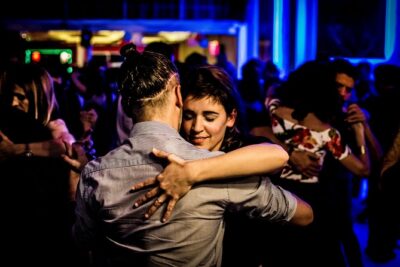 ★ 4.9Private Tango LessonFrom $39244 reviews
 ★ 4.0Tango Porteño Show with Optional Dinner and Tango LessonFrom $3597 reviews
★ 5.0Buenos Aires – Private Tango lessonFrom $3996 reviews
★ 4.0Tango Porteño Show with Optional Dinner and Tango LessonFrom $3597 reviews
★ 5.0Buenos Aires – Private Tango lessonFrom $3996 reviews
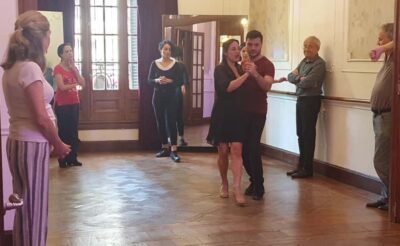 ★ 4.4Group tango class with mate and snacksFrom $2544 reviews
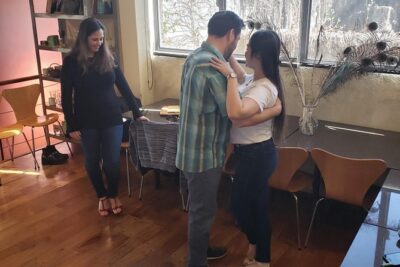 ★ 5.0Private Argentine Cooking Class and Tango Lesson in Buenos AiresFrom $18237 reviews
 ★ 3.7Madero Tango: Executive Only Tango & Folklore ShowFrom $3918 reviews
 ★ 5.0Intimate Tango ExperienceFrom $6211 reviews
 ★ 4.9Live Michelangelo Tango & Folklore Show TicketFrom $954 reviews
Browse the lists this tour appears in