
Reviewed · FOOTBALL MATCHES & STADIUM TOURS
Boca tour: Tango, Soccer, Art and Immigration
If you love football and music, this hits both. In La Boca you’ll connect tango and soccer to Italian immigration, then finish at La Bombonera. I also liked the clear, interactive guidance from Juliette, and the fact that the pace is set up for a small group and you feel safe walking around. One thing to consider: you’ll do a fair amount of walking in about 150 minutes, so comfortable shoes are non-negotiable.
La Boca is one of those Buenos Aires neighborhoods where the story shows up on the street. You start with a bus ride in, then get the lay of the land at the old port, through the conventillo-style housing, and into Caminito’s color-soaked pedestrian lanes. The tour focuses on culture, not just photos, and it’s designed so you’re not stuck guessing what you’re looking at.
In This Review
- Key moments you’ll actually care about
- La Boca in 150 minutes: what this tour does best
- Meeting point and getting to La Boca without the headache
- The old port start: how the day sets its context
- Conventillos: the immigration angle made human
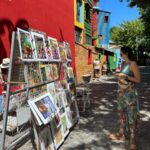
- Caminito: colorful street energy with a story attached
- Plaza República de la Boca and the feel of the neighborhood
- La Bombonera: matchday atmosphere, even without a match
- Ending at the port: good timing for food and a next step
- Price and value: $50 makes sense if you use the guided time
- What you should bring (so the day stays easy)
- Who this tour is best for
- Who should skip it
- A quick reality check on safety and guide quality
- Should you book Boca tour: Tango, Soccer, Art and Immigration?
- FAQ
- How long is the tour?
- How much does it cost?
- When and where do we meet?
- Is the public bus ticket included?
- Are meals included?
- Do I need to pay for La Bombonera?
- Does the tour help avoid long lines at the stadium?
- What languages is the guide available in?
- What should I bring?
- Is smoking allowed?
Key moments you’ll actually care about
- Juliette’s explanations that make tango and soccer feel connected to the neighborhood, not like random trivia
- Old port to Caminito route that shows how the area evolved, step by step
- Conventillos viewing (immigrant housing) that gives context to the mix of cultures
- Caminito murals and street art where your camera will get plenty of work
- La Bombonera atmosphere at Boca Juniors’ famous stadium
- Finish near the port with lots of food options nearby if you want to keep the day going
For the terraces and trophy rooms, more match days in Buenos Aires.
- Buenos Aires: Tickets to Boca Juniors Museum & Stadium★ 4.5 · 581 reviews
- Soccer Match in Buenos Aires with Transfers and Local Guide★ 5.0 · 103 reviews
- Buenos Aires: Boca Juniors and River Plate Football Tour★ 4.3 · 82 reviews
La Boca in 150 minutes: what this tour does best
This is a tight, well-paced walk through La Boca with enough stops to give you meaning, not just scenery. The tour is built around four themes that matter to the area: the neighborhood’s identity, immigration history, street art, and the football-and-tango link people associate with Buenos Aires.
You’ll spend roughly two hours walking with a local guide, plus travel time from the meeting point. At $50 per person, the value comes from two things: you’re paying for guided time through multiple key areas, and the tour includes a stop at Caminito plus entry to the broader La Boca highlights. What you should plan for is what’s not included: the public bus ticket to get you there, and stadium entrance fees.
If your goal is to understand La Boca while still getting the classic sights, this tour fits. If you’re hoping for a long sit-down museum-style experience, you may want a different format.
Meeting point and getting to La Boca without the headache
You’ll meet every Tuesday and Friday at 11:00 am at Venezuela 649, at Viajero Hostel. It’s an easy starting point because it’s a specific address, and the tour is scheduled on set days (not a random pick-up window).
From there, you’ll take a public bus to La Boca. Important practical detail: the bus ticket is not included in the price. That’s normal for this type of guided walk, but it’s worth budgeting a little extra so you don’t get stuck figuring it out at the last second.
Why I like this setup: you spend your mental energy enjoying the walk instead of figuring out transit mid-trip. And since it’s a limited group tour, it tends to feel organized rather than chaotic.
The old port start: how the day sets its context
The tour kicks off around the old port area. This matters more than it sounds. La Boca’s story is strongly tied to what happens around the port—where people arrive, where communities form, and where local culture develops.
You’ll begin by getting the layout of the area and finding the main points you’ll later revisit visually. Then the guide helps you connect that geography to the bigger themes: immigration and how La Boca’s mixed identity fed cultural expressions like tango and soccer.
Practical tip: if you’re bringing a camera, this is a good time to grab establishing shots before you get deeper into the narrow streets. Once you’re in the pedestrian sections, you’ll spend more time looking up at murals and street art.
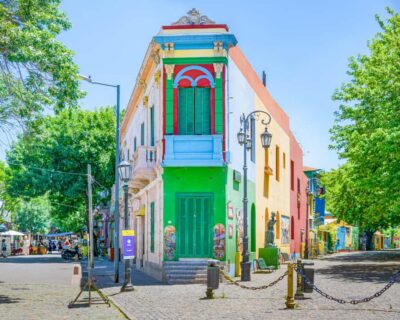
Down by the Caminito, more of La Boca we have wandered across Buenos Aires.

Conventillos: the immigration angle made human
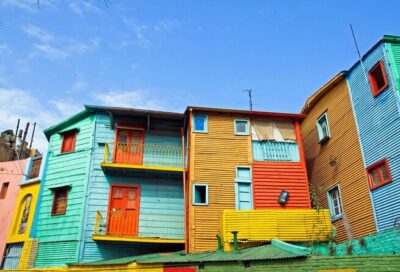
One of the best stops on this route is the conventillo visit. Conventillos are described here as the housing immigrants stayed in, and seeing this type of place gives you a grounded reason why La Boca’s culture didn’t stay one-note. It became a blend.
You don’t just hear a history lecture. You walk through the neighborhood and learn how the cultural mix connects to what the area later becomes known for, including tango and the football culture people associate with the neighborhood.
This is also where the guide’s approach helps. In the feedback I’m relying on, Juliette is praised for clear, interactive explanations and for making the whole experience feel fun, not like a dry walk. That’s exactly what you want when the subject includes migration and cultural roots. You’re not just seeing a site; you’re understanding why it exists.
Caminito: colorful street energy with a story attached
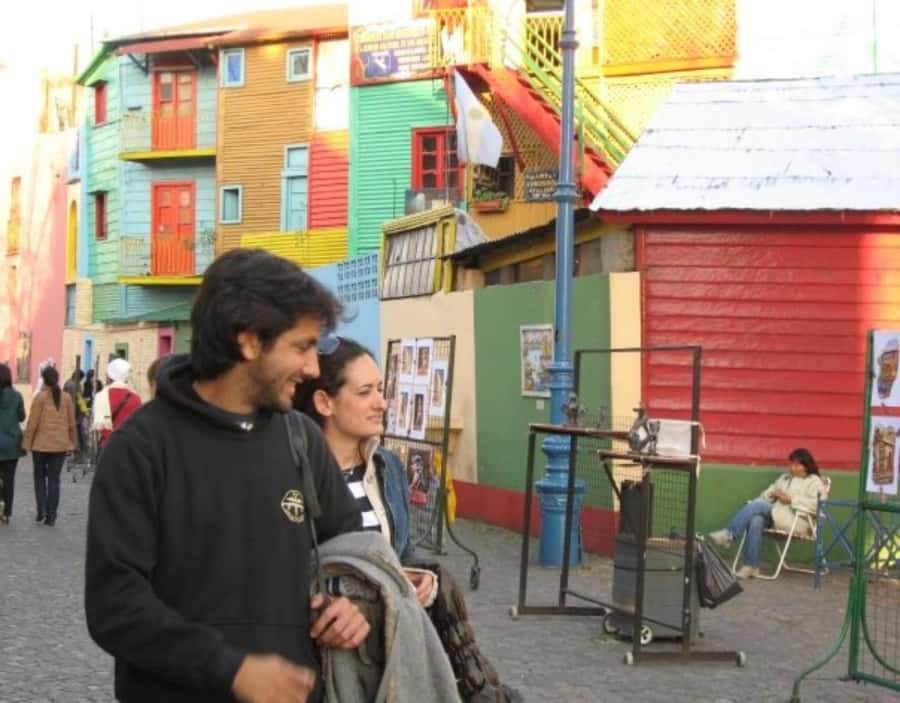
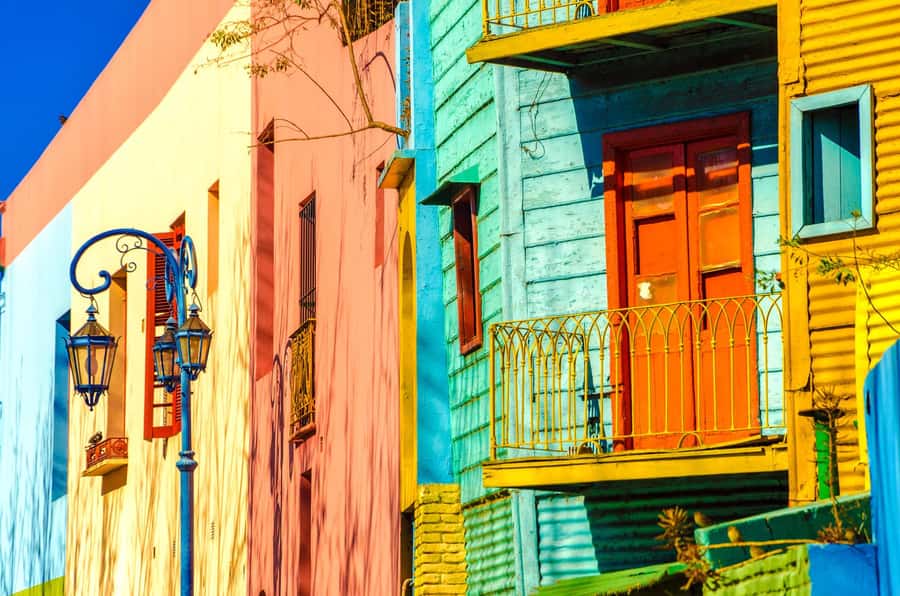
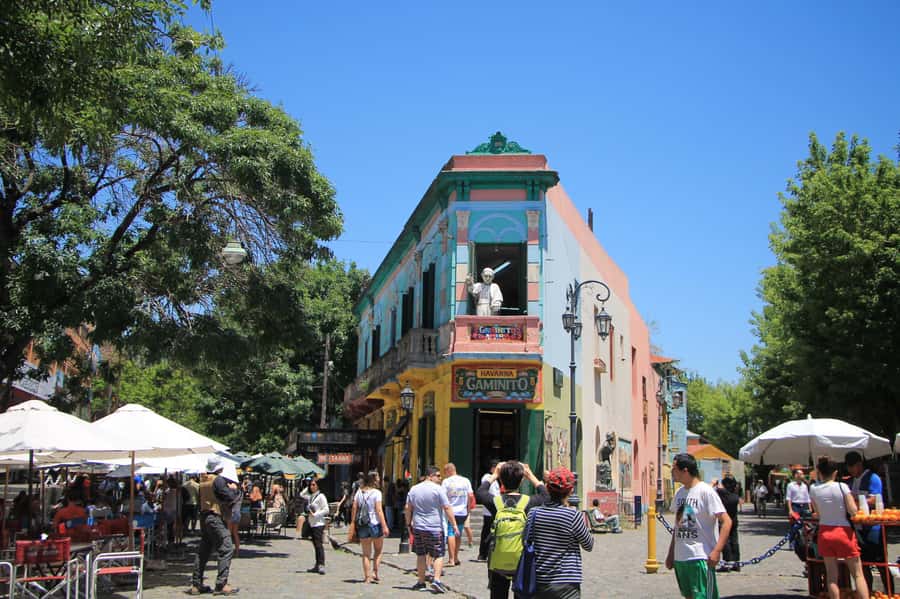
Next you’ll reach Caminito—the famous colorful pedestrian street. This is the moment many people come for, and you’ll get time to walk it rather than just point-and-shoot.
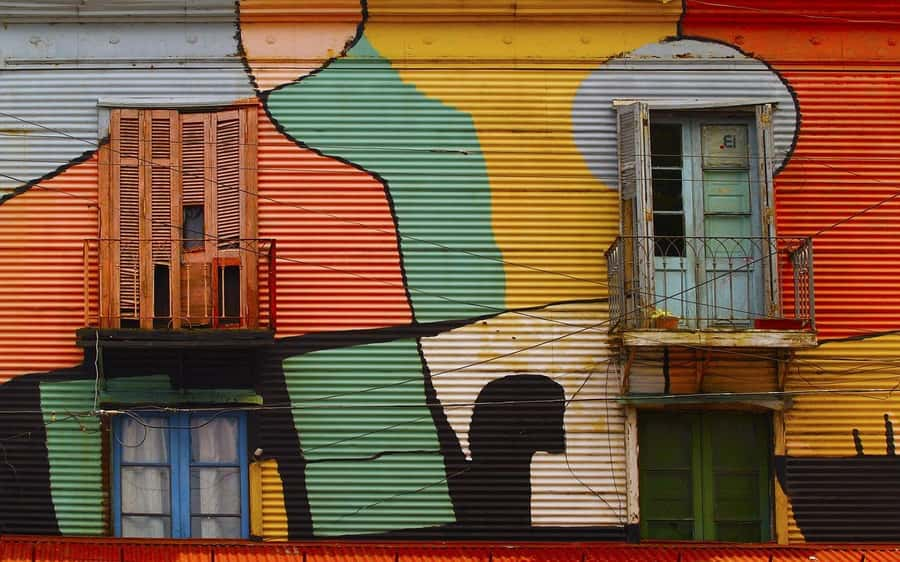
You’ll enter around the Caminito area, then spend time admiring the murals and lively street atmosphere. There’s also an emphasis on the visual language of the neighborhood: football graffiti and street art show up in the route, reinforcing that this isn’t only about music or only about history. It’s all tied together in La Boca’s public artwork.
A balanced note: Caminito is famous for a reason, so expect it to be a photo-friendly environment. If you hate crowds, plan for that and focus on details—textures in murals, small scenes in the paint, and the way the buildings themselves seem to participate in the art.
Plaza República de la Boca and the feel of the neighborhood
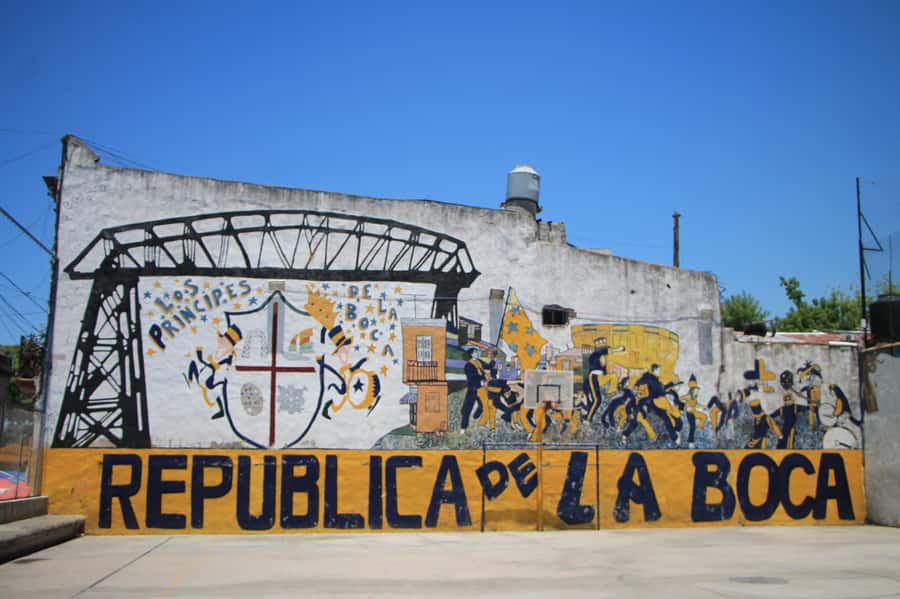
You’ll also pass through the Plaza República de la Boca area during the tour. Even without lingering for a long break, this functions like a breathing space. It helps you reset your senses after the tight corridors and colorful street walls.
This stop is useful because it gives you a sense of where people gather and how the neighborhood rhythm works. Since the guide is also covering the origins of tango and soccer, you get to connect the cultural talk with places where daily life happens.
La Bombonera: matchday atmosphere, even without a match
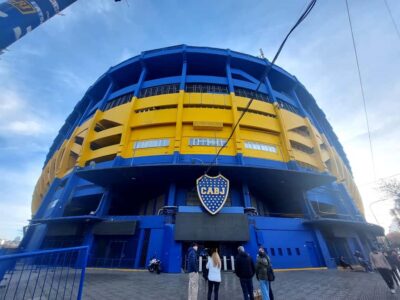
The highlight for many people is the stadium visit: Boca Juniors’ home, known as La Bombonera. The experience here is about atmosphere and football culture. You’re visiting a legendary venue that’s famous for historic matches and for the feeling inside a Boca crowd.
Even if you aren’t a die-hard football fan, I think it’s worth it. Stadiums like this are a cultural landmark. The point is less about collecting trivia and more about understanding why people treat this place like more than a building.
A key practical detail: entrance fees to La Bombonera are not included. The tour does mention a skip-the-line approach through a separate entrance, which can save time. Still, you should expect to pay the stadium entrance on your own.
Ending at the port: good timing for food and a next step
The tour finishes next to the port, in front of a street with varied gastronomic proposals. That’s a smart finish point because it gives you options immediately after the walking part ends.
If you want to stretch the day, you can grab something nearby without restarting your plans. And since there are no meals included in the tour, this ending matters: you’ll be able to choose what you feel like eating based on your tastes and budget.
Price and value: $50 makes sense if you use the guided time
At $50 per person for about 150 minutes, the price is fair for a structured, multi-stop neighborhood walk with a local guide for a limited group. The value is strongest if you want context—tango’s origins, immigration history, and why Boca’s football culture feels so tied to its identity.
What you’re not paying for (and should plan for):
- Meals and drinks (not included)
- Boca Juniors stadium entrance fees (not included)
- Public bus ticket (not included)
So the total cost in real life can be a bit higher once you add transit and the stadium ticket. But the way this tour is organized helps you get the guided benefit where it matters: at the old port, through the conventillo stop, along Caminito, and at La Bombonera.
For me, the “value test” is simple: if you’d otherwise try to navigate these stops on your own, you’d spend time figuring out what you’re looking at. Paying for the guide helps you move faster and understand more while you’re walking.
What you should bring (so the day stays easy)
This tour is very practical about what you need:
- Comfortable shoes (you’ll walk a lot)
- Camera (Caminito and the street art are big photo moments)
- Water (keep hydrated)
If you forget water, you’ll feel it. The route is outdoors and you’ll be on your feet. And if your shoes aren’t comfortable, La Boca can punish you fast because the walking is nonstop between highlights.
Who this tour is best for
This experience works especially well if you want:
- A focused La Boca introduction that connects tango and soccer to local roots
- A guided route through old-port areas, Caminito, and football culture
- A small-group feel with English, Spanish, or Portuguese guide support
It’s also a strong pick for photography lovers because the route naturally creates visual variety: murals, street art, color-dense streets, and stadium scale.
Who should skip it
This tour is not suitable for wheelchair users, and it’s not suitable for people over 95 years. It’s also a walking-heavy day, so anyone who struggles with extended walking should think twice.
A quick reality check on safety and guide quality
From the feedback you shared, there’s a clear theme: the guide made the experience feel safe, and Juliette is specifically praised for knowing the material and keeping it engaging. That matters in a neighborhood like La Boca, where streets can feel like they’re moving fast.
I’d still treat this like any city walk: stay aware, keep your belongings secure, and follow the guide’s lead on where to stand and how to move through each section. But if you’re looking for guidance that reduces stress, this tour seems to deliver.
Should you book Boca tour: Tango, Soccer, Art and Immigration?
Yes, if your ideal Buenos Aires day mixes culture with places you can feel. This one has a strong through-line: immigration context leads into street art and community identity, which then pairs with tango and soccer. The Caminito stop gives you the classic visuals, and La Bombonera adds the football heartbeat.
Book with extra care if you:
- Hate long walking stretches
- Don’t want to pay separate stadium entrance fees
- Need full accessibility support (this one isn’t for wheelchairs)
If you’re flexible about transit costs and you want a guided, small-group La Boca overview that makes the neighborhood’s symbols mean something, this is a solid pick.
FAQ
How long is the tour?
The duration is 150 minutes.
How much does it cost?
The price is $50 per person.
When and where do we meet?
You meet every Tuesday and Friday at 11:00 am at Venezuela 649, Viajero Hostel.
Is the public bus ticket included?
No. The tour includes the bus ride, but the public bus ticket is not included.
Are meals included?
No. Meals and drinks are not included.
Do I need to pay for La Bombonera?
Yes. Boca Juniors stadium entrance fees are not included.
Does the tour help avoid long lines at the stadium?
Yes. It includes skip-the-line access through a separate entrance.
What languages is the guide available in?
The live tour guide is available in English, Spanish, and Portuguese.
What should I bring?
Bring comfortable shoes, a camera, and water.
Is smoking allowed?
No. Smoking is not allowed.
La Boca, a Few More Corners



More Match Days in Buenos Aires




Just added to our Buenos Aires notebook
- Guided tour Boca Juniors Museum & Stadium + Caminito
★ 3.3 · 3 reviews - Bike Tour: Buenos Aires to the North
★ 4.0 · 3 reviews - From Colonialism to Eclecticism, Buenos Aires arquitectonica
★ 5.0 · 3 reviews - Enjoy a Rural Experience in a Vineyard near Buenos Aires
★ 4.7 · 3 reviews - Café de los Angelitos – Traditional Night in Buenos Aires
★ 4.8 · 3 reviews - Buenos Aires: Rojo Tango Show with Optional Dinner
★ 3.4 · 3 reviews
Football Matches & Stadium Tours, compared.
 ★ 4.5Tickets to Boca Juniors Museum & StadiumFrom $38581 reviews
 ★ 5.0Soccer Match in Buenos Aires with Transfers and Local GuideFrom $172103 reviews
 ★ 4.3Boca Juniors and River Plate Football TourFrom $8982 reviews
 ★ 4.8Tickets to Soccer MatchesFrom $16258 reviews
 ★ 5.0La Boca, a collective creation: Port, immigrants, arts and footballFrom $6558 reviews
 ★ 4.3Hop-On Hop-Off Bus and Football MuseumsFrom $10539 reviews
 ★ 4.5River Plate Monumental Stadium and Museum Guided TourFrom $8239 reviews
 ★ 4.5Boca Juniors Game at La Bombonera with Local & TransportFrom $52733 reviews
Browse the lists this tour appears in