
Reviewed · LA BOCA & CAMINITO
Buenos Aires: La Boca Art and History Walking Tour
La Boca hits different when art and working-class history walk side by side. This tour threads together Benito Quinquela Martín’s influence, the story of the Riachuelo art movement, and Buenos Aires football culture—on foot, in real neighborhood streets.
I especially liked the way the tour balances big themes with street-level moments. Two highlights for me are the visit to the Benito Quinquela Martín Museum and the La Bombonera photo stop, which gives you a fast hit of why people care so much about the sport here.
One thing to consider: it’s a focused walk, not a sit-down show. If you’re looking for lots of free time to wander alone, you might feel the pace is a bit structured.
In This Review
- Key points you should know before you go
- Entering La Boca Through Art and Street-Level History
- Meeting at the Benito Quinquela Statue and Getting Your Bearings
- Working-Class Roots, Immigration, and the Riachuelo Art Story
- La Bombonera Photo Stop: Football Passion in the Real World
- Museo Conventillo El Rincon de Lucia: Life Beyond the Color
- Benito Quinquela Martín Museum: Why His Art Became a Public Story
- Tastings and Tango Motion: Small Moments That Add Flavor
- Price, Duration, and Value: Is It Worth $46?
- Timing and Small Logistics You Should Plan For
- Accessibility: Getting Around Without Stress
- Who Should Book This La Boca Art and History Walk
- Should You Book Buenos Aires La Boca Art and History?
- FAQ
- How long is the Buenos Aires La Boca Art and History walking tour?
- Where do I meet the guide?
- What’s included in the price?
- Is the tour accessible for wheelchair users?
- What languages is the tour offered in?
- Is there a minimum booking time before the tour?
Key points you should know before you go
- Benito Quinquela Martín’s impact is the backbone of the tour, not a side topic
- Riachuelo Art movement + immigration roots connect the neighborhood’s look to its past
- La Bombonera gets a dedicated photo stop for football fans and curious first-timers
- Museo Conventillo El Rincón de Lucía adds a grounded look at everyday life
- Tastings (two included) often make the story feel more personal, not just academic
- Your guide matters: names like Facundo, Laura, Dani, Rafa, Juan, and Francisco come up often for clear, friendly storytelling
Down by the Caminito, more of La Boca we have wandered across Buenos Aires.
- Buenos Aires: Navigation from Pto. Madero to La Boca★ 4.1 · 147 reviews
- Buenos Aires Bike Tour: San Telmo and La Boca Districts★ 4.5 · 74 reviews
- La Boca, a collective creation: Port, immigrants, arts and football★ 5.0 · 58 reviews
Entering La Boca Through Art and Street-Level History
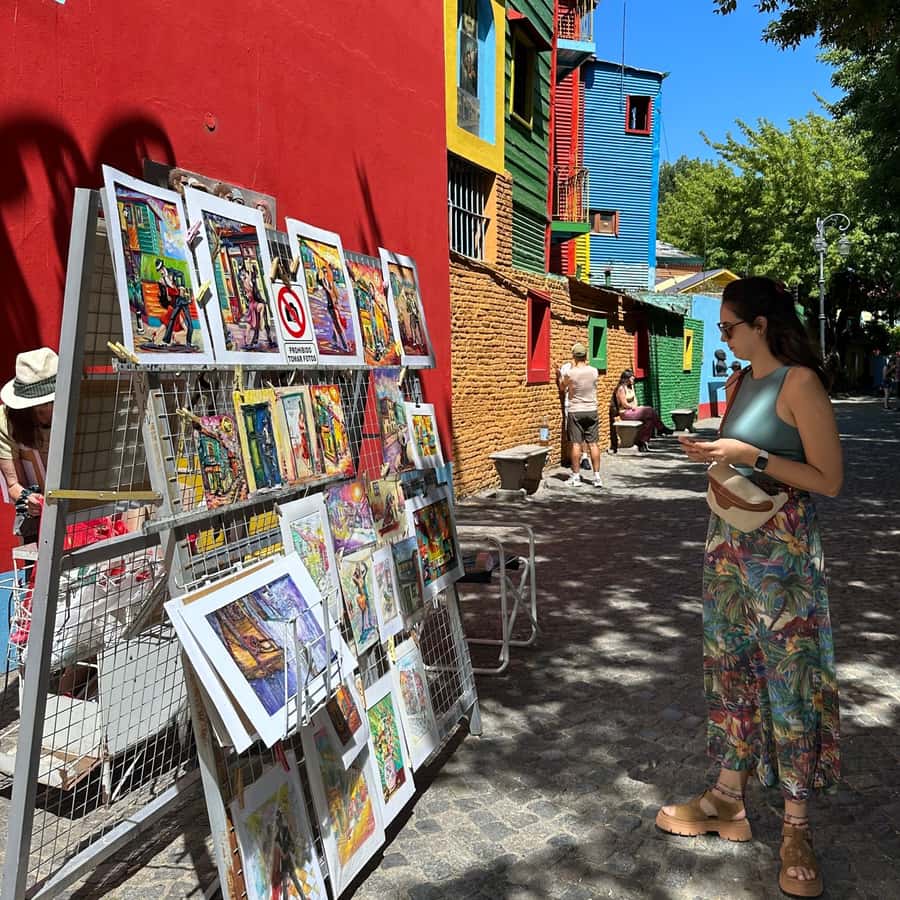
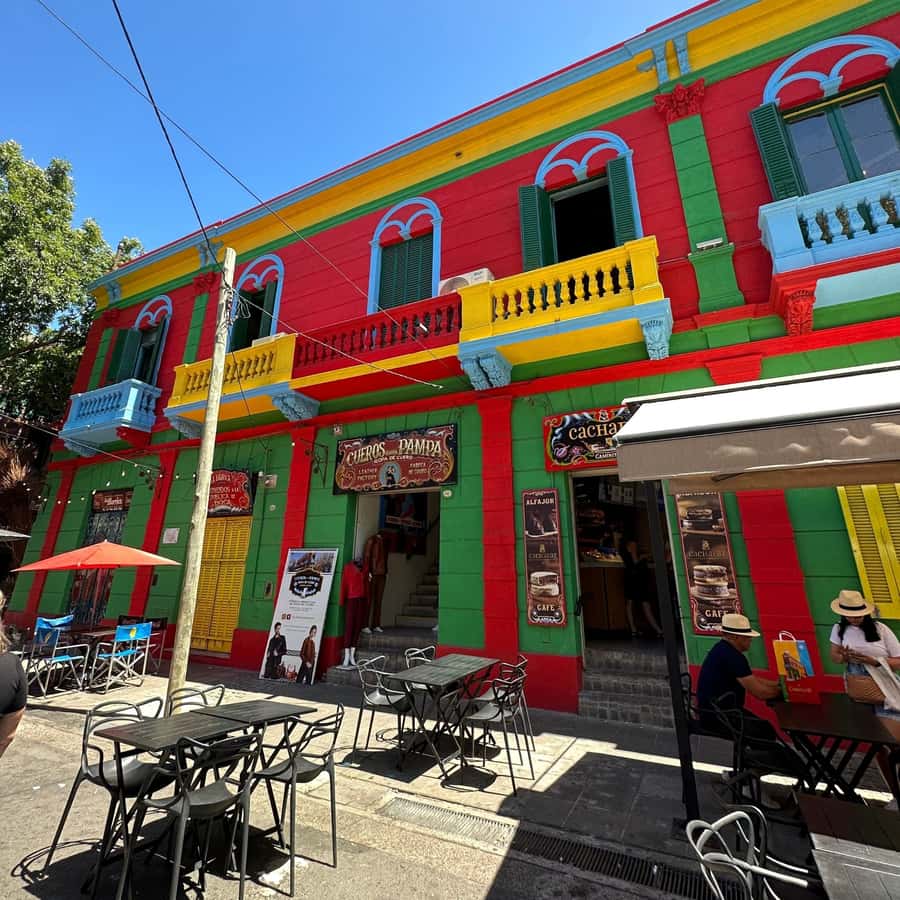
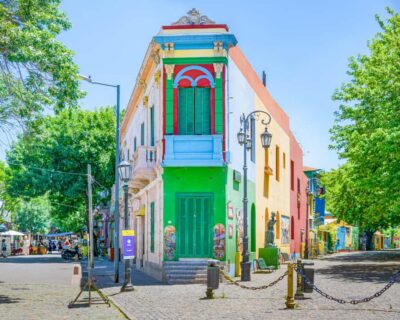
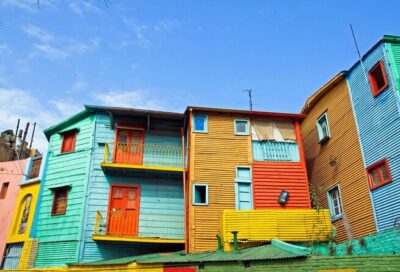
La Boca can look like a postcard at first glance: colorful houses, music in the air, and the kind of street energy that makes you stop for photos. But this tour works better if you treat those colors as clues. You’re not just walking through a pretty area—you’re getting the neighborhood’s context, so the scenes start to make sense.
The tour’s core idea is simple: people came here, worked hard, and expressed themselves through art. That’s where Quinquela Martín comes in. His influence isn’t presented as a museum-only thing. It shows up as a lens for the whole neighborhood, especially the working-class story tied to the Riachuelo.
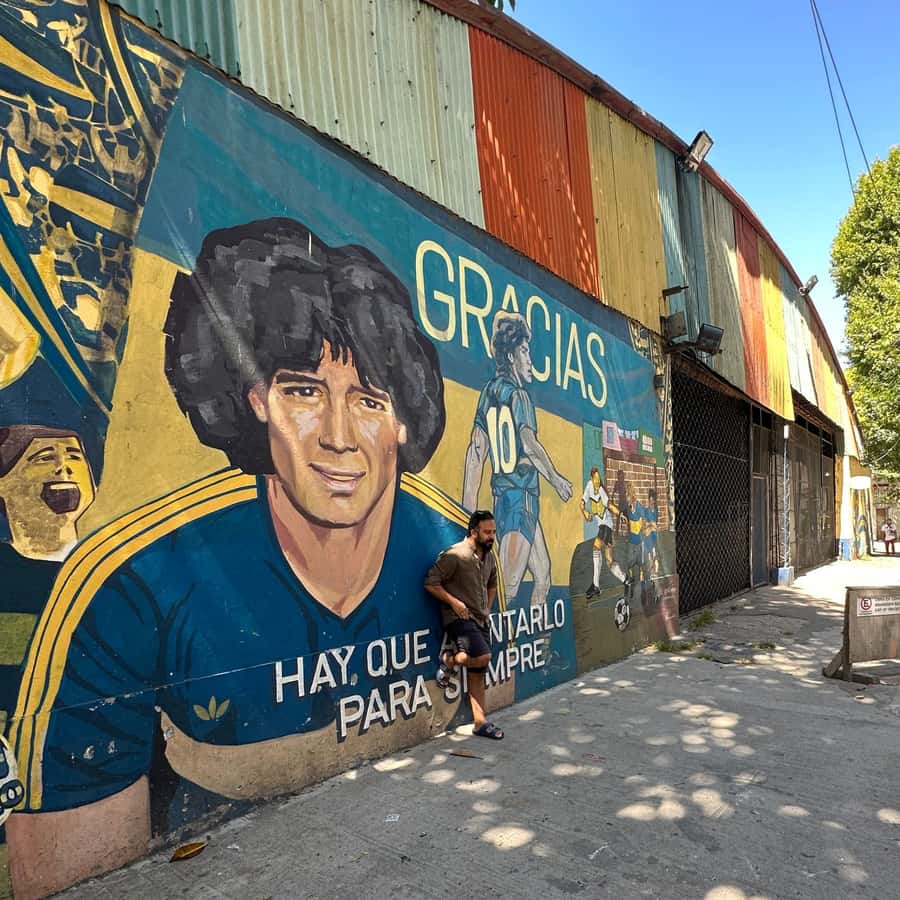
And then there’s football. In Buenos Aires, football isn’t a hobby for many people—it’s identity. You’ll get a glimpse of that passion in a way that feels local and understandable, even if you’re not a die-hard fan.
Meeting at the Benito Quinquela Statue and Getting Your Bearings
You meet your guide at the Benito Quinquela Statue, and you’ll finish near Av. Don Pedro de Mendoza 1835. The main thing I’d plan for is that this is a walk-first experience. You’ll be on your feet for about 150 minutes, moving through the neighborhood as the story builds.
Languages are a big plus here. The guide can work in Spanish, English, or Portuguese, so you can pick a comfortable option without losing key details. In the comments I’ve seen from past groups, a recurring theme is that guides like Facundo, Laura, Dani, Rafa, and Juan tend to be warm and easy to talk with. Even if you’re traveling solo, you’re not left standing around guessing what to look at next.
Practical note: bring a passport or ID card. It’s required for the tour.
Working-Class Roots, Immigration, and the Riachuelo Art Story
La Boca’s history can sound broad if you hear it in passing. This tour makes it concrete. You’ll walk through the neighborhood while your guide connects immigration and working-class life to what you see on the street.
A big theme is the Riachuelo Art movement. The tour frames it as more than art history trivia. It’s presented as a way people shaped identity during hard times. That matters because La Boca’s visuals—especially the bold colors and strong imagery—are easier to appreciate when you know what they were responding to.
This is also where I think the tour earns its 2.5-hour length. You’re not just hopping from one photo spot to another. You’re building a timeline in your head while you walk, so the neighborhood stops feeling like a set of random landmarks.
More of Buenos Aires covered on foot.
La Bombonera Photo Stop: Football Passion in the Real World
Then you hit the football centerpiece: La Bombonera. You get a photo stop and sightseeing time here, and it’s a smart move. It gives first-timers an instant “oh, that’s why people react like this” moment.
Even if you only know a little about Argentine football, you’ll catch the vibe quickly. This tour doesn’t expect you to memorize statistics. Instead, it explains what football means socially, in a place where people carry team pride through daily life.
If you’re a fan, bring realistic expectations: it’s not an all-access stadium experience here. It’s a focused stop to see the stadium from the outside and learn what makes it important to locals.
Museo Conventillo El Rincon de Lucia: Life Beyond the Color
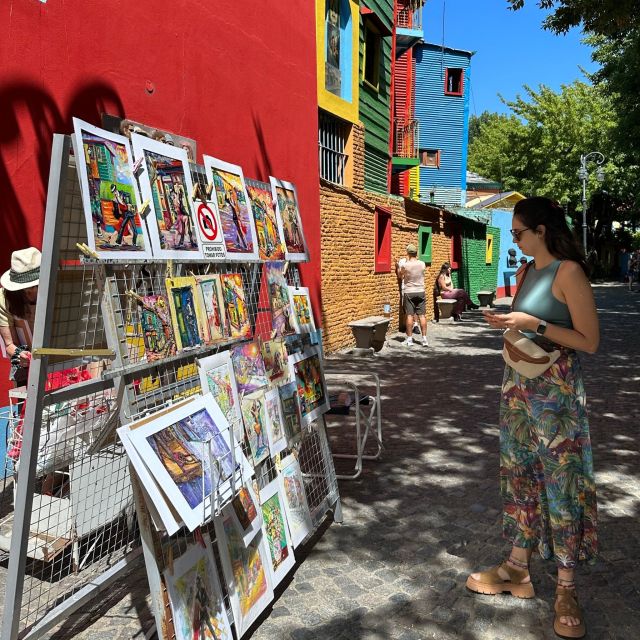
Next comes Museo Conventillo El Rincon de Lucia, with a guided visit. A conventillo is the kind of housing that tells a truth guidebooks often skip: how people actually lived, shared space, and built community under pressure.
This stop helps ground the tour. After you’ve talked about immigration and art, you get a tangible setting for everyday life. The neighborhood isn’t only painted and celebrated. It was lived. The museum visit turns the story from mood into specifics.
A practical tip: inside museums, your photos may be more limited than outside. If photography is important to you, keep it quick and follow any on-site rules the guide mentions.
Benito Quinquela Martín Museum: Why His Art Became a Public Story
The tour ends with a key cultural moment: the Benito Quinquela Martín Museum. This is where Quinquela isn’t just name-dropped. You get the chance to see why his work mattered so much to La Boca.
In the way the tour frames it, Quinquela Martín is not portrayed as distant. He’s tied to the neighborhood’s identity, and you’ll also hear about his role as an artist and philanthropist. That combination—art plus action—helps explain why his name feels woven into local pride rather than tucked away in a textbook.
This stop also connects back to the early theme: art as a social voice. If you came hoping to see La Boca’s famous colors, this is where you learn what those colors are doing emotionally and historically.
Tastings and Tango Motion: Small Moments That Add Flavor
The tour includes options that make the experience less purely visual. Your ticket includes two of these three:
- Benito Quinquela Museum entry fee
- Free wine tasting
- Dulce de Leche tasting
What I like about this setup is that it gives you a taste of Argentine culture without forcing you into a long restaurant stop. It’s also a good way to reset your energy mid-walk.
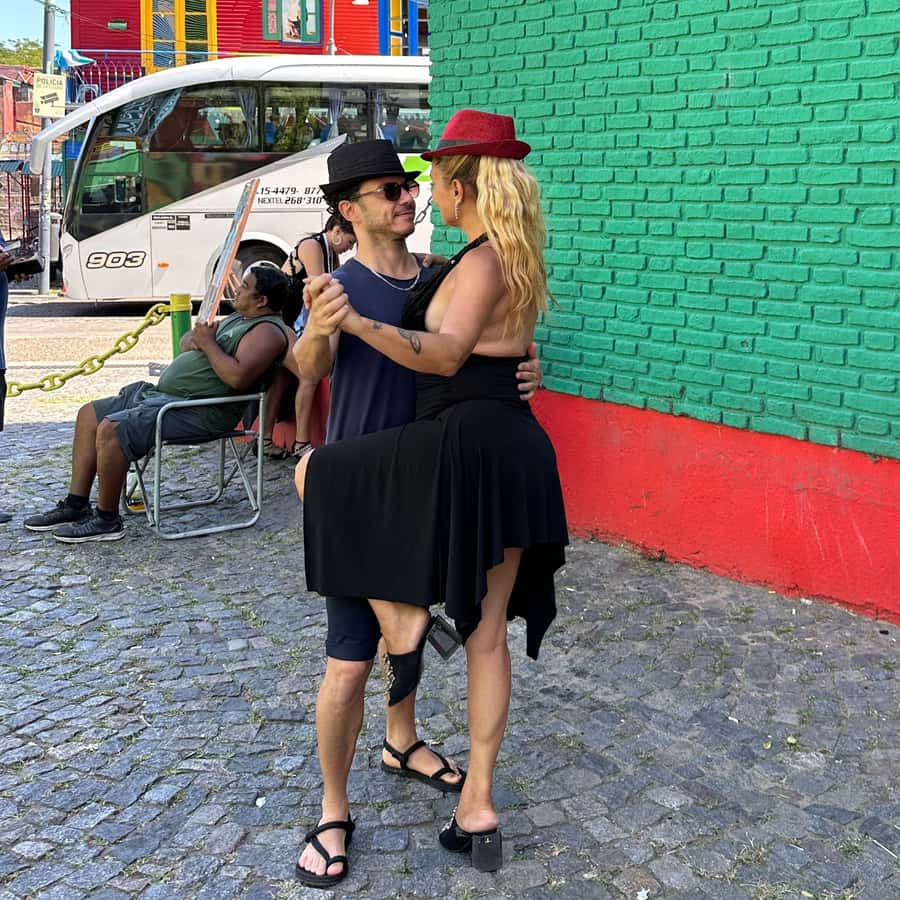
There’s also a tango element: you’ll get a chance to feel the tango dance motion. Even if you’re not learning steps formally, that physical reminder matters. Tango in Buenos Aires isn’t just a performance style—it’s part of how people move through emotion and memory. Getting that little body-language cue makes the art-and-history story stick better.
Price, Duration, and Value: Is It Worth $46?
At $46 per person for about 150 minutes, this tour sits in a sweet spot for a neighborhood-focused experience. You’re paying for three things that usually cost separately on your own:
- a guided walk with context (so you don’t spend your time guessing),
- museum time (when included via the option you select),
- and added experiences like tastings.
Where the value really shows is in the structure. This is not just a “look at houses” walk. You’re also getting museum stops and a football landmark. If you’re the type of traveler who wants to understand what you’re seeing while you’re seeing it, this price feels fair.
One more reason it’s good value: you have flexibility in how the tour experience is topped up with tastings or museum entry (two included). That can help you match the tour to your personal tastes.
Timing and Small Logistics You Should Plan For
This tour runs on a schedule and requires you to book with at least 24 hours in advance. If you’re a solo traveler, you’ll want to confirm availability directly with Baires Experience before or after booking, since the tour may depend on matching demand.
If you’re working around limited time in Buenos Aires, plan for a compact day. This is long enough to be meaningful, but it’s still short enough to pair with other nearby activities after.
Weather can also matter in Buenos Aires. La Boca is a walking neighborhood, so bring sun protection or a light layer if the day feels changeable.
Accessibility: Getting Around Without Stress
The tour is listed as wheelchair accessible. That’s a major practical plus for anyone who needs more support getting around on uneven neighborhood streets.
If you need specific accommodations beyond that general accessibility note, you’ll do best by contacting the provider in advance. That way you can confirm the exact route and any constraints before you arrive.
Who Should Book This La Boca Art and History Walk
I’d point this tour toward you if:
- you want La Boca with context, not only photos,
- you’re curious about immigration, art, and football as connected parts of identity,
- you like museum time but still want it wrapped in neighborhood walking.
I might steer you to something else if:
- you only want a short look at the iconic streets and would rather spend the rest of your time totally free,
- you’re expecting a deep, academic lecture style. This is storytelling + walk + stops, not a long classroom.
Also, if you care about the guide experience, take note. The names that pop up—Rafa, Laura, Dani, Francisco, Loli, Ludmila, Frani, Facundo, Juan, and Elliott’s guide Danielle—are repeatedly tied to friendliness and clear communication. That’s a big quality signal when you’re investing your time.
Should You Book Buenos Aires La Boca Art and History?
Yes, if you want La Boca to make sense fast. Booking this gives you a guided path through the neighborhood’s big themes: Benito Quinquela Martín, the Riachuelo art story, immigration roots, and the football heartbeat.
Before you book, do two quick checks with yourself:
- Do you want a guided walk where museums and a stadium landmark are part of the plan?
- Are you okay with a 2.5-hour walking pace?
If both answers are yes, this tour is a strong use of time. It doesn’t just show La Boca. It teaches you how to read it.
FAQ
How long is the Buenos Aires La Boca Art and History walking tour?
The tour lasts 150 minutes.
Where do I meet the guide?
Meet your guide at the Benito Quinquela Statue.
What’s included in the price?
You get a walking tour with a guide, plus two of these three options: Benito Quinquela Museum entry fee, free wine tasting, and a dulce de leche tasting.
Is the tour accessible for wheelchair users?
Yes, the tour is listed as wheelchair accessible.
What languages is the tour offered in?
The guide can run the tour in Spanish, English, and Portuguese.
Is there a minimum booking time before the tour?
Yes. You can only book tours scheduled with 24 hours in advance. Solo travelers should confirm availability with Experience Baires before or after booking.
More History in Buenos Aires


More Walks Through Buenos Aires


La Boca, a Few More Corners




Just added to our Buenos Aires notebook
- Guided tour Boca Juniors Museum & Stadium + Caminito
★ 3.3 · 3 reviews - Bike Tour: Buenos Aires to the North
★ 4.0 · 3 reviews - From Colonialism to Eclecticism, Buenos Aires arquitectonica
★ 5.0 · 3 reviews - Enjoy a Rural Experience in a Vineyard near Buenos Aires
★ 4.7 · 3 reviews - Café de los Angelitos – Traditional Night in Buenos Aires
★ 4.8 · 3 reviews - Buenos Aires: Rojo Tango Show with Optional Dinner
★ 3.4 · 3 reviews
La Boca & Caminito, compared.
 ★ 4.8La Boca Guided Walking Tour in EnglishFrom $131,587 reviews
 ★ 4.1Navigation from Pto. Madero to La BocaFrom $18147 reviews
 ★ 4.5Buenos Aires Bike Tour: San Telmo and La Boca DistrictsFrom $4574 reviews
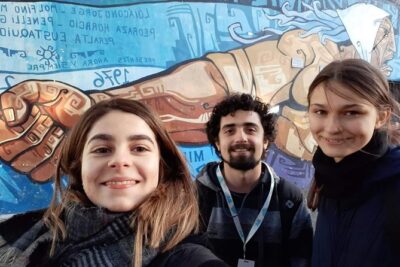 ★ 5.0La Boca, a collective creation: Port, immigrants, arts and footballFrom $6558 reviews
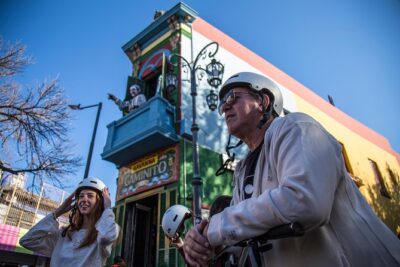 ★ 5.0La Boca and City Center Bike TourFrom $3854 reviews
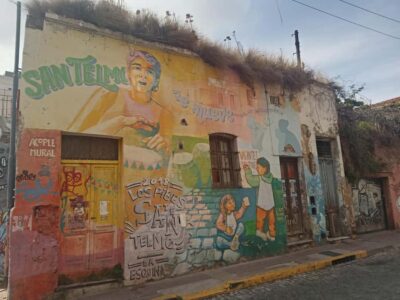 ★ 5.0SAN TELMO + CAMINITO THE LOCAL WALKING TOUR!From $358 reviews
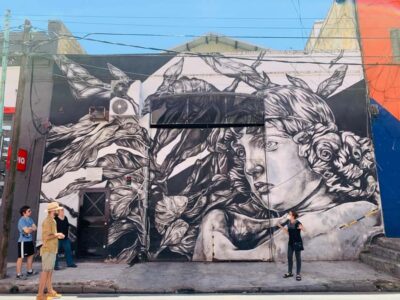 ★ 5.0La Boca Out off the Beaten TrackFrom $356 reviews
 ★ 5.0Walking Tour of San Telmo and La Boca with local foodFrom $1004 reviews
Browse the lists this tour appears in