
Reviewed · RECOLETA MAUSOLEUMS & TOMBS
Buenos Aires: Chacarita, The Largest Cemetery In Argentina
Chacarita Cemetery is where Buenos Aires keeps its promises. It’s not just headstones, it’s tango, rock, poetry, and European memorial design all living side-by-side. I like how the tour turns a cemetery into a clear, human story you can actually follow.
You’ll get two big “name” visits right away: the tomb of Carlos Gardel and the mausoleum of Gustavo Cerati. And you’ll also see the cemetery’s quieter layers, like the German and British/Commonwealth cemetery sections, where styles and symbols shift noticeably.
One thing to consider: it’s a walking tour through an outdoor cemetery setting, so you’ll want comfortable shoes and to accept that pace will be steady (it also isn’t suitable for wheelchair users or people with mobility impairments).
In This Review
- Quick hits before you go
- Chacarita Cemetery: More Than Famous Tombs
- Meet the Guide: Why Miguel’s Delivery Matters
- The 3-Hour Walk: How the Timing Works in Real Life
- Entering Chacarita: The Main Door to the First Photo Stop
- Carlos Gardel’s Mausoleum: Tango Culture You Can Stand Next To
- Jorge Newbery and the Art of National Memory
- Loredo de Subiza María Salomé and the Power of Detail
- Gustavo Cerati’s Mausoleum: A Modern Argentina Moment
- Gilda’s Tomb: Film, Song, and Shared Emotion
- Capilla Cementerio Chacarita and Panteón VI: Where Style Turns Serious
- Commonwealth War Graves and the British/Commonwealth Corner
- German Cemetery (Cementerio Alemán): Different Traditions in the Same Place
- Elcano Park: A Calmer Finish in the Same Memory Space
- Price and Value: What $20 Buys in Buenos Aires
- Who This Tour Suits Best (and Who Might Prefer Something Else)
- Should You Book Chacarita? My Honest Decision Guide
- FAQ
- How long is the Chacarita Cemetery tour?
- How much does the tour cost?
- Is the tour guided, and what language is used?
- What’s the group size?
- Where do I meet the guide?
- Is there a restroom break?
- What should I bring?
- Is this tour suitable for wheelchair users?
- Does the tour include Carlos Gardel and Gustavo Cerati?
Quick hits before you go
- Carlos Gardel’s mausoleum: a spotlight on tango culture you can walk up to, not just read about
- Gustavo Cerati’s stop: a bridge between Argentine music history and modern audiences
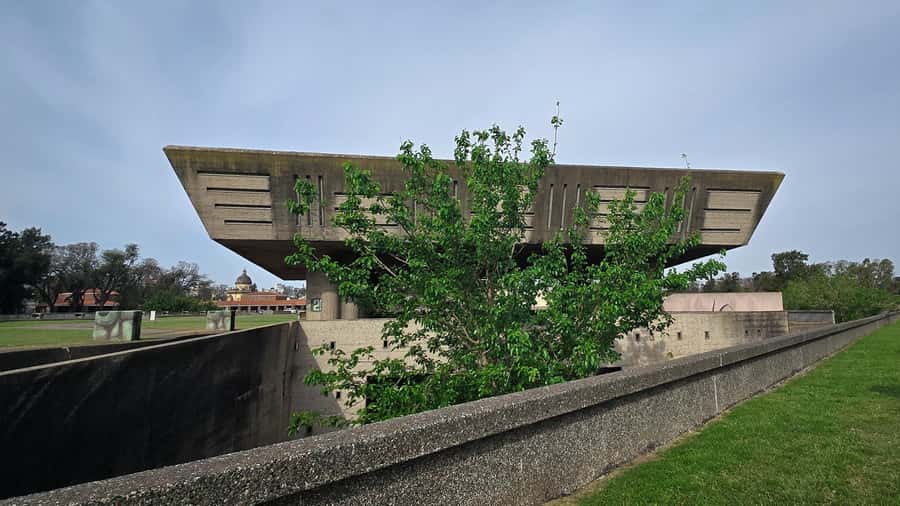
- German and British/Commonwealth areas: different memorial styles in the same place
- Small group of up to 6: easier questions, less rushing, better understanding
- Guide Miguel’s patient pace: especially helpful if you’re learning Spanish
- Photo stops mixed with walking: you get time to look closely without the tour dragging
More marble avenues and famous tombs of Recoleta in Buenos Aires.
- Recoleta Cemetery – Small Group Tour of History & Secrets★ 5.0 · 53 reviews
- Recoleta & Cemetery for curious people★ 4.9 · 24 reviews
- Full Day City Tour Buenos Aires, Recoleta Cemetery and Tigre★ 4.5 · 15 reviews
Chacarita Cemetery: More Than Famous Tombs
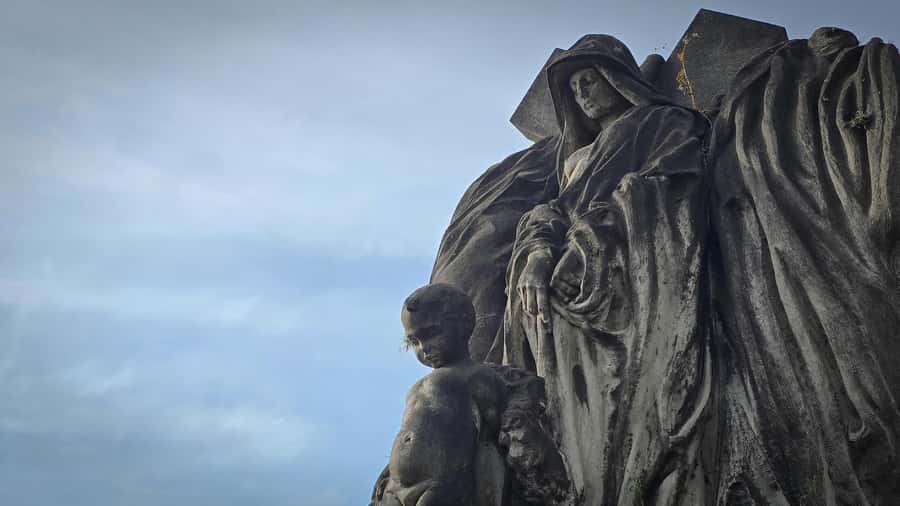
Chacarita Cemetery feels like a city of memory. You’re walking through Argentina’s cultural timeline, carved into stone and ornament, with figures from tango, film, and literature sharing space with athletes, musicians, and other personalities. The emotional side is real, but the layout also rewards your eyes: architectural beauty and different art styles show up as you move from one section to another.
What I like most is that this tour doesn’t treat the cemetery like a checklist. You get stops that matter, then the guide connects them to what you’re seeing: materials, symbolism, and the idea that public fame doesn’t erase private grief. Even if you only know a couple of these names, the place still makes sense once someone explains the relationships between people, eras, and design.
Meet the Guide: Why Miguel’s Delivery Matters
The experience lives or dies on the guiding. Here, that’s a win. In the feedback I saw from real bookings, people repeatedly praised the guide Miguel as patient and attentive. Even with a little rain in the mix, the tour reportedly kept its quality, timing stayed close to what’s promised, and questions didn’t get brushed off.
If you speak English and are learning Spanish, you’ll likely feel comfortable. One reviewer noted Miguel spoke Spanish slowly enough to help them learn. That matters in a cemetery setting, because you’re looking at details while you listen. When the guide can slow down, you get to actually absorb what’s in front of you, instead of trying to catch up.
The 3-Hour Walk: How the Timing Works in Real Life
This runs about three hours as a guided walking tour, and you get a 10-minute restroom pause built into the schedule. That’s important. Cemeteries can be surprisingly tiring: you’re standing, turning your body to read plaques and carvings, and walking longer than you expect because you’re stopping to look.
The pace also benefits a small group. With only up to 6 participants, you don’t get stuck behind a crowd, and the guide can adjust to what your group is curious about. In plain terms: you spend more time looking closely and asking, less time waiting for the whole line to move.
Also plan for the fact that you’ll be outside. Bring a hat, sunscreen, and water. Even if Buenos Aires is temperate, the sun can still catch you, and you’ll be grateful you didn’t pack only for indoor museum comfort.




Entering Chacarita: The Main Door to the First Photo Stop
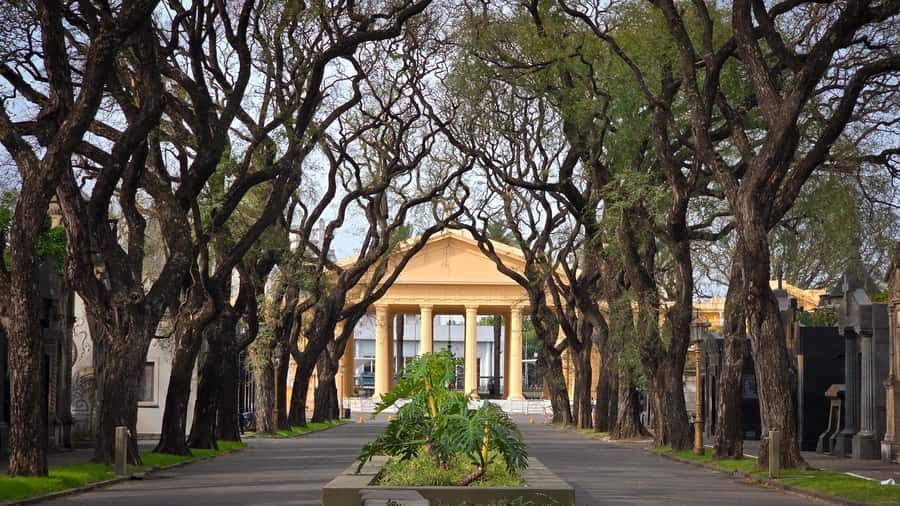
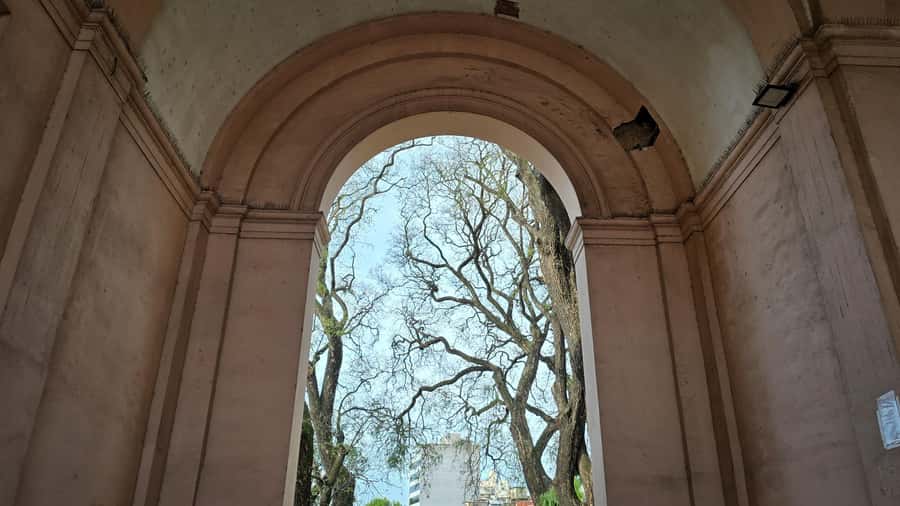
You start at the main door of Chacarita Cemetery. That’s the right move because it sets the orientation fast. The guide gets you oriented quickly—where you are, how the cemetery is organized, and what kind of stories you’ll be listening for as you walk.
Then you transition into the first phase: photo stop, a guided look, and short focused time to take in what’s around you. I like these early moments because they set your eyes up for the rest of the tour. Without that, a cemetery can blur into rows. With it, you begin to notice differences: changing styles, shifts in monument scale, and which areas feel like dedicated memorial zones.
Carlos Gardel’s Mausoleum: Tango Culture You Can Stand Next To
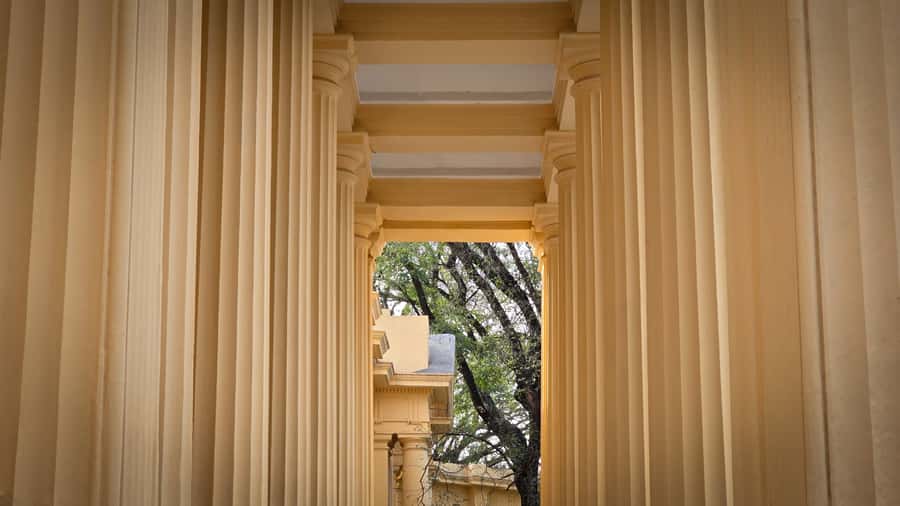
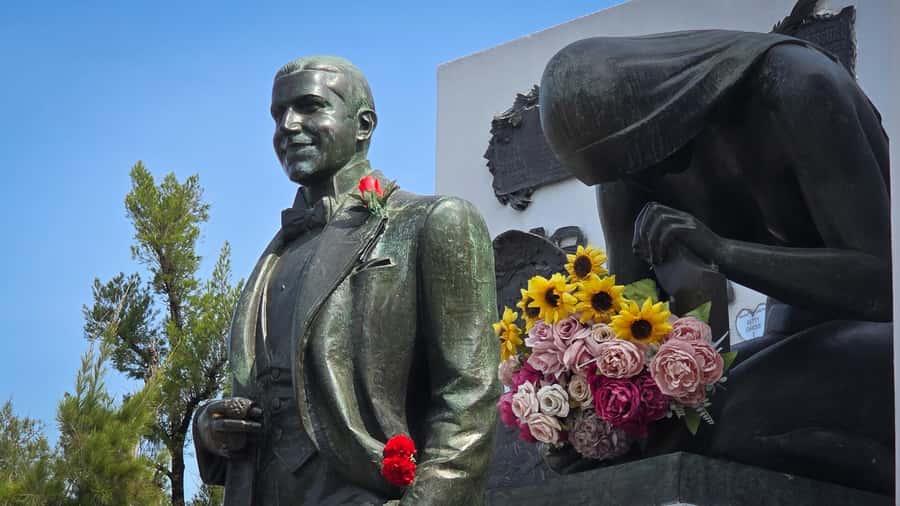
The tomb of Carlos Gardel is a tour centerpiece, and for good reason. Gardel isn’t just a musician here; he’s treated as a cultural icon, almost a symbol of tango’s emotional center. When you stop at his mausoleum, the experience turns from sightseeing to recognition.
Look at how the site communicates meaning. Even if you aren’t a tango superfan, you can feel the attention Buenos Aires gives this figure. The design and presence of the tomb make it clear that Gardel’s legacy sits in public space, not just in recordings and documentaries.
You get a photo stop plus a guided visit, so you can take your time. If you’re going with someone who knows Gardel by ear, this stop becomes a shared reference point: it’s the moment where the whole group starts talking about how tango shaped identity, not just entertainment.
Jorge Newbery and the Art of National Memory

Early on, you also visit Mausoleo Jorge Newbery. Newbery represents a different kind of fame than tango—more linked to national achievement and the idea of Argentina moving forward. It’s a reminder that cemeteries like Chacarita don’t only honor artists. They also frame Argentina through explorers, builders, and public figures.
This is one of those stops where the guided layer matters. Without context, you might read a tomb as decoration. With context, you start to understand that memorials are a kind of public language. They tell you what a society wanted to preserve and which achievements it decided were worth lasting visibility.
Loredo de Subiza María Salomé and the Power of Detail
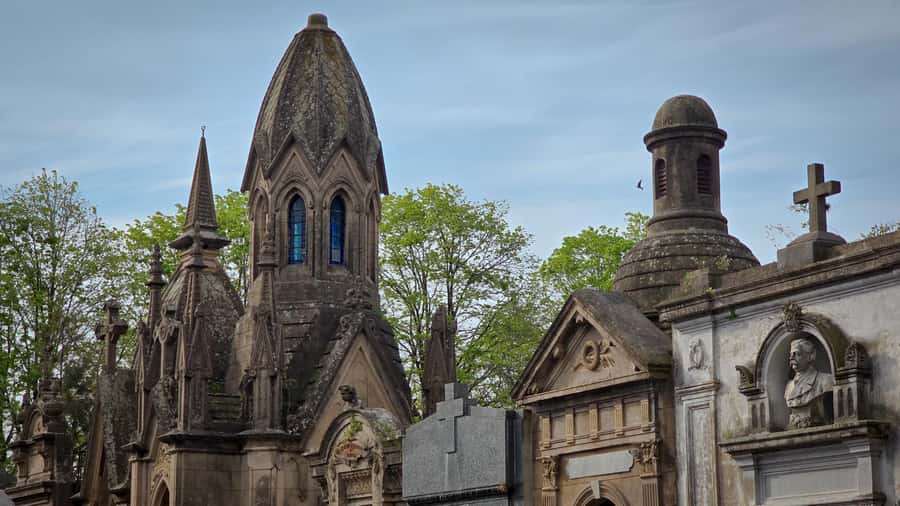
You’ll also visit Mausoleo Loredo de Subiza María Salomé. I find these stops useful because they push back against the idea that Chacarita is only for household names. Cemeteries like this hold a broader social record, and the monument choices reflect that.
The benefit for you is perspective. Big names are the hook, but detail stops like this teach you how to read the cemetery as an environment. You begin noticing the artistic choices that differentiate areas and individuals, from how memorials are placed to how they’re designed to be seen.
Gustavo Cerati’s Mausoleum: A Modern Argentina Moment
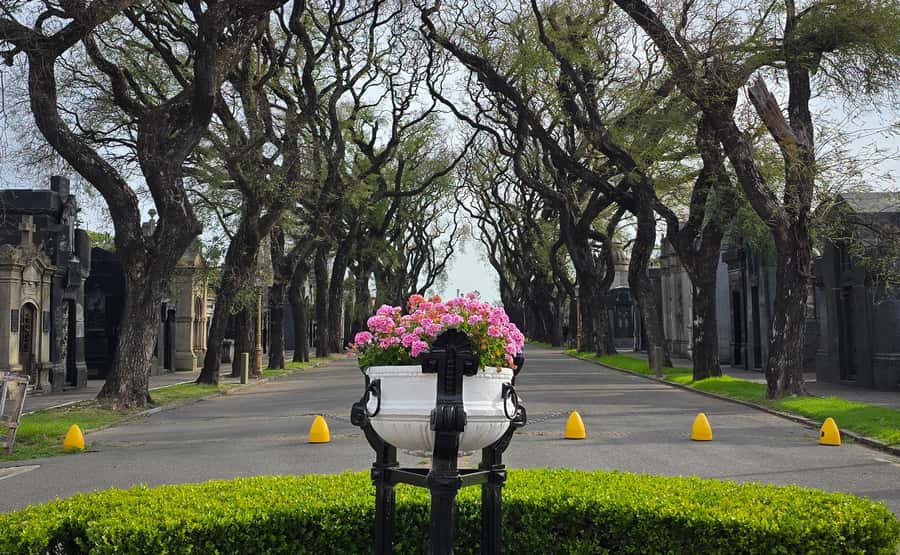
Then comes Gustavo Cerati. This stop works especially well because Cerati connects Argentina’s musical identity across generations. One minute you’re in the world of classic tango memory; the next you’re looking at how modern rock-era influence becomes part of the same cultural map.
What I like here is the emotional continuity. Even if you grew up listening to different genres, the mausoleum gives you a way to respect cultural impact without needing a deep background. A guided explanation helps you connect why this figure matters beyond the music.
You’ll get a slightly longer visit time at this stop, so it’s not a quick photo-and-run. That extra time means you can slow down, look, and listen without feeling rushed.
Gilda’s Tomb: Film, Song, and Shared Emotion
You’ll stop at Tumba de Gilda, with guided time to look and learn. Gilda’s presence on this tour makes a key point: Chacarita preserves entertainers who created shared emotional experiences, not just public honors.
This kind of stop is often where people soften. Music and performance bring memories into the conversation. In a cemetery, that matters because it changes the mood from architecture to humanity. The guide’s job is to keep the moment respectful while also keeping it informative.
Capilla Cementerio Chacarita and Panteón VI: Where Style Turns Serious
As the tour progresses, you’ll visit Capilla Cementerio Chacarita and Panteón VI. These stops aren’t about one famous name; they’re about how Chacarita communicates spirituality and collective memory.
A chapel stop is a chance to look at religious space inside a cemetery context. Panteones often feel like a more formal statement—designed for lasting recognition. When you see these parts in sequence, you start to understand the cemetery’s internal logic: private grief exists here, but so does public commemoration.
This is also where architectural variety becomes easier to notice. Early on, you might just be soaking up the wow factor. Later, you’ll realize that the cemetery offers different “modes,” from individual mausoleums to chapel-like memorial spaces and larger monumental areas.
Commonwealth War Graves and the British/Commonwealth Corner
You’ll visit the Commonwealth War Graves Buenos Aires area. This is where Chacarita takes on an international tone. The highlights for the tour specifically call out German and British cemeteries, and this stop supports that theme through the Commonwealth war memorial connection.
What I think you’ll appreciate: the stylistic shift. War graves often use a different visual language than artist mausoleums. You may see how uniformity, names, and the care of memorial design communicate sacrifice across time. Even if you don’t know history in depth, a guided explanation helps you read the symbols as intended, not just as stone.
German Cemetery (Cementerio Alemán): Different Traditions in the Same Place
Next is Cementerio Alemán, the German cemetery. You’re not going far, but the experience changes. Different national cemetery traditions can show up in monument style, inscriptions, and overall feel. That shift is exactly why the German cemetery stop is included.
This is one of the best reasons to do a guided tour here. You’ll likely notice contrasts on your own, but the guide helps you understand what you’re seeing and why it might look different.
If you like comparing cultures through “small” design choices, this portion will feel satisfying. It’s not just about names. It’s about how identities get translated into memorial art.
Elcano Park: A Calmer Finish in the Same Memory Space
You’ll also visit Elcano Park, with guided sightseeing time. This part works like a breather. After walking from tomb to tomb and reading the cemetery as a historical archive, a park-like finish gives you a chance to reset your senses.
It’s a reminder that the cemetery isn’t a single mood. It’s a whole landscape: memorial, art, architecture, and open space all in one. The guided stop helps you end with clarity instead of fatigue.
Price and Value: What $20 Buys in Buenos Aires
At $20 per person for a three-hour guided experience, this is strong value if you’re the type who likes context. You’re not paying for transportation or a big bus ride. You’re paying for a live guide, a structured walking format, and access to the cemetery in a way that makes details click.
The small-group size also matters for value. Up to 6 participants means the guide can answer questions without the tour turning into a one-way lecture. Based on the feedback, Miguel’s patient approach seems to be a real selling point. When the guide can explain clearly and take time, you don’t just see places—you understand them.
So for your money, you get:
- multiple high-recognition stops (Gardel, Cerati)
- a spread beyond music into public memory and architecture
- visits to German and British/Commonwealth sections
- enough guided time at key stops to absorb meaning
Who This Tour Suits Best (and Who Might Prefer Something Else)
This tour fits you if you want culture that’s local and grounded. It’s ideal for people who like tango history, want to see a well-known cemetery with guidance, and enjoy comparing how memorial design communicates different traditions.
It’s also a good match if you’re learning Spanish. The guide can slow down, and you’ll be out in a real setting where language and meaning feel practical.
It may not suit you if you need wheelchair access or have mobility limitations. The tour isn’t listed as suitable for wheelchair users or people with mobility impairments. Also, bring your energy. Walking for three hours in a cemetery setting isn’t the same as walking along a flat city promenade.
Should You Book Chacarita? My Honest Decision Guide
I’d book this if you’re curious about Argentina’s culture beyond museums and want a guided walk that helps you read what you’re seeing. The combination of Gardel and Cerati plus German and British/Commonwealth areas gives you range in one compact experience.
I’d skip it if you want a fully accessible route or if walking tours in outdoor settings are a hassle for you. The tour is short, but it’s still outdoors and still requires comfortable shoes.
If you choose to go, go with the right mindset: this isn’t only for the famous names. The value is in how the guide connects art, memory, and design so the cemetery becomes understandable and not just impressive.
FAQ
How long is the Chacarita Cemetery tour?
It lasts about 3 hours.
How much does the tour cost?
The price is $20 per person.
Is the tour guided, and what language is used?
Yes, it’s a live guided walking tour, with the guide speaking Spanish.
What’s the group size?
The group is limited to 6 participants.
Where do I meet the guide?
Meet at the main door to the cemetery.
Is there a restroom break?
Yes. There is a 10-minute pause for using the restroom.
What should I bring?
Bring comfortable shoes, a hat, sunscreen, and water.
Is this tour suitable for wheelchair users?
No. It is not suitable for wheelchair users or people with mobility impairments.
Does the tour include Carlos Gardel and Gustavo Cerati?
Yes. You’ll visit the tomb of Carlos Gardel and the mausoleum of Gustavo Cerati.
Back Among the Recoleta Tombs


Just added to our Buenos Aires notebook
- Guided tour Boca Juniors Museum & Stadium + Caminito
★ 3.3 · 3 reviews - Bike Tour: Buenos Aires to the North
★ 4.0 · 3 reviews - From Colonialism to Eclecticism, Buenos Aires arquitectonica
★ 5.0 · 3 reviews - Enjoy a Rural Experience in a Vineyard near Buenos Aires
★ 4.7 · 3 reviews - Café de los Angelitos – Traditional Night in Buenos Aires
★ 4.8 · 3 reviews - Buenos Aires: Rojo Tango Show with Optional Dinner
★ 3.4 · 3 reviews
Recoleta Mausoleums & Tombs, compared.
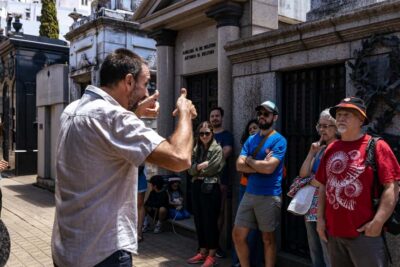 ★ 5.0Recoleta Cemetery – Small Group Tour of History & SecretsFrom $4953 reviews
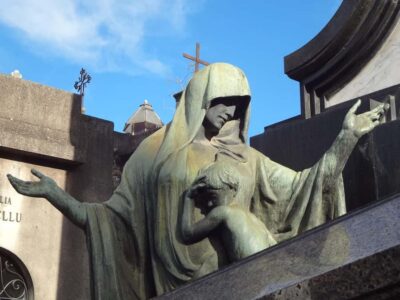 ★ 4.9Recoleta & Cemetery for curious peopleFrom $3424 reviews
 ★ 4.5Full Day City Tour Buenos Aires, Recoleta Cemetery and TigreFrom $28515 reviews
 ★ 4.6Private Recoleta Cemetery Walking Guided TourFrom $6913 reviews
Browse the lists this tour appears in