
Reviewed · ESTANCIA & GAUCHO DAY TRIPS
From Buenos Aires: Magical and Mysterious Campanopolis Tour
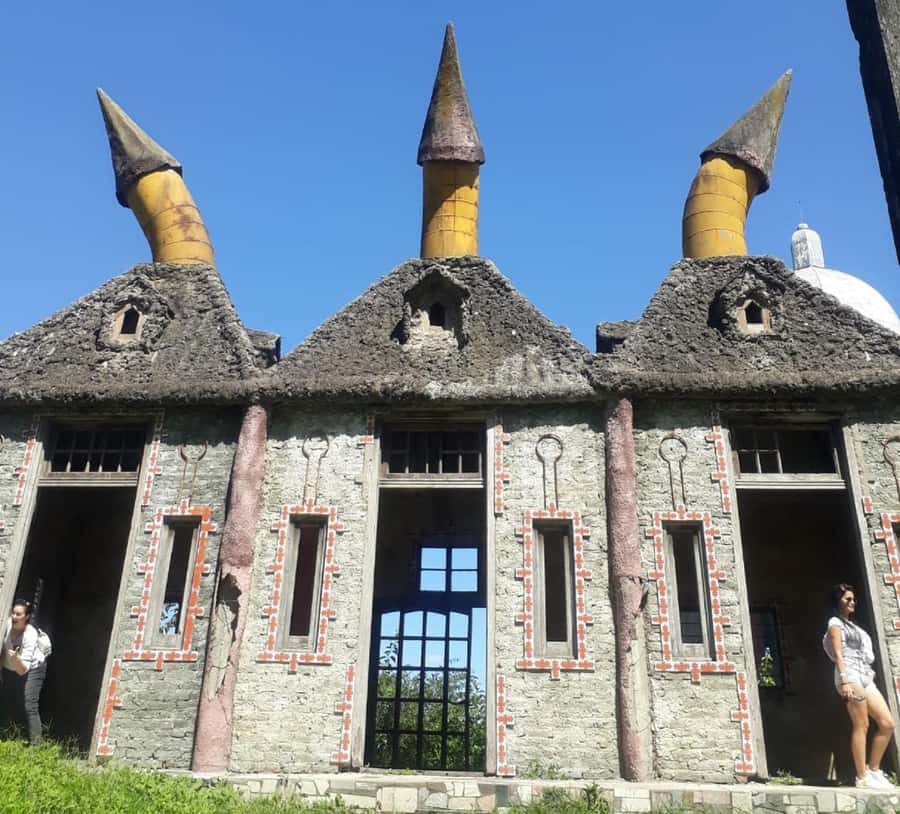
Medieval walls, 30 minutes from Buenos Aires. Campanópolis is a half-spooky, half-fascinating world of 40 buildings and hidden passages, built from reclaimed materials in a nature reserve near the Ezeiza forests. You’ll come for the “how is this even real?” feeling, and you stay for the human story behind it.
I love two things most. First, the recycled-and-auction-made details: old iron columns, gates, clocks, and lights from well-known Buenos Aires places are repurposed into a strange fairy-tale town. Second, the guided circuit through the site’s main stops, including the Museum of Wood, the Iron Museum, and the Caireles Museum.
One big consideration: if you want lots of English inside the park, you may feel limited. The guided tour inside is offered in Spanish and Portuguese, and English support is only described as a general history overview if needed.
In This Review
- Quick hits before you go
- Campanópolis in plain terms: what you’re actually seeing
- Getting there from Teatro Colón: timing and comfort
- Inside the citadel: 40 buildings, alleys, and secret-feeling corners
- Museum of Wood, Iron Museum, and Caireles Museum
- The recycled-material story: why it matters more than it sounds
- Timing your day: getting the most from your three hours
- Price and logistics: is $52 good value?
- Language and group pace: who this tour suits best
- What to pack so the day feels easy
- Special dates to note: March 24 and April 7
- Should you book Campanópolis from Buenos Aires?
- FAQ
- Where do I meet for the Campanópolis tour?
- How long is the tour?
- What time does the tour start?
- Are the guided tours available in English?
- What’s included in the price?
- Is food included?
- Is the tour refundable if I cancel?
Quick hits before you go
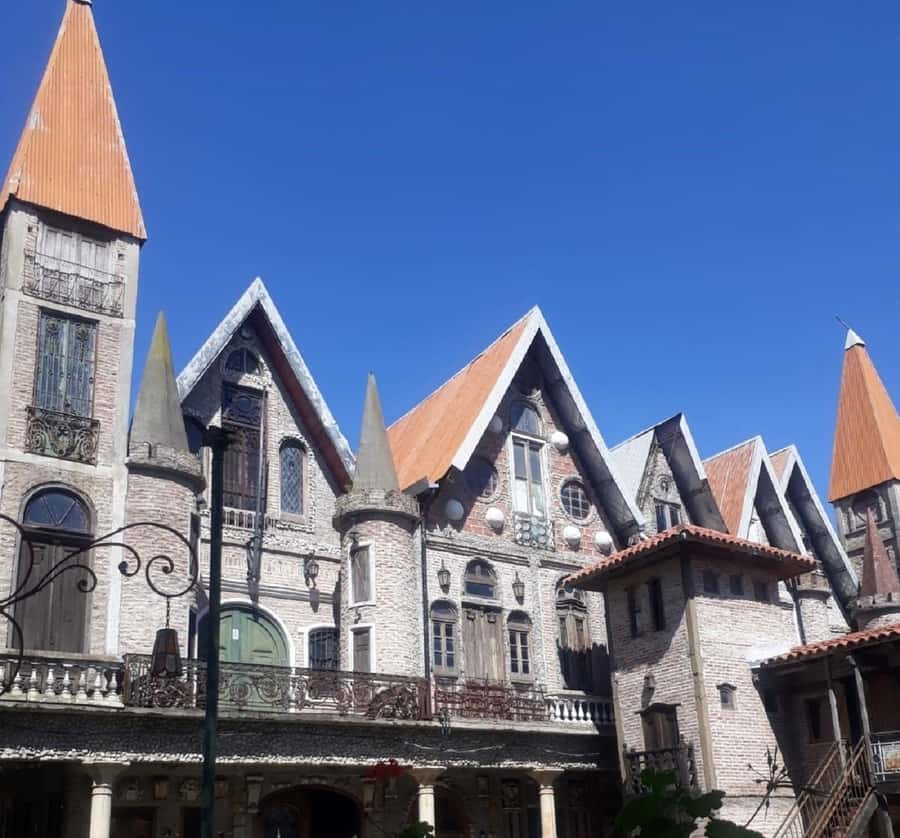
- A citadel of 40 connected buildings with alleys, passages, and secret-feeling corners
- Recycled materials from familiar Buenos Aires landmarks, not blank-wall fantasy
- Three museum stops: Wood, Iron, and Caireles
- A half-day trip that fits well into a Buenos Aires itinerary (about 6 hours total)
- Plan for snacks and water, since food options on-site aren’t the focus
- Language matters: inside guidance is Spanish/Portuguese
Out to the pampas and the estancias, more gaucho days from Buenos Aires.
- From Buenos Aires: Gaucho and Ranch Day Tour★ 4.7 · 809 reviews
- Gaucho Day Trip from Buenos Aires: Santa Susana Ranch★ 4.0 · 272 reviews
- From Buenos Aires: Magical and Mysterious Campanopolis Tour★ 4.6 · 150 reviews
Campanópolis in plain terms: what you’re actually seeing
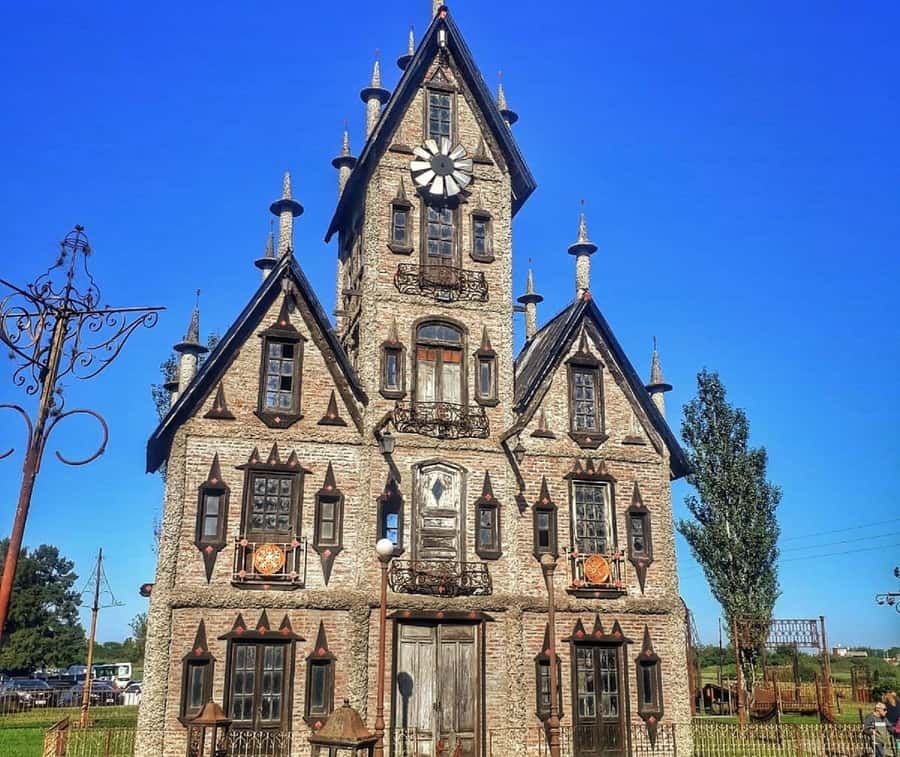
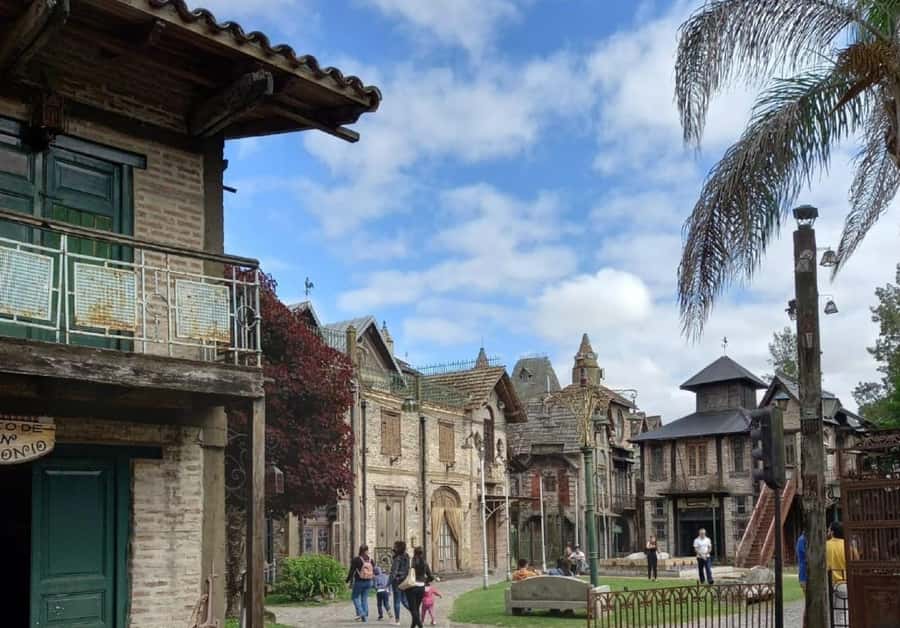
Campanópolis is a medieval-style village set inside a nature reserve close to the Ezeiza forests. The layout is the point: around 40 buildings linked by alleys and passageways, with spots that feel tucked away, like you’re wandering a secret. It’s not a theme park with shiny surfaces. It’s rougher, more handmade, and that makes it more interesting.
The real hook is how it was built. The site is described as being made with old and recycled materials from auctions and demolitions. And the founder, Don Antonio Campana, is credited with materializing the fantasy without plans or architects. That adds a weird kind of authenticity: you’re seeing persistence turned into architecture.
You’ll also hear about a personal drive behind the project. One of the stories tied to Campanópolis is that it was created as a way for the visionary to find relief and purpose while dealing with illness. Whether you connect to that emotionally or just enjoy it as a builder’s tale, it helps the place click.
Getting there from Teatro Colón: timing and comfort
This tour starts at Cerrito 628, right by the Teatro Colón. From there, you take a bus/coach ride of about 75 minutes each way. The total time is about 6 hours, so it’s long enough to feel like a real outing, but not so long that it swallows your entire day.
Departure times change with the day:
- Wednesdays, Thursdays, Fridays: meet at 11:30 AM
- Saturdays and Argentine public holidays: meet at 8:00 AM
Two date exceptions also matter: on March 24 and April 7, the park opens only in the morning, with the departure time set for 8:00 AM. If those dates overlap your trip, double-check your schedule before you commit.
The ride itself is part of the rhythm. The trip is straightforward, and you’ll have time to rest a bit on the way out and back. If you like to arrive with energy, this structure helps: you don’t have to think about transit, parking, or route planning.
Inside the citadel: 40 buildings, alleys, and secret-feeling corners
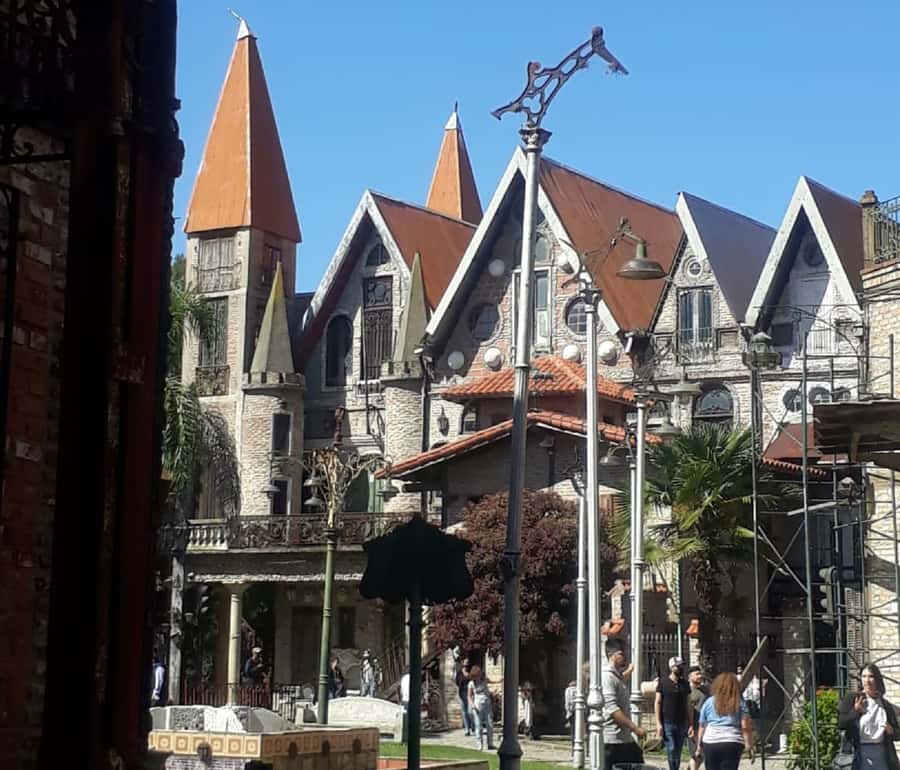
Once you arrive at Campanópolis, you get about three hours for photo stops, exploration, and the guided walkthrough inside the park. The guided portion is where the site becomes more than Instagram angles.
The village is built as interconnected spaces: not one straight path, but a mix of lanes, passages, and little pockets that reward slow walking. That’s fun for adults, but it’s also the reason I call out a small practical thing: if you go with kids who need constant attention, the walking pace and the need to listen can become a mismatch.
As you move through the citadel, the founder’s approach starts to make sense. There isn’t a “perfect architectural plan” feeling. Instead, you see a collection of structures arranged to create a coherent fantasy world. It feels like discovery, not like a museum hallway.
Also, bring your sense of curiosity. Campanópolis works best when you’re willing to look slightly harder than you normally do at a tourist site. The cool parts aren’t just big features; they’re in the way materials were re-used and connected.


Museum of Wood, Iron Museum, and Caireles Museum
The tour includes entry and a guided visit through a set of themed stops: the Museum of Wood, the Iron Museum, and the Caireles Museum. Even without a deep technical background, these stops tend to land because they explain how the founder transformed “scrap” into story.
Here’s how to think about it when you’re on-site:
- The Wood Museum helps you see the craftsmanship side, the warm, tactile materials that make the town feel inhabited rather than built overnight.
- The Iron Museum is where the place gets extra satisfying for history-and-details lovers. The site includes reclaimed metal pieces, and the iron focus gives those parts context.
- The Caireles Museum adds another layer of collection and interpretation. It’s the third leg of the “how was this made?” idea, so you leave with a clearer sense that Campanópolis isn’t random junk art. It’s organized effort.
Your guide also plays a big role here. Inside the park, the tour is offered in Spanish and Portuguese. If you’re not comfortable in those, you may miss some of the connective tissue. Still, even with limited language, you can usually follow enough to understand the main points, especially during the museum segments where you’re seeing the materials firsthand.
The recycled-material story: why it matters more than it sounds
The recycled-material concept can sound like a marketing line. At Campanópolis, it’s more concrete. The description lists specific “borrowed” elements from Buenos Aires, which is what makes the place feel oddly familiar.
You can see items described as including:
- old iron columns from the Galerías Pacífico
- old gates from the Palermo Hippodrome
- lights and clocks from the Plaza de Mayo
That’s the magic trick: the medieval world isn’t floating in fantasy air. It’s assembled from the city’s real pieces. When you spot elements that clearly come from somewhere else, you start to view Buenos Aires differently. You stop thinking of the city as static. You start thinking of it as a supply chain of history—old materials moving into new stories.
And it’s not just metal. The site also mentions 12 stone houses, plus slag and bricks that nod toward a fairy-tale vibe. Some of these details are the kind of thing you’ll enjoy more if you’re patient: look for texture changes, mismatched pieces that somehow still feel intentional, and small clues about where a component might have come from.
Timing your day: getting the most from your three hours
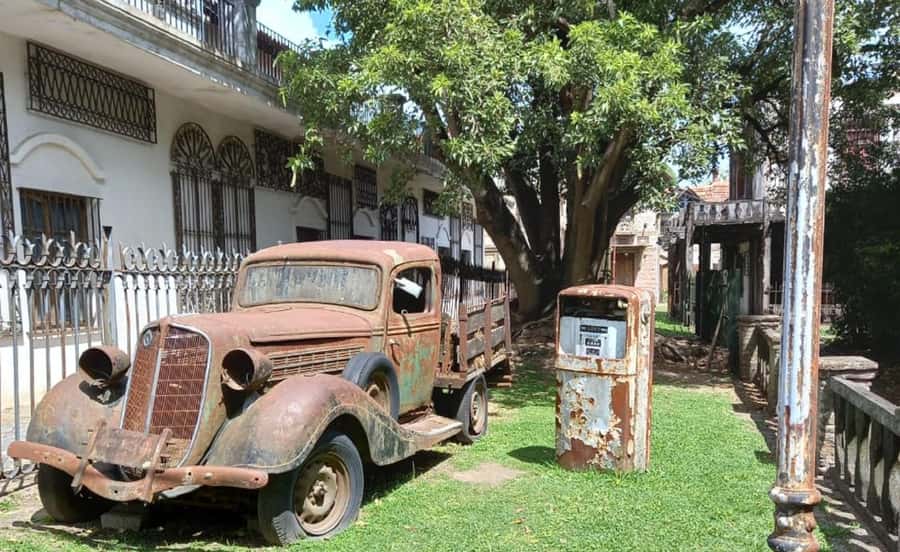
Your time on-site is about three hours, and that includes:
- photo stops
- time to explore on your own
- the guided portion inside the park
- sightseeing moments as you go
That mix is good because Campanópolis rewards both structure and wandering. The guide helps you connect the dots. Then you have time to move at your pace for photos and slower viewing.
If you like photographs, aim to treat it as a “move and pause” site, not a one-shot camera stop. There are many connected corners, so a single wide-angle will miss what makes it special. Plan to come home with a set of details: doors, passages, material textures, and the way different parts connect.
If you’re more social and less into photos, the self-exploration time still matters. It lets you step away from the group and take in the atmosphere—how quiet it can feel when you’re in a nature reserve and surrounded by an artificial medieval village.
Price and logistics: is $52 good value?
At $52 per person for about 6 hours, this outing is priced like a half-day excursion. What makes it feel like value is what’s included: entry tickets, meeting point pickup and drop-off, and a guide.
You’re not paying extra for transport or basic admission. And because the guided tour is included, you get context for the founder and the material choices, not just access to a town to walk around blindly.
The main trade-off is what’s not included: food and drinks. You’ll want to handle that yourself, especially since on-site options may be limited or at least not the focus. The practical move is to bring a water bottle and light snacks.
For me, the decision comes down to fit:
- If you enjoy quirky, hands-on architecture stories, $52 feels fair.
- If you only want big landmarks and you’re not into details, this may feel more like a curiosity stop than a must-do.
Language and group pace: who this tour suits best
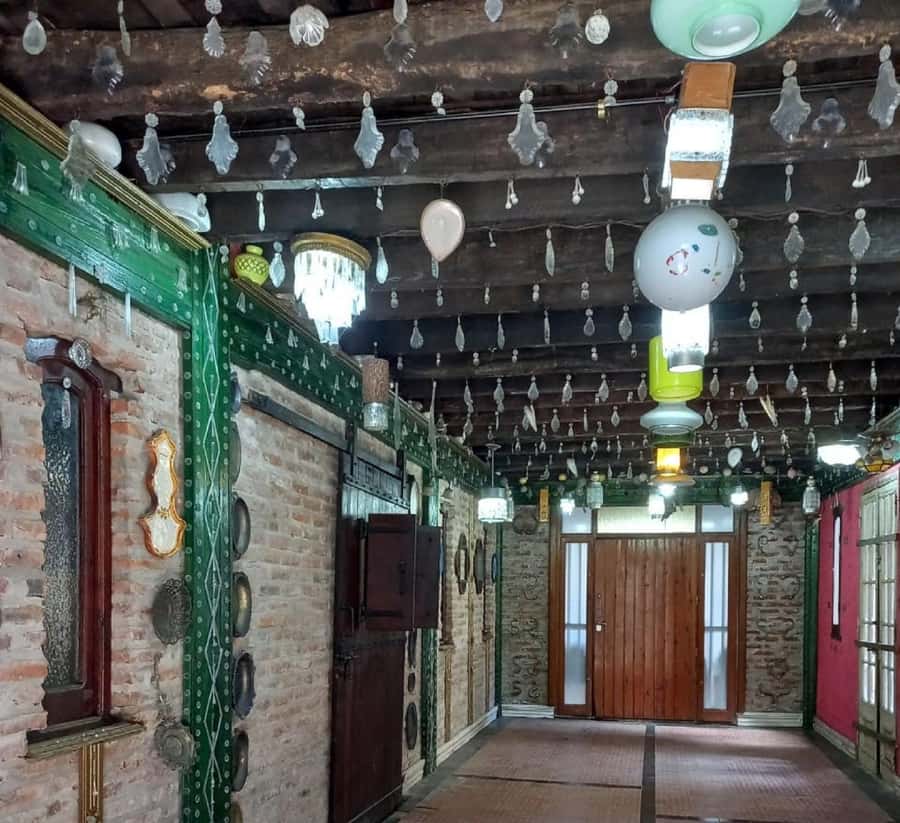
This tour is guided inside the park exclusively in Spanish and Portuguese. If English-speaking visitors are in the group, the guide provides a general overview of the site’s history and highlights key points during the tour.
That means this can work well in two scenarios:
- You’re comfortable with Spanish or Portuguese.
- You’re okay with a partial understanding and you’ll let the visuals do the heavy lifting.
The pace also matters. The walking isn’t described as extreme, but it’s enough that the tour is not a strong fit for very young kids, especially if they need quiet attention. Adults generally do fine because you can tune in to the guide and still pause for photos.
For solo travelers, it’s a straightforward day trip with built-in structure. For couples, it’s fun because you can split tasks: one listens more to the guide, the other focuses on photos—then you swap stories afterward.
What to pack so the day feels easy
Since food and drinks aren’t included, I’d plan like you’ll be out there for most of the day. Even if you’re not expecting a full meal, you’ll appreciate having options that don’t require searching.
A simple, practical pack list:
- water
- light snacks like protein bars or similar
- comfortable walking shoes
- a small camera bag or daypack so you can move hands-free
Also, dress for being outdoors in a nature reserve setting. Even if it’s not a hiking day, you’ll be walking and pausing for photos.
Special dates to note: March 24 and April 7
If your trip lines up with March 24 or April 7, remember the park opens only in the morning. The departure time is listed as 8:00 AM. That changes the whole rhythm compared with the normal weekday meet time.
If you’re the type who plans tightly, treat those dates like schedule-critical. Buenos Aires days can be full, and an earlier departure can shift other plans.
Should you book Campanópolis from Buenos Aires?
Book it if you want something different from the usual Buenos Aires checklist. Campanópolis gives you a medieval fantasy built from real Buenos Aires parts, with a founder story that adds meaning beyond the visuals. If you love quirky places, detail spotting, and guided context, it’s an easy “yes.”
Skip or rethink it if:
- you need a fully English-guided experience inside the park
- you’re traveling with very small kids who can’t handle listening while walking
- you’re expecting a polished, modern attraction with lots of food and services
My final take: this is one of those half-day trips that pays you back in memories. You’ll leave talking about the materials and the idea behind the place, not just how it looked in photos.
FAQ
Where do I meet for the Campanópolis tour?
You’ll meet on the sidewalk at Cerrito 628, near the Teatro Colón.
How long is the tour?
The tour lasts about 6 hours total.
What time does the tour start?
On Wednesdays, Thursdays, and Fridays, you meet at 11:30 AM. On Saturdays and Argentine public holidays, you meet at 8:00 AM.
Are the guided tours available in English?
Inside the park, the guided tour is offered in Spanish and Portuguese. If there are English-speaking visitors, the guide will provide a general overview of the site’s history and highlight key points during the tour.
What’s included in the price?
The price includes entry tickets to Campanópolis, meeting point pickup and drop-off, and a guide.
Is food included?
No. Food and drinks are not included, so you’ll want to bring water and light snacks for the outing.
Is the tour refundable if I cancel?
Yes. The tour offers free cancellation up to 24 hours in advance for a full refund.
Out to the Pampas Again



Just added to our Buenos Aires notebook
- Guided tour Boca Juniors Museum & Stadium + Caminito
★ 3.3 · 3 reviews - Bike Tour: Buenos Aires to the North
★ 4.0 · 3 reviews - From Colonialism to Eclecticism, Buenos Aires arquitectonica
★ 5.0 · 3 reviews - Enjoy a Rural Experience in a Vineyard near Buenos Aires
★ 4.7 · 3 reviews - Café de los Angelitos – Traditional Night in Buenos Aires
★ 4.8 · 3 reviews - Buenos Aires: Rojo Tango Show with Optional Dinner
★ 3.4 · 3 reviews
Estancia & Gaucho Day Trips, compared.
 ★ 4.7Gaucho and Ranch Day TourFrom $168809 reviews
 ★ 4.0Gaucho Day Trip from Buenos Aires: Santa Susana RanchFrom $313272 reviews
 ★ 4.0Gaucho Experience: A Day Trip to Don Silvano RanchFrom $244148 reviews
 ★ 5.0Polo Under the Stars and Argentine BBQ Evening Venue from Buenos AiresFrom $24769 reviews
 ★ 4.5Tailor-made Day Tour to San Antonio de Areco & Estancia El OmbuFrom $27046 reviews
 ★ 5.0Estancia Gaucho Day at Buenos AiresFrom $16843 reviews
 ★ 4.6Santa Susana Ranch Day Tour, BBQ & ShowsFrom $27032 reviews
 ★ 4.4Estancia Don Silvano Tour with Lunch.From $16523 reviews
Browse the lists this tour appears in