
Reviewed · LA BOCA & CAMINITO
La Boca Out off the Beaten Track
Murals here have stories, not just color. I love how this tour treats La Boca as a living neighborhood, not a photo set. I also love the personal lens from Paola De Luca, who grew up here and explains why places like the harbor and conventillo walls matter. One thing to consider: it’s a focused walking experience with rules like no jewelry and no alcohol, so it’s not the right match if you’re expecting a relaxed, sightseeing-only stroll.
In 150 minutes, you’ll move from the immigrant routes by the harbor and rail station to art, religion, and football references around the neighborhood, then end at Caminito for tango and fileteado details. Small group size (up to 10) keeps it conversational, and the final coffee stop adds a slow, local finish.
In This Review
- Key things that make this tour different
- La Boca, Out Off the Beaten Track: What You’re Actually Buying for $35
- Meeting Point and Timing: How 150 Minutes Feels on Your Feet
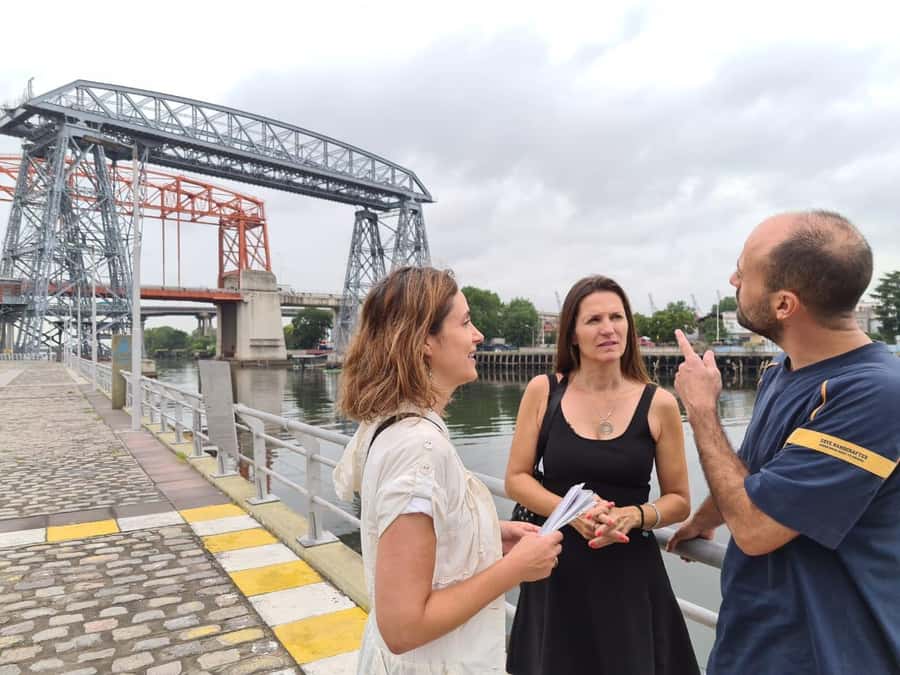
- The Harbor, Warehouses, and the Train Station: Where La Boca’s Story Starts
- Inside a Corrugated-Metal Conventillo: Tenement Life Turned Cultural Space
- Argentina’s First Volunteer Firefighter Station: Mutual Aid in Action
- Murals With Social Issues: Learning to Read Boca’s Street Art
- Old Buildings, Newspapers, and Borderlines of Life
- The Two Local Icons: Football Outside and Religion as Refuge
- A Typical Boca House and the Artists Behind the Color
- Caminito for Tango and Fileteado: Finishing Where the Photos Get Their Meaning
- Coffee in an Old 1882 Café: A Slow Finish You’ll Remember
- Price and Value: When $35 Actually Makes Sense
- Who This Tour Fits Best (and Who Might Want Something Different)
- Should You Book La Boca Out Off the Beaten Track?
- FAQ
- How long is the tour?
- What is the price per person?
- Where do I meet, and where does the tour end?
- What’s included in the price?
- What language is the guide?
- Is the Quinquela Museum included?
Key things that make this tour different
- Paola De Luca’s local viewpoint ties street corners to everyday life, not just facts
- Inside stops beyond the postcard zone: a corrugated-metal conventillo and the Volunteer Firefighter Station
- Art that explains itself: large Boca murals tied to social themes, plus fileteado at Caminito
- Mutual aid meets neighborhood pride at Argentina’s first volunteer fire station
- Two icons show up in context: Boca Juniors (outside) and the Salesian Church (as refuge for rootless communities)
- A coffee break in an old 1882 café that feels like part of the story
Down by the Caminito, more of La Boca we have wandered across Buenos Aires.
- Buenos Aires: Navigation from Pto. Madero to La Boca★ 4.1 · 147 reviews
- Buenos Aires Bike Tour: San Telmo and La Boca Districts★ 4.5 · 74 reviews
- La Boca, a collective creation: Port, immigrants, arts and football★ 5.0 · 58 reviews
La Boca, Out Off the Beaten Track: What You’re Actually Buying for $35
If your idea of La Boca is mostly color and chaos, this tour is a useful correction. You still get the eye-candy—murals, tin-roof textures, and fileteado lines—but you also get the why behind it. The neighborhood’s look comes from waves of immigration, working-class survival, and community institutions that were built to help people when life was unstable.
At $35 per person for 150 minutes, the value isn’t just the walking. The ticket includes entrances to two interior stops: the Volunteer Firefighter Station and a corrugated-metal conventillo now used as a cultural centre. Most short “La Boca highlights” tours can’t say that. You’re paying for access to places that don’t show up on a quick drive-by.
The other value is the guide. This experience is led by Paola De Luca, a local who shares her own childhood and youth connection to La Boca. That personal perspective changes how the streets feel. Instead of memorizing dates, you start noticing patterns: where people arrived, where they sheltered, where they made art, and where they found community.
Meeting Point and Timing: How 150 Minutes Feels on Your Feet
You start at the corner of Martín Rodríguez and Avenida Don Pedro de Mendoza in La Boca, and you end in Caminito. It’s a short enough tour to fit many Buenos Aires days, but it’s not a “sit down whenever you want” kind of schedule.
You’ll spend time on foot moving through:
- the harbor and warehouses area,
- the immigrant arrival view by the train station,
- several neighborhood stops tied to religion, newspapers, and old social life,
- then art-focused streets that lead you to Caminito at the end.
Because the group is capped at 10 participants, Paola can slow down when questions come up, especially about how the murals, football references, and community institutions connect.
Practical tip: plan for heat and sun. You’ll be outside for much of the experience, and the pacing suggests you should wear comfortable walking shoes and have basic sun protection. Also, the tour includes coffee but not food, so if you’re a big snacker, grab something earlier or plan a meal after.
The Harbor, Warehouses, and the Train Station: Where La Boca’s Story Starts
The tour begins by getting you oriented to La Boca’s relationship with arrivals and work. You’ll head toward the harbor, look at warehouses, and stop at the picturesque train station area where large numbers of immigrants arrived.
This part matters because La Boca’s culture didn’t grow in a vacuum. The neighborhood formed as people came in, searched for jobs, and needed shelter close to work and transit. When you later see murals addressing social issues, or you step into an old conventillo, you’ll have the background to understand why art and daily life got tightly linked here.
What I like about this approach: you’re not just told the neighborhood’s history. You’re shown the physical geography that shaped it. If you’ve ever visited a place where the art seems random, this fixes that.
Inside a Corrugated-Metal Conventillo: Tenement Life Turned Cultural Space
Next you’ll step inside a corrugated metal clad conventillo—a tenement house style that used to shelter immigrants. Today it hosts a cultural centre.
This stop is one of the most powerful parts of the whole experience because it shifts the story from the street into the human scale. You can stand there and picture how cramped living was, how families relied on shared space, and how a community formed within walls that were built for survival.
A detail that makes this meaningful: conventillos weren’t just housing. They were social infrastructure. They created a place where people learned each other’s languages, shared news, and kept culture going while they tried to stabilize life.
What to watch for: you’re going indoors for the cultural centre visit, so this is a good time to slow down. Use it to ask about what makes this neighborhood’s identity specific, not just “old Buenos Aires.”
Argentina’s First Volunteer Firefighter Station: Mutual Aid in Action
Then comes one of the tour’s signature stops: the first Volunteer Firefighter Station created in Argentina. Paola brings this theme up as more than a neat historical fact. It’s a window into how neighborhoods handled risk and responsibility when resources weren’t guaranteed.
Volunteer fire stations weren’t just about fires. They were about organization, trust, and a shared belief that your neighbor matters. In a place like La Boca, where life moved fast and conditions could be tough, mutual aid institutions helped people stay afloat—sometimes literally.
You’ll get entrance access here, which is a real advantage. A lot of La Boca tours stop outside buildings. This one gets you inside, so you can see how the community built systems, not just stereotypes.
Murals With Social Issues: Learning to Read Boca’s Street Art
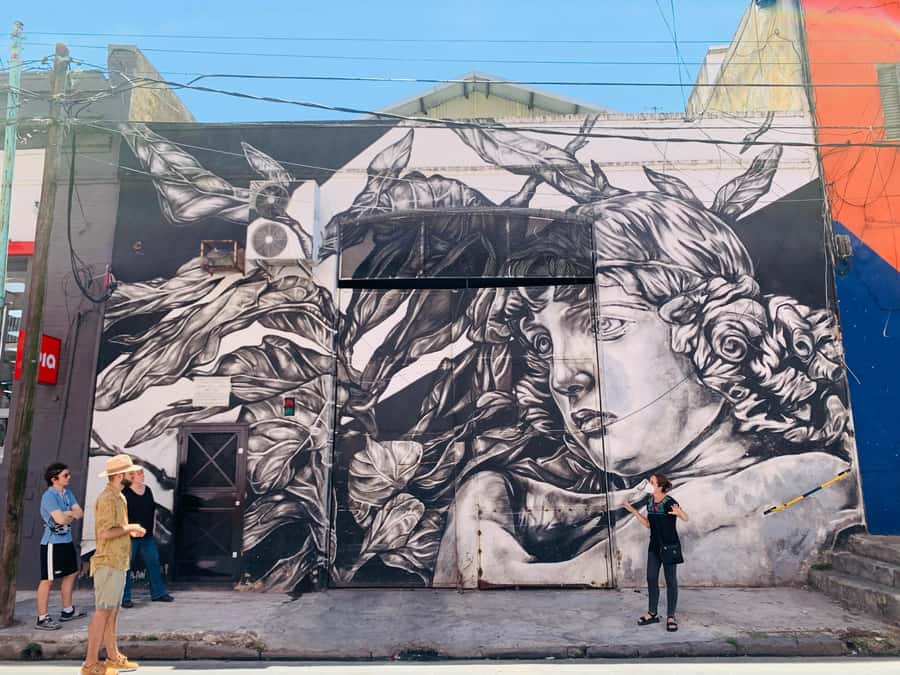
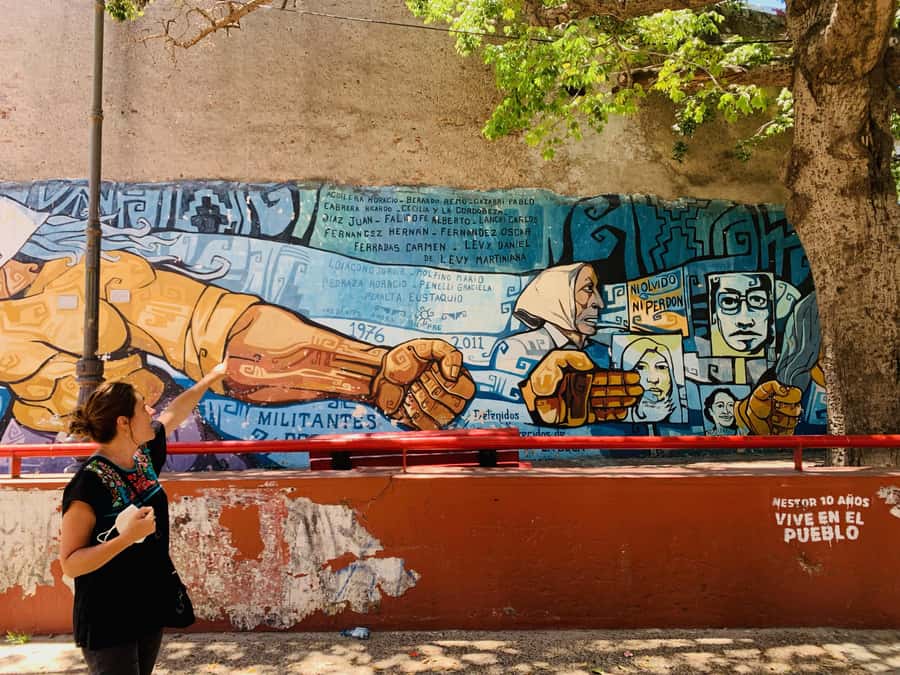
Now you shift from architecture to art—specifically, how Boca murals reflect different social issues. This is where your understanding starts to click.
Paola’s style is to connect paint to context. The murals aren’t just decorative. They show what people cared about, what tensions existed, and how the community processed changing life. Even if you don’t consider yourself an art person, you’ll likely find yourself looking differently by the time you reach the end.
A practical benefit: murals are “outdoor text.” They’re visible from the sidewalk, which makes them easy to enjoy even in heat. But the tour adds a layer that you’d miss if you just walked around on your own: you learn the themes and references that explain why certain images and symbols keep showing up.
Old Buildings, Newspapers, and Borderlines of Life
Along the way, you’ll also see old buildings tied to early 20th-century life, including areas that hosted anarchist newspapers and bordellos.
This isn’t presented as sensational trivia. It’s part of understanding how Buenos Aires worked as a magnet for newcomers—and how neighborhoods can hold many roles at once. You get a sense of how jobs, politics, pleasure, and survival overlapped in the same streets.
If you prefer tours that keep things upbeat and light only, this section might feel heavier than a typical “best of” stop. But it’s also part of why the tour feels grounded. La Boca wasn’t built only on charming postcards.
The Two Local Icons: Football Outside and Religion as Refuge
You’ll get two recognizable anchors for La Boca identity, but with context:
- Football: you’ll view Boca Juniors Stadium from outside.
- Religion: you’ll see the Salesian Church, which worked as refuge for rootless communities.
This pairing is smart. Football gives you the emotional pulse of modern La Boca pride. The church gives you the older layer of protection and stability. Put together, they help you understand how people found belonging—sometimes through community rituals, sometimes through faith institutions.
If you’re a soccer fan, this portion helps you feel the neighborhood’s passion without needing to go inside a match-day environment.
A Typical Boca House and the Artists Behind the Color
You’ll also visit a typical Boca house belonging to great Boca artists who are friends. This is the part that turns the tour from “sites” into “relationships.”
It’s not just about seeing a pretty façade. It’s about seeing how art and home life coexist in La Boca. A house like this often helps you understand why the neighborhood’s creative style doesn’t feel imported—it’s local craft passed along through community connections.
From the way Paola explains things, you’ll come away understanding that the look of La Boca is a collective outcome: street painters, mural artists, and families who keep those traditions alive.
Caminito for Tango and Fileteado: Finishing Where the Photos Get Their Meaning
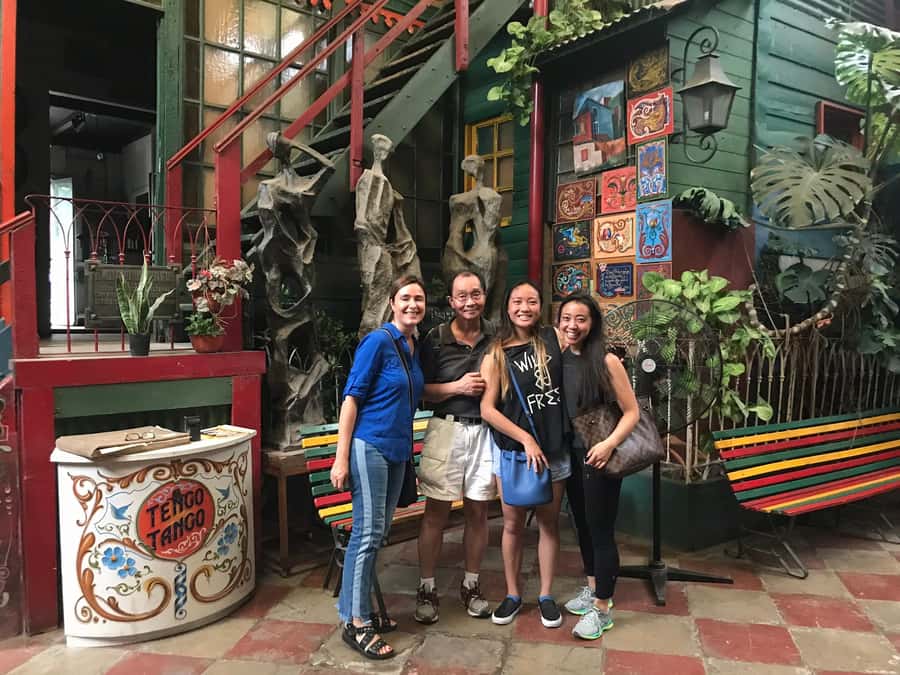
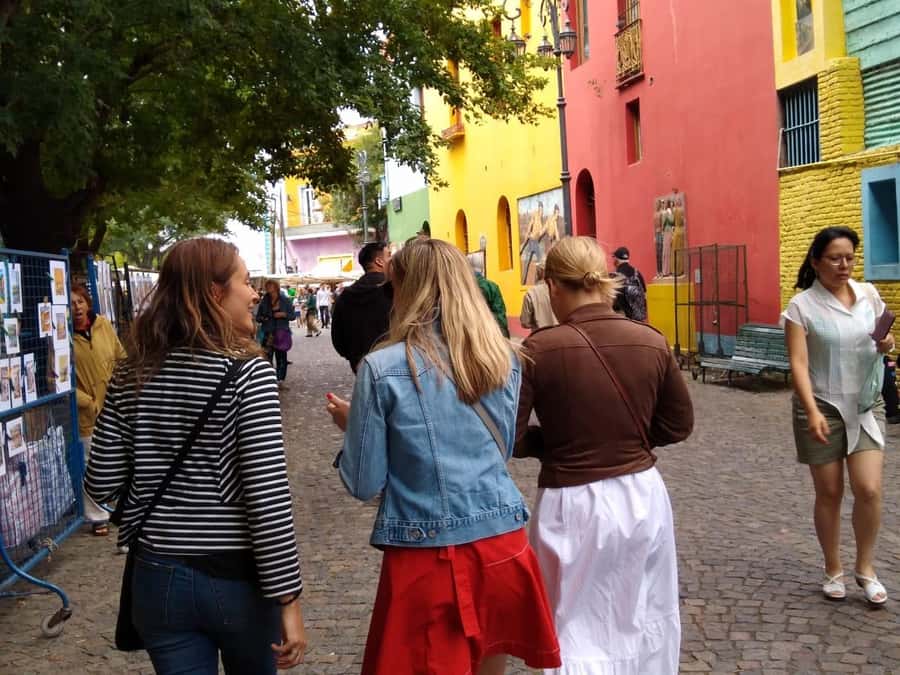
Finally, you end at Caminito, where you can look for tango and fileteado in every corner.
Caminito is the part most people know. The difference here is that you won’t arrive as a blank slate. By the time you get there, you’ve already heard how immigrants arrived, how conventillos sheltered families, why mutual aid mattered, and how murals grew out of real social pressure. So the art in Caminito won’t feel random or purely commercial. You’ll be able to read it as continuity.
Enjoy this final stretch as a gentle landing. You can keep walking a bit on your own after the tour ends in Caminito, but the real payoff is that you now understand the “language” behind the visuals.
Coffee in an Old 1882 Café: A Slow Finish You’ll Remember
After the neighborhood art and street culture, you’ll take a 30-minute coffee break at a notable café that dates to 1882. This is included.
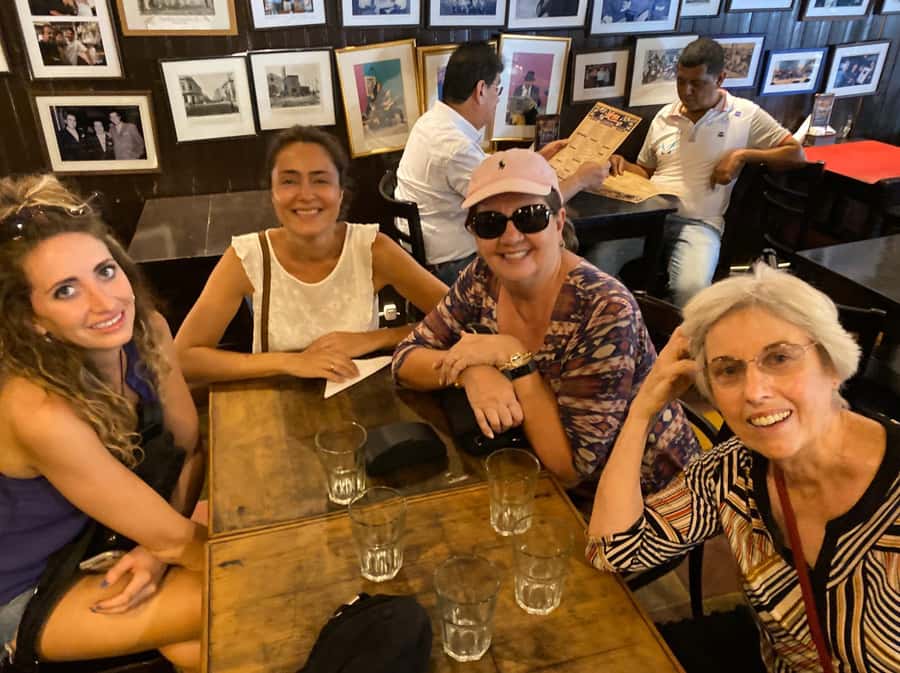
This stop works for two reasons. First, it’s a natural reset after walking and standing around for photos. Second, it feels like a local ritual rather than a tourist add-on. Sitting in a place with real age makes the whole outing feel less like a route and more like a day in the neighborhood.
Since food isn’t included, think of the coffee as a pause, not a meal. If you tend to get hungry fast, plan a light snack earlier so you can enjoy the coffee without rushing.
Price and Value: When $35 Actually Makes Sense
Let’s talk money like adults.
For $35, you’re getting:
- about 150 minutes of guided time,
- small group size (up to 10),
- entrance to the Volunteer Firefighter Station,
- entrance to the corrugated-metal conventillo cultural centre,
- and coffee.
That combo is usually the tricky part to find at short price points in big cities. Many tours keep it outside-only. Here, you get interior access to two institutions that shape how La Boca lived and organized itself.
The one thing not included is food, and that’s worth keeping in mind. If you like to eat during tours, you may want to plan a meal after Caminito or have a snack before you start.
Also, Paola’s optional suggestion sometimes includes the Museum of Fine Arts of La Boca (part of the building was the home of Benito Quinquela Martín), but the ticket isn’t included. If you’re a serious art fan, you might add it later based on your interests.
Who This Tour Fits Best (and Who Might Want Something Different)
I think this tour is ideal if you:
- want La Boca with context, not just pretty streets,
- love street art but also want the social themes behind it,
- enjoy small group conversations and a guide who can answer follow-up questions,
- like mixing architecture, culture, and local institutions in one walk.
It might be less ideal if you:
- prefer a purely casual, no-rules stroll,
- don’t want any discussion of hard social realities (the tour touches on anarchist newspapers and bordellos),
- need a completely seated experience (it’s walking-forward for much of the time).
One more note: it’s not suitable for people over 95 years based on the activity rules provided. And electric wheelchairs aren’t allowed, so plan accordingly.
Should You Book La Boca Out Off the Beaten Track?
Book it if you want La Boca that feels lived-in—where murals, housing, mutual aid, religion, and football all show up for a reason. The included interior access and the small group format make this a strong value at the price.
Skip it if your goal is only a quick taste of Caminito’s visuals and you’re not interested in what built the neighborhood’s identity. In that case, you might spend your time elsewhere and do Caminito independently.
If you do book, do yourself a favor: show up ready to look closely. This tour rewards attention. The payoff is that La Boca stops being a destination and starts feeling like a place with logic.
FAQ
How long is the tour?
The duration is 150 minutes.
What is the price per person?
It costs $35 per person.
Where do I meet, and where does the tour end?
You meet at the corner of Martín Rodríguez and Avenida Don Pedro de Mendoza in La Boca. The tour ends in Caminito.
What’s included in the price?
The tour includes entrance to the Firefighter Station, entrance to the Conventillo, and coffee.
What language is the guide?
The live guide offers Spanish and English.
Is the Quinquela Museum included?
No. If you want to visit the Museum of Fine Arts of La Boca, the ticket entrance is not included.
La Boca, a Few More Corners



Just added to our Buenos Aires notebook
- Guided tour Boca Juniors Museum & Stadium + Caminito
★ 3.3 · 3 reviews - Bike Tour: Buenos Aires to the North
★ 4.0 · 3 reviews - From Colonialism to Eclecticism, Buenos Aires arquitectonica
★ 5.0 · 3 reviews - Enjoy a Rural Experience in a Vineyard near Buenos Aires
★ 4.7 · 3 reviews - Café de los Angelitos – Traditional Night in Buenos Aires
★ 4.8 · 3 reviews - Buenos Aires: Rojo Tango Show with Optional Dinner
★ 3.4 · 3 reviews
La Boca & Caminito, compared.
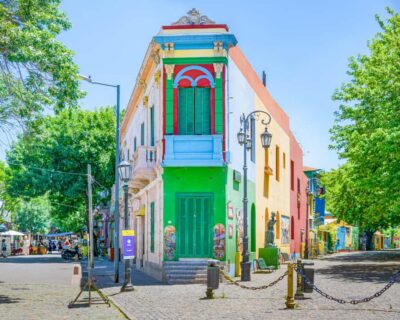 ★ 4.8La Boca Guided Walking Tour in EnglishFrom $131,587 reviews
 ★ 4.1Navigation from Pto. Madero to La BocaFrom $18147 reviews
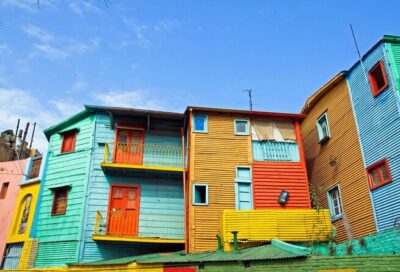 ★ 4.5Buenos Aires Bike Tour: San Telmo and La Boca DistrictsFrom $4574 reviews
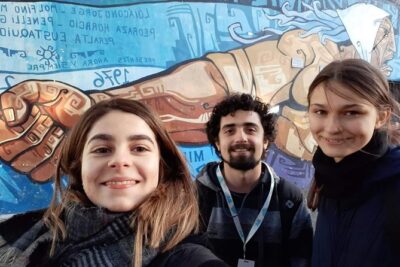 ★ 5.0La Boca, a collective creation: Port, immigrants, arts and footballFrom $6558 reviews
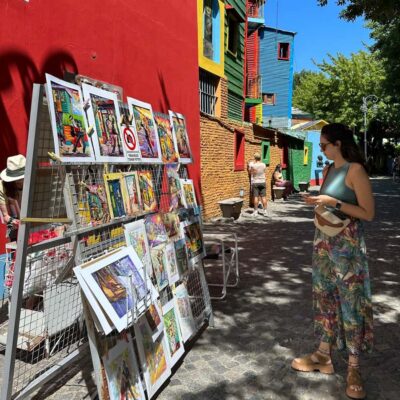 ★ 4.8La Boca Art and History Walking TourFrom $4655 reviews
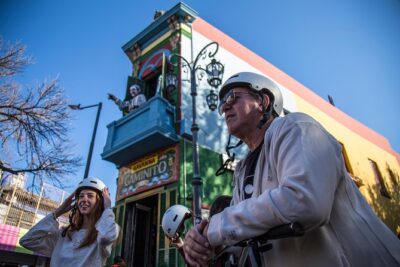 ★ 5.0La Boca and City Center Bike TourFrom $3854 reviews
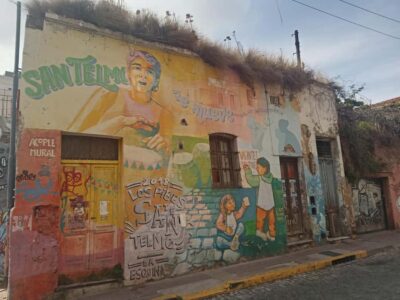 ★ 5.0SAN TELMO + CAMINITO THE LOCAL WALKING TOUR!From $358 reviews
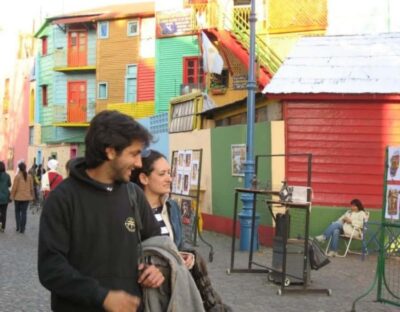 ★ 5.0Boca tour: Tango, Soccer, Art and ImmigrationFrom $504 reviews
Browse the lists this tour appears in