
Reviewed · WINE & MALBEC TASTINGS
Premium Argentinian Wines and Malbec Tasting Experience
Argentina’s wine story makes sense fast.
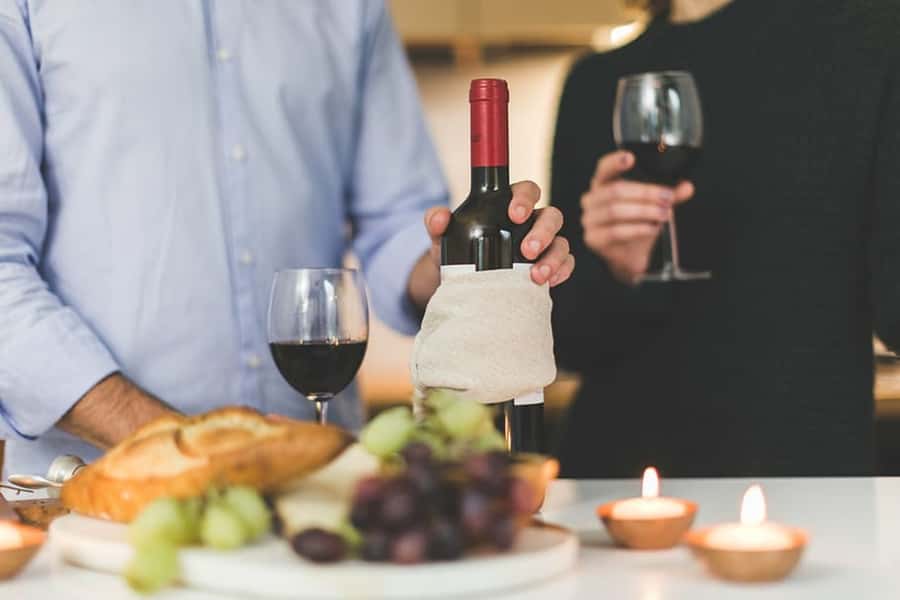
This Malbec-focused tasting in Palermo Soho turns a wine lesson into a fun, bite-sized evening: you taste Torrontés, Pinot Noir, and Malbec while a live guide walks you through how Mendoza, Salta, and Patagonia shape flavor. The format is simple enough to enjoy, but structured enough that you actually come away with a map in your head.
Two things I really like are the generous, guided pacing and the food pairing—especially when cheese and classic Argentine appetizers are served alongside the pours. One consideration: it’s not a sit-down long meal, so if you want a full dinner with wine all night, this 90-minute class may feel brief.
In This Review
- Quick Take: What Makes This Tasting Worth 90 Minutes
- Palermo Soho Is a Good Base for a Wine Night
- The 90-Minute Structure: Appetizer, Three Wines, and Pairing Lessons
- What You’ll Learn: The Mendoza vs. Salta vs. Patagonia Flavor Map
- The Wines: Torrontés, Pinot Noir, and Malbec (and How to Tell Them Apart)
- Food Pairing: Cheese and a Typical Argentine Appetizer
- How the Host Makes or Breaks the Experience
- Price and Value: Why $50 Can Be a Good Deal
- Weather-Proof Plans and Pacing That Doesn’t Drag
- Who This Works Best For (and Who Might Skip It)
- Should You Book This Argentine Wine and Malbec Tasting?
- FAQ
- What wines are included in the tasting?
- Where does the tour start?
- How long is the experience?
- What is included in the price?
- Is hotel pickup or drop-off included?
- What food is served?
- Will the experience run if it rains?
- What languages are the guides available in?
- Is it suitable for children and wheelchairs?
- What’s the cancellation policy?
Quick Take: What Makes This Tasting Worth 90 Minutes

- Three classic grapes: Torrontés, Pinot Noir, and Malbec, tested back-to-back so you can compare style differences.
- Regional wine production explained: Mendoza vs. Salta vs. Patagonia, using what you taste to learn why it matters.
- Cheese pairings built into the session so you can learn flavor pairing, not just drink wine.
- Appetizers with the pours for a more Argentine feel, not an all-snack “light show.”
- Guides with real communication skills—hosts like Lourdes, Tomas, Faku, Myrian, Pamela, and Andrea come up in the experience, and that matters for questions.
More Malbec poured and bodegas visited around Buenos Aires.
- Premium Argentinian Wines and Malbec Tasting Experience★ 4.6 · 60 reviews
- Discover Argentine Wines Paired with Delicious Tapas★ 5.0 · 51 reviews
- Sailing with Wine Tasting in Buenos Aires★ 5.0 · 50 reviews
Palermo Soho Is a Good Base for a Wine Night
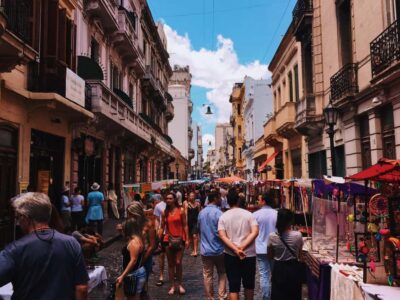
Palermo Soho is one of the easiest neighborhoods to tack onto a Buenos Aires trip because it’s walkable, full of late dinner energy, and not far from plenty of sights. Meeting here also means you can plan around it like a normal outing, not a half-day logistics project.
The meeting point is listed at Gorriti 4882 in Palermo, with a note that Gorriti 4886 may be used for meeting details—so I’d treat this as your signal to confirm the exact corner/pin when you get your confirmation. Either way, it’s in the Palermo area, and you can usually get there smoothly by Uber rather than trying to wrangle public transport right before a tasting.
If you’re staying in central areas, this kind of location is practical: you can still do a museum or a long lunch earlier, then switch gears for wine and snacks without feeling rushed.
The 90-Minute Structure: Appetizer, Three Wines, and Pairing Lessons
This experience is designed to land in a sweet spot: long enough to learn the “why,” short enough that you won’t feel stuck. You should plan on about 90 minutes total, which typically flows like a compact class with tasting stops.
Here’s the rhythm you can expect:
- You start with an introduction to Argentina’s winemaking story and how different regions change the glass.
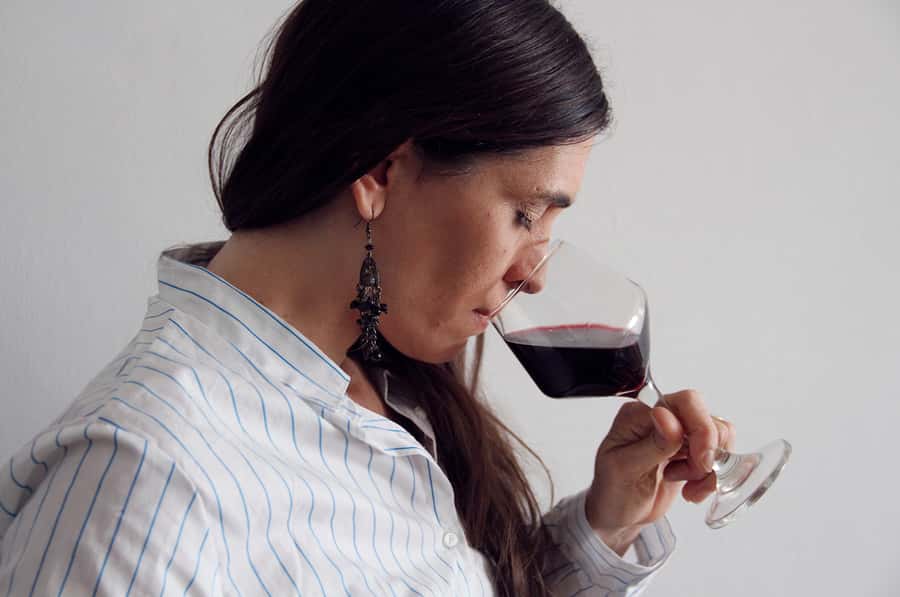
- You taste a set selection of wines with guidance on what to look for: appearance, aroma, taste, and the way each wine behaves with food.
- You enjoy an appetizer while tasting three wines: Torrontés, Pinot Noir, and Malbec.
- You finish with guidance that helps you connect the bottle back to vineyard location and grape variety.
Because Malbec is the headline grape, it’s tempting to think the tasting is only about that. It isn’t. The real value is that you get a comparative framework: you taste Malbec, then contrast it against Torrontés and Pinot Noir so you can explain differences without guessing. That’s the kind of skill that sticks when you’re shopping later.
What You’ll Learn: The Mendoza vs. Salta vs. Patagonia Flavor Map
Argentina is famous for Malbec, but the country is bigger than one grape. This experience explicitly focuses on Argentina’s three main vineyard regions—Mendoza, Salta, and Patagonia—and connects them to the nuances you notice in each pour.
Why this matters for you: you don’t just learn names. You learn what to listen for when you’re reading a label or ordering wine in a restaurant. Mendoza tends to anchor classic Argentine reds, Salta can lead to different aromatic impressions, and Patagonia often points you toward cooler-climate behavior. You may not need to memorize climate charts, but you will get enough context to recognize why a wine tastes the way it does.
This is also where the best guides make a difference. Named hosts like Tomas and Faku are praised for connecting regional history to practical tasting—so you understand the bottle instead of just hearing facts. That turns a “drinking session” into a useful mini-education you can repeat at home.
More to eat and drink your way through in Buenos Aires.
The Wines: Torrontés, Pinot Noir, and Malbec (and How to Tell Them Apart)
This class is built around three specific types of wine: Torrontés, Pinot Noir, and Malbec. That set isn’t random—it gives you a quick spectrum.
- Torrontés: You’ll get a white wine served during the tasting, which helps you reset your palate before the reds. If you’re used to thinking of Argentine wine as only red, Torrontés is often where the surprise happens.
- Pinot Noir: Another curveball that helps you compare lighter, cooler-climate behavior against the heavier styles you might expect from Argentina.
- Malbec: The star of the show. You taste it in the context of the lesson, so you can talk about it beyond “it’s bold” or “it’s smooth.”
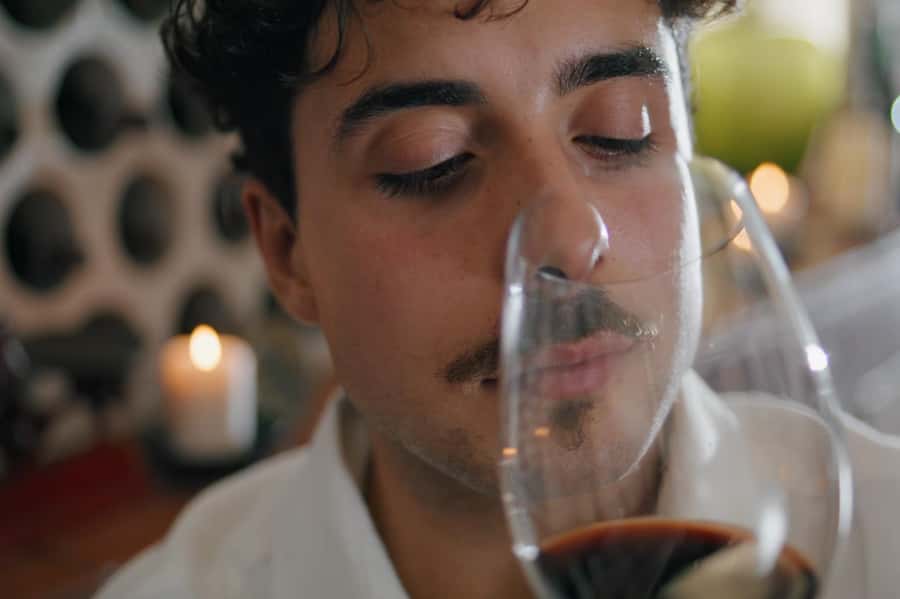
The guides focus on how to assess each wine: what you notice first in appearance and aroma, what shows up on the palate, and how your cheese or appetizer pairing shifts perception. Even if you’re not a formal wine nerd, this format makes you more confident about what you like—and why.
Food Pairing: Cheese and a Typical Argentine Appetizer
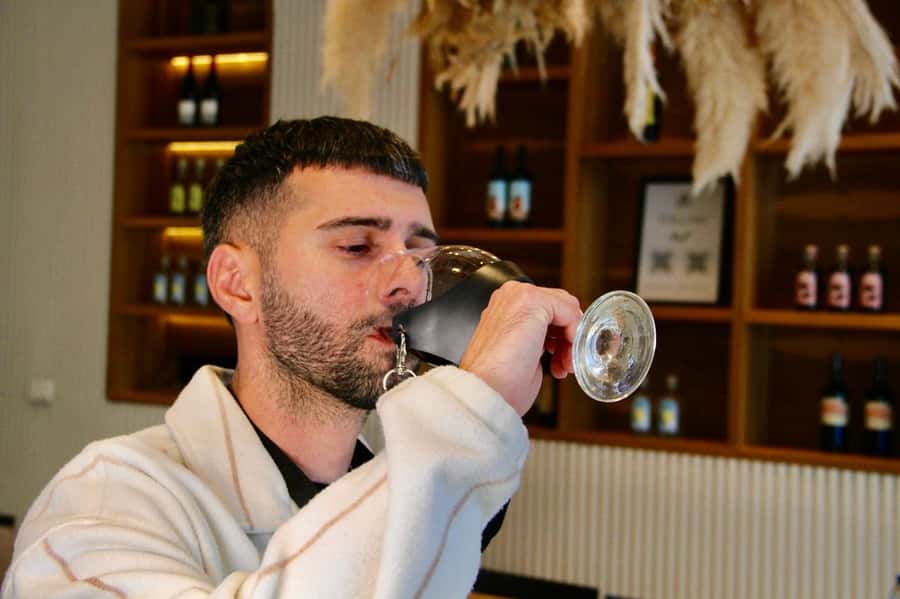
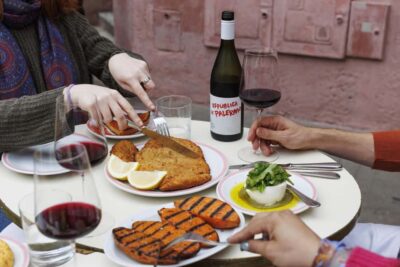
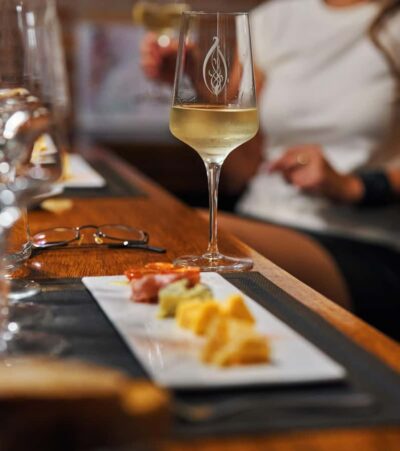
Wine tastes better when it’s fed. This experience includes food and drinks, and it specifically pairs wines with cheese and a typical Argentinian appetizer.
That pairing element is one of the most practical parts of the night:
- Cheese helps you catch flavor details that might be muted in plain tasting.
- Salty, savory snacks give your palate structure, so you can experience the wine rather than just react to it.
If you’re the kind of person who wants to learn without reading ten pages of notes, pairing is the shortcut. You taste, then the guide explains what’s happening. That turns your mouth into the classroom.
One review also highlights how guides can handle more personal dietary needs (like celiac or lactose intolerance). The experience information doesn’t spell out a guaranteed menu customization policy, so I can’t promise anything. But it’s a good sign that the hosts take care and communication seriously.
How the Host Makes or Breaks the Experience
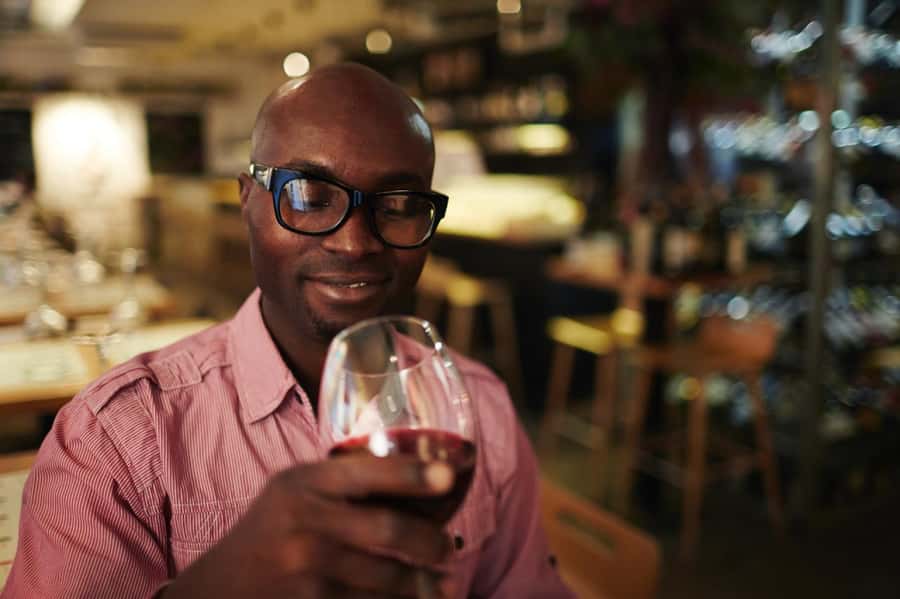
In wine tastings, the bottle is only half the story. The other half is how the host explains it, keeps the pacing friendly, and answers questions without turning the evening into a lecture.
Hosts come up by name in the feedback: Lourdes is praised for making people feel at home and giving generous pours, Tomas is noted for regional context and strong food pairing guidance, and Faku is mentioned for explaining the history of wine making in Argentina and even using original antique maps. You’ll feel that difference right away if you like asking questions—because a good guide treats curiosity like part of the experience, not a distraction.
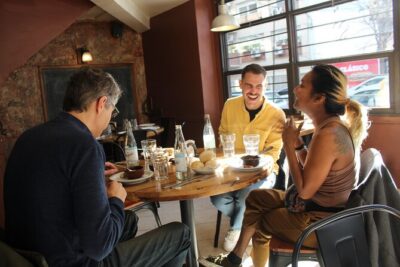
You’ll likely notice a conversational tone more than a stiff classroom vibe. That’s great if you’re traveling with friends and want something social, but still want to leave with a clearer idea of which wines to order next.
Price and Value: Why $50 Can Be a Good Deal
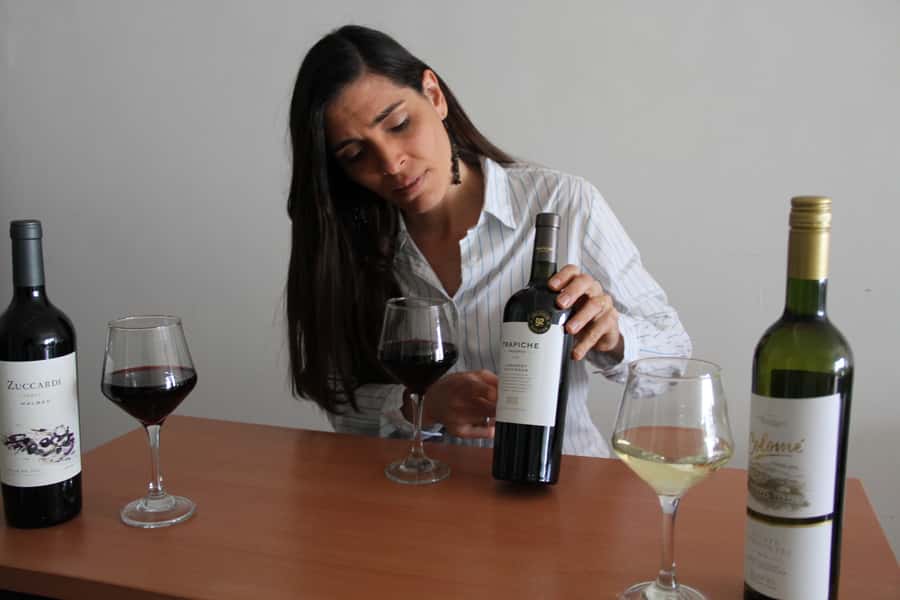
$50 per person for a 90-minute, guided, multi-wine tasting with food and drinks is not cheap, but it’s often fair value in a big city where “just showing up and drinking” usually costs more.
Here’s where the value comes from:
- You’re tasting multiple varietals (three specific wines), not one “house pour.”
- You get a live guide who connects the tasting to regional production differences.
- You get cheese pairings plus an Argentinian appetizer, so the evening isn’t just alcohol with snacks.
If your goal is to learn quickly and sample well-chosen wines in a comfortable setting, this is a solid option. If your goal is to drink your weight in wine without much structure, you may feel like you’re paying for instruction you didn’t ask for. The format is educational by design—so it’s best when you want both.
Weather-Proof Plans and Pacing That Doesn’t Drag
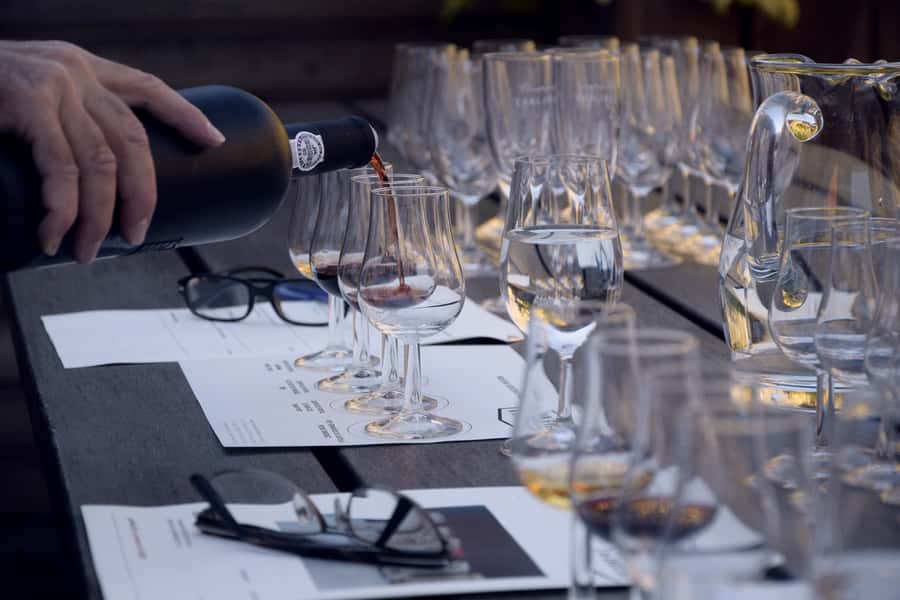
One nice practical point: the experience is scheduled to run even if it rains or storms. That matters in Buenos Aires, where weather can flip faster than you can finish your coffee.
Also, 90 minutes is the right length for most people. You’ll get enough time to taste, compare, and ask questions. Then you can move on with your night—dinner, a walk through Palermo, or just a relaxed wander without feeling like you’re trapped until midnight.
Who This Works Best For (and Who Might Skip It)
This tasting is a great fit if you:
- Want a quick, structured introduction to Argentine wines without needing prior knowledge.
- Plan to eat out later and want pairing insight.
- Like Malbec but want to understand how other grapes show Argentina’s range.
- Prefer a guided experience that helps you buy smarter afterward.
It’s not a fit if you:
- Need wheelchair access, since it’s listed as not suitable for wheelchair users.
- Are traveling with children under 18, since it’s not for kids.
If you’re going solo or as a couple, the pacing is social enough to keep you engaged, and the content is specific enough that you won’t feel like you’re being talked at.
Should You Book This Argentine Wine and Malbec Tasting?
Book it if you want a well-paced introduction to Argentine wine that mixes three grape varieties, regional context (Mendoza, Salta, Patagonia), and cheese plus an appetizer. The price makes sense for what’s included, and the strongest part is the guided tasting that helps you learn the bottle, not just taste it.
Skip it if you’re only chasing Malbec and don’t care about comparing it with Torrontés and Pinot Noir. Also, if you’re the type who hates any structure at all, treat this like a class: you’ll get the most from it by leaning into the learning.
If you’re unsure, this is the kind of experience that tends to pay off because it changes how you read wine labels and order in restaurants afterward—so you’re not just paying for one night, you’re buying clarity for future nights.
FAQ
What wines are included in the tasting?
You’ll taste three wines: Torrontés, Pinot Noir, and Malbec.
Where does the tour start?
The meeting point is listed at Gorriti 4882, Palermo (C1414), Buenos Aires. A note also references Gorriti 4886, so confirm the exact meeting pin when you receive confirmation.
How long is the experience?
The experience duration is 90 minutes.
What is included in the price?
It includes a professional tour guide plus food and drinks during the tasting.
Is hotel pickup or drop-off included?
No. Hotel pickup and drop-off are not included.
What food is served?
You’ll have an appetizer typical of Argentina, and you’ll also do cheese pairings alongside the wines.
Will the experience run if it rains?
Yes. The experience will run even if it rains or storms.
What languages are the guides available in?
The live tour guide is available in English, Spanish, and Portuguese.
Is it suitable for children and wheelchairs?
It’s not suitable for children under 18 and not suitable for wheelchair users.
What’s the cancellation policy?
You can cancel up to 24 hours in advance for a full refund.
More Bottles to Try in Buenos Aires



More Food and Drink in Buenos Aires


More Malbec Poured in Buenos Aires
Just added to our Buenos Aires notebook
- Guided tour Boca Juniors Museum & Stadium + Caminito
★ 3.3 · 3 reviews - Bike Tour: Buenos Aires to the North
★ 4.0 · 3 reviews - From Colonialism to Eclecticism, Buenos Aires arquitectonica
★ 5.0 · 3 reviews - Enjoy a Rural Experience in a Vineyard near Buenos Aires
★ 4.7 · 3 reviews - Café de los Angelitos – Traditional Night in Buenos Aires
★ 4.8 · 3 reviews - Buenos Aires: Rojo Tango Show with Optional Dinner
★ 3.4 · 3 reviews
Wine & Malbec Tastings, compared.
 ★ 4.8Wine Tasting and Lunch at Bodega GamboaFrom $169177 reviews
 ★ 5.0Discover Argentine Wines Paired with Delicious TapasFrom $8451 reviews
 ★ 5.0Sailing with Wine Tasting in Buenos AiresFrom $36550 reviews
 ★ 4.9Premium Empanadas Cooking Class & Wine Tasting ExperienceFrom $4935 reviews
 ★ 4.8Small-Group Wine TastingFrom $5018 reviews
 ★ 4.9Wine Tasting & Lunch at Gamboa VineyardFrom $22017 reviews
 ★ 4.0Premium Argentinian Wine and Malbec Tasting & Urban Art TourFrom $6516 reviews
 ★ 4.3City Tour Porteno with Wine TastingFrom $475 reviews
Browse the lists this tour appears in