
Reviewed · WINE & MALBEC TASTINGS
Premium Empanadas Cooking Class & Wine Tasting Experience
Empanadas and wine in Palermo in two hours. I love the hands-on empanada-making and the guided Argentine wine tasting, because you learn how to do both, not just eat them. The only downside is the $49 price tag, so think of it as a treat, not a budget meal.
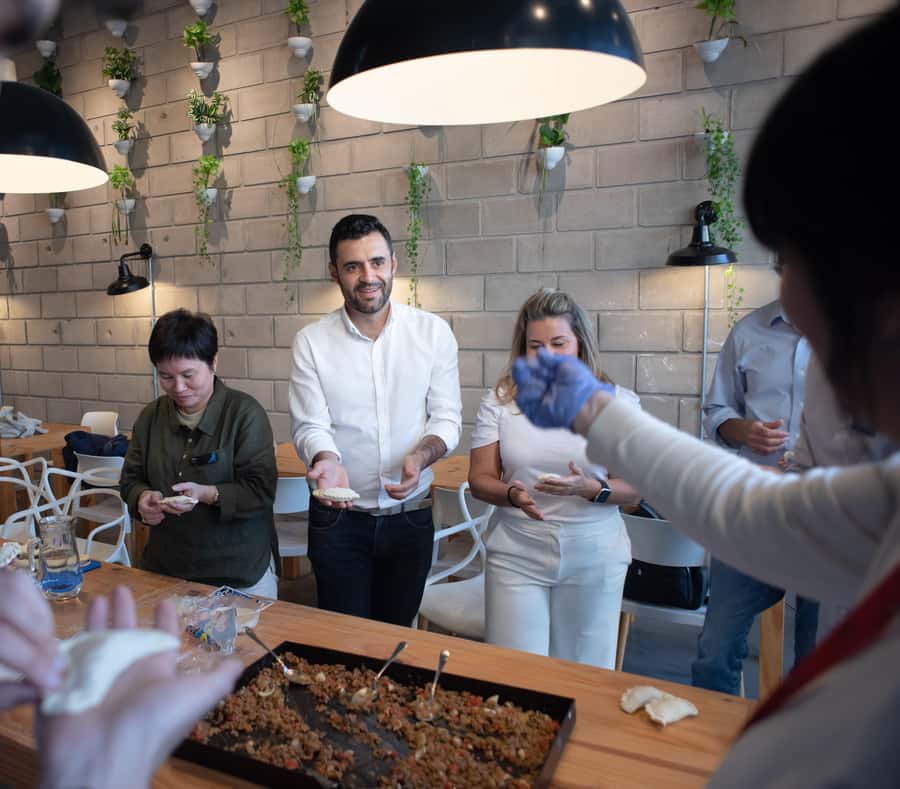
I like the simple setup: meet at Gorriti 4886 and you’ll step into a small-group cooking space where questions are easy. Instructors such as Catalina or Valentin often add context along the way, from empanada technique to why Malbec and Cabernets show up with such different flavors.
The class runs rain or shine and lasts about two hours, with no hotel pickup, so you’ll plan your own trip into Palermo. You’ll make empanadas that fit breakfast, lunch, or dinner, and then taste Malbec, plus Cabernet Sauvignon and Cabernet Franc as the guide explains Argentina’s winemaking choices.
In This Review
- Key things you should know before you go
- What You’re Really Buying: Empanada Skills Plus Argentine Wine Tasting
- Gorriti 4886 in Palermo: Getting There and Timing the Two Hours
- Inside the Empanada Workshop: From Authentic Recipe to Your Plate
- Wine Tasting With a Purpose: Malbec, Cabernet Sauvignon, and Cabernet Franc
- What Makes It Feel Local: Conversation, Pace, and Pairing
- Price and Value at $49: Is This a Good Deal for Buenos Aires?
- Should You Book It: My Practical Recommendation
- FAQ
- How much does the empanadas cooking class and wine tasting cost?
- How long is the experience?
- Where do I meet the guide in Palermo?
- Is hotel pick up or drop off included?
- Which wines are included in the tasting?
- What languages will the live guide speak?
- Does the experience run if it rains?
- Is this class suitable for children?
- What are the cancellation and pay-later options?
Key things you should know before you go
- You leave with a repeatable empanada recipe you can actually make at home, not just admire
- Three varietals, not random wine: Malbec, Cabernet Sauvignon, and Cabernet Franc
- Wine lessons tied to what you taste so the glass has a story
- Small-group pacing that keeps conversation from getting awkward
- You’ll eat what you make (appetizer or main-dish style, depending on your appetite)
- No hotel pickup means you should be comfortable heading to Palermo on your own
Fold your own empanadas and alfajores, more classes in Buenos Aires.
- Buenos Aires: Empanadas and Alfajores Guided Cooking Class★ 4.8 · 486 reviews
- Buenos Aires: Empanada & Alfajor Cooking Lesson in Palermo★ 4.6 · 186 reviews
- Buenos Aires Food Tour: Local Dishes, Steak, Empanada & More★ 5.0 · 118 reviews
What You’re Really Buying: Empanada Skills Plus Argentine Wine Tasting
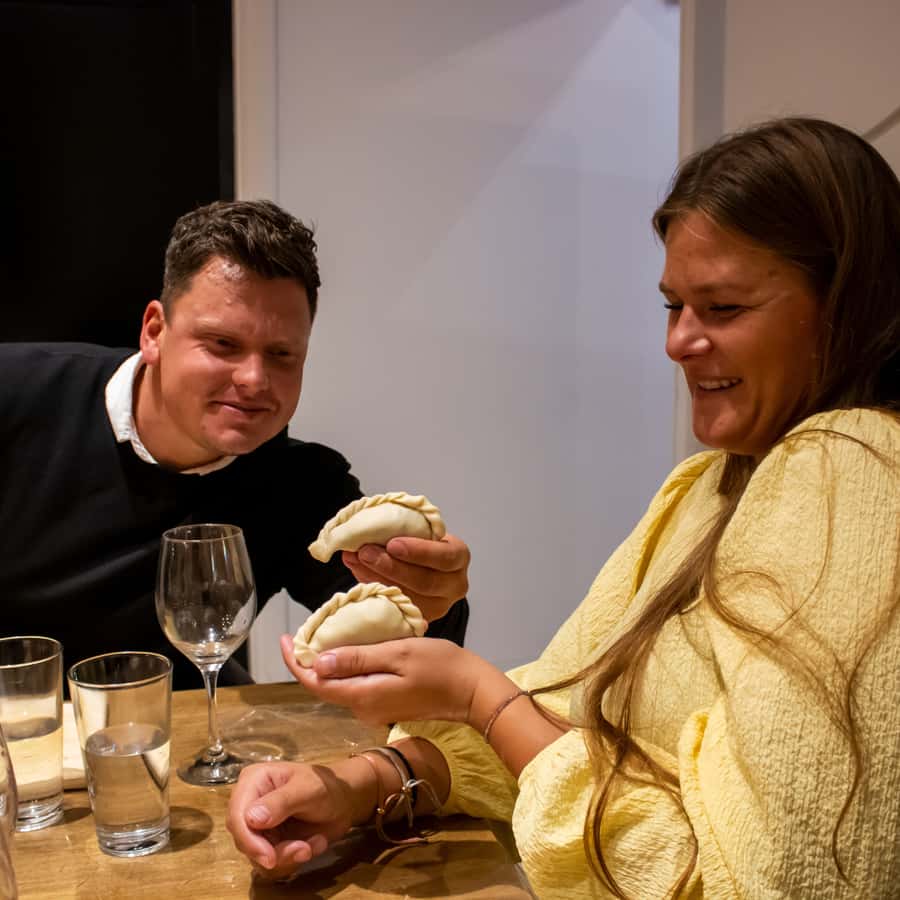
This is a two-hour “learn and eat” class. The empanada part is hands-on and recipe-based, so you’re doing the work—prepping, shaping, and making something you’ll gladly take a second bite of. The wine part isn’t just free-flow tasting either. You get guided explanations about what the grapes are doing (and why Argentine versions can taste a bit different than you expect), plus how winemaking choices affect the final flavor.
That pairing matters. Empanadas are comfort food in Argentina, and the wines are meant to complement the meal style—salty, savory, and hearty. When you understand why Malbec tends to bring certain fruit and structure, and how Cabernet Sauvignon or Cabernet Franc can shift the aroma and finish, you start tasting with intention rather than guessing.
You’ll also get a culture layer: typical Argentine empanadas, plus broader food-and-wine context that helps the meal feel like more than just a cooking demo. And based on how instructors like Catalina, Valentin, Lourdes, Fernando, and Thomas/Tomás have been described, you can expect clear, friendly guidance that keeps the tone relaxed.
Gorriti 4886 in Palermo: Getting There and Timing the Two Hours
Logistics are refreshingly simple. You meet at Gorriti 4886 in Palermo, and you should arrive about 5 minutes early so you don’t slow down the start. There’s no hotel pickup, so plan to use walking, a taxi, or rideshare to get to the neighborhood on your own.
This matters because a two-hour class is short. The best outcome is showing up calm and on time, ready to cook and then taste. If you’re squeezing this in before a flight, the session can still work well because the pacing is tight and structured.
One more practical tip: the venue is described as clean and bright, with lots of light and space. That’s not just nice—it helps when you’re learning hands-on cooking steps. If you prefer not to lug bags around, you might find the team can help with small practical extras (one person noted they could leave luggage briefly), but don’t count on it; ask or plan to travel light.
Inside the Empanada Workshop: From Authentic Recipe to Your Plate
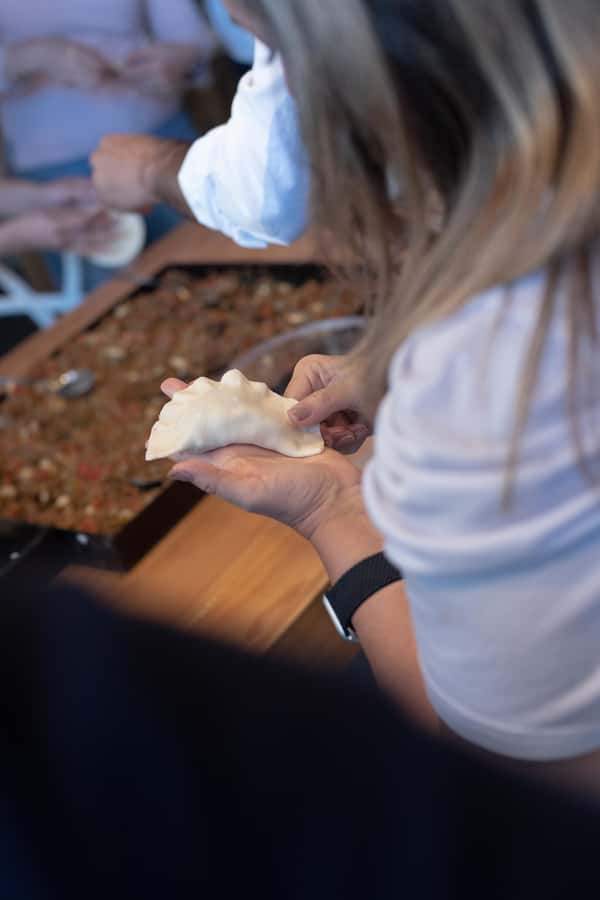
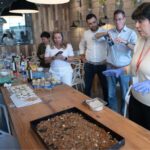
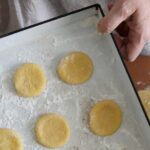
The core of the class is learning how to make typical Argentine empanadas using an authentic recipe. You get ingredients provided, and you’re guided through the steps while learning how empanadas are built—how the filling and dough work together, and how to handle the dough so you end up with empanadas that actually hold up.
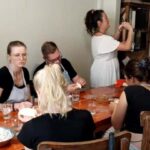
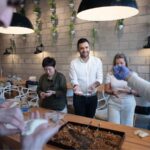
In a small group, you’re not just watching. The pace is designed for participation and conversation. Some sessions have been described as very small—sometimes as small as a couple, and at other times around seven people—so you get more individual attention than you would in a large group cooking block.
Instructors are also known for mixing technique with context. You might hear background on what makes empanadas a classic Argentine go-to and why certain choices show up in the recipe style. That helps your cooking make sense, especially if you’ve never folded a dumpling-like pastry before.
Food reality check: empanadas come out looking different from person to person, and that’s normal. Even if your first batch isn’t perfectly photogenic, you’re still eating something homemade and satisfying. One person noted their final empanadas didn’t look great but tasted delicious—exactly the kind of reminder you want in a short class.
One consideration: filling style can vary. A comment flagged that one session used an onion-heavy approach that made the filling taste more onion-forward than expected. If you don’t love onions, it’s worth keeping that in mind when you’re deciding—especially if you’re picky about strong flavors.
Also, you eat the results right away. The class is timed so your empanadas work as a meal on their own—appetizer if you’re sharing or snack-happy, main dish if you’re hungry.
More Malbec poured and bodegas visited around Buenos Aires.
Wine Tasting With a Purpose: Malbec, Cabernet Sauvignon, and Cabernet Franc
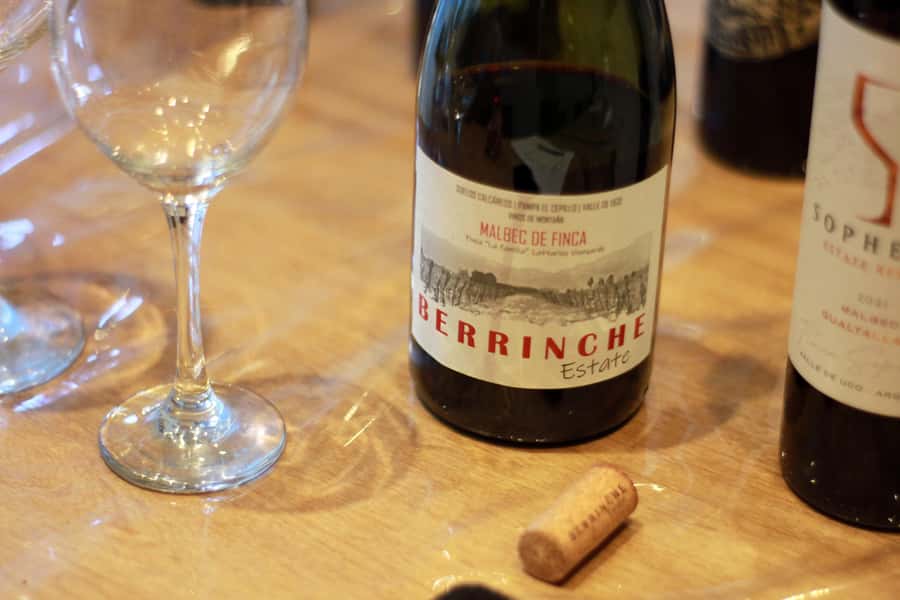
The wine part is structured around three varietals: Malbec, Cabernet Sauvignon, and Cabernet Franc. What you learn isn’t vague. You get guidance about the characteristics of each grape, plus how winemaking methods in Argentina can shape what you smell and taste.
Here’s why I like this format. If you’ve ever done wine tasting where you just get flavors described and then move on, you end up with a memory that fades fast. In this class, you’re taught what to notice—how the grape identity shows up in the glass, and how the style can shift with Argentine production choices.
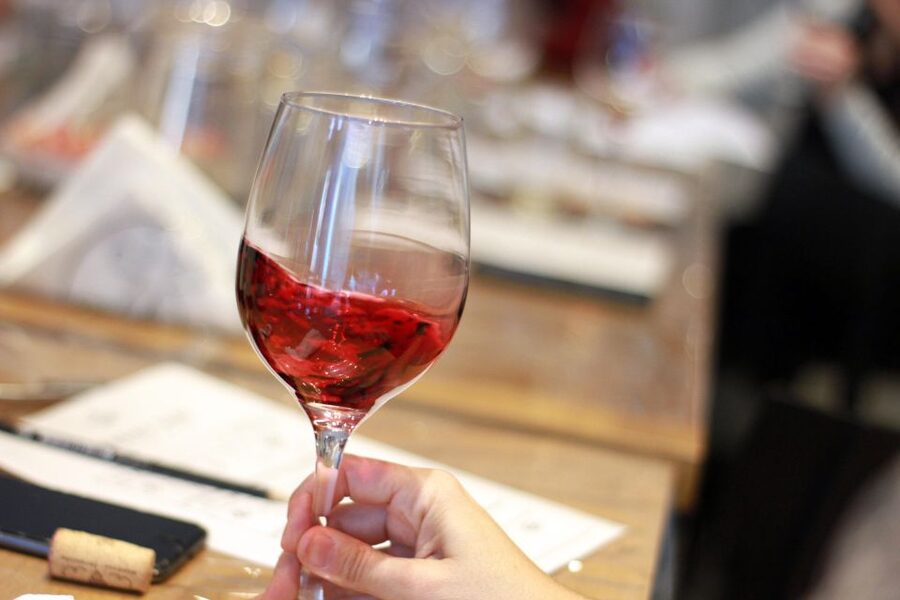
You’ll taste and compare, and the guide ties it back to grape behavior. Malbec often gets treated as the “signature” Argentine grape for a reason: it’s expressive and tends to bring a certain roundness that pairs well with savory pastries. Cabernet Sauvignon can lean more structured, and Cabernet Franc often adds its own aromatic personality—different enough that you can feel the contrast in a short tasting lineup.
If you like practical learning, this is the best kind of tasting. It’s not about pretending you’re a sommelier. It’s about giving you a simple mental map: grape → typical expression → how your glass might land on the scale from fruit-forward to more herb/spice/structure.
And yes, you’re tasting during a class that also involves cooking. That means the wines feel integrated, like part of your meal, not like a separate add-on event.
What Makes It Feel Local: Conversation, Pace, and Pairing
The whole point of doing this in Palermo is that it feels like a real Buenos Aires afternoon or evening, not a tourist-only cafeteria meal. The vibe is guided and social, with room to talk. Instructors have been praised for being friendly and for explaining not just the cooking or wine, but also things to look for around the city during your time there.
That’s especially useful if you’re new to Buenos Aires. Wine tasting can be educational, and cooking can be fun, but recommendations about what to do next in the neighborhood can be the thing that makes the day feel like yours.
Pacing is another local-feeling detail. One description said the structure worked well for conversation, with the group staying engaged through each stage. That’s exactly what you want in a tight two-hour window: you shouldn’t feel rushed, and you shouldn’t feel like you’re waiting around.
Even the fact that the class goes rain or shine helps you plan confidently. Buenos Aires weather can do its thing, and you don’t want dinner plans to collapse over drizzle.
One last note on comfort: the venue is described as accessible and spacious with good light. That matters because you’re working with your hands—having enough room and a clear setup makes it easier to learn and less stressful to participate.
Price and Value at $49: Is This a Good Deal for Buenos Aires?
Let’s talk value honestly. At $49 per person, this isn’t a throwaway activity. Some people have flagged the price as on the higher side, and that’s fair. You’re paying for three things that cost money and time: an instructor-led cooking class, provided ingredients, and guided wine tasting (with a structured explanation, not just pouring).
So when does it feel like a good deal?
- If you want a hands-on cooking skill you can repeat at home
- If you actually care about tasting and comparing Malbec and Cabernets with context
- If you’re short on time and want a self-contained “meal + activity” block
When might it feel less worthwhile?
- If you only want casual food sampling with no interest in the wine lesson
- If you’re budgeting tightly, because two hours doesn’t feel like “a whole day” in Buenos Aires pricing terms
My practical take: the value improves if you go in hungry and curious. You’ll eat what you make, and you’ll understand more than just the taste—what’s driving it. And since the session is structured and small-group, you’re more likely to feel you got your money’s worth from the instruction, not just the food.
Should You Book It: My Practical Recommendation
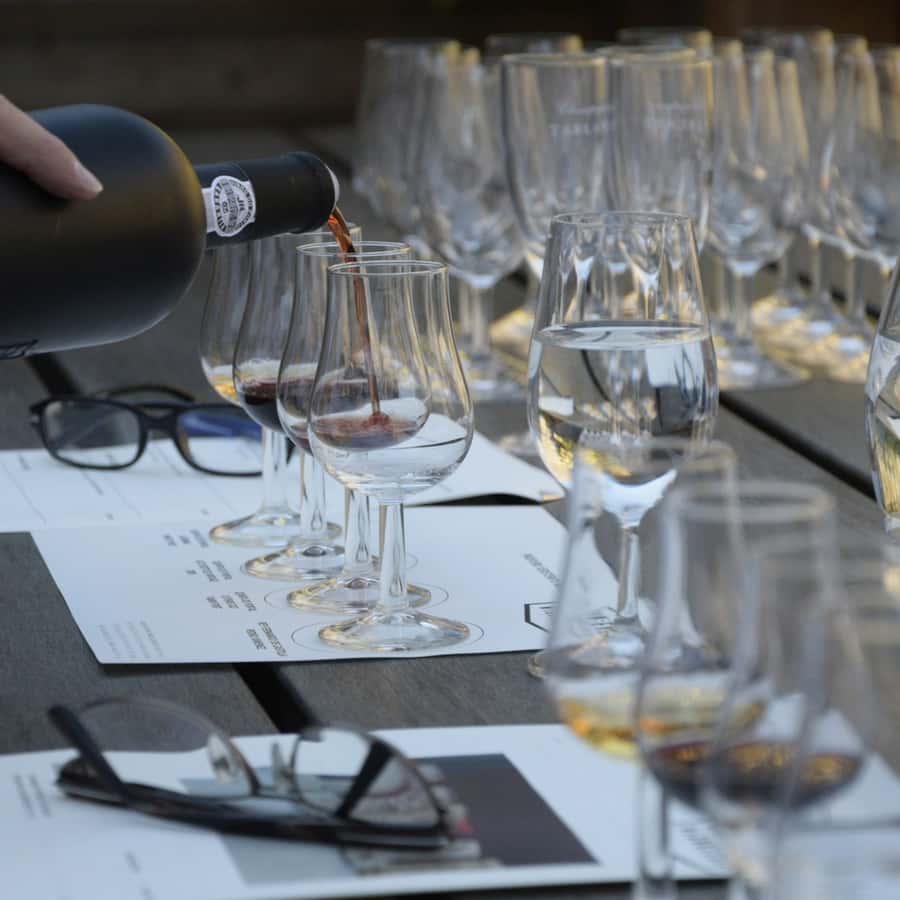
If you want a fun Buenos Aires night (or afternoon) that combines hands-on cooking with a real wine tasting explanation, I’d book it—especially if you’re the type who likes to learn by doing. The empanada skill is the kind you can recreate later, and the wine lesson makes the tasting feel purposeful.
I’d hesitate only if price is your main deciding factor or if you strongly dislike onions, since one filling approach has been described as onion-forward. If neither is an issue, this is an excellent way to spend two hours in Palermo with a plate you helped create and wines you can compare with clarity.
FAQ
How much does the empanadas cooking class and wine tasting cost?
It’s priced at $49 per person.
How long is the experience?
The experience lasts about 2 hours.
Where do I meet the guide in Palermo?
You meet at Gorriti 4886 in Palermo. Arrive about 5 minutes early.
Is hotel pick up or drop off included?
No. Hotel pick up/drop off is not included.
Which wines are included in the tasting?
You taste premium Argentine wines including Malbec, Cabernet Sauvignon, and Cabernet Franc.
What languages will the live guide speak?
The live guide speaks Spanish, English, and Portuguese.
Does the experience run if it rains?
Yes. The activity takes place even if it rains or shines.
Is this class suitable for children?
No. It’s not suitable for children under 18.
What are the cancellation and pay-later options?
You can cancel up to 24 hours in advance for a full refund, and you can reserve now and pay later.
More Food and Drink in Buenos Aires
More Malbec Poured in Buenos Aires



Back in the Buenos Aires Kitchen
Just added to our Buenos Aires notebook
- Guided tour Boca Juniors Museum & Stadium + Caminito
★ 3.3 · 3 reviews - Bike Tour: Buenos Aires to the North
★ 4.0 · 3 reviews - From Colonialism to Eclecticism, Buenos Aires arquitectonica
★ 5.0 · 3 reviews - Enjoy a Rural Experience in a Vineyard near Buenos Aires
★ 4.7 · 3 reviews - Café de los Angelitos – Traditional Night in Buenos Aires
★ 4.8 · 3 reviews - Buenos Aires: Rojo Tango Show with Optional Dinner
★ 3.4 · 3 reviews
Wine & Malbec Tastings, compared.
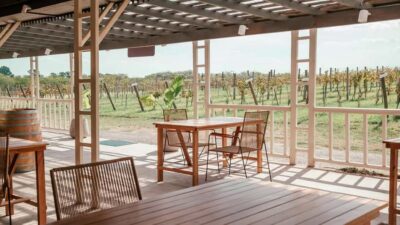 ★ 4.8Wine Tasting and Lunch at Bodega GamboaFrom $169177 reviews
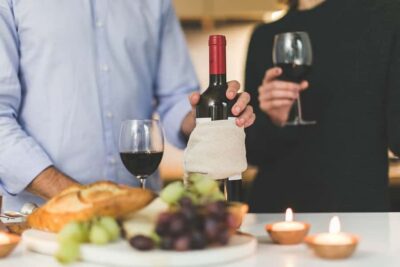 ★ 4.6Premium Argentinian Wines and Malbec Tasting ExperienceFrom $5060 reviews
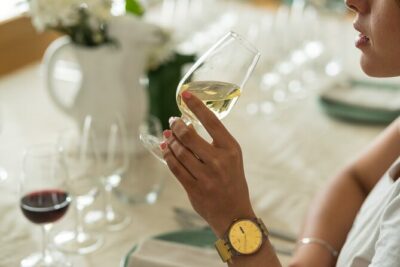 ★ 5.0Discover Argentine Wines Paired with Delicious TapasFrom $8451 reviews
 ★ 5.0Sailing with Wine Tasting in Buenos AiresFrom $36550 reviews
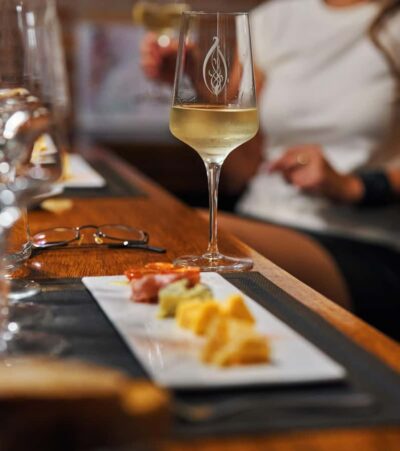 ★ 4.8Small-Group Wine TastingFrom $5018 reviews
 ★ 4.9Wine Tasting & Lunch at Gamboa VineyardFrom $22017 reviews
 ★ 4.0Premium Argentinian Wine and Malbec Tasting & Urban Art TourFrom $6516 reviews
 ★ 4.3City Tour Porteno with Wine TastingFrom $475 reviews
Browse the lists this tour appears in