
Reviewed · BUENOS AIRES
Private Street Art Tour in Buenos Aires
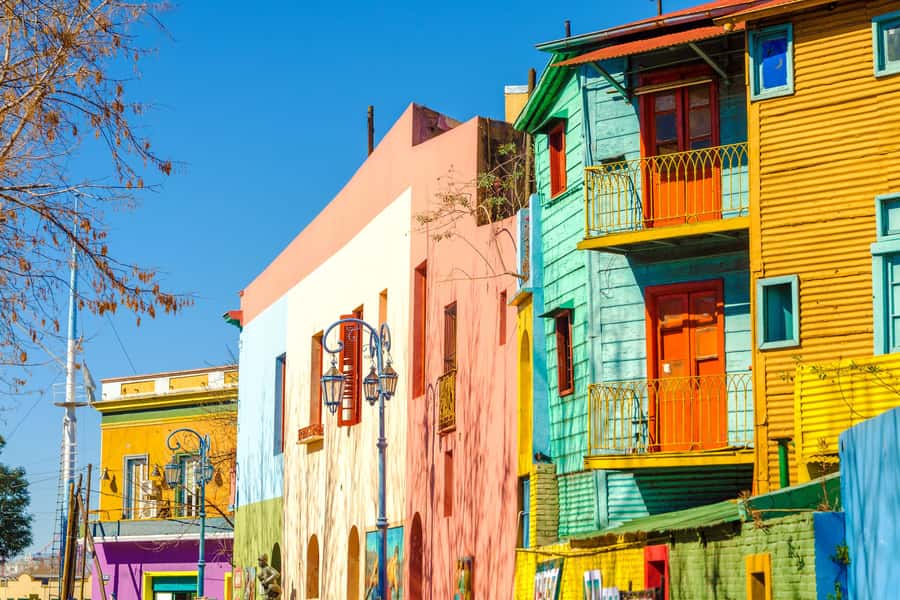
Street art in Buenos Aires is basically a citywide conversation. This 3-hour private walk lets you read the walls through the eyes of a guide who steers you toward the art you’ll actually care about. You’ll move through colorful neighborhoods and side streets, focusing on murals, graffiti, and street installations that turn ordinary blocks into open-air storytelling.
I especially love the private, customizable format. You’re not stuck on a rigid checklist; you can shape the route around what you want to see and talk about. And I like that the experience is built around your guide’s familiarity with the area, which helps you connect the artwork to what’s happening around it.
One possible drawback: if you’re the type who wants a very fixed set of famous stops, the flexible route might feel a bit less direct. One person felt the tour didn’t have clear main targets, so it’s worth being clear up front about your must-sees.
In This Review
- Key highlights worth planning around
- Why Buenos Aires street art makes sense on a private walk
- The 3-hour plan: what the walk feels like from start to finish
- Palermo murals, and why the guide’s context changes everything
- Private and customizable: how to make the tour match your taste
- Guide skills that show up fast: Emiliano and Maria Laura examples
- Price and logistics: getting your money’s worth in 3 hours
- What’s included in the look: murals, graffiti, and installations in the wild
- Language, pace, and accessibility basics you should know
- Who this tour fits best (and who might want a different style)
- Should you book this private street art tour in Buenos Aires?
Key highlights worth planning around
- Private walking tour you can customize so the focus matches your interests
- 3 hours of steady on-foot time that’s long enough to make sense of street art
- Your guide’s area know-how helps you spot the good stuff beyond the obvious
- Murals, graffiti, and installations across building facades, alleyways, and public spaces
- English, Spanish, French, Italian depending on your group
- A human guide experience that often includes broader Argentine culture talk
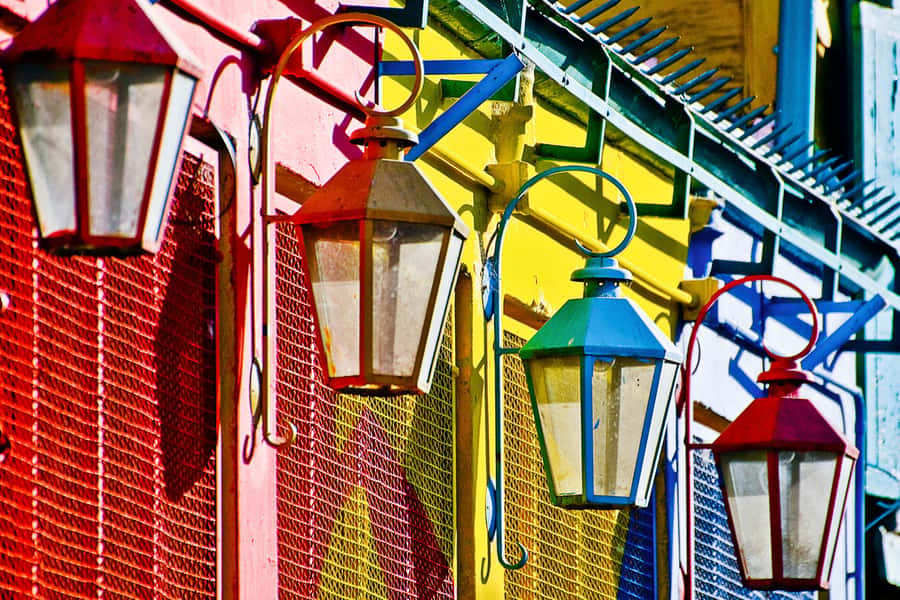
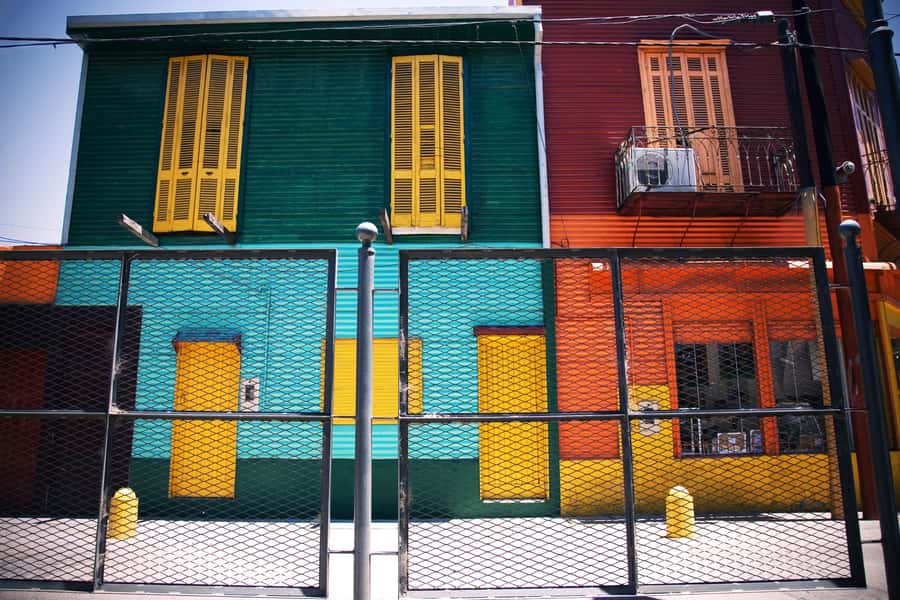
More murals and painted walls of Buenos Aires.
- Palermo: Graffiti and Street Art Guided Tour in English★ 4.8 · 684 reviews
Why Buenos Aires street art makes sense on a private walk
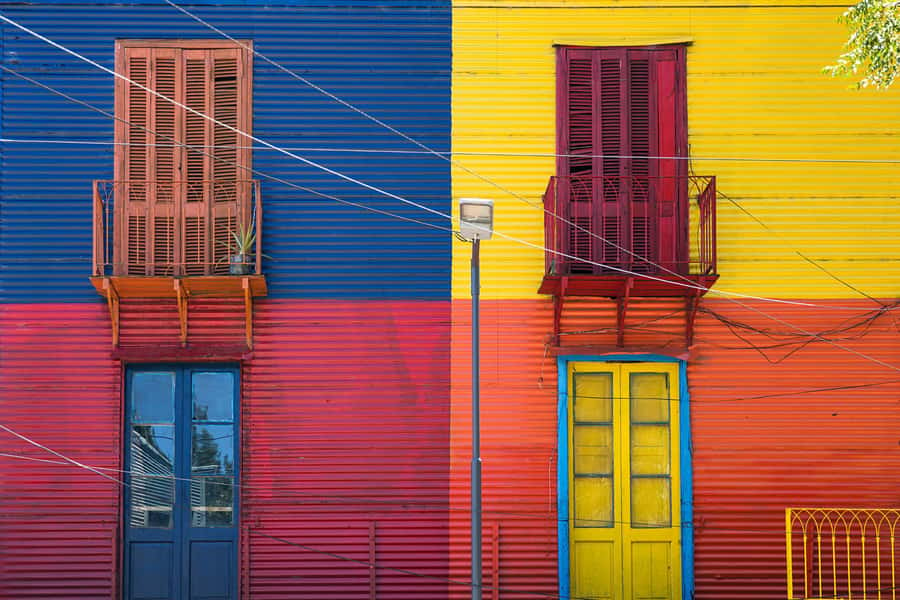
Street art in Buenos Aires works best when you’re close enough to notice details. From a distance, a mural can look like color. Up close, it becomes messages, symbols, styles, and choices by local artists. That’s where a guide changes the experience: you stop seeing paint and start seeing intent.
On this tour, you’re walking the kind of areas where street art lives. The route is described as a journey through colorful neighborhoods and hidden corners, with stops along building facades, alleyways, and public spaces. That matters because street art changes character depending on where it appears. A wall on a main street carries a different vibe than an alley piece that feels half secret, half confession.
And since it’s private, you get real conversation time. If you want history context, you can ask. If you want to understand technique or themes, you can steer the questions that way. This isn’t a lecture with a headset. It’s a guided walk where the art and the talk connect.
The 3-hour plan: what the walk feels like from start to finish
You’re in the field for about 3 hours, which is a sweet spot for street art. Short enough that you won’t feel like you’re dragging yourself from stop to stop. Long enough that your guide can build patterns—what you’re seeing, what it might mean, and why it shows up in that neighborhood.
Here’s the shape of what you should expect.
1) Meet-up and orientation
If you’re staying in Buenos Aires city, there’s hotel pickup to meet your guide at your accommodation. Even if you start right on foot, expect a quick orientation on where you are and what you’re about to look at. For street art, that orientation is useful because you’re learning a way of noticing.
2) First wave of murals and street installations
Early on, the guide typically points you toward the most visually readable works—murals on building facades and bigger public pieces you can take in immediately. This is when you start understanding the tour’s core method: looking at the art and pairing it with context so the images don’t feel random.
3) Alleyways and smaller graffiti details
Then the route shifts toward side streets and alleyways. This is where you catch the “in-between” art—tags, layered graffiti, and smaller installations that reward slow walking. The point isn’t just photos; it’s learning how artists use scale and location to send messages.
4) Mid-tour conversation and Argentine culture threads
A standout feature in the guide experiences shared is how the tour can expand into Argentine life. One guide experience mentioned topics reaching food, culture, history, politics, football, and music. That kind of talk matters because street art rarely exists in a vacuum. It’s connected to the city’s everyday emotions and debates.
5) Your guide refines the focus based on your interests
Because it’s private and customizable, the route can shift as you go. If you react strongly to one style or one neighborhood vibe, the guide can lean into that. If you want more history context behind the artwork, the guide can adjust the explanation time.
6) Wrap-up with recommendations
The best guide moments end with next steps. Several guide experiences included follow-up recommendations for other sights and tours, plus restaurant suggestions. Even if you’ve already planned a lot, street art tours often give you smarter choices for what to do after—because the guide understands what the neighborhood offers.
Palermo murals, and why the guide’s context changes everything
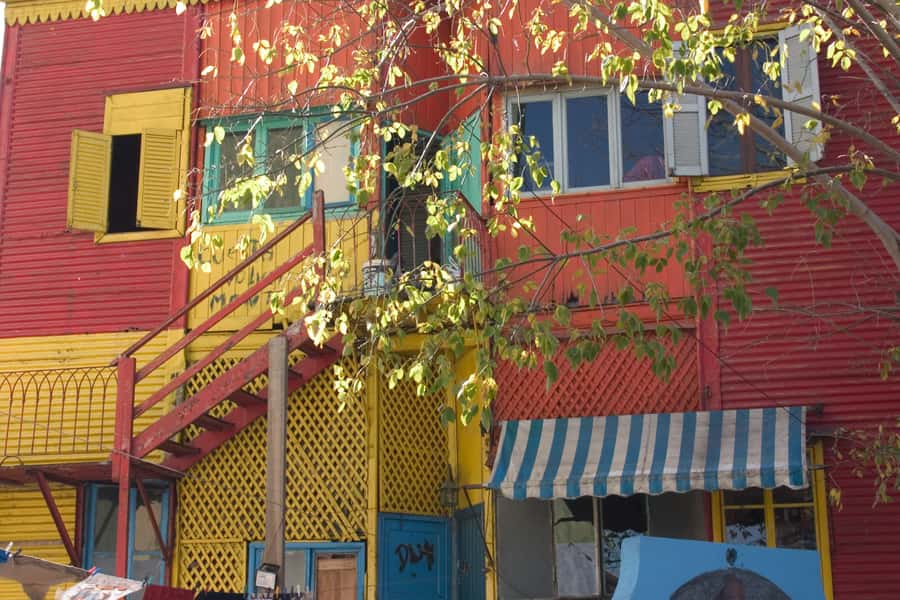
Palermo comes up in the feedback around this tour, and that makes sense. It’s the kind of area where walking lets you mix art with city life—streets with texture, walls that carry layers of creative expression, and lots of opportunities for the guide to explain what you’re seeing.
When a guide talks through the history and artwork, the murals stop being just attractive images. They become a way to understand creative perspectives and how artists interact with their surroundings. In other words, you’re not just collecting photos. You’re practicing city reading.
This is where I think the tour’s value really lands. Street art is visual, but it’s also interpretive. A mural can be playful, political, personal, or all three. Without context, you might guess. With context, you understand why certain details matter—style choices, themes, and why the work shows up where it does.
In the Palermo-focused experiences, Emiliano is specifically praised for being fun and engaging, with strong English and an approach that blends art and broader context. If your guide is Emiliano (as some bookings report), you can reasonably expect more than surface-level comments—and a guide who can explain ideas clearly while still keeping the mood light.
Private and customizable: how to make the tour match your taste
A tour that’s customizable sounds nice on paper. In real life, it’s what determines whether you enjoy the walk or just endure it.
Here, customization means you’re guiding the focus. You can steer toward:
- bigger murals versus smaller graffiti details
- more explanation versus more walking
- art-first versus culture-first conversation
This is also why the tour is private. Two people can react to the same wall in totally different ways. One wants symbolism. The other wants technique or local meaning. A private guide can adapt fast.
One important caution: customization works best when you speak up early. If you only nod and hope the route finds your tastes, you may end up feeling the tour is too meandering. That’s the kind of issue hinted at by one less-favorable experience, where the tour didn’t feel anchored to clear main targets. So I’d treat the first few minutes as your chance to set the tone.
A simple strategy:
- Tell your guide your top 2 interests (history context, political themes, technique, or simply the best-looking walls).
- Mention any areas you love (Palermo came up in feedback) and any you want to avoid.
- Ask what the plan will emphasize today, then react.
That way, flexibility becomes a strength, not a surprise.
Guide skills that show up fast: Emiliano and Maria Laura examples
The guide is the product here. And the guide talent shows up in several repeated ways: clear explanations, strong language, and conversation that keeps moving.
Emiliano is praised for:
- an engaging, informative style
- excellent English that’s easy to follow
- art plus Argentine talk, including food, culture, history, politics, football, and music
- practical follow-ups like recommendations for sights and restaurants
- a thoughtful, smart approach
Maria Laura is praised in a French-language booking for being welcoming and for showing some of the most beautiful fresques of Buenos Aires, along with learning about Argentine history. Even without getting into the nuts and bolts of specific lessons, that points to a guide who connects art with story.
What I’d take from these guide patterns as a practical traveler: look for a guide who can do both. Street art can be explained two ways—either like a museum label or like a living conversation. These guide examples align with conversation plus clarity.
Also, the tour runs with live guides in Spanish, English, French, and Italian. If language matters for your enjoyment, this is a strong point because the explanations aren’t locked into just one language style.
Price and logistics: getting your money’s worth in 3 hours
At $53 per person for a 3-hour private walking tour, the value depends on what you want from the time.
If you’re going to wander street art on your own, you’ll see plenty of visuals. But you might miss the context that turns visuals into understanding. With a guide, you’re paying for interpretation, route choices, and conversation.
The tour includes:
- private walking tour
- customization
- hotel pickup if you’re in the city
- walking tour and public transport (unless you select an option that changes transport details)
- help from the team to book tickets for desired visits
What’s not included is local transportation around the city in the sense of car transport. In practice, this is still a walking-focused experience. That’s usually a plus for street art. You don’t want to ride past the walls. You want to pause, look, and talk.
Logistically, this means you should be ready for a few hours of walking. Wear shoes you’d wear for a long afternoon. And bring a phone with enough space if you plan to photograph murals and details.
One more value point: because the team can help book tickets for other visits, this tour can fit into a bigger plan without you having to scramble. If you’re building a day schedule, a guide-driven start often helps you choose what’s next.
What’s included in the look: murals, graffiti, and installations in the wild
The tour focuses on:
- murals
- graffiti
- street installations
And it’s not confined to just big legal walls. It’s described as spanning building facades, alleyways, and public spaces. That’s important because street art isn’t one category. Some pieces are meant to be seen and admired. Others feel like they’re hiding in plain sight.
So what you’ll likely end up doing is training your eye in real time:
- notice how artists use walls as canvas and message boards
- see how placement changes meaning
- compare styles across streets rather than judging everything by one mural
If you like photography, you’ll have plenty of subject matter. If you don’t care about photos, you can still benefit because the storytelling is the point. The guide’s role is to help you understand what you’re looking at while you walk.
Language, pace, and accessibility basics you should know
You get a live guide in Spanish, English, French, or Italian. That means you can pick your comfort zone for explanations, and your questions won’t get lost in translation.
The tour is wheelchair accessible. That’s a meaningful detail because street art walks often get stuck on uneven sidewalks or narrow passages. The listing specifically notes wheelchair accessibility, so it’s reasonable to consider this option if mobility is a factor.
Pace-wise, it’s 3 hours and described as a walking tour. Even with public transport possibly used, assume you’ll be on your feet for a good chunk of that time. Bring water and keep an eye on energy levels—especially if you’re combining this with other plans the same day.
Who this tour fits best (and who might want a different style)
This is a great choice if you:
- want street art with context, not just pictures
- enjoy conversation and culture talk while walking
- like routes that can flex based on your interests
- want someone to help you notice more in less time
It may not be ideal if you:
- want a strict list of specific must-see murals with no flexibility
- prefer a self-paced solo experience where you don’t talk much
- dislike walking-based city tours in general
If you’re somewhere in the middle, you can still make it work by setting expectations early with your guide: tell them your must-sees, ask how the walk will prioritize them, and be ready to adjust if something better catches your eye.
Should you book this private street art tour in Buenos Aires?
Book it if you want your street art time to feel like learning, not just wandering. The strongest reasons are the private customizable setup and the way guides can connect murals and graffiti to broader Argentine context. The feedback around Emiliano and Maria Laura is a good sign that you’re likely to get a guide who blends clear explanations with a friendly, engaging pace.
Skip or consider another format if you need a very rigid, target-by-target experience. One less-favorable experience hints that if the route feels too loose, it can disappoint people who expected more direct sightseeing structure. If that sounds like you, communicate your priorities right away so customization works in your favor.
If you’re spending time in Buenos Aires and you want an afternoon that’s equal parts art and conversation, this is a solid use of 3 hours—and at $53, it’s priced like a focused local-guided experience rather than a generic city stroll.
More Street Art in Buenos Aires
Just added to our Buenos Aires notebook
- Guided tour Boca Juniors Museum & Stadium + Caminito
★ 3.3 · 3 reviews - Bike Tour: Buenos Aires to the North
★ 4.0 · 3 reviews - From Colonialism to Eclecticism, Buenos Aires arquitectonica
★ 5.0 · 3 reviews - Enjoy a Rural Experience in a Vineyard near Buenos Aires
★ 4.7 · 3 reviews - Café de los Angelitos – Traditional Night in Buenos Aires
★ 4.8 · 3 reviews - Buenos Aires: Rojo Tango Show with Optional Dinner
★ 3.4 · 3 reviews