
Reviewed · PALERMO SOHO & STREET ART
Palermo: Graffiti and Street Art Guided Tour in English
Street art here reads like a political timeline. On this Palermo walk, you get the why behind the images: Argentina’s political origins and how murals became public messaging. You also get a built-in Trump Wall photo stop at Madison Avenue Bar, so your camera captures more than just color.
I like that the route stays focused on stories you can actually use to read the walls: election propaganda, social conflict, and the tech shift that changed how fast people could spray a message. One thing to consider: there’s no hotel pickup, so you’ll need to make it on your own to Plaza Cortazar/Plaza Serrano and start on time.
In This Review
- Key things you’ll notice on this Palermo street art walk
- Palermo’s graffiti as a political timeline, not just street decoration
- Finding the tour: Plaza Cortazar, the orange shirt, and the right expectations
- The opening story: 1920s Argentina, graffiti as endorsement and campaign messaging
- 1969 aerosol paint and the shift that fueled 1970s urban protest
- What to look for on the route: range of styles with a shared purpose
- The Trump Wall moment at Madison Avenue Bar: a photo stop with context
- How the guides keep 2 hours from feeling like a textbook
- Where it ends: Plaza Inmigrantes de Armenia and what to do next
- Value for money: what $13 buys you in Palermo
- Practical tips to make the most of your graffiti tour
- Who should book this Palermo street art tour (and who might skip it)
- Should you book Palermo’s Graffiti and Street Art Guided Tour?
- FAQ
- Where is the meeting point for the Palermo graffiti and street art tour?
- How long is the guided tour?
- What is the end point of the tour?
- Is food or drink included in the tour price?
- Does the tour run if it rains?
- Is the tour wheelchair accessible and is it in English?
Key things you’ll notice on this Palermo street art walk
- Trump Wall graffiti photo moment at Madison Avenue Bar, with context so it makes sense
- A clear timeline from 1920s political graffiti to the 1970s street protest climate
- How aerosol paint changed everything after 1969 and why that mattered for urban movements
- English guides with real personality, and names you may see include Vito, Juan, Elina, Aylen, Victor, and Ailen
- More than “tags”: you may catch styles that range from sports murals to playful themes like butterfly pieces
Palermo murals and Soho corners, a few more across Buenos Aires.
- Palermo: Graffiti and Street Art Guided Tour in English★ 4.8 · 684 reviews
- BA: Empanadas and Alfajores Cooking Experience in Palermo★ 5.0 · 112 reviews
- Buenos Aires Bike Tour: North Districts, Recoleta and Palermo★ 4.5 · 91 reviews
Palermo’s graffiti as a political timeline, not just street decoration
Buenos Aires has always loved a good argument. This tour helps you see that energy on the wall. Instead of treating graffiti and street art as only style, you learn how it worked like a public megaphone—especially when politics felt personal and loud.
You’ll get a story that starts way back and moves forward step by step. It explains how early graffiti could signal endorsement, function like propaganda, and even show up in election campaigns. By the time you reach later periods, you’ll understand why people kept returning to walls when official channels felt blocked.
Finding the tour: Plaza Cortazar, the orange shirt, and the right expectations
You meet in Palermo at Plaza Serrano (a.k.a. Plaza Cortazar), on the corner of Jorge Luis Borges and Honduras St. Look for the guide in an orange t-shirt and the big PALERMO sign.
This is a walking tour with no hotel pickup, so it pays to build in extra minutes to get there calmly. If you’re traveling light and want a low-stress start, arrive a few minutes early, scan the corner, and get your bearings before the group tightens up.
Rain doesn’t cancel it. If the forecast looks iffy, bring a light jacket or umbrella and keep your phone protected. The experience is outdoors, but it’s designed to keep moving so the story still lands.
The opening story: 1920s Argentina, graffiti as endorsement and campaign messaging
The tour’s early phase is about meaning. You’ll hear how political movements gained traction in Argentina in the 1920s, and how that pressure showed up on the street. In this period, graffiti wasn’t just decoration—it could be a statement of support, a way to put ideas on public display, and a tool in the competition of campaigns.
What I like about this framing is that it changes how you look at any wall you see after the walk. Instead of asking only who made it, you start asking: what side is it signaling, and what moment is it reacting to?
This part of the walk also helps you read more subtle choices. Even when the letters are stylized, the message behind them often follows the same goal: persuade, provoke, or rally. When you understand that, Palermo’s street art stops feeling random.
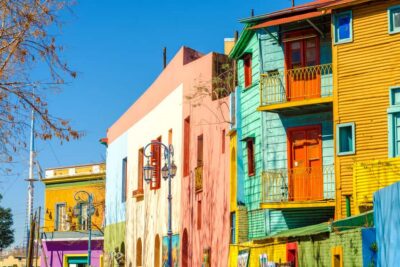
More murals and painted walls of Buenos Aires.
1969 aerosol paint and the shift that fueled 1970s urban protest
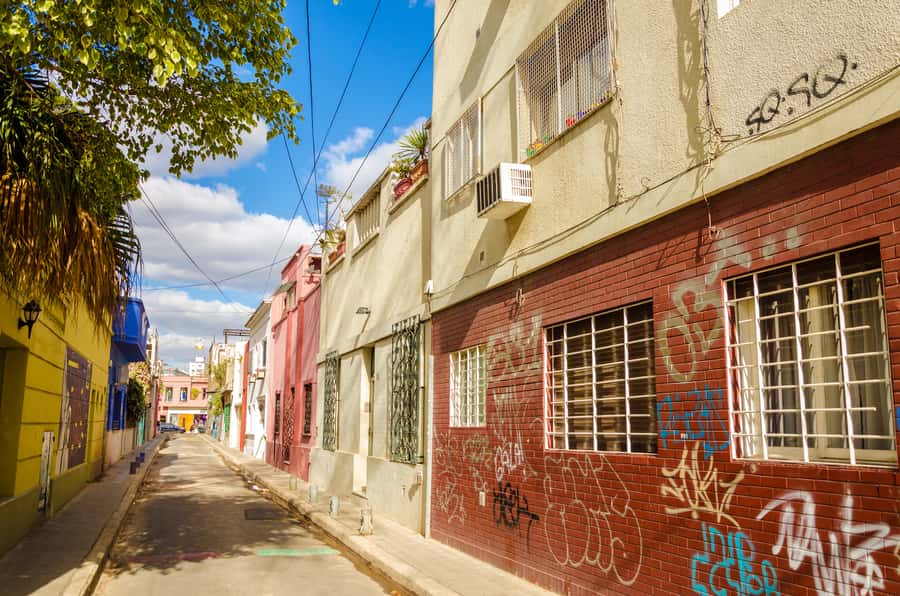
Then the story turns practical, in the best way. In 1969, aerosol paints arrived, and that changed the speed and style of street writing. Messages could appear faster, with more consistency, and with less effort than older methods.
The tour connects that technical shift to politics under a different military government. The message is clear: when the system is tense, the streets become a bulletin board. And when people can act quickly, the walls start collecting arguments in real time.
By the time you get into the 1970s climate, you’ll hear how Argentinians became more involved in protesting and how social conflict escalated. It’s not told like a lecture. It’s told like a chain reaction—technology, control, then response.
What to look for on the route: range of styles with a shared purpose
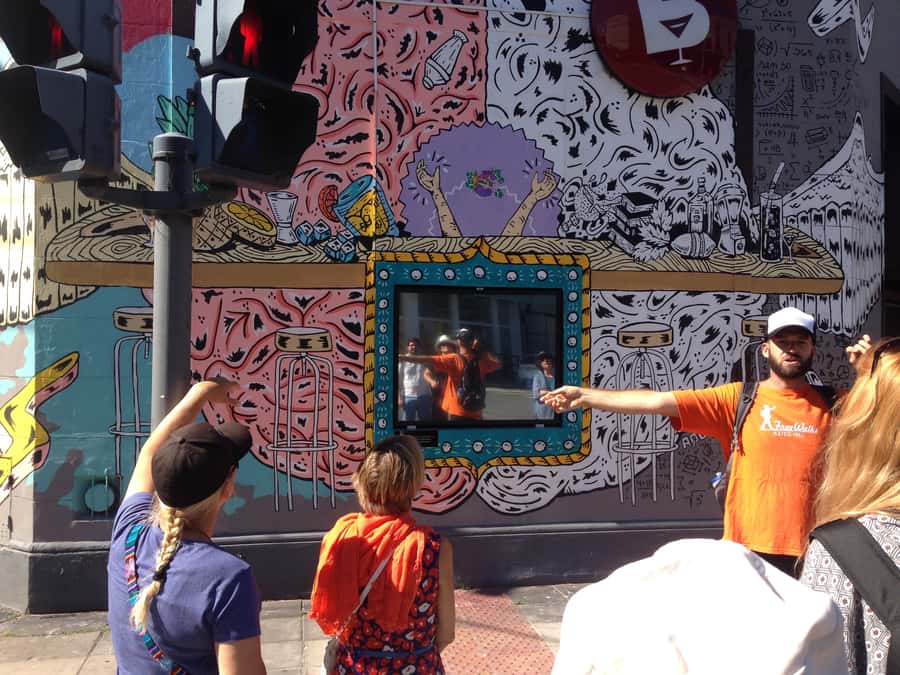
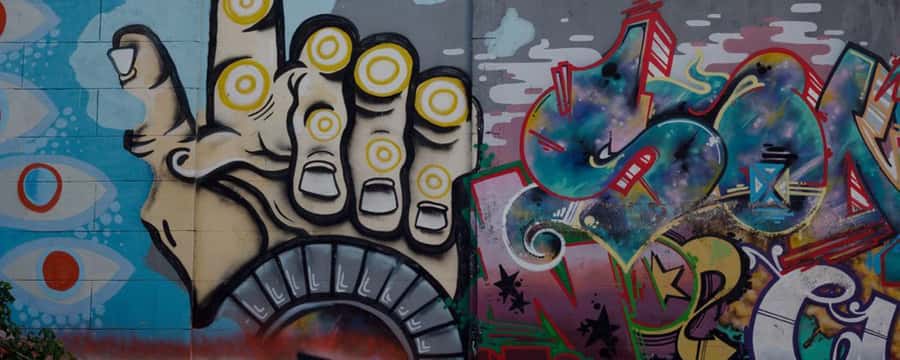
Street art in Palermo isn’t one thing. Expect variety. One of the biggest takeaways is that styles can differ wildly while the function stays similar: public communication.
Some pieces you might spot include sports-themed murals—think football passion—and other surprising themes such as butterfly-related artwork. That contrast matters. It shows that street artists weren’t only reacting with anger. They were also shaping identity, humor, and belonging on the same streets where politics was getting loud.
Even if you’re not a street art purist, you can still enjoy this. The guide helps you see patterns: repetition, placement choices, and the way certain colors or shapes tend to signal either agitation, celebration, or commentary.
The Trump Wall moment at Madison Avenue Bar: a photo stop with context
One of the most specific highlights is the Trump Wall’s graffiti at Madison Avenue Bar. This is where the tour becomes very camera-friendly.
But the bigger value is context. You’re not just taking a picture of a recognizable political name. You’re seeing how international politics gets re-used and re-framed locally. In other words, it’s the street art version of translating global news into local street language.
When you’re there, slow down. Look at how the graffiti is integrated into the setting and how the style supports the message. That’s where the walk’s earlier history pays off—you can read the image instead of only photographing it.
How the guides keep 2 hours from feeling like a textbook
A major reason people seem to love this tour is delivery. Guides like Vito, Juan, Elina, Aylen, Victor, and Ailen are repeatedly described as energetic and funny, with stories that keep the group engaged. Even in larger groups, people say they could still hear the guide clearly.
I’d treat that as a practical promise: you’ll get a talk that has momentum. The tour isn’t only about facts. It’s also about storytelling habits—tone, timing, and the little asides that help you remember the bigger ideas.
Also, because it’s guided on foot, you’re not doing all the thinking alone. The guide points out details you’d likely miss if you were just wandering, and they connect what you see to the political threads running through the era.
Where it ends: Plaza Inmigrantes de Armenia and what to do next
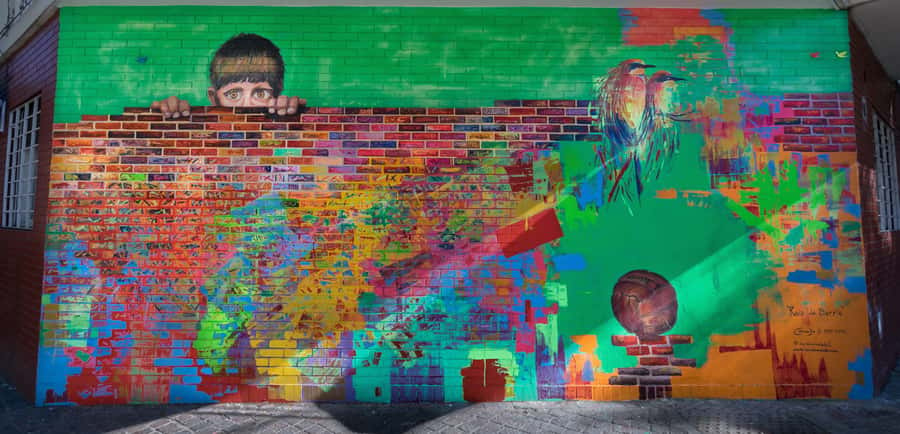
The walk finishes at Plaza Inmigrantes de Armenia. That end point matters because it gives you a natural stop to reset—especially if you planned the rest of your afternoon.
If you’re the type who likes to “continue the research,” this is the moment to do it. Take a few minutes after the last stop to look back at what you saw with fresh eyes. You’ll likely spot recurring themes and realize how many pieces are quietly making arguments about the same social tensions the tour talked about.
And if you’re hungry or thirsty, plan for it. Food and drink aren’t included, so you’ll want to bring your own water or budget time to grab a snack after.
Value for money: what $13 buys you in Palermo
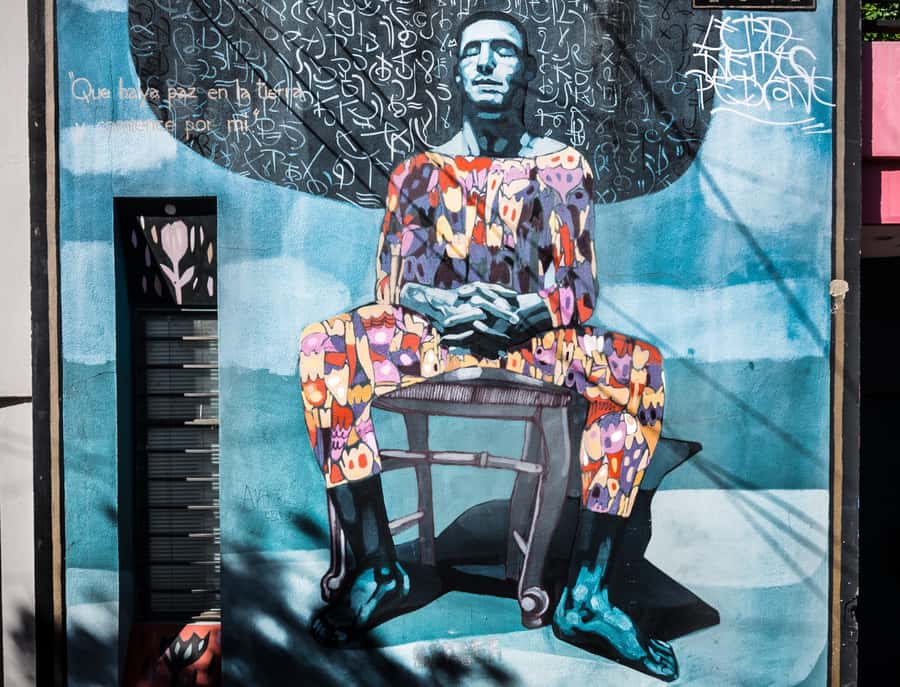
At $13 per person for a 2-hour English guided walking tour, you’re paying for something that’s hard to DIY: a guided “reading” of the street. The value isn’t just the route. It’s the explanation that ties images to political eras—from 1920s propaganda to the aerosol-speed change after 1969.
It’s also a good price point if you want a lower-commitment intro to the neighborhood. You don’t need to line up museums, transit plans, or a full half-day program. You get a focused walk that changes how you interpret walls across Palermo.
Practical tips to make the most of your graffiti tour
Here’s how to get the best experience without overthinking it:
- Wear comfortable shoes. You’re walking through Palermo for two hours, and you’ll want to linger at the photo spots.
- Bring your camera fully charged. The Trump Wall stop at Madison Avenue Bar is a major moment, and you’ll probably want extra shots after you understand the context.
- Keep your phone settings ready for low-light situations. Some street art is in shaded areas or at street level.
- Save questions. If you’re the curious type, the guide’s humor and pacing usually leave room for follow-ups.
- Bring a light layer if rain threatens. The tour still runs, and you’ll feel better if you’re prepared.
Who should book this Palermo street art tour (and who might skip it)
This tour is a strong fit if you:
- love street art but want meaning, not just visuals
- enjoy history that connects to daily life and public spaces
- want a short, affordable guided option in Palermo
- like learning from guides with big energy and clear storytelling
You might skip it if you only want a light photo walk and aren’t interested in politics or the social conflict context behind the murals. This experience leans hard into the “why.”
If you need wheelchair access, the tour is listed as wheelchair accessible. Since routes can vary, you should still plan around your comfort level and consider asking what mobility adjustments can be made on the day.
Should you book Palermo’s Graffiti and Street Art Guided Tour?
If you want to understand Palermo fast—without turning your day into a long museum marathon—this is a smart pick. With an English guide, a tight 2-hour format, and a clear political storyline, it’s the kind of tour that makes you look at street art differently afterward.
The tour also holds a 4.8 rating from hundreds of bookings, and the repeated theme is not just seeing art, but enjoying the guide’s personality and keeping the pace right. For the money, you’re buying context and camera-ready moments in one walk.
If your schedule is flexible, this is also a “safe yes” because it runs even if it rains and you can cancel up to 24 hours ahead for a full refund.
FAQ
Where is the meeting point for the Palermo graffiti and street art tour?
You meet at Plaza Serrano (also called Plaza Cortazar) in Palermo, on the corner of Jorge Luis Borges and Honduras St. The guide wears an orange t-shirt and you can look for the big PALERMO sign.
How long is the guided tour?
The walking tour lasts 2 hours.
What is the end point of the tour?
The tour finishes at Plaza Inmigrantes de Armenia.
Is food or drink included in the tour price?
No. Food and drink are not included.
Does the tour run if it rains?
Yes. The tour still takes place even if it rains.
Is the tour wheelchair accessible and is it in English?
The tour is listed as wheelchair accessible and it runs with a live English-speaking guide.
More Street Art in Buenos Aires
Palermo, Block by Block

Just added to our Buenos Aires notebook
- Guided tour Boca Juniors Museum & Stadium + Caminito
★ 3.3 · 3 reviews - Bike Tour: Buenos Aires to the North
★ 4.0 · 3 reviews - From Colonialism to Eclecticism, Buenos Aires arquitectonica
★ 5.0 · 3 reviews - Enjoy a Rural Experience in a Vineyard near Buenos Aires
★ 4.7 · 3 reviews - Café de los Angelitos – Traditional Night in Buenos Aires
★ 4.8 · 3 reviews - Buenos Aires: Rojo Tango Show with Optional Dinner
★ 3.4 · 3 reviews
Palermo Soho & Street Art, compared.
 ★ 4.6Empanada & Alfajor Cooking Lesson in PalermoFrom $49186 reviews
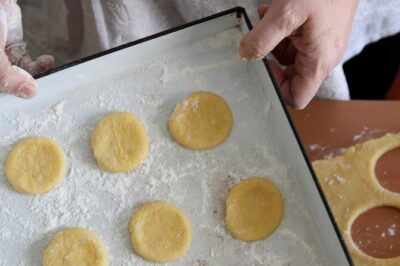 ★ 5.0BA: Empanadas and Alfajores Cooking Experience in PalermoFrom $49112 reviews
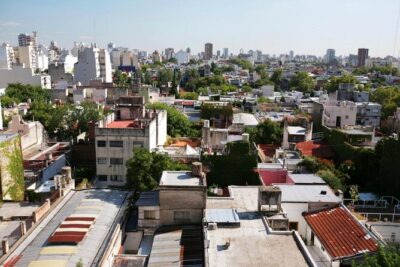 ★ 4.5Buenos Aires Bike Tour: North Districts, Recoleta and PalermoFrom $4591 reviews
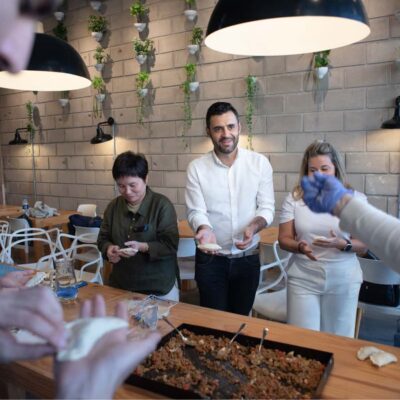 ★ 4.8Argentinian Empanadas Cooking Experience in Palermo, Bs AsFrom $4650 reviews
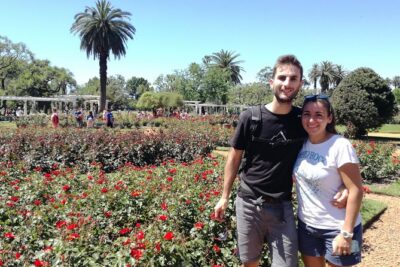 ★ 5.0Cultural Experience by Bike around Palermo and Recoleta Max 6 pplFrom $5444 reviews
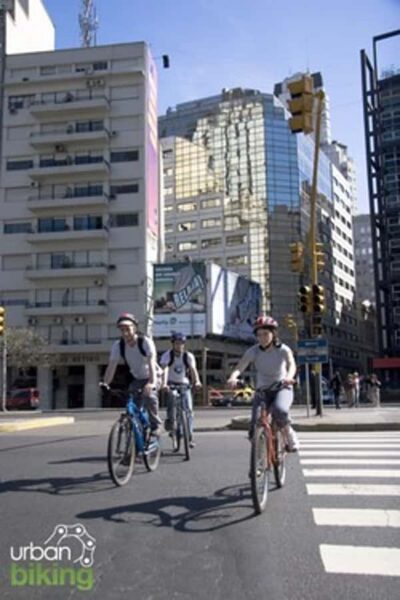 ★ 4.5City Bike Tour in Palermo and RecoletaFrom $507 reviews
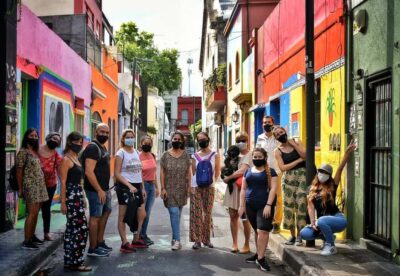 ★ 4.4Palermo Soho Guided Walking TourFrom $175 reviews
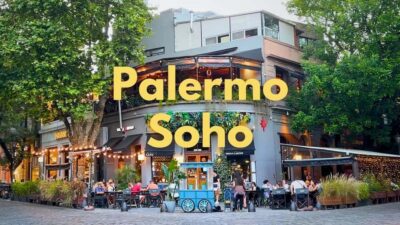 ★ 5.0Palermo SoHo for curious peopleFrom $254 reviews
Browse the lists this tour appears in