
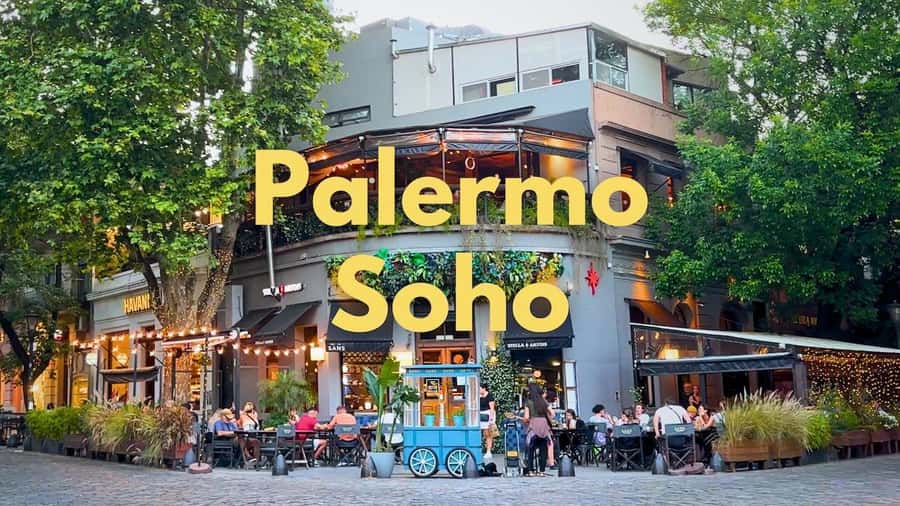
Reviewed · PALERMO SOHO & STREET ART
Palermo SoHo for curious people
SoHo in Buenos Aires has receipts. This walking tour looks at Palermo SoHo through an anthropologist’s lens, so you don’t just look at facades—you learn why the neighborhood turned into the spot for tourists and trend-followers. I love the hands-on conversation style, and I also love how the guide ties today’s streets to immigration history that’s still visible if you know where to look.
The main thing to know: this is not a quiet, passive walk. You’ll be encouraged to ask questions and talk back, and if you want a simple listen-and-go sightseeing stroll, you might find it a bit too interactive. Still, it’s exactly the kind of “why is this here?” tour that makes a neighborhood feel real—especially when the guide (like Nico, who’s described as funny, professional, and helpful) brings the details to life.
In This Review
- Key things to know before you go
- Palermo SoHo makes more sense when you ask why
- From the Distrito Arcos area to Plaza Serrano: the route in real time
- How the anthropologist guide changes the whole experience
- Puente Pacífico: infrastructure as the starter plot
- Polo Cientifico Tecnológico: when “future” starts showing up on streets
- Pasaje Emilio Zola: the power of a small passage
- Ukranian culture in Palermo: immigration history in a very real form
- El Preferido de Palermo, Don Julio Parrilla, Klub Polaco, and ACILBA: institutions and everyday power
- Plaza Inmigrantes de Armenia: a turning point in the story
- Helados Italia break: reset your legs and keep your curiosity
- Pasaje Russel to Plaza Serrano: tying the “SoHo” label back to reality
- Gentrification and the Peso: what the guide makes you understand
- Price and value: why $25 can feel fair (if you like thinking)
- Who should book this Palermo SoHo tour
- Should you book Palermo SoHo for curious people?
- FAQ
- How long is the Palermo SoHo walking tour?
- How much does the tour cost?
- Where is the meeting point?
- Where does the tour end?
- What languages is the guide available in?
- Is the tour wheelchair accessible?
- Are private or small groups available?
- What topics will the guide cover about Palermo SoHo?
- Is free cancellation available?
Key things to know before you go
- Anthropology-style walk, not a lecture: you’ll chat, question, and reason through the neighborhood’s changes.
- Palermo SoHo’s origin story connects to infrastructure: you’ll hear how the train and the tram relate to how the area started.
- Gentrification explained in everyday terms: real estate speculation, the Argentine Peso devaluation, and why people talk about two exchange rates.
- Immigration history hides in plain sight: you’ll visit spots linked to Ukrainian culture and the Plaza Inmigrantes de Armenia.
- Short stops that add up: quick visits to key streets and institutions, plus a scheduled break at Helados Italia.
- Small-group or private options: you can choose a more personal pace if that matters to you.
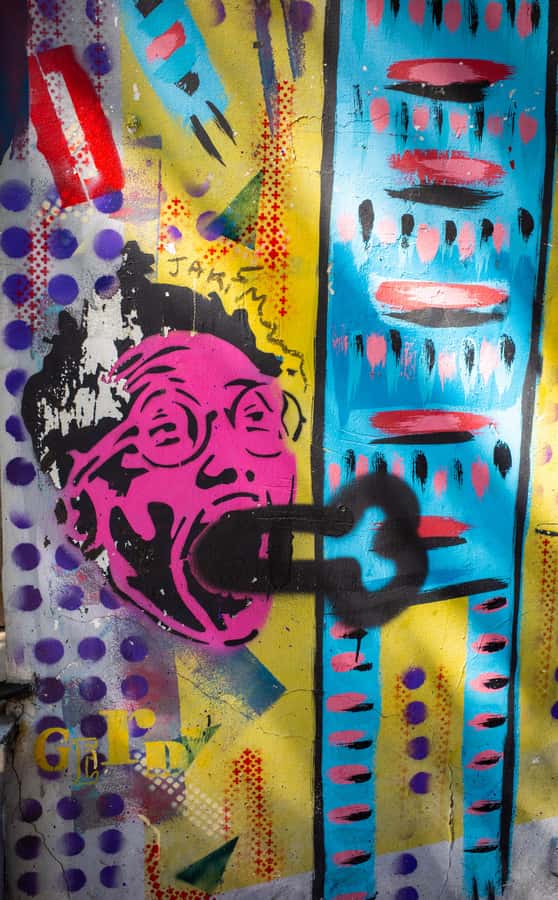
Palermo murals and Soho corners, a few more across Buenos Aires.
- Palermo: Graffiti and Street Art Guided Tour in English★ 4.8 · 684 reviews
- BA: Empanadas and Alfajores Cooking Experience in Palermo★ 5.0 · 112 reviews
- Buenos Aires Bike Tour: North Districts, Recoleta and Palermo★ 4.5 · 91 reviews
Palermo SoHo makes more sense when you ask why
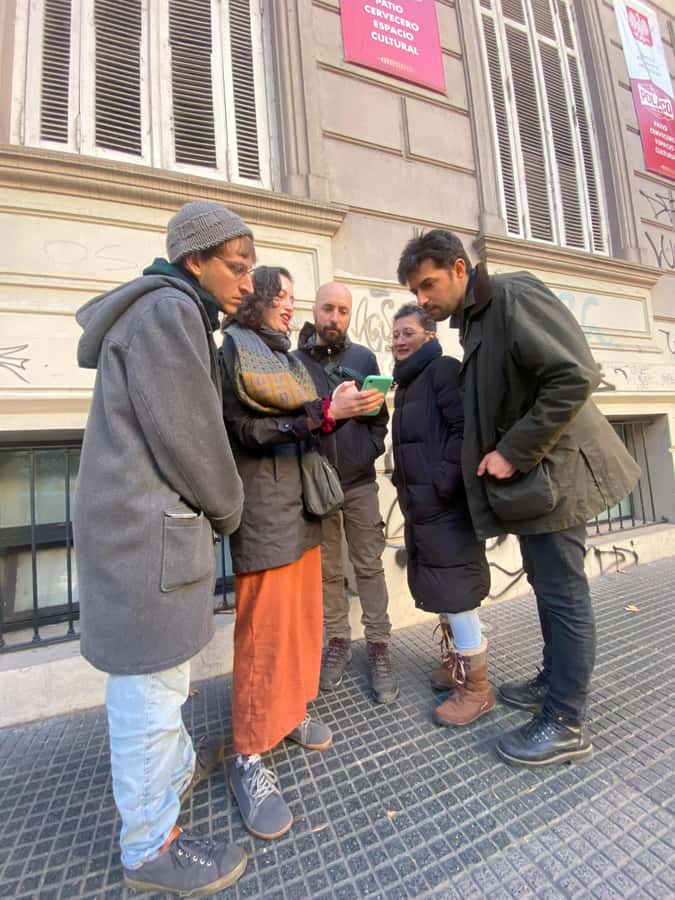
Palermo SoHo can look like a magazine spread: design shops, bars, restaurants, and that whole Buenos Aires trend circuit. The difference on this tour is that you learn how that look happened, and who paid for the shift. Instead of letting the neighborhood stay a blur of cool storefronts, you’ll connect the dots between past residents, migration patterns, and today’s “chic” food and nightlife culture.
One thing I genuinely like about the approach is how it treats the neighborhood like a living system. The guide doesn’t just label what you’re seeing. You’ll be pushed to think about how money, politics, and planning shape streets over time. That’s how you end up with answers to questions like when Palermo became SoHo and when tourists and trend places took over.
And because the guide is described as humorous and professional, the conversation doesn’t feel stiff. You get the facts without the “museum voice,” and you can actually keep up.
From the Distrito Arcos area to Plaza Serrano: the route in real time
The walk starts near the amphitheater of Distrito Arcos Premium Outlet, right by the Montagne store. That matters because it puts you at a recognizable local landmark, not some mysterious back-alley rendezvous. Then you head toward Plaza Serrano, which is where the tour finishes—handy if you want to keep exploring after the last guided stop.
The time block is 2 hours, and the pace is built for a neighborhood walk: a mix of short guided stops and short visits so you’re always moving. You’re not stuck lingering at one place while the story loops. Instead, you keep getting new angles on the same theme: why this part of Palermo became what it is.
A practical note: one guide described in the experience details had to be extra accommodating because people had trouble finding the meeting point. So if you arrive early, I’d recommend you do a quick check of the exact spot next to Montagne, then take a few minutes to get your bearings fast.
How the anthropologist guide changes the whole experience
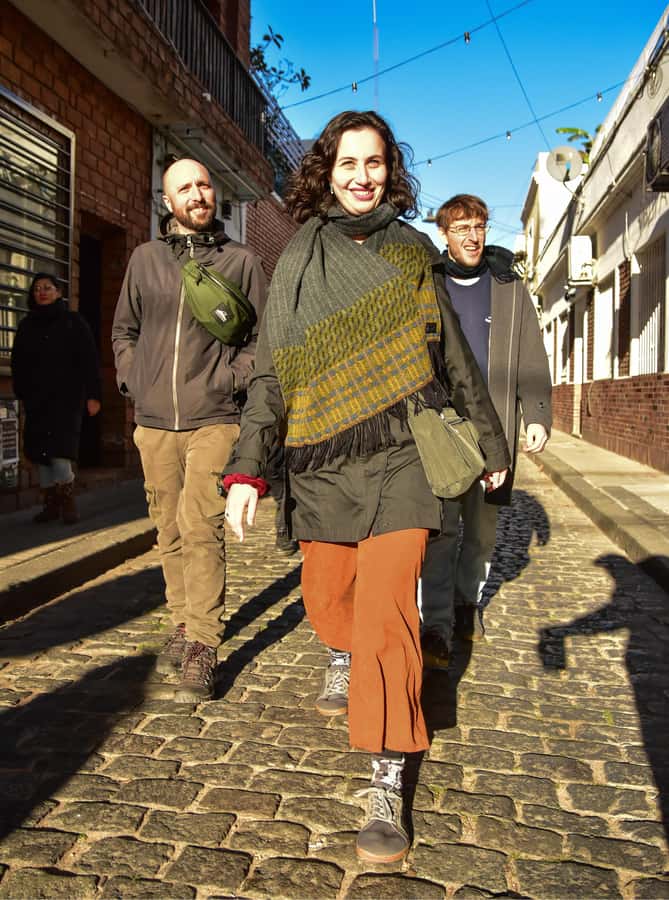
This tour runs on discussion. You’re expected to talk, question, and compare ideas as you walk. The guide is university-degree level, and that shows in the structure: each stop adds a piece of the neighborhood puzzle, and then the conversation connects it to bigger themes like identity, displacement, and economic pressure.
You’ll also hear the “origin” story in a way that feels logical, not forced. For example, you’ll ask what the train and tram have to do with Palermo SoHo’s beginnings. You’ll also talk about who the first inhabitants were and when the neighborhood became SoHo in the way we recognize today.
The result is that the tour doesn’t just explain the past. It tries to answer what happens next—what the neighborhood might become as trends, housing costs, and locals’ needs keep colliding.
Puente Pacífico: infrastructure as the starter plot
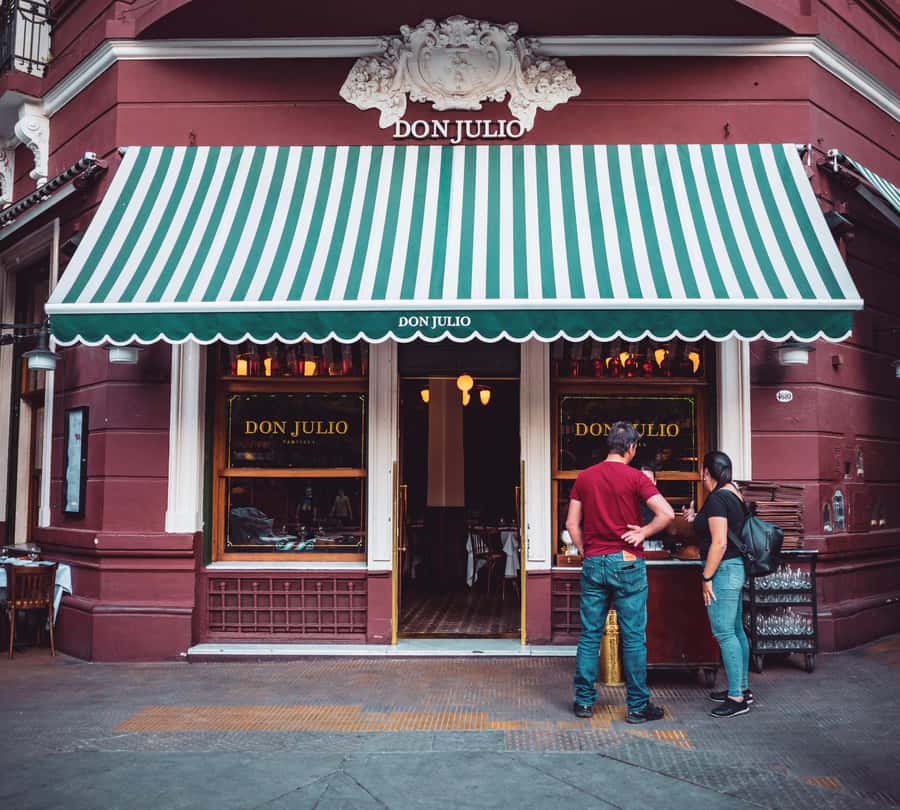
Your first guided stop is Puente Pacífico. It’s short—about 15 minutes—but it sets the tone. The point here is to show that neighborhoods don’t change only because people decide to like something. They change because systems change: movement patterns, connections, and access.
From there, you move into the next stretch where the guide builds the timeline. In an area that’s often described as “cool” today, it’s a helpful reminder that the cool look is layered on top of older urban decisions.
If you enjoy urban planning stories or you like learning how cities grow, you’ll likely find this part especially satisfying.
Polo Cientifico Tecnológico: when “future” starts showing up on streets
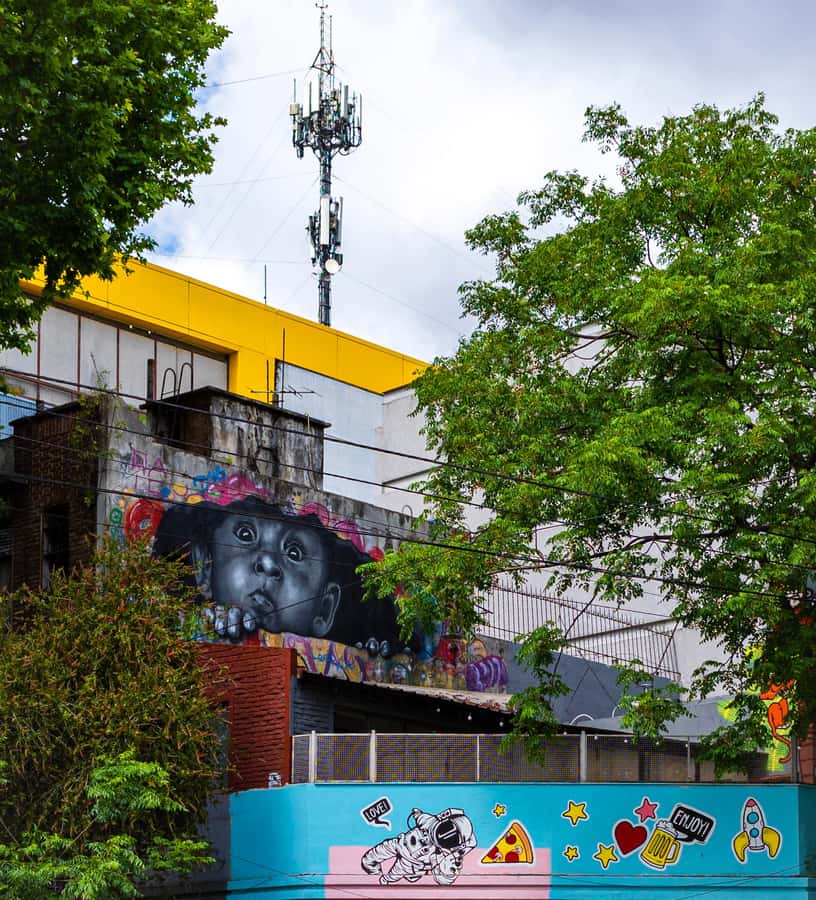
The Polo Cientifico Tecnológico stop runs about 20 minutes. That’s a strong chunk of time early in the walk, and it signals what the guide is doing with the story. You’re not just tracking fashion and restaurants—you’re tracking how different eras shape local life.
This is where you start to see how “what’s next” gets written into a neighborhood. The tour links those changes to the broader narrative of Palermo SoHo’s evolution, so even if the buildings don’t shout history, the guide can explain what they represent in the neighborhood’s shift.
Pasaje Emilio Zola: the power of a small passage
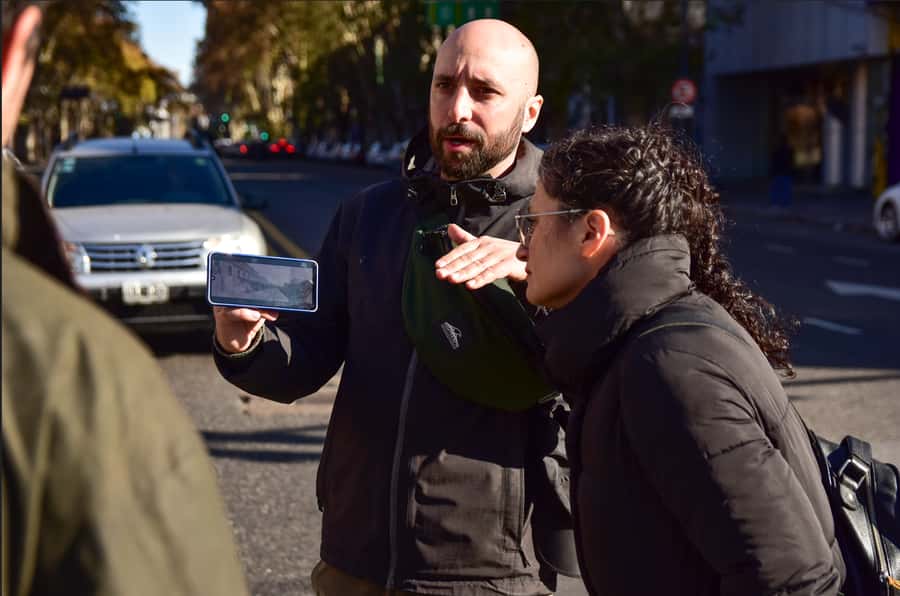
Then you hit Pasaje Emilio Zola for about 10 minutes. Short streets like this are perfect for the tour’s style. Instead of staring at one big landmark, you can focus on how design, movement, and foot traffic shape behavior.
This is also where you’ll likely start thinking differently about what you see. A narrow passage can feel like a design detail, but the guide uses it as a clue—one more step in the larger “how we got here” storyline.
Ukranian culture in Palermo: immigration history in a very real form
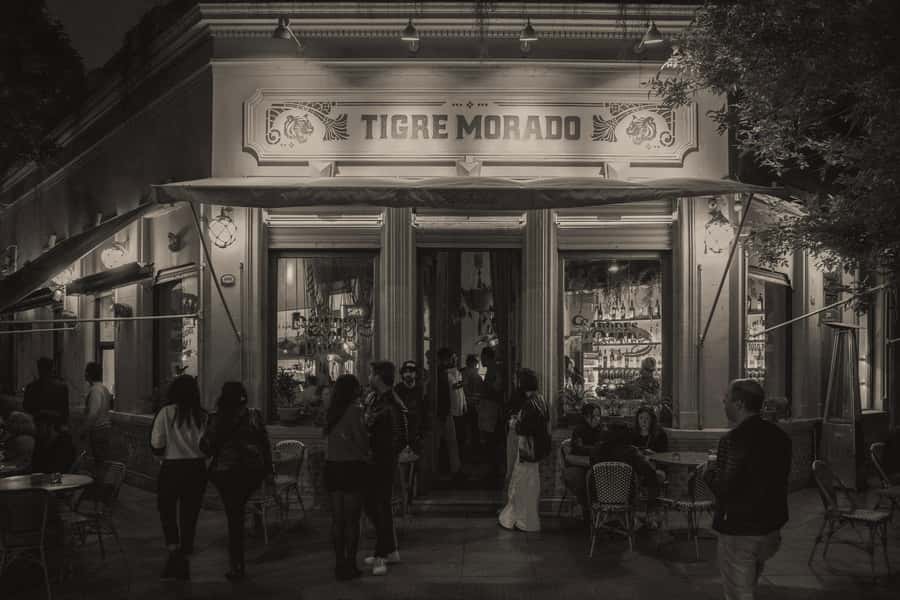
One of the most important parts of the walk is the stop at the Asociación Ucrania de Cultura PROSVITA en la Republica Argentina (УКТ ПPОСВІТА). It’s guided for about 15 minutes.
This is where the tour’s “hidden immigration history” theme becomes concrete. You’re not only hearing abstract history; you’re visiting a place tied to community culture and identity. And because the tour has you compare past and present, you can start to notice how some institutions remain while the street around them transforms.
It’s a good moment to slow down mentally. You can look at the neighborhood’s current trendy feel and then let the guide show you what got layered over earlier lives.
El Preferido de Palermo, Don Julio Parrilla, Klub Polaco, and ACILBA: institutions and everyday power
The walk includes several quick stops and passes (around 5 minutes at some points, plus a brief pass at ACILBA). Names like El Preferido de Palermo and Don Julio Parrilla pop up during the guided flow, and Klub Polaco and ACILBA appear as well.
Even with short time here, the guide’s theme stays consistent: today’s Palermo SoHo vibe didn’t appear out of nowhere. It’s tied to who invests, who builds, and how locals and institutions respond when a neighborhood becomes a magnet.
Because these stops are brief, I treat them like “story junctions.” If you want to keep your energy, you can enjoy seeing how the neighborhood’s current face sits next to older cultural signals.
Plaza Inmigrantes de Armenia: a turning point in the story
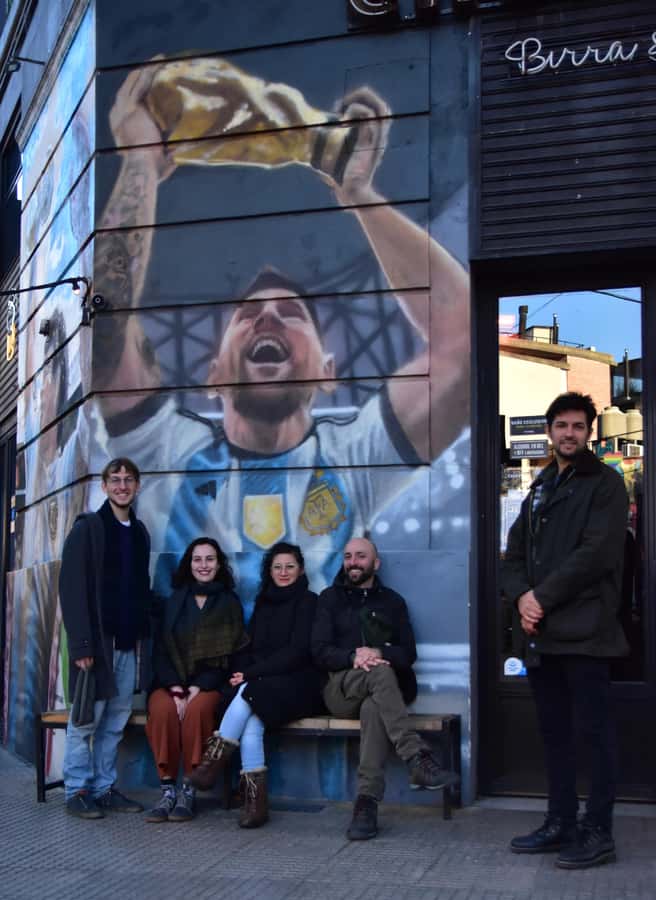
About halfway through, you reach Plaza Inmigrantes de Armenia for a guided visit of around 10 minutes.
This is one of the tour’s most direct stops for immigration-related context. The name alone points you toward the theme, and the guide uses the place to connect the dots between migration, community life, and the neighborhood’s later transformation.
If you care about how cities remember people—or don’t—this stop is one to pay attention to. It helps you understand why the neighborhood’s current identity shouldn’t be treated like a full rewrite. It’s more like a palimpsest: multiple eras stacked on top of each other, some more visible than others.
Helados Italia break: reset your legs and keep your curiosity
You get a scheduled break of about 15 minutes at Helados Italia. This is practical. Two hours isn’t long, so the tour gives you an actual breathing point.
Use the time to cool down, grab water, and think about what you want to ask next. If the guide has been throwing out questions like how real estate speculation connects to Peso devaluation, this break is when you can ask for a clearer example before the tour moves on.
Pasaje Russel to Plaza Serrano: tying the “SoHo” label back to reality
Pasaje Russel is the next guided stop, around 10 minutes. Again, you’re working with the tour’s core tool: the neighborhood’s small spaces reveal big stories. The guide connects these passages to the larger narrative of how Palermo became associated with the SoHo brand and how that brand attracted tourists, chic bars and restaurants, and even the food trends that can feel like a stamp of international attention.
The tour then ends at Plaza Serrano. That’s a smart place to finish because it’s a natural jump-off point for continuing on your own. You’ll leave with a map in your head: not a list of pretty stops, but a sense of cause and effect.
Gentrification and the Peso: what the guide makes you understand
One of the biggest “value boosters” here is how the tour tackles gentrification without hiding behind big words. You’ll learn about what real estate speculation looks like on the ground, and why it connects to Argentina’s economic shifts—especially Peso devaluation.
The guide also discusses the idea of two exchange rates and why that matters for pricing and decisions. Even if you’re not an economics person, you can follow the logic because it’s tied to everyday choices: renting, selling, investing, and who can afford to stay.
This is where the anthropologist angle really earns its keep. You’re not only learning a timeline. You’re learning how the neighborhood’s social fabric gets negotiated through money.
Price and value: why $25 can feel fair (if you like thinking)
At $25 per person for 2 hours, this is good value if you want more than scenery. The tour includes a university-degree guide and an interactive walking format, which means you’re paying for interpretation, not just movement through the neighborhood.
If you prefer silent sightseeing, you might feel like you paid for a conversation you didn’t ask for. But if you like answers to questions—why this place became SoHo, what changed, and what that means for the future—this price is easier to justify.
I’d also say the “avoid standard tourist agencies” approach matters. When a tour is built around anthropology and real discussion, you often get fewer checklist stops and more meaning per block.
Who should book this Palermo SoHo tour
This works best for you if:
- You like walking tours that explain causes, not just landmarks.
- You’re curious about gentrification and how it connects to economics and community life.
- You enjoy history that’s visible in institutions and everyday places, like the Ukrainian culture association and Plaza Inmigrantes de Armenia.
- You want a small-group feel, since private or small groups are available.
It may not be the best fit if you want a quiet “headphones only” experience, or if you’d rather not spend 2 hours talking through sensitive topics like displacement and speculative investment.
Should you book Palermo SoHo for curious people?
If you like your city time with context, I’d book it. The combination of an anthropological perspective, a guided route that mixes quick street stops with key immigration-related locations, and a guide who can make the story both clear and funny is a strong setup for leaving with more than photos.
If you’re unsure, do this: ask yourself whether you want the neighborhood’s “cool” look to have an explanation. If yes, this tour gives you that—and you’ll probably walk away seeing Palermo SoHo as a set of choices made by real people, not a trend that just showed up overnight.
FAQ
How long is the Palermo SoHo walking tour?
The tour lasts 2 hours.
How much does the tour cost?
It costs $25 per person.
Where is the meeting point?
You meet by the amphitheater of Distrito Arcos Premium Outlet, right next to the Montagne store.
Where does the tour end?
The walk ends at Plaza Serrano.
What languages is the guide available in?
The live guide offers Spanish, French, and English.
Is the tour wheelchair accessible?
Yes, the tour is wheelchair accessible.
Are private or small groups available?
Yes, private or small groups are available.
What topics will the guide cover about Palermo SoHo?
You’ll cover the origin of the neighborhood, how Palermo became associated with SoHo, gentrification, real estate speculation, and connections to Peso devaluation and two exchange rates. You’ll also learn about immigration-related history in Palermo.
Is free cancellation available?
Yes. You can cancel up to 24 hours in advance for a full refund.
Palermo, Block by Block



Just added to our Buenos Aires notebook
- Guided tour Boca Juniors Museum & Stadium + Caminito
★ 3.3 · 3 reviews - Bike Tour: Buenos Aires to the North
★ 4.0 · 3 reviews - From Colonialism to Eclecticism, Buenos Aires arquitectonica
★ 5.0 · 3 reviews - Enjoy a Rural Experience in a Vineyard near Buenos Aires
★ 4.7 · 3 reviews - Café de los Angelitos – Traditional Night in Buenos Aires
★ 4.8 · 3 reviews - Buenos Aires: Rojo Tango Show with Optional Dinner
★ 3.4 · 3 reviews
Palermo Soho & Street Art, compared.
 ★ 4.8Graffiti and Street Art Guided Tour in EnglishFrom $13684 reviews
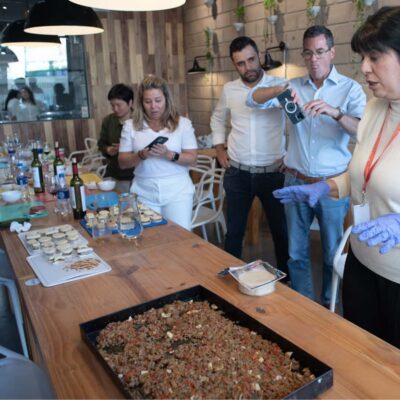 ★ 4.6Empanada & Alfajor Cooking Lesson in PalermoFrom $49186 reviews
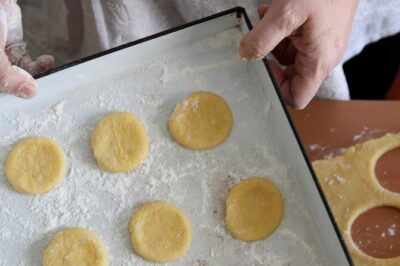 ★ 5.0BA: Empanadas and Alfajores Cooking Experience in PalermoFrom $49112 reviews
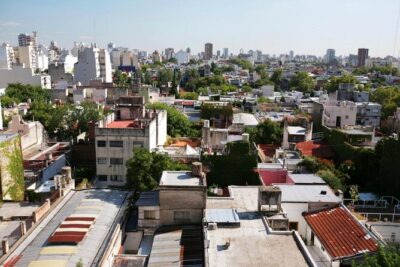 ★ 4.5Buenos Aires Bike Tour: North Districts, Recoleta and PalermoFrom $4591 reviews
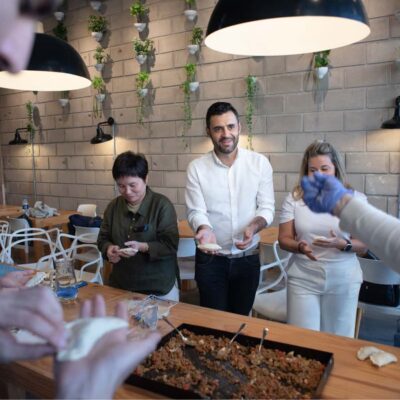 ★ 4.8Argentinian Empanadas Cooking Experience in Palermo, Bs AsFrom $4650 reviews
 ★ 5.0Cultural Experience by Bike around Palermo and Recoleta Max 6 pplFrom $5444 reviews
 ★ 4.5City Bike Tour in Palermo and RecoletaFrom $507 reviews
 ★ 4.4Palermo Soho Guided Walking TourFrom $175 reviews
Browse the lists this tour appears in