
Reviewed · PALERMO SOHO & STREET ART
Buenos Aires: Empanada & Alfajor Cooking Lesson in Palermo
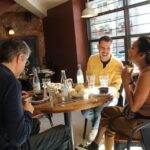
Empanadas and alfajores, made in Palermo. I love the hands-on empanadas folding and the from-scratch alfajores with creamy dulce de leche. Along the way you sip mate tea and get the food story behind it.
Here’s the one drawback to plan for: there’s no hotel pickup, so you’ll need to get to Gorriti in Palermo on your own. The good news is you’re in safe hands—hosts like Carolina and Tomas keep the steps friendly and clear.
In This Review
- Quick highlights you can feel good about
- Palermo’s Empanada and Alfajor Lesson: What the 150 Minutes Are Like
- Getting Oriented: Where to Meet in Palermo (Gorriti)
- Meet Your Host: Why the Guide Choice Changes Everything
- Empanadas 101: Meat, Vegan, and the Folding Skill
- A small practical warning
- Alfajores from Scratch: Dulce de Leche Cookies You’ll Actually Make Again
- Mate Tea and Food Culture: The Part You’ll Remember
- What You’ll Eat (and How Much Food You Get)
- Price and Value: Is $49 Actually Fair?
- Who This Cooking Class Fits Best in Buenos Aires
- Final Decision: Should You Book This Palermo Empanada and Alfajor Class?
- FAQ
- How long is the cooking lesson?
- Where do I meet the instructor in Palermo?
- Is hotel pickup and drop-off included?
- What’s included in the price?
- Are there meat and vegan options?
- What languages are offered for the live guide?
- Does the class run in bad weather, and can I cancel?
Quick highlights you can feel good about
- Hands-on empanadas: meat and vegan options, plus real practice folding the pastry
- Dulce de leche alfajores: you mix, bake, and assemble the cookies filled with creamy filling
- Mate tea + culture talk: sip yerba mate and learn what makes these foods so Argentine
- Family-friendly format: works well for mixed ages because everyone can take part
- Small-group energy (in practice): reviews point to an upbeat, interactive class vibe with lots of guidance
Palermo murals and Soho corners, a few more across Buenos Aires.
- Palermo: Graffiti and Street Art Guided Tour in English★ 4.8 · 684 reviews
- BA: Empanadas and Alfajores Cooking Experience in Palermo★ 5.0 · 112 reviews
- Buenos Aires Bike Tour: North Districts, Recoleta and Palermo★ 4.5 · 91 reviews
Palermo’s Empanada and Alfajor Lesson: What the 150 Minutes Are Like
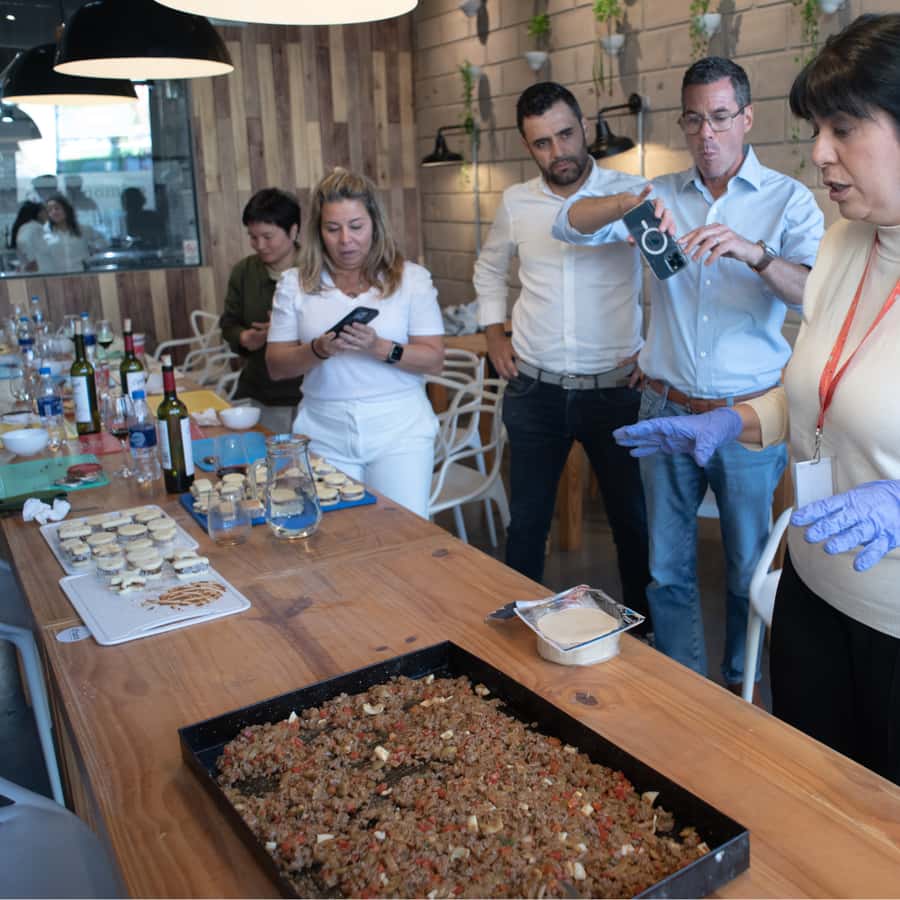
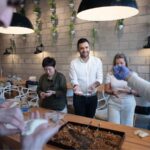
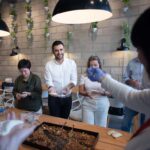
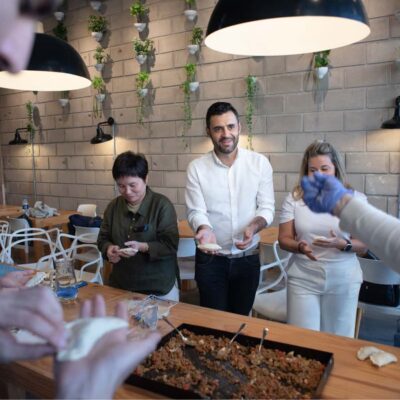
This is a 150-minute, in-person cooking lesson in Palermo that focuses on two of Argentina’s most beloved snack foods: empanadas and alfajores. The pace is built around doing, not just watching. You’ll be elbow-deep in dough work for the empanadas, then switch gears to mixing and baking for the alfajores.
This length matters. In a short class, you might only learn theory or make one thing. Here, you get enough time to actually practice the steps and end up with food you can eat right away. It’s the kind of activity that makes Buenos Aires feel personal—because you’re not just tasting Argentina; you’re reproducing it.
One more practical note: it runs rain or shine. So if you’re juggling a sightseeing-heavy week, this is the kind of plan that won’t collapse the moment clouds show up.
Getting Oriented: Where to Meet in Palermo (Gorriti)
You’ll meet at Gorriti in Palermo, with the address listed as Gorriti 4882 and also noted as Gorriti 4886. Since both appear in the details, I’d treat the exact street number in your confirmation as the final word, then arrive a few minutes early so you can check you’re at the right door.
Also, no pickup is included. That’s not a dealbreaker, but it means you should build a little buffer into your day for transit. If you’re staying in central neighborhoods, it’s usually manageable by taxi or rideshare; if you’re far out, you’ll want to keep the timing realistic.
Meet Your Host: Why the Guide Choice Changes Everything
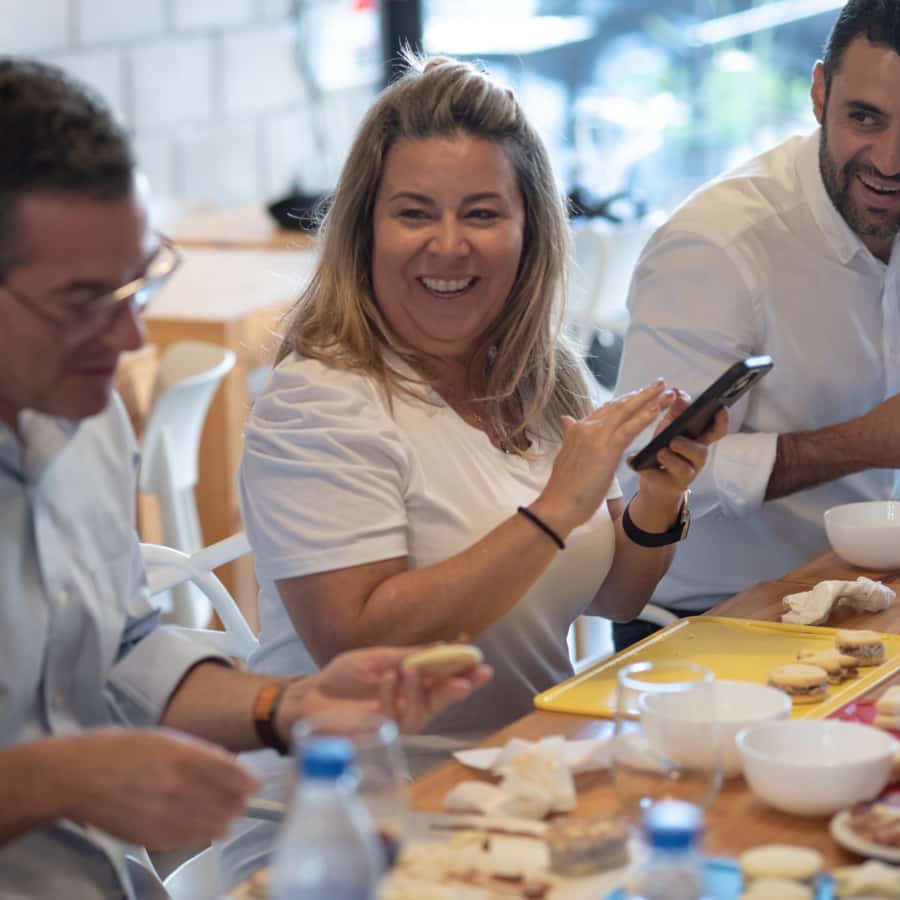
What really makes this class click is the way the instructor teaches. The reviews highlight hosts who are patient, step-by-step, and genuinely enthusiastic about food. Names that come up again and again include Carolina, Tomas, Catalina, and Paulina—and the consistent theme is clear instruction.
A good teacher in a cooking class does more than show motions. They explain the why. That matters for empanadas, because the fold isn’t just decoration—it helps keep the filling contained and gives you that classic look. It also matters for alfajores, because the filling and cookie balance is where most homemade attempts go wrong.
You’ll also have a local guide who shares cultural insight while you cook. You’ll be able to ask questions in English, Spanish, or Portuguese, depending on the class language that day.
Fold your own empanadas and alfajores, more classes in Buenos Aires.
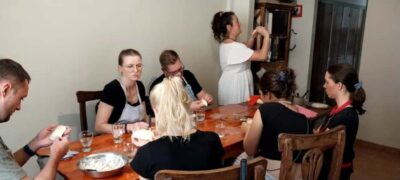
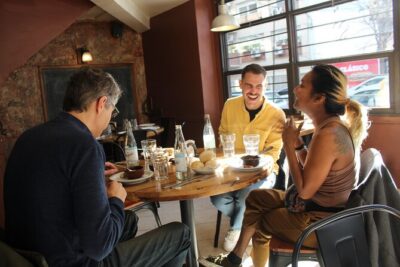
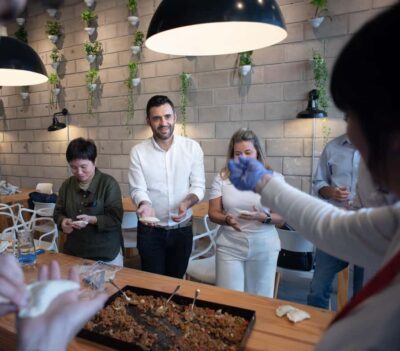
Empanadas 101: Meat, Vegan, and the Folding Skill
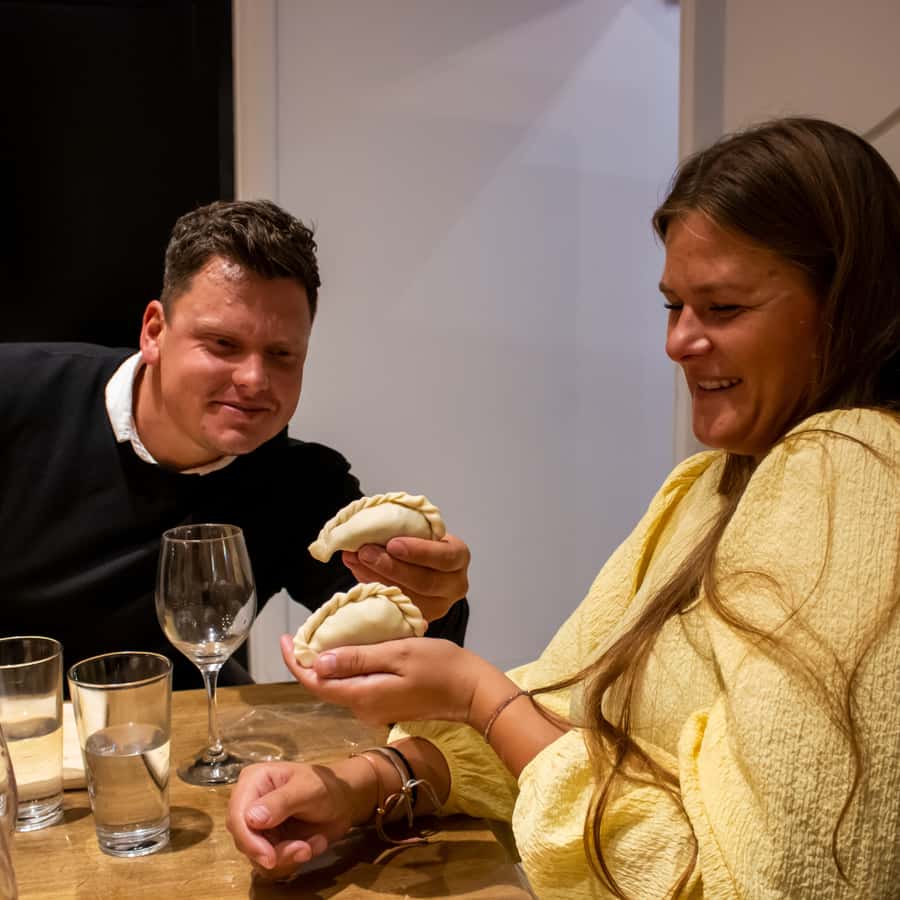
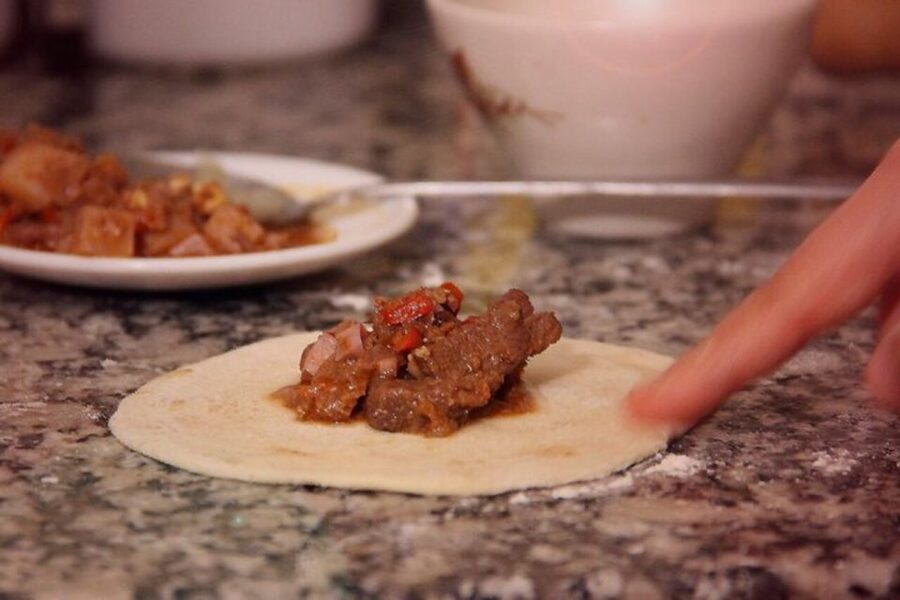
Empanadas are Argentina’s comfort-food MVP. In this class, you’ll learn how to prepare them from scratch, with options for both meat and vegan fillings.
The hands-on part is the big value. You’re not stuck passively watching dough get assembled. You learn the steps, then you do them. Expect work around:
- preparing or handling the dough
- working with the filling (and choosing the version you want)
- assembling and folding the empanadas with guidance
One detail I love from the experience design is that you might get a comparison between prepackaged dough and freshly made dough. Even if you’re an experienced cook, this comparison helps you understand what’s different in texture and handling—and it makes you more confident when you cook again at home.
A small practical warning
Dough work gets messy. That’s normal and part of the fun. Wear clothes you won’t mind getting flour on, and don’t show up wearing your “nice dinner” outfit unless you’re okay with a tiny risk.
Alfajores from Scratch: Dulce de Leche Cookies You’ll Actually Make Again
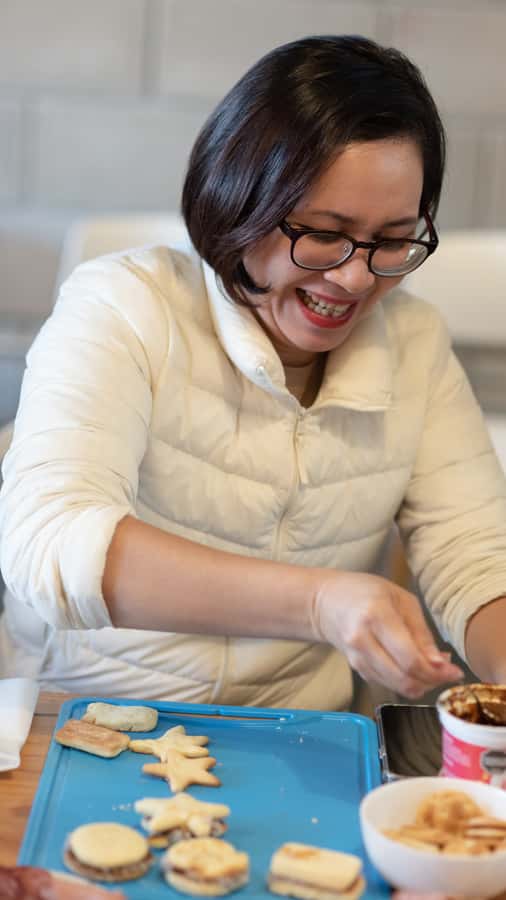
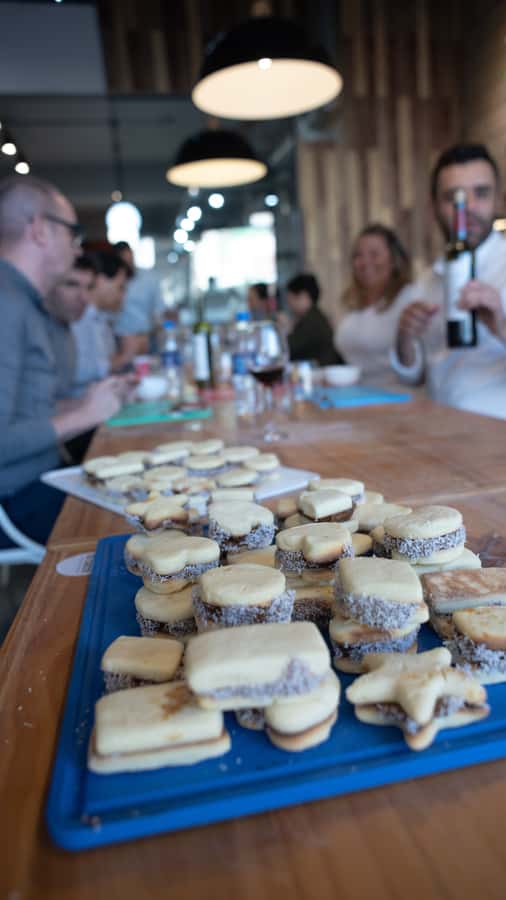
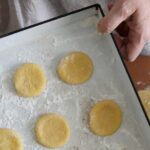
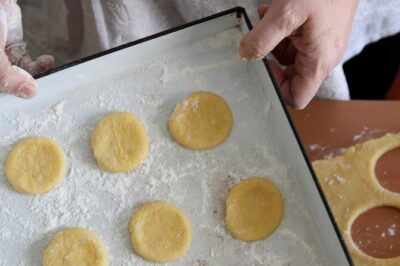
After the empanadas, you switch to alfajores: the cookies filled with dulce de leche. This part of the class is structured around mixing, baking, and assembly. That sequence matters.
- Mixing and forming the dough teaches you the feel of the cookie base.
- Baking turns theory into results—you get to see the cookie transform.
- Assembly is where dulce de leche becomes real, not just a jar on a shelf.
If you’ve only had alfajores from stores, doing them from scratch changes your understanding fast. You learn how the filling behaves, how much to use, and how to make the sandwich cookie hold together.
And yes, it’s sweet. That’s the point. But it’s also why alfajores are such a good souvenir recipe: once you’ve made them once, the ingredients are familiar enough that you can repeat the process later.
Mate Tea and Food Culture: The Part You’ll Remember
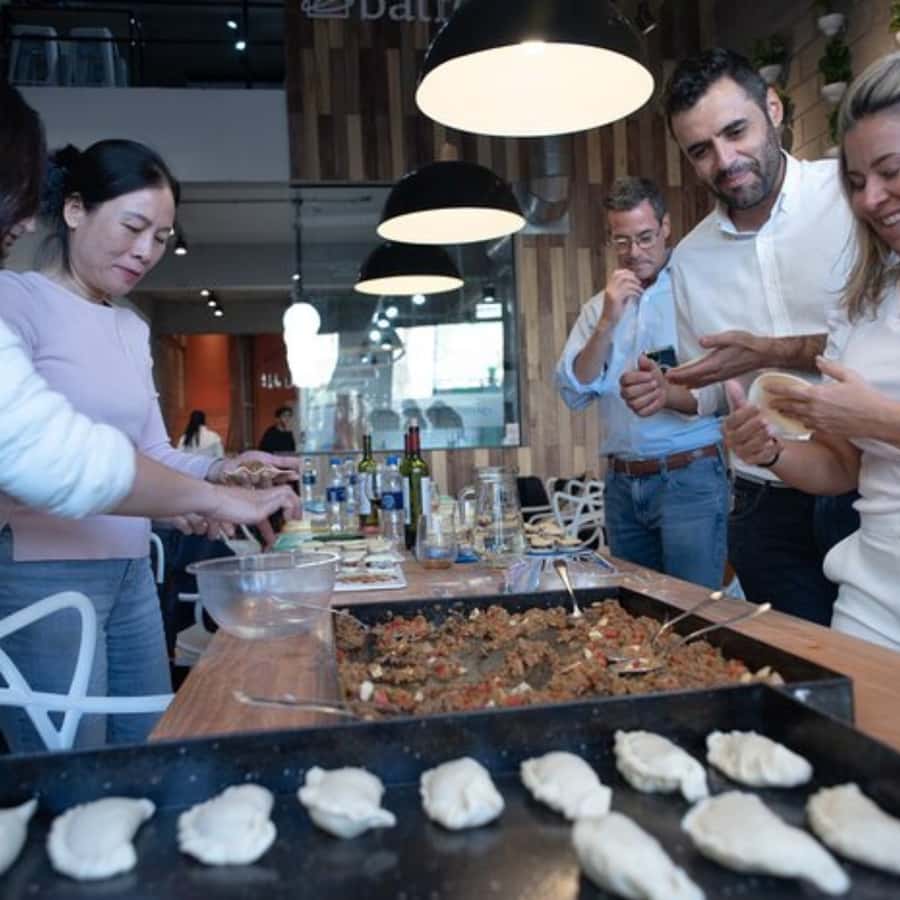
This lesson doesn’t treat food as just a recipe set. You’ll enjoy mate tea during the class, along with cultural insights that explain why these dishes are so popular.
Mate tea is a big deal in Argentina. Here, it works like more than a beverage. It’s part of the rhythm of the session—an easy way to slow down while you’re working and to connect the cooking steps to daily Argentine life.
The cultural talk also tends to make the food feel less like a tourist item. You’re learning the social context: how people gather, snack, and share. That’s often what turns a “fun activity” into a real memory.
What You’ll Eat (and How Much Food You Get)
This type of class is designed so you eat what you cook. The experience is described as a hands-on cooking lesson where you end up delighting in local food during the session.
So you should expect:
- your empanadas as a plated or served result after assembling
- your alfajores once baked and assembled
- mate tea during the process
- a shared, sit-down eating moment afterward in many cases
A few reviews also mention extras like wine and a snack-style spread during the meal portion. Since those details aren’t listed as guaranteed essentials in the base info, I’d treat them as “might happen” depending on the setup and instructor, not as something to count on.
One practical benefit: because this is a cooking lesson, your meal portion feels like the payoff. You’re not done after a single bite—you’re going home with the feeling of having made a real Argentine lunch or snack.
Price and Value: Is $49 Actually Fair?
At $49 per person for a 150-minute, hands-on cooking experience, the value comes from the mix of things you get—not just the food.
You’re paying for:
- ingredients for empanadas and alfajores
- an instructor who teaches and supervises the steps
- mate tea as part of the experience
- a structured lesson that helps you leave with repeatable recipes
If you were to recreate this day on your own, you’d likely spend time (and money) sourcing ingredients and figuring out the “how” behind the folding and baking. This class compresses that learning into a few hours. You’re basically buying guidance, correction, and momentum.
The only consistent “cost” isn’t money—it’s effort. You need to show up ready to work with dough and enjoy the process, not just observe it.
Who This Cooking Class Fits Best in Buenos Aires
This is a strong option if you want something more grounded than sightseeing-only days. It’s also a good fit for families, because the class is described as ideal for you and your kids, and reviews mention the experience working across a wide age range.
It’s especially good for:
- couples who want a shared activity that doesn’t rely on nightlife schedules
- families looking for a hands-on Buenos Aires activity that keeps everyone involved
- food-focused travelers who want recipes they can actually reproduce
If you’re a serious baker already, you’ll still enjoy it for the technique—especially around folding and building alfajores correctly. If you’re new to cooking, that’s fine too. The whole point is that the instructor is there to guide the steps.
Final Decision: Should You Book This Palermo Empanada and Alfajor Class?
Book it if you want a Buenos Aires experience where you leave with skills, not just photos. The hands-on empanada folding plus from-scratch dulce de leche alfajores is a rare combo. You also get mate tea and cultural context, which helps the food feel like it belongs to Argentina rather than just a menu.
I’d skip it if you hate mess, don’t want to work with dough, or you’re unwilling to travel to the meeting point on your own. Since pickup isn’t included, your schedule and location in the city matter.
FAQ
How long is the cooking lesson?
The class runs for 150 minutes.
Where do I meet the instructor in Palermo?
The meeting point is listed as Gorriti 4882, C1414 CABA, Palermo, Argentina, and it’s also noted as Gorriti 4886, Palermo.
Is hotel pickup and drop-off included?
No. Hotel pickup and drop-off are not included.
What’s included in the price?
You get empanadas ingredients, alfajores ingredients, a local instructor, and mate tea.
Are there meat and vegan options?
Yes. Meat or vegan options are available.
What languages are offered for the live guide?
The live tour guide can speak English, Spanish, and Portuguese.
Does the class run in bad weather, and can I cancel?
The experience takes place even if it rains or shines. Free cancellation is available up to 24 hours in advance for a full refund.
More Workshops in Buenos Aires


Back in the Buenos Aires Kitchen
Palermo, Block by Block
Just added to our Buenos Aires notebook
- Guided tour Boca Juniors Museum & Stadium + Caminito
★ 3.3 · 3 reviews - Bike Tour: Buenos Aires to the North
★ 4.0 · 3 reviews - From Colonialism to Eclecticism, Buenos Aires arquitectonica
★ 5.0 · 3 reviews - Enjoy a Rural Experience in a Vineyard near Buenos Aires
★ 4.7 · 3 reviews - Café de los Angelitos – Traditional Night in Buenos Aires
★ 4.8 · 3 reviews - Buenos Aires: Rojo Tango Show with Optional Dinner
★ 3.4 · 3 reviews
Palermo Soho & Street Art, compared.
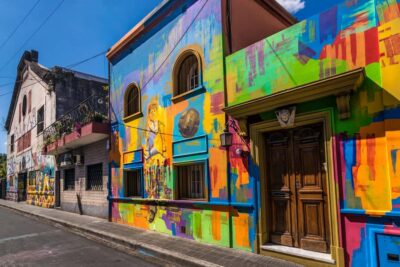 ★ 4.8Graffiti and Street Art Guided Tour in EnglishFrom $13684 reviews
 ★ 5.0BA: Empanadas and Alfajores Cooking Experience in PalermoFrom $49112 reviews
 ★ 4.5Buenos Aires Bike Tour: North Districts, Recoleta and PalermoFrom $4591 reviews
 ★ 4.8Argentinian Empanadas Cooking Experience in Palermo, Bs AsFrom $4650 reviews
 ★ 5.0Cultural Experience by Bike around Palermo and Recoleta Max 6 pplFrom $5444 reviews
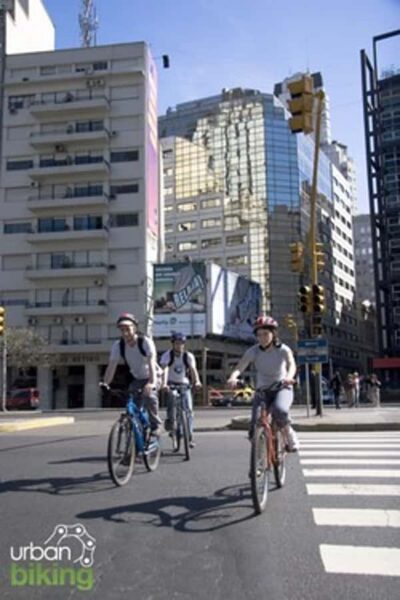 ★ 4.5City Bike Tour in Palermo and RecoletaFrom $507 reviews
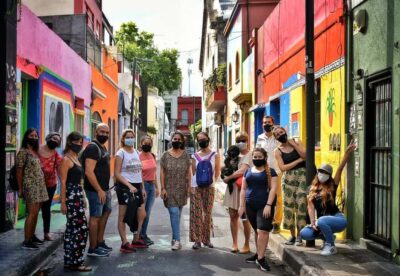 ★ 4.4Palermo Soho Guided Walking TourFrom $175 reviews
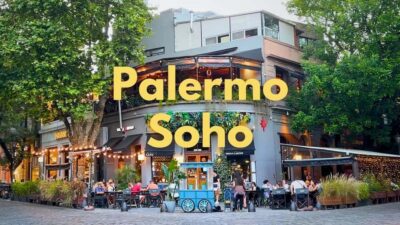 ★ 5.0Palermo SoHo for curious peopleFrom $254 reviews
Browse the lists this tour appears in