
Reviewed · EMPANADA & ALFAJOR COOKING CLASSES
Buenos Aires: Empanadas and Alfajores Guided Cooking Class
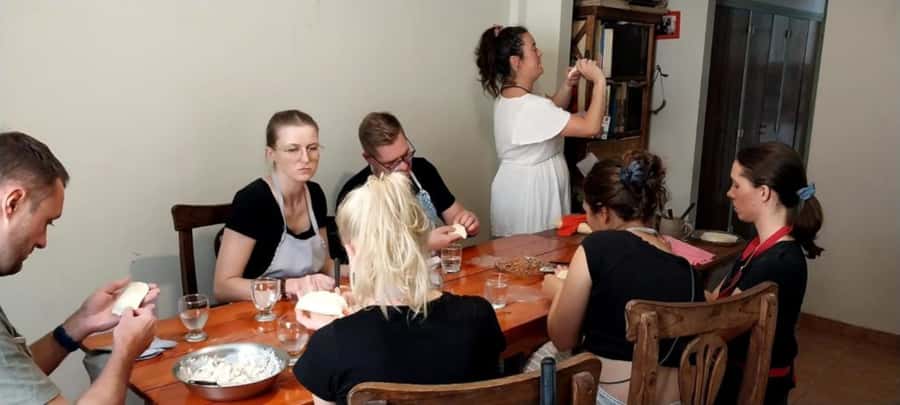
One of the best food lessons in Buenos Aires starts at home. This 3-hour workshop teaches you empanadas and alfajores with real, step-by-step cooking from a chef, plus the mate ritual before dessert. I also love the small-group feel, where you’re not watching from the sidelines. The one catch: you may end up making two batches with the same empanada filling instead of a wider variety.
You’ll be learning the classic Argentine techniques that matter, like the dough work and the twisted edge called the repulgue, not just assembling food. The meal you make is the point, and you’ll get to eat everything you’ve made right there. My only other caution is practical: for less confident cooks, you’ll want to pay close attention (and ask) so the process clicks as you go.
In This Review
- Key moments that make this class worth your time
- San Telmo, a doorbell, and a kitchen that feels lived-in
- Mate comes before the dough: the drink lesson that sets the tone
- Empanadas: dough work, savory fillings, and the repulgue seal
- What you’ll learn that actually helps later
- The common question: how many filling types?
- Oven or frying?
- Alfajores: corn-starch pastry and the dulce de leche payoff
- The pace and the teaching style: fun, hands-on, and still structured
- Recipes afterward: what to expect and how to make sure you get them
- Price and value: $37 for a small-home meal lesson
- Who should book this class
- Should you book BsAs Mio Turismo’s empanadas and alfajores class?
- FAQ
- Where is the meeting point?
- How long is the cooking class?
- What is included in the price?
- What is not included?
- How large is the group?
- What languages are used during the class?
- Is there free cancellation?
- Do I have to pay immediately to reserve?
- Is the activity wheelchair accessible?
Key moments that make this class worth your time
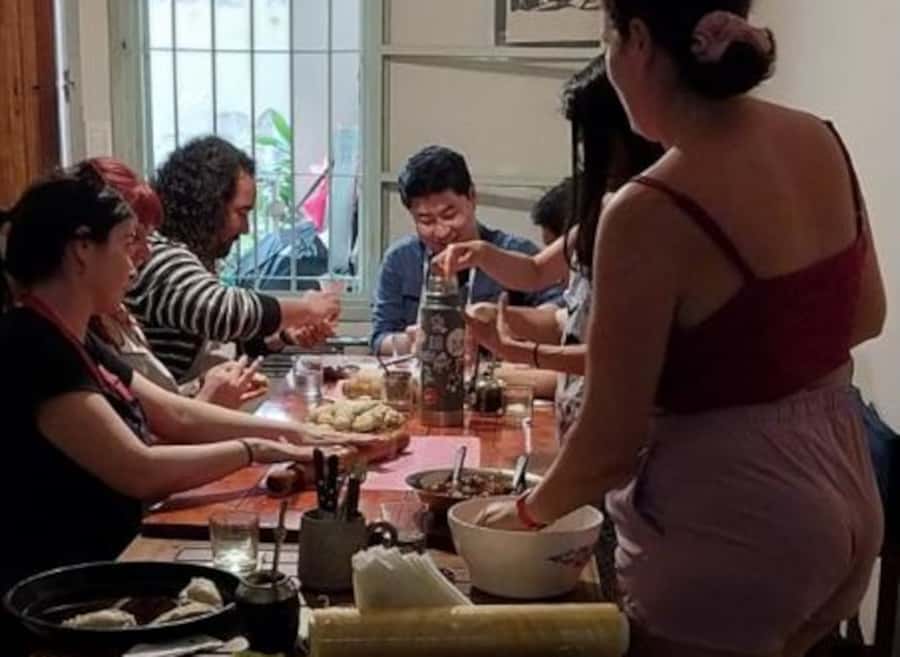
- A real Buenos Aires household setting: warm, family-style cooking rather than a demo kitchen
- Mate first, mate properly: you learn the traditional way to prepare and drink it
- Empanadas with the repulgue technique: the sealing method is taught, not guessed
- Dulce de leche alfajores: corn-starch pastry with a creamy filling you can actually reproduce
- Small group capped at 8 people: more hands-on time and easier questions
- Meat and vegetarian options: you can cook something that fits your preferences
Fold your own empanadas and alfajores, more classes in Buenos Aires.
- Buenos Aires: Empanadas and Alfajores Guided Cooking Class★ 4.8 · 486 reviews
- Buenos Aires: Empanada & Alfajor Cooking Lesson in Palermo★ 4.6 · 186 reviews
- Buenos Aires Food Tour: Local Dishes, Steak, Empanada & More★ 5.0 · 118 reviews
San Telmo, a doorbell, and a kitchen that feels lived-in
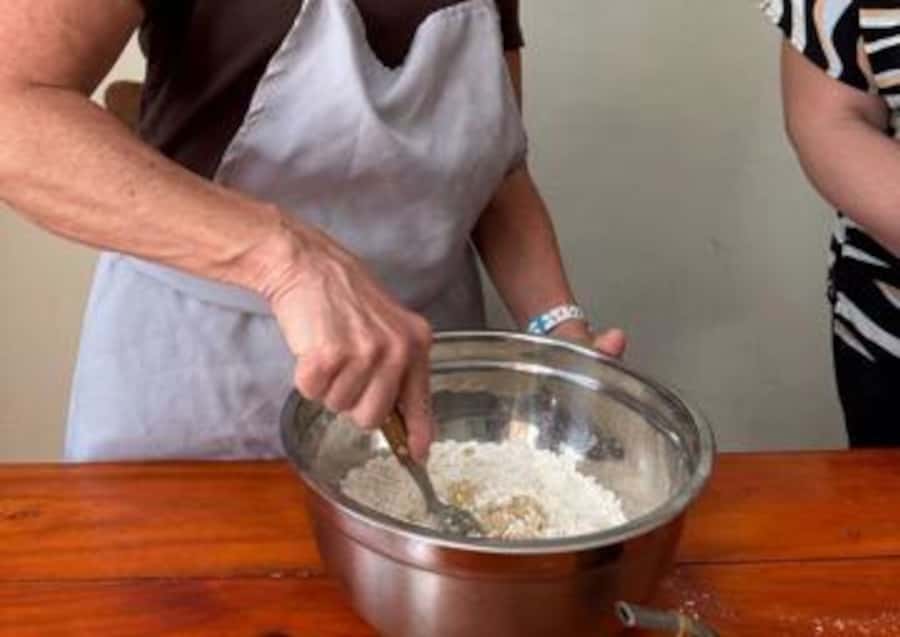
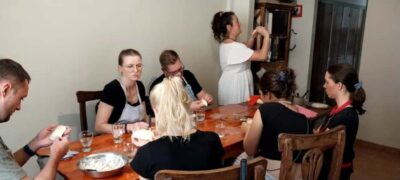
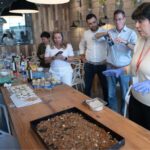
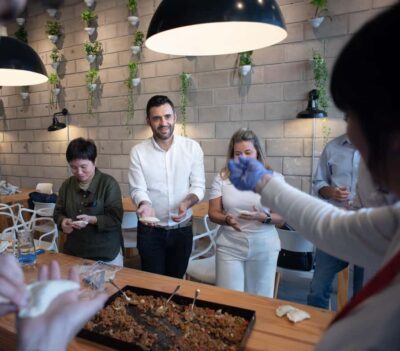
This class meets in San Telmo at Paseo Colón 1355. You show up at the start time, ring the bell, and you’re taken into a home kitchen rather than a studio. That change matters. In a place like this, you’re learning how Argentines cook day-to-day, not how a classroom performs cooking.
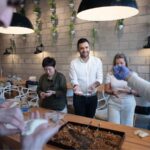
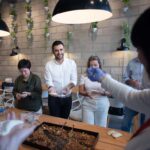
The experience is run for a small group of up to 8, which is exactly what you want for pastry work. Empanada dough and sealing take touch and rhythm, and you get enough space to follow along without feeling rushed. Even when the pace is lively, the vibe tends to stay friendly. Multiple hosts are mentioned in recent experiences, including Thomas and Sophia (and also Maria in some cases), which hints at a consistent, people-first approach.
One small practical note: several people mention table visibility. If you’re the type who likes to see every hand motion, try to sit where you can watch the shaping and sealing steps clearly.
Mate comes before the dough: the drink lesson that sets the tone
Before you start shaping anything, you learn how to prepare mate, Argentina’s herbal tea ritual. This isn’t treated like a fancy add-on. It’s part of the cultural flow of the evening: guests talk, the hosts explain, and you get to participate in the mate routine while you’re getting settled.
Why I think this is valuable: mate is one of those things you can’t learn from a menu description. You need to see how it’s prepared and how people actually drink it. In a home setting, that’s what you get. The class includes mate, plus water, so you’re not scrambling to find a drink while you’re trying to focus on dough.
Expect conversation during this time as well. People mention hosts sharing more than recipes, including Argentine and Buenos Aires culture. That makes the meal feel like something you’re stepping into, not something you’re completing.
Empanadas: dough work, savory fillings, and the repulgue seal
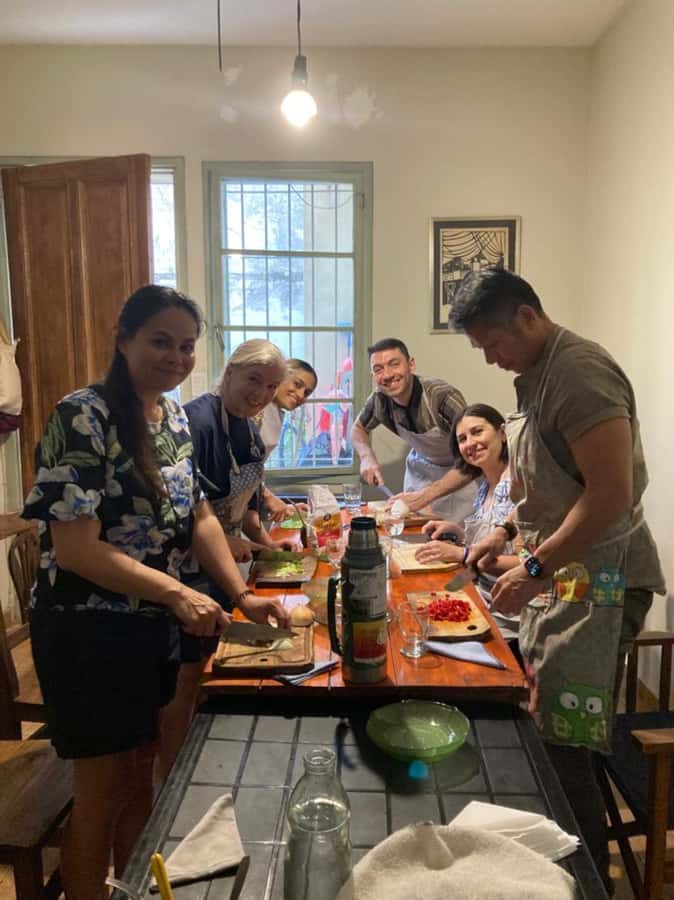
Empanadas are the headline dish in this workshop, and they’re taught in a way that aims to make you confident later. You’ll go through the process of preparing both the dough and the fillings, then assembling the empanadas yourself.
More hands-on classes and workshops in Buenos Aires.
What you’ll learn that actually helps later
The most important skill isn’t just folding—it’s sealing. You’ll learn the repulgue, the crimped twist edge that keeps the filling inside and gives empanadas their classic look. When you get the repulgue right, you understand the texture and tension of the dough, which means your empanadas stop feeling like luck.
You’ll also learn how to work with fillings. The class includes making empanadas with different savory options, including meat-based choices, and the information provided also points to vegetables and ham-and-cheese-style combinations as part of the empanada world. Vegetarian alternatives are also noted in experiences, which is reassuring if you don’t eat meat.
The common question: how many filling types?
Here’s the trade-off to know: at least one person wanted a second different filling. Instead of multiple flavors, they felt the class used the same meat filling twice. That doesn’t mean you won’t get a great meal. It does mean you should set expectations: the priority is technique and execution, so filling variety may be limited by time.
If you like sampling lots of flavors, I’d read this class as a technique win with one main filling (or two repeat rounds). If you want to bring home the method for making proper empanadas, this class is still a strong fit.
Oven or frying?
Empanadas in Argentina can be baked or fried, and the class is focused on making them from scratch with the method the hosts teach. Either way, the real takeaway is how the dough behaves and how the sealing holds. That matters more than whether you eat them crisp from the oven or golden from the pan.
Alfajores: corn-starch pastry and the dulce de leche payoff
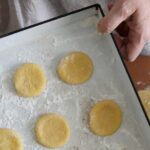
Then comes the dessert everyone waits for: alfajores. In this class, you’re not just assembling store-bought cookies. You learn to make them with corn-starch pastry and a creamy dulce de leche filling.
Alfajores are deceptively simple: a tender, slightly crumbly cookie shell plus sweet filling. The corn starch component is key for that texture, and the class structure supports that by teaching you how to work the dough and then fill and finish the pastries.
Why this part is a good value add: dessert in many cooking classes is either small or vague. Here, you’re making an Argentine staple with proper ingredients and a clear process, and then you eat what you make. That turns the class into a full meal experience rather than a short taste.
People repeatedly mention that the empanadas and alfajores are very tasty and that you eat a lot. One practical upside of making both items: you’ll likely have enough food to feel satisfied without ordering anything else right away.
The pace and the teaching style: fun, hands-on, and still structured
This class runs for 3 hours, and the format is hands-on. You’re preparing ingredients, assembling, and cooking rather than just watching. Many experiences mention the hosts being welcoming and engaging, with a professional, friendly teaching style and often a sense of humor.
For skill level: you don’t need to be a pastry expert. Still, a couple of notes show where you might need to lean in. Some people say instructions could be a bit clearer for those who aren’t seasoned cooks. If you’re a total beginner, I’d come ready to ask questions quickly when something feels unclear, especially with dough and sealing.
Also, languages are Portuguese and English. The instructor is listed as Portuguese, English, and multiple experiences mention smooth English explanations. That’s helpful because pastry technique is hard to translate with only gestures.
Recipes afterward: what to expect and how to make sure you get them
The class includes the cooking experience and ingredients, and many people say recipes are shared after the class. Still, delivery details can vary. One person noted recipes weren’t easy to receive, including needing to follow on Instagram first and proactively ask. Another mentioned they hadn’t received recipes and suggested confirming the method before leaving.
Here’s how to handle this like a smart traveler:
- Ask the host before you leave how you’ll receive the recipes.
- Confirm whether you’ll get them immediately or via a social media follow-up.
- If you care about exact amounts and timing, take a photo of any written steps during class and confirm the recipe delivery method at the end.
That way you protect your investment, especially since you’re paying to learn something you’ll want to repeat at home.
Price and value: $37 for a small-home meal lesson
At $37 per person for a 3-hour workshop, the value is driven by three things you can actually measure:
- Small group size (max 8), which usually means more hands-on guidance
- Everything included for the cooking meal: class, ingredients, mate, water, and the meal you make
- Technique-focused outcomes: empanada dough and the repulgue seal, plus corn-starch alfajores
Wine isn’t included, though it may be available for purchase. That’s a typical setup and doesn’t affect the core value because you’re already getting a full food experience.
Compared to paying for a generic food tour, you’re leaving with practical skills. Compared to taking a cooking class where the results are tiny, you’re eating what you make, which is a big deal for satisfaction.
Who should book this class
I’d book this if you:
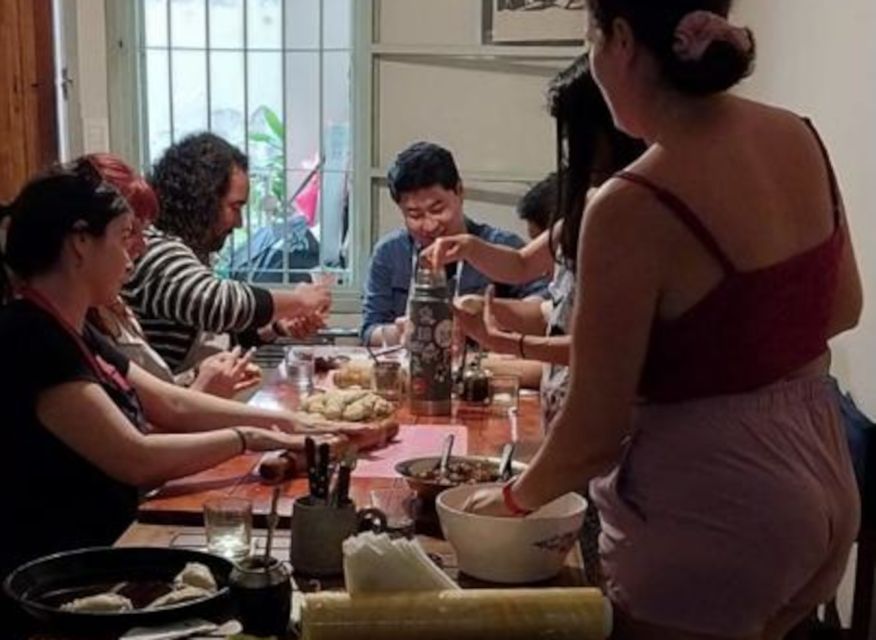
- Want a hands-on food experience in a real Buenos Aires home
- Care about Argentine technique, not just eating your way through dinner
- Like the idea of learning both a savory staple (empanadas) and a dessert (alfajores)
- Want a small-group night with conversation and mate culture
You might skip or pair it with something else if:
- You’re mainly chasing variety of fillings and flavors in one class
- You dislike kitchens with limited space where you may have to share attention around the table
Families can work well here too. Some experiences mention teens and parents participating comfortably, which suggests the class is flexible enough for mixed ages as long as everyone is willing to cook and taste.
Should you book BsAs Mio Turismo’s empanadas and alfajores class?
In my opinion, yes—if your goal is to learn. The class is built around technique and full results: you make empanadas, learn the repulgue, prepare mate, and then finish with alfajores built on corn-starch pastry and dulce de leche.
Do it if you want an evening that feels like Argentine home life rather than a staged performance. Just go in with one expectation set: you might not get a wide lineup of filling flavors, and you should confirm how recipes are sent so you can cook them again later.
If you’re traveling through San Telmo and want one night that turns into an actual skill you’ll use, this is the kind of class that earns a spot on your Buenos Aires week.
FAQ
Where is the meeting point?
You meet at Paseo Colón 1355 in San Telmo. Please ring the bell at the starting time of the class.
How long is the cooking class?
The class lasts 3 hours.
What is included in the price?
It includes the cooking class, ingredients, mate, water, and the meal.
What is not included?
Wine is not included (it may be available for purchase).
How large is the group?
The class is a small group, limited to 8 participants.
What languages are used during the class?
The instructor is Portuguese and English.
Is there free cancellation?
Yes. You can cancel up to 24 hours in advance for a full refund.
Do I have to pay immediately to reserve?
No. There is reserve now & pay later, so you can book and pay nothing today.
Is the activity wheelchair accessible?
Yes, the activity is listed as wheelchair accessible.
More Hands-On Cooking in Buenos Aires

More Workshops in Buenos Aires



Back in the Buenos Aires Kitchen

Just added to our Buenos Aires notebook
- Guided tour Boca Juniors Museum & Stadium + Caminito
★ 3.3 · 3 reviews - Bike Tour: Buenos Aires to the North
★ 4.0 · 3 reviews - From Colonialism to Eclecticism, Buenos Aires arquitectonica
★ 5.0 · 3 reviews - Enjoy a Rural Experience in a Vineyard near Buenos Aires
★ 4.7 · 3 reviews - Café de los Angelitos – Traditional Night in Buenos Aires
★ 4.8 · 3 reviews - Buenos Aires: Rojo Tango Show with Optional Dinner
★ 3.4 · 3 reviews
Empanada & Alfajor Cooking Classes, compared.
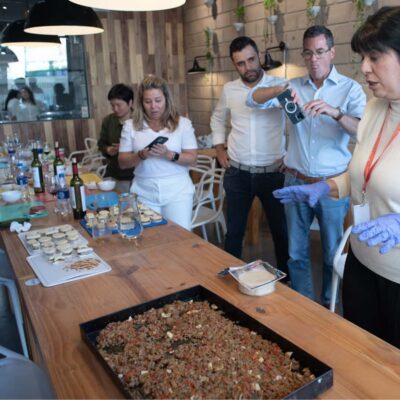 ★ 4.6Empanada & Alfajor Cooking Lesson in PalermoFrom $49186 reviews
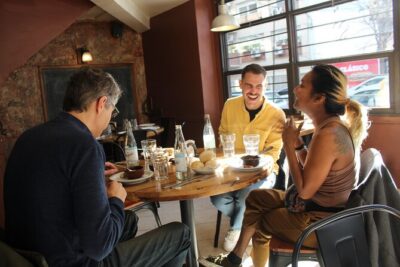 ★ 5.0Buenos Aires Food Tour: Local Dishes, Steak, Empanada & MoreFrom $93118 reviews
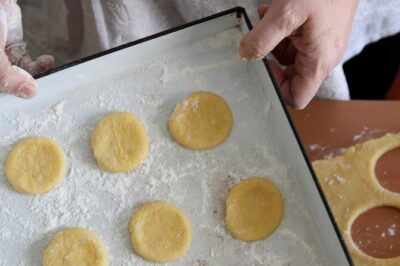 ★ 5.0BA: Empanadas and Alfajores Cooking Experience in PalermoFrom $49112 reviews
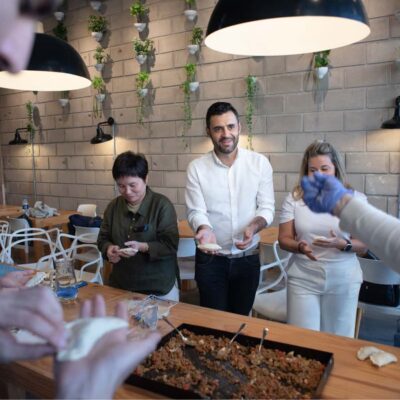 ★ 4.8Argentinian Empanadas Cooking Experience in Palermo, Bs AsFrom $4650 reviews
 ★ 4.9Premium Empanadas Cooking Class & Wine Tasting ExperienceFrom $4935 reviews
Browse the lists this tour appears in