
Reviewed · HISTORICAL TOURS
Nazis in Buenos Aires: a historical walking tour
Buenos Aires has wartime ghosts. This walking tour turns familiar neighborhoods like Recoleta, Retiro, and Microcentro into a living debate about Nazis in Argentina after 1945. I like that it’s led by Max, a history teacher from the University of Buenos Aires, and that the route is anchored to specific buildings you can still stand in front of today.
Two things I’d call out right away: you get the story of Adolf Eichmann’s identification and capture, and you also see how post-war migration and Argentina’s politics get argued through real places—not slogans. One possible drawback: the subject matter is intense, and the tour isn’t suitable for children under 10 or for wheelchair users.
In This Review
- Key things you’ll notice on this walk
- Nazis in Buenos Aires: why this tour feels real, not abstract
- Meet Max and plan for a 2.5-hour history seminar in the streets
- From Juana Azurduy to Luna Park: the shock of a 15,000-seat Nazi meeting
- ABC Restaurant: coffee, rumors, and why sources matter
- Weapons museum and palace stops: power, institutions, and the city’s architecture
- The Jewish community story, terror sites, and why the ending hits
- Perón, post-war migration, and the grey-zone debate you’ll hear explained
- How Max’s teaching style changes the walk (and your takeaway)
- Timing, pacing, and what to expect at each segment
- Is it worth $25 in Buenos Aires?
- Who should book this tour, and who might skip it
- Should you book Nazis in Buenos Aires with Klio Tours?
- FAQ
- How long is the Nazis in Buenos Aires walking tour?
- What is the price?
- Is the tour offered in English?
- Where does the tour start?
- Where does the tour end?
- What stops are included?
- What should I bring?
- Is there a restroom break?
- Is the tour wheelchair accessible or suitable for children?
- Is basic WWII and Holocaust knowledge required?
Key things you’ll notice on this walk
- Max’s teacher style: clear pacing, lots of Q&A, and admitting when something can’t be confirmed
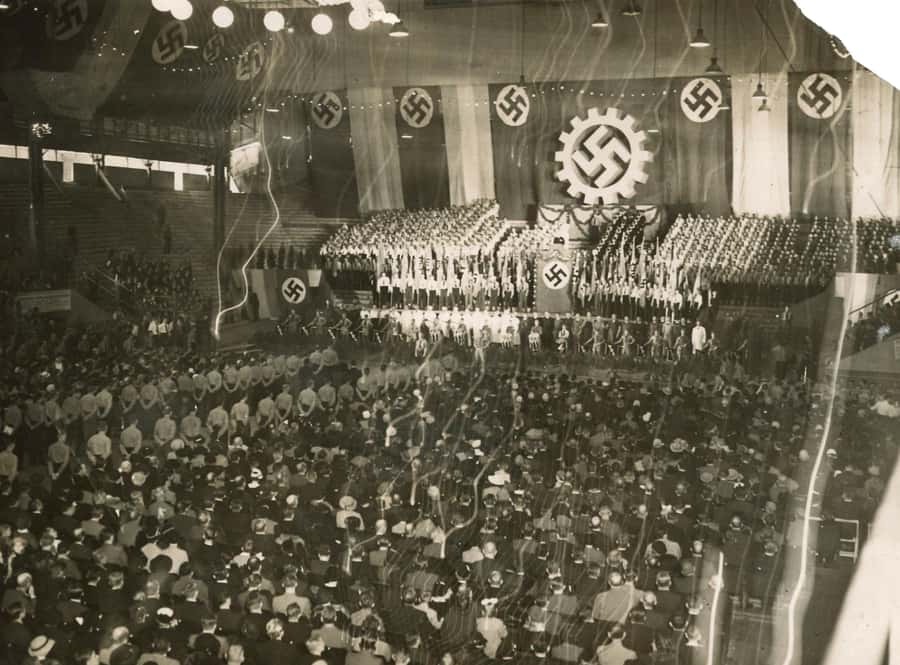
- Luna Park as a Nazi-era stage: a 15,000-seat meeting tied to Nazism, in a venue still operating
- The ABC Restaurant stop: the tour includes the story of Adolf Eichmann having coffee there
- A modern terror site in the Jewish story: you’ll visit a place linked to Latin America’s worst terrorist attack
- A neo-Nazi attack site from the 1960s: the walk doesn’t stop at WW2
- A strong ending point: you finish at the memorial connected to the former Israeli embassy site
More of Buenos Aires covered on foot.
- Buenos Aires Hop-On Hop-Off Bus, Free Walking Tours & Discounts★ 4.5 · 2,218 reviews
- Buenos Aires: La Boca Guided Walking Tour in English★ 4.8 · 1,587 reviews
- Nazis in Buenos Aires: a historical walking tour★ 4.9 · 193 reviews
Nazis in Buenos Aires: why this tour feels real, not abstract
Argentina’s relationship with the Second World War didn’t end in 1945. This tour keeps asking a blunt question: was the country really a refuge for Nazi war criminals, and how much was known or even promoted? You’ll hear that the topic is disputed, not settled, and you’ll see why that matters when you’re standing in the middle of the city.
What I love about the approach here is the way it ties global events to local Buenos Aires. You’re not just learning names and dates. You’re walking through neighborhoods that were shaped by politics, immigration, and (at times) organized violence.
And yes, you’ll also deal with Jewish history in Buenos Aires—described in the tour as the second-largest Jewish community in the whole continent. That detail changes the tone. It turns the story from a cold political debate into something painfully human.
Meet Max and plan for a 2.5-hour history seminar in the streets
The tour runs about 2.5 hours, and the walk itself is listed as two hours. You’ll want to treat it like a guided class you can physically walk with, not a quick “see the sights” stroll.
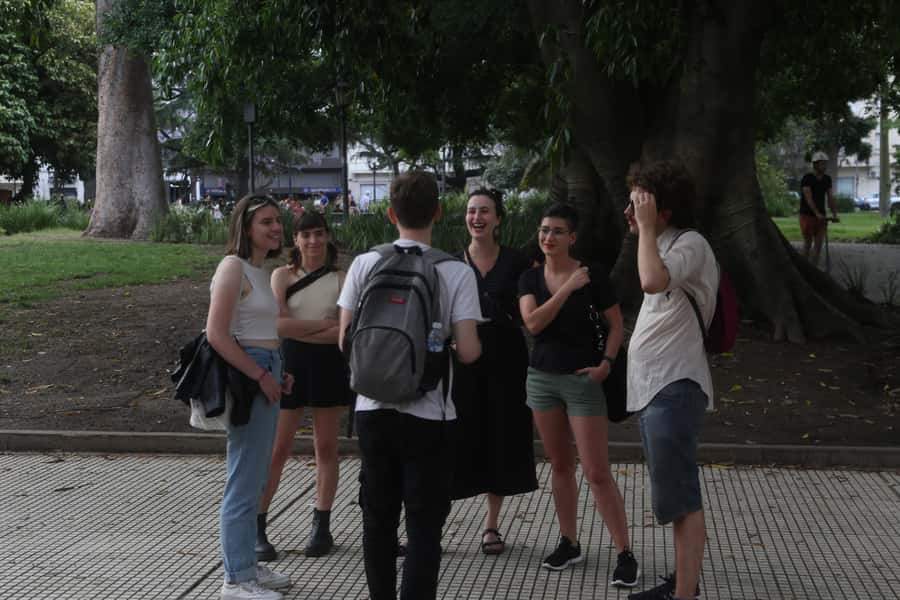
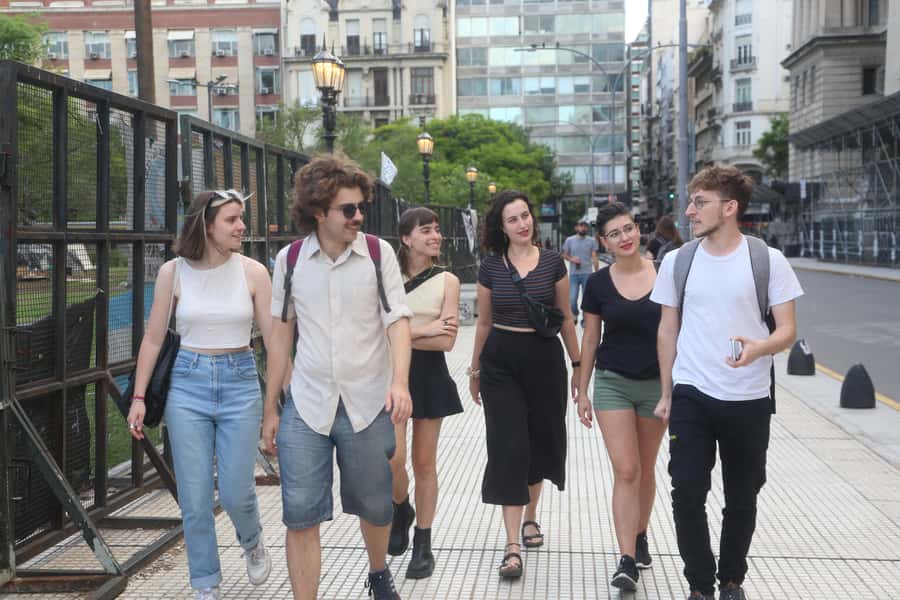
It’s led in English by Max (with a black cap). The meeting point is a few meters from the Monumento a Juana Azurduy, in front of the Palacio Libertad area. There’s also a stated 10-minute pause so you can use the restroom—handy, because you’ll be on your feet for most of the experience.
A couple practical tips that will make your life easier:
- Wear comfortable shoes (this is a proper walking tour)
- Bring water for the stretch across Recoleta, Retiro, and Microcentro
- Since it’s not suitable for wheelchair users, plan routes accordingly if mobility is an issue
The description also says it’s preferred that you have basic knowledge of WWII and the Holocaust. If you don’t, you can still join—the guide will answer questions on Nazism, Judaism, the war, and Argentine history—but you’ll get more out of it with at least a starting foundation.
From Juana Azurduy to Luna Park: the shock of a 15,000-seat Nazi meeting
You start at Monumento a Juana Azurduy, then you move into the city with the guide building context as you walk. That opening matters because the tour doesn’t treat the Nazi story as a detached “elsewhere” event. It treats it as something that intersected with Argentine urban life.
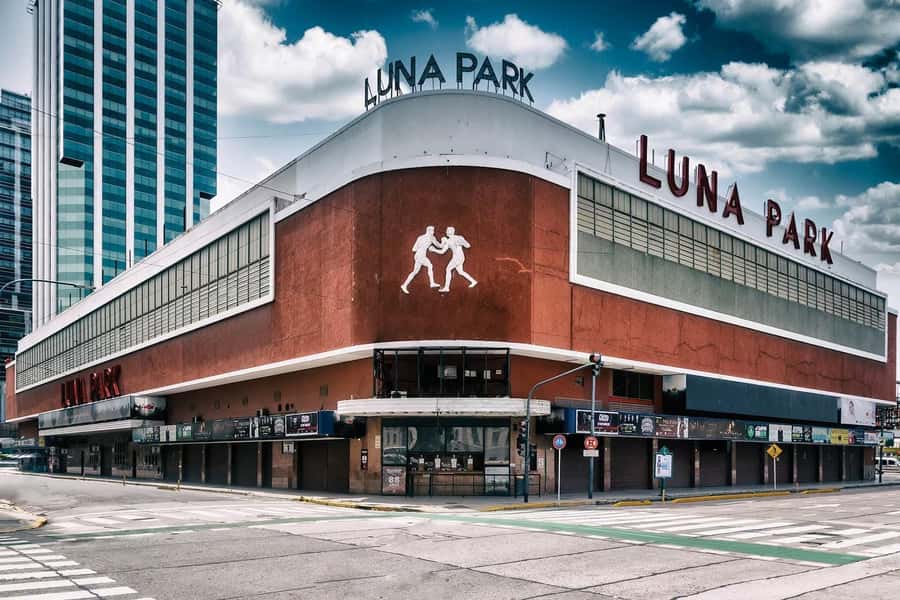
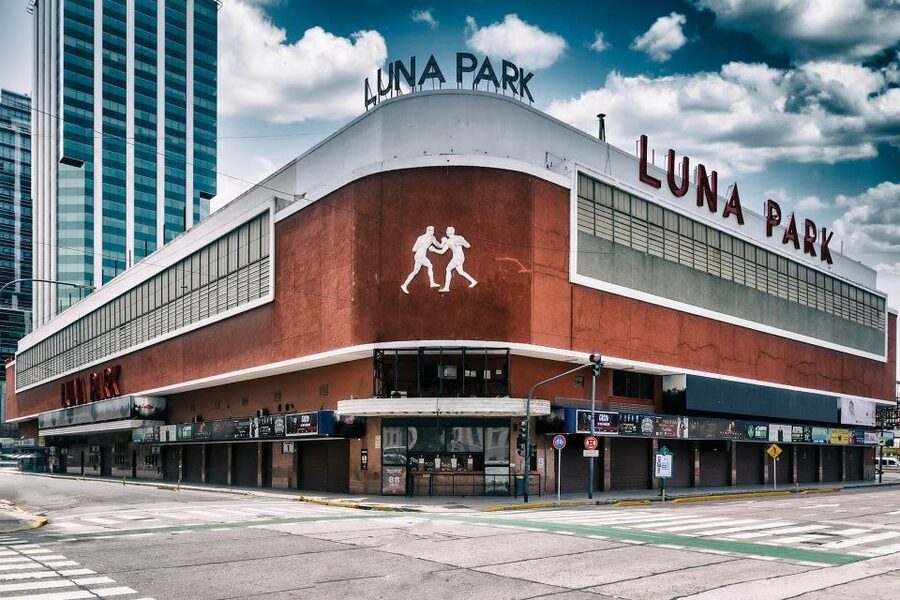
One of the big stops is Luna Park Stadium. The tour highlights it as the place for a 15,000-seat Nazi meeting—and the best part is that Luna Park is still operational. So you aren’t looking at a museum artifact. You’re seeing the kind of scale and public space where ideology could be staged like a spectacle.
This stop also helps you understand a key idea the tour seems to keep returning to: propaganda isn’t abstract. It needs rooms, crowds, timing, and physical presence. The fact that the venue still functions makes the past feel closer than you’d expect.
More of the past uncovered in Buenos Aires.
ABC Restaurant: coffee, rumors, and why sources matter
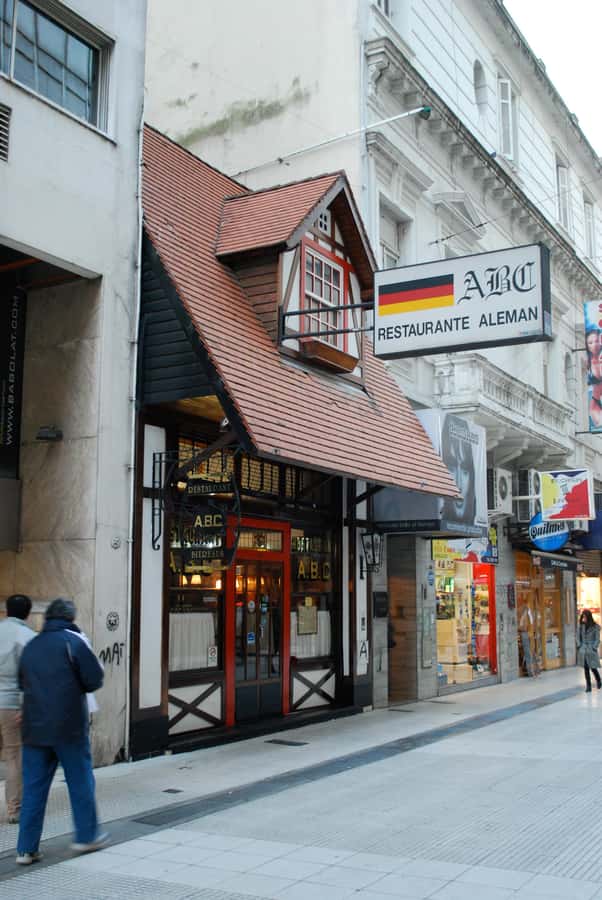
Next up is ABC Restaurant, where the tour includes the story that war criminal Adolf Eichmann sat for a cup of coffee. Whether you already know this claim or you’re hearing it for the first time, the value of this stop is how it’s used as a stepping stone into identification and capture.
The tour doesn’t just throw a headline at you. It connects the coffee-story thread to the broader arc of Eichmann’s path—especially the part about his identification and capture. That’s where the tour becomes more than local curiosity. It becomes a story about how evidence is found, how responsibility gets traced, and how justice catches up.
From the reviews, there’s a strong emphasis on evidence. People highlight that Max is concerned about the source of each information point, and that he can admit when something can’t be confirmed. You should expect that tone here: you’re not being asked to blindly accept claims. You’re being taught how historians argue.
My advice: at this stop, treat every detail as a clue, not a final verdict. The guide’s job is to show you the shape of the debate, and this is one of the places where that method becomes visible.
Weapons museum and palace stops: power, institutions, and the city’s architecture
The walk also includes Museo de Armas de La Nación Tte. Gral. Pablo Riccheri. Even if you don’t go inside, placing a weapons museum in this kind of narrative is telling. It nudges you to connect Argentina’s institutional posture—what governments build, protect, and display—with the violent histories being discussed.
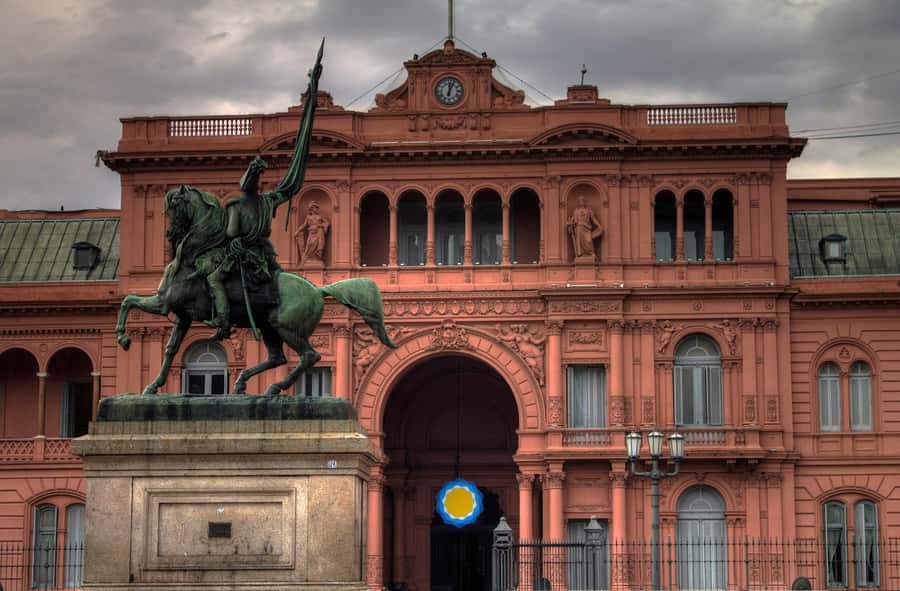
Then you move to Palacio San Martín. The stop is brief, but it works as a pause-point in the story. Big government-adjacent buildings tend to symbolize how political decisions get normalized over time. When you’re learning about post-1945 migration and debates around the presidency of Juan Domingo Perón, it’s useful to see how power looks in stone and placement, not just in textbooks.
After that, the tour heads to the Italian Circle of Buenos Aires. The highlights specifically call out visiting a place tied to a neo-nazi attack in the sixties. That matters because it keeps the narrative from getting stuck in WWII nostalgia. Hate doesn’t stay in the past just because history books say the war ended.
Practical note: these center-city stops are time-boxed (about 20 minutes each). The guide uses them like chapters. If you want extra detail at one location, ask questions early. The tour pace is designed to fit the full loop without turning into a lecture that never moves.
The Jewish community story, terror sites, and why the ending hits
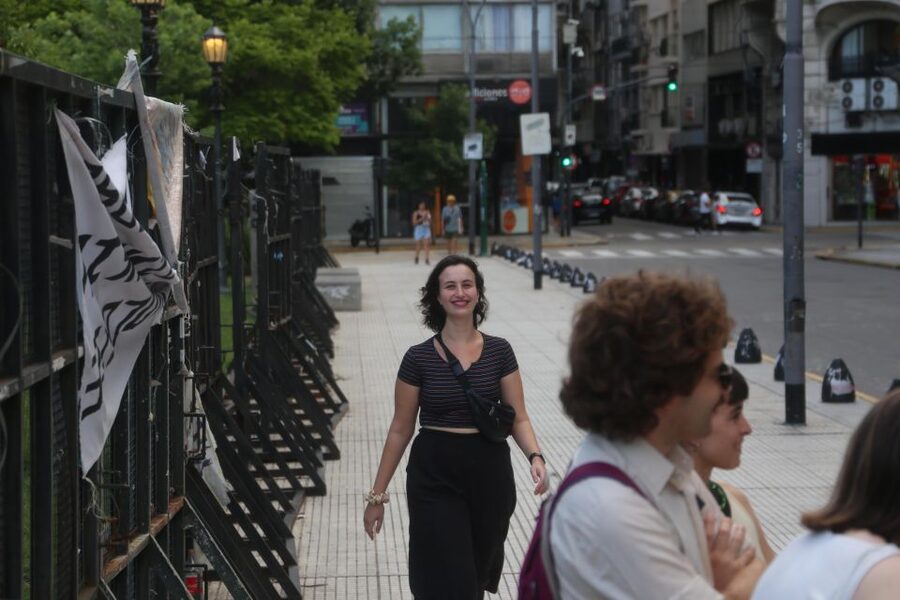
By the time you reach the finish area, the tour has already pushed you through multiple layers: WWII aftermath, Nazi war criminals, local politics, and the fate of the Jewish community. The description frames Buenos Aires as having the second-largest Jewish community in the continent, and it uses that scale to underline why these stories were so consequential.
The tour highlights a stop at the site of the worst terrorist attack in the history of Latin America. It also ends at the memorial site of the former embassy of Israel (at Plaza Embajada de Israel). Put those two pieces together and the emotional arc becomes clear. The walk isn’t only about how people arrived after 1945. It’s also about how violence against Jewish communities continued later.
This ending point is powerful because it forces a shift from “who did what during WWII” to “what happened to vulnerable communities after.” It’s a reminder that the Holocaust era didn’t vanish. It changed forms.
Perón, post-war migration, and the grey-zone debate you’ll hear explained
One of the tour’s stated goals is to show how controversial Argentina’s post-war story is—especially around Juan Domingo Perón. The description says the guide covers debates about his presidency and asks whether the migration of Nazi war criminals was known or even promoted by the Argentine government.
That’s the part many history tours avoid, because it’s complicated. This one treats complexity as the point. You’ll be introduced to the idea that the story depends on documents, interpretations, and what different sources claim. That’s not just academic hand-waving—it explains why people still disagree and why the discussion can’t be reduced to simple good-versus-bad slogans.
And you’ll hear the Eichmann thread again, not as a standalone spy thriller, but as a bridge between:
- what happened in Europe during WWII
- what happened when the war ended
- and how identification and capture turned into an international reckoning
If you’re the kind of traveler who likes to understand why a city holds onto difficult narratives, you’ll enjoy the tension in this tour. It keeps your brain working, in the best way.
How Max’s teaching style changes the walk (and your takeaway)
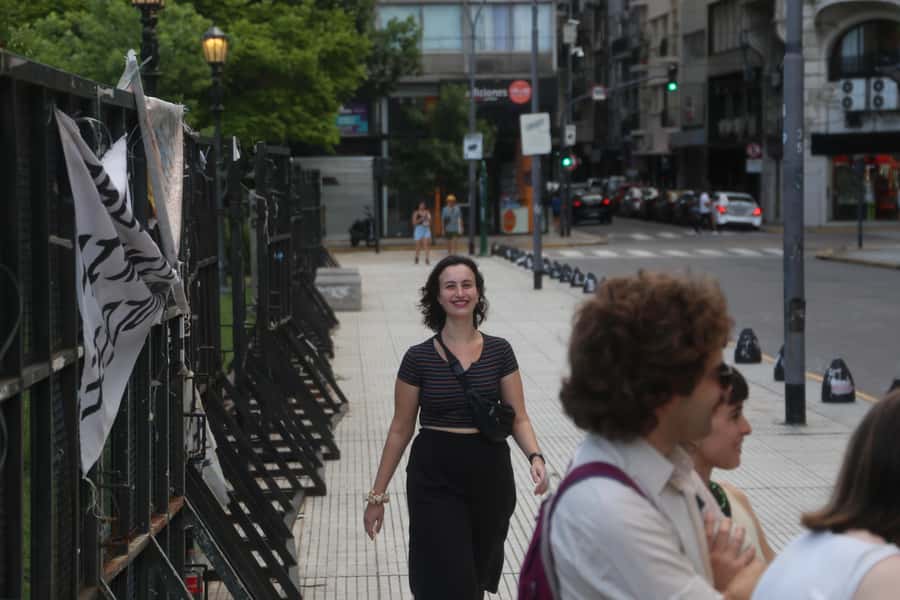
A lot of tours throw facts at you. This one has a more classroom rhythm. Reviews highlight that Max’s manner is friendly but authoritative, and that he’s humble enough to admit when he doesn’t know something for sure. That might sound like a small detail, but it’s a big deal for controversial topics.
People also mention that Max uses supporting materials—graphics and relevant pictures—and that he answers questions thoroughly. You can feel, from the feedback, that he’s not treating the route like a script. He’s using the stops as evidence points and letting the group push back.
That’s why, after this tour, you’re likely to remember the method more than just the stories. You’ll come away thinking in categories like:
- What’s documented versus what’s claimed
- What different historical interpretations focus on
- How local decisions intersect with global events
For a subject like Nazis in Buenos Aires, that’s exactly what you want. You’re not just collecting shocks. You’re learning how historians handle uncertainty.
Timing, pacing, and what to expect at each segment
The tour is planned around multiple 20-minute visits, with built-in breaks. The typical shape looks like this:
- short transfers through key parts of the city
- around 20 minutes per major stop for the guide’s explanations
- a 10-minute restroom pause
- an ending at the memorial area after the final discussion
It’s also not suited to everyone. The description says it’s not for children under 10, and it’s not wheelchair-friendly. If you’re traveling with kids, you might find the content too heavy and the walking too demanding.
If you want maximum value, show up ready to ask questions. The guide is set up to field them, including questions about Nazism, Judaism, the war, and Argentine history.
Is it worth $25 in Buenos Aires?
At $25 per person, this is priced like a mid-range walking tour—especially considering you’re getting an English live guide and a structured, evidence-minded storyline across multiple central neighborhoods.
Here’s why I think the value holds:
- You’re paying for interpretation, not just movement from place to place
- The stops are high-signal: Luna Park, ABC Restaurant, a weapons museum, major palaces, and an ending memorial site tied to Jewish history
- The guide’s teaching approach (including source concerns and open Q&A) makes the time feel earned
If you’re already planning several “history in the streets” walks, this is the one that tends to stay in your head. It doesn’t let you treat WWII like something that happened on another continent and then got filed away.
Who should book this tour, and who might skip it
Book it if:
- you want the Nazi-in-Argentina story connected to real Buenos Aires landmarks
- you care about how controversial history is debated using evidence
- you’re interested in Eichmann’s identification and capture story in a local context
- you like walking tours that feel like a seminar, with time for questions
Consider skipping if:
- you need wheelchair accessibility (the tour isn’t suitable)
- you’re traveling with children under 10
- you prefer lighter content with fewer heavy themes
Because the tour includes Nazism, terrorism, and Jewish community history, you should also be ready for an emotionally serious experience—not a casual sightseeing stop.
Should you book Nazis in Buenos Aires with Klio Tours?
If you want one guided walk that connects WWII aftermath, Argentina’s political debates, and the Jewish history of Buenos Aires—without sanding down the hard parts—this is a smart pick. The tour is led by Max, and his background as a University of Buenos Aires history teacher shows in the way the story is paced and questioned.
For me, the deciding factor is the combination: specific places you can see with your own eyes, plus a guide who focuses on sources and nuance. At $25 and roughly 2.5 hours, it’s also a practical way to spend a morning or afternoon when you’re already planning to cover Recoleta, Retiro, and the Microcentro core.
FAQ
How long is the Nazis in Buenos Aires walking tour?
The tour is listed as lasting about 2.5 hours, with walking time described as around two hours.
What is the price?
The price is $25 per person.
Is the tour offered in English?
Yes, the live tour guide runs in English.
Where does the tour start?
The tour starts near the Monument to Juana Azurduy, a few meters from where you can find Palacio Libertad.
Where does the tour end?
The tour ends at Plaza Embajada de Israel, at the memorial site connected to the former embassy of Israel. The activity info also notes that it may end back at the meeting point, so confirm the exact finish details when you book.
What stops are included?
The tour includes visits to Luna Park Stadium, ABC Restaurant, Museo de Armas de La Nación Tte. Gral. Pablo Riccheri, Palacio San Martín, and the Italian Circle of Buenos Aires.
What should I bring?
Wear comfortable shoes and bring water.
Is there a restroom break?
Yes. There is a 10-minute pause to use the restroom.
Is the tour wheelchair accessible or suitable for children?
It is not suitable for wheelchair users. It is also not suitable for children under 10.
Is basic WWII and Holocaust knowledge required?
Basic knowledge is preferred, but the guide will answer questions about Nazism, Judaism, the Holocaust, and Argentine history.
More History in Buenos Aires

More Walks Through Buenos Aires

Just added to our Buenos Aires notebook
- Guided tour Boca Juniors Museum & Stadium + Caminito
★ 3.3 · 3 reviews - Bike Tour: Buenos Aires to the North
★ 4.0 · 3 reviews - From Colonialism to Eclecticism, Buenos Aires arquitectonica
★ 5.0 · 3 reviews - Enjoy a Rural Experience in a Vineyard near Buenos Aires
★ 4.7 · 3 reviews - Café de los Angelitos – Traditional Night in Buenos Aires
★ 4.8 · 3 reviews - Buenos Aires: Rojo Tango Show with Optional Dinner
★ 3.4 · 3 reviews
Historical Tours, compared.
 ★ 5.0Historical Guided Tour with Street Food & DrinksFrom $6987 reviews
 ★ 4.8La Boca Art and History Walking TourFrom $4655 reviews
 ★ 5.0Recoleta Cemetery – Small Group Tour of History & SecretsFrom $4953 reviews
 ★ 4.9Historic Buenos Aires Landmarks & Icons TourFrom $2037 reviews
 ★ 5.0San Telmo, History, Bars, and Tango!From $2024 reviews
 ★ 4.7Historic District Private Guided Walking TourFrom $529 reviews
 ★ 5.0Culture and History Private TourFrom $1626 reviews
 ★ 4.0100% History and architecture of Buenos AiresFrom $125 reviews
Browse the lists this tour appears in