
Reviewed · RECOLETA NEIGHBOURHOOD WALKS
Buenos Aires: Recoleta Neighborhood Walking Tour
Recoleta can feel like Buenos Aires in costume. This 2-hour walk gives you a guided route through the neighborhood’s grand façades and key monuments, with the Eva Perón crypt as the moment that makes it all click. Expect a smooth rhythm of short stops and real explanations, not just a wander.
I especially love how much you get without getting out of breath. In addition to the cemetery, the route ties together architecture and art stops like MALBA and the National Museum of Fine Arts, plus viewpoints around the park area and the embassy district.
One thing to consider: this is a tight time window, so if you want to linger on your own at the cemetery or inside any museum longer than a quick guided look, plan to extend your visit after the tour ends.
In This Review
- Key things to know before you go
- Recoleta in Two Hours: What This Walk Really Delivers
- Starting by Recoleta Cemetery: Getting Oriented in the Right Place
- The Eva Perón Crypt Visit: Why It’s More Than a Name
- La Biela, Then the Art Route: A Buenos Aires Welcome Wagon
- Floralis Genérica and the Park Views: Where the City Breathes
- Faculdade de Derecho (UBA) and the Belle Époque Feel
- Palais de Glace and the Fine-Arts Side of Recoleta
- Finishing Near MALBA: What to Do After the Tour
- Who This Tour Fits Best (and Who Might Want Something Else)
- Guide Quality: What the Best Moments Have in Common
- Price and Value: Is $93 Worth It?
- Should You Book This Recoleta Walking Tour?
- FAQ
- FAQ
- How long is the Buenos Aires Recoleta walking tour?
- Where do I meet for the tour?
- Where does the tour end?
- Which languages are offered?
- What is included in the price?
- What is not included?
- Does the tour help with entry lines?
- How much is it, and is it refundable if plans change?
Key things to know before you go
- Meet near Recoleta Cemetery and start with context so the streets make sense fast
- Skip-the-line entry keeps your time focused on the important sights
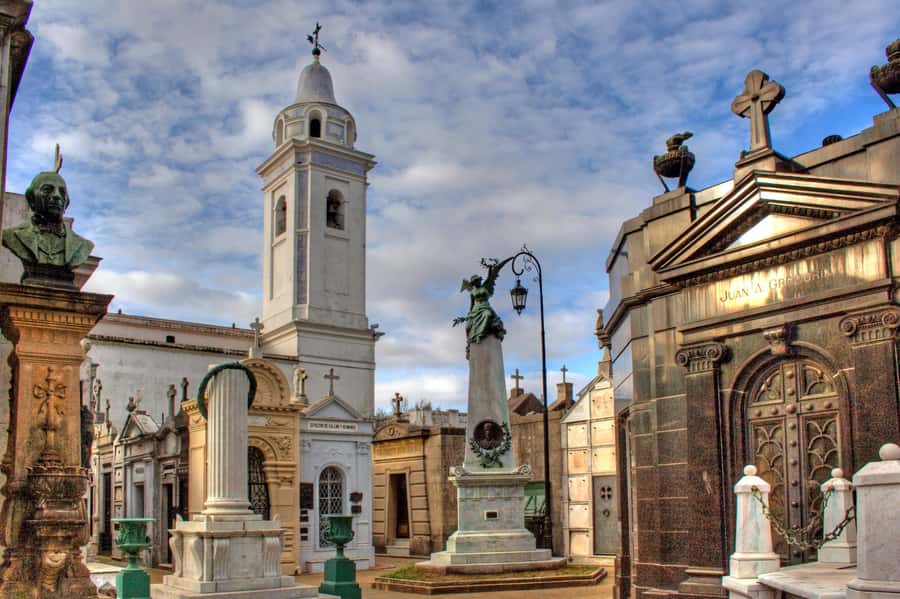
- 45 minutes in the cemetery area with a guided look at Eva Perón’s crypt
- Art and architecture mix: MALBA, Museo Nacional de Bellas Artes, and UBA Law Faculty
- Small-group potential means more room for questions (and smart route tweaks)
- Finish back by La Biela so you can keep exploring right away
Keep drifting through Recoleta and the elegant north of Buenos Aires.
- Recoleta Cemetery – Small Group Tour of History & Secrets★ 5.0 · 53 reviews
- Buenos Aires: Recoleta and Retiro Tip Based Walking Tour★ 4.7 · 50 reviews
- Cultural Experience by Bike around Palermo and Recoleta Max 6 ppl★ 5.0 · 44 reviews
Recoleta in Two Hours: What This Walk Really Delivers
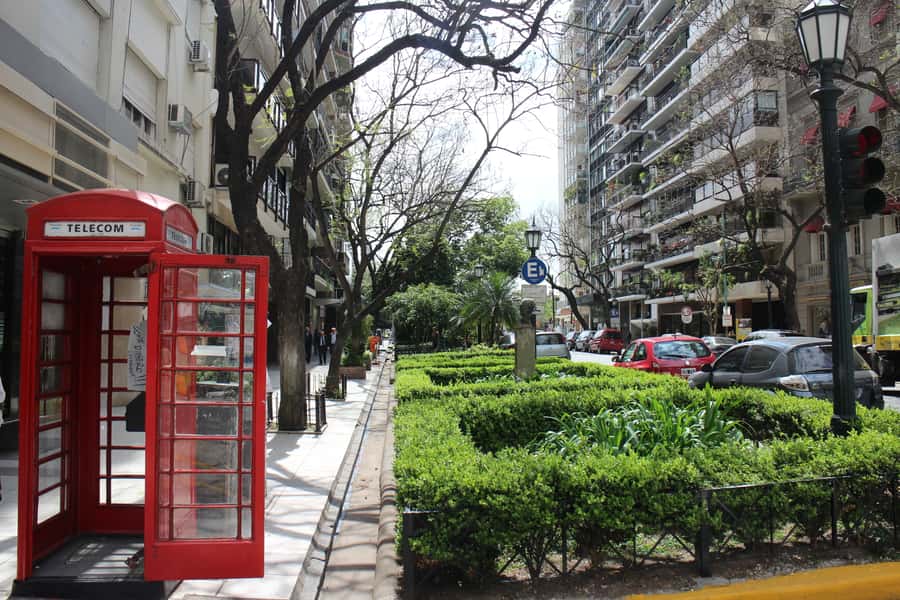
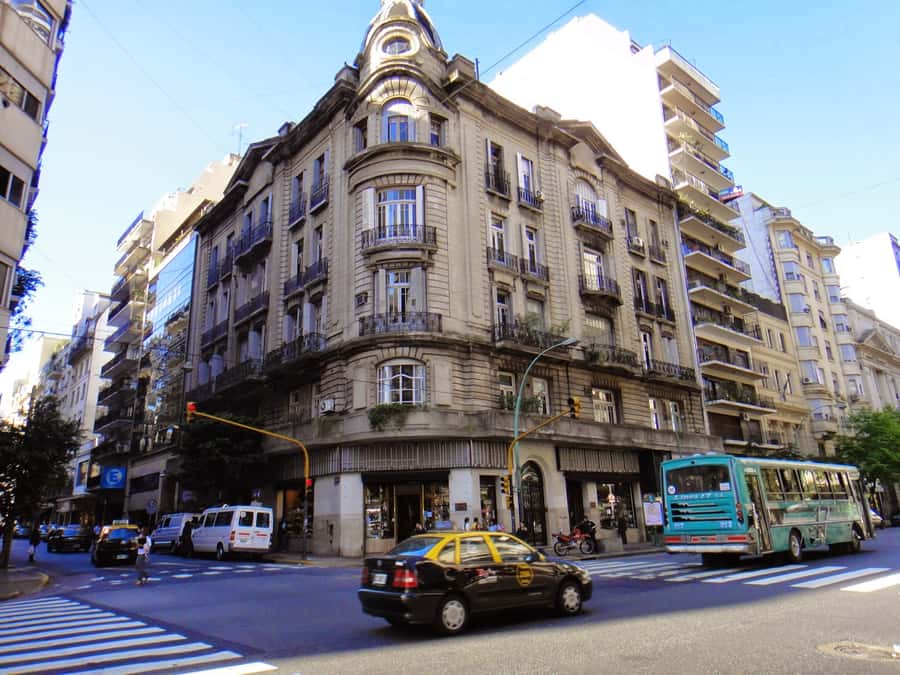
Recoleta is the kind of neighborhood where you notice details even when you’re not trying. You’ll see French-style building lines, ornate façades, and the overall Belle Époque vibe that Buenos Aires is famous for. And you’ll get the story behind it, which turns a pretty area into a place you actually understand.
This tour is built for momentum. You walk between several major points of interest, with short guided visits that give you the highlights without dragging. At the same time, it doesn’t feel like a checklist—because the guide is there to connect what you’re seeing to why it matters.
For me, the best part is the balance: cemetery significance first, then architecture and art. You end up with two different ways of seeing Recoleta—through the people buried there and through the grand buildings that rose around them.
Starting by Recoleta Cemetery: Getting Oriented in the Right Place
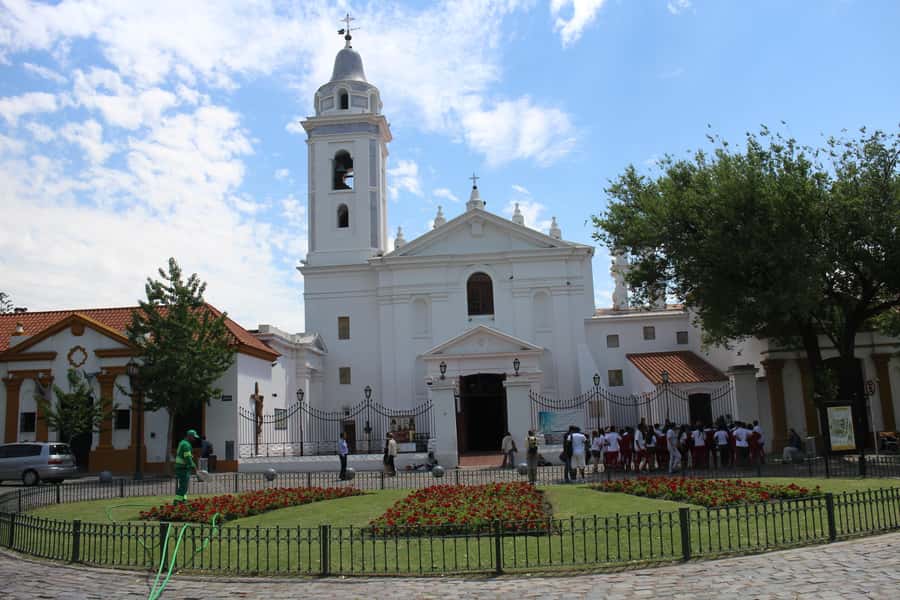
You meet at Cementerio de la Recoleta, and you’re asked to arrive about ten minutes early. That small buffer matters here, because getting the orientation up front helps you understand what you’re about to see and how to move through the cemetery efficiently.
The tour doesn’t treat the cemetery like a quick photo stop. You get a guided visit that takes about 45 minutes, centered on the stories and the symbolism of the place, including the ornate Eva Perón crypt. After that, the guide helps you transition from mourning and memory to architecture and city planning.
There’s also a practical win: the tour includes skip-the-ticket-line. That can save real time in an area where waits can be frustrating, and it keeps the walk from turning into a long delay.
If you’re a first-time visitor, starting here is smart. Recoleta reads differently once you understand the cemetery’s role in the neighborhood’s identity.
The Eva Perón Crypt Visit: Why It’s More Than a Name
This is the core of the experience. Eva Perón’s resting place is not just a famous location—it’s a lens into Buenos Aires history, politics, and public memory. The guide’s job is to translate what you see into plain explanations, so it doesn’t become background noise.
In an hour you can sprint past a landmark and still not absorb it. Here, the guide slows you down where it counts. You spend real time in the cemetery area, and the focus stays on meaning: why this crypt looks the way it does, and what it represents in the broader Recoleta story.
If you care about history that feels human—stories tied to specific people rather than only dates—this stop will likely be the one you remember later. It’s also a good anchor point for your walking route afterward, because you’ll start noticing the neighborhood’s “aristocratic” character with new eyes.
More of Buenos Aires covered on foot.
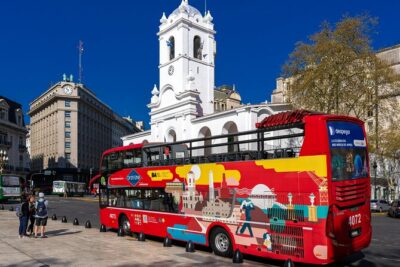
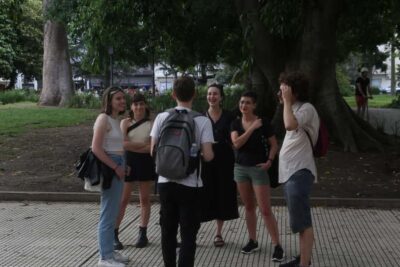
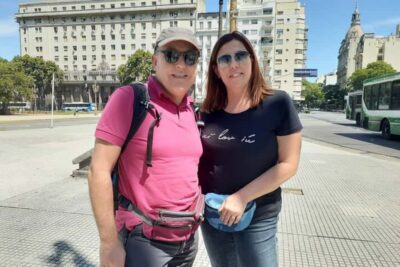
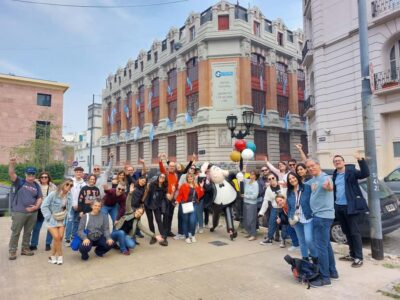
La Biela, Then the Art Route: A Buenos Aires Welcome Wagon
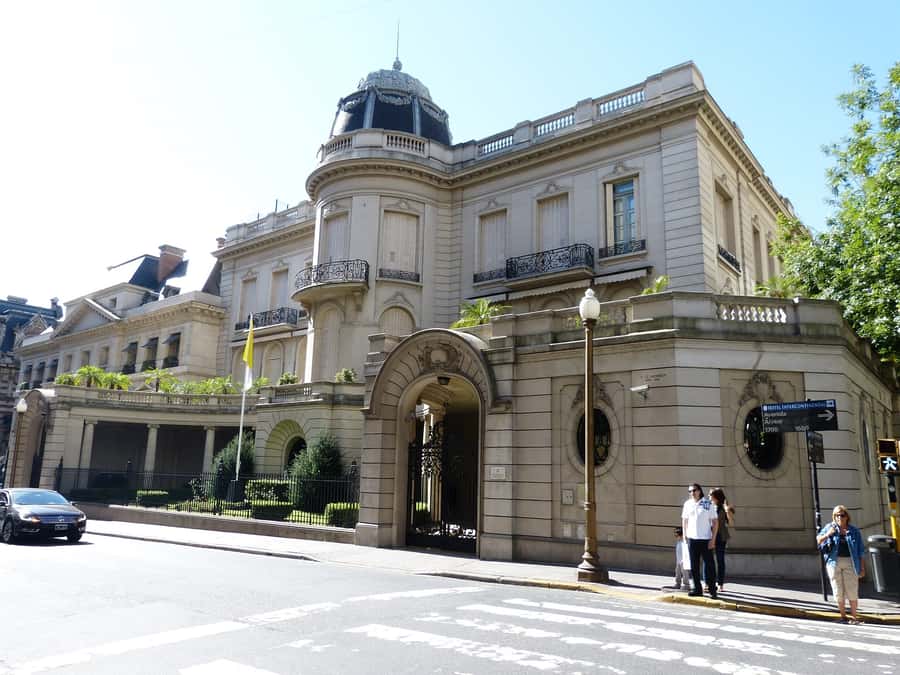
The walk connects to La Biela, a useful reference point that helps you orient yourself. The route then links into major art and cultural stops, with guided looks that are short enough to keep energy up, but substantial enough to feel like more than a drive-by.
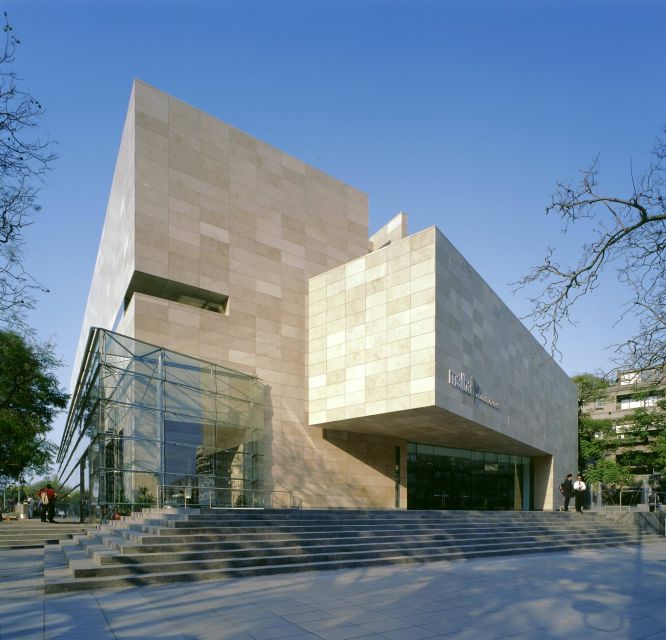
One of the big stops is the Museum of Latin American Art of Buenos Aires (MALBA). You’ll get a guided visit for a short stretch and then move on, which is ideal if you’re using the tour to get your bearings. Think of it as a “what to look for next” introduction, so you can decide whether you want a longer museum visit after.
Another stop is the Museo Nacional de Bellas Artes (National Museum of Fine Arts). It’s the kind of place that rewards having someone explain the approach and context first. Even if you’re not trying to memorize art movements, a guide can help you see what matters and what you can skip without feeling lost.
This is one of the reasons I like this tour for newcomers. You’re not just chasing big names—you’re learning how to read Buenos Aires through its art institutions.
Floralis Genérica and the Park Views: Where the City Breathes
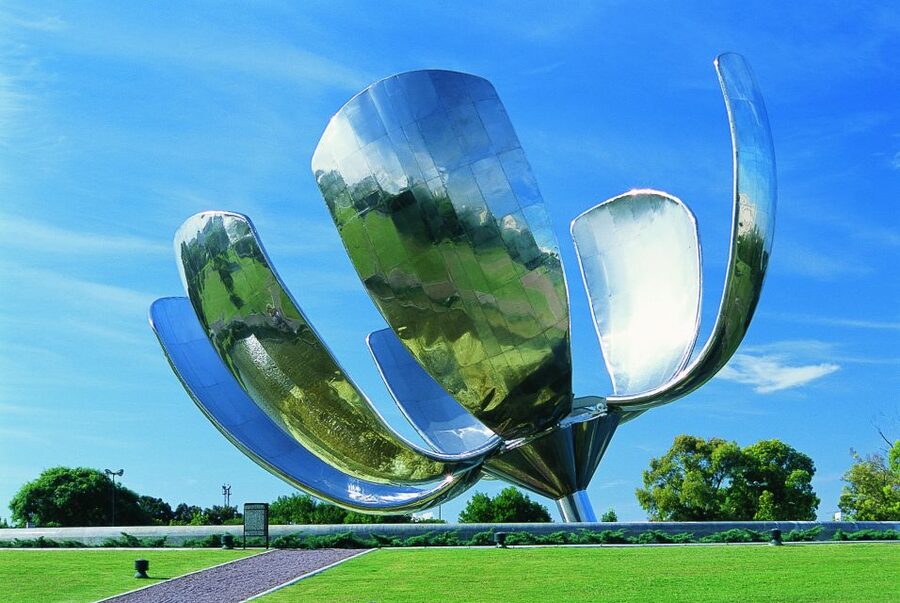
After the cemetery portion, the walk shifts toward architecture and open-space moments. You’ll head toward parks and the area where landmark outdoor art appears, including Floralis Genérica.
Here’s the practical upside: outdoor stops give your legs a reset while still keeping the tour interesting. You get that break in the middle of a walking route, and the guide’s commentary helps you connect the park area to the city’s larger design and style.
This is also where the Recoleta vibe changes slightly from formal and monumental to airy and scenic. You’ll notice the contrast between grand buildings and the open space between them, and that helps the neighborhood feel less like a museum and more like a living part of Buenos Aires.
If you like photos, this segment is likely to deliver. Even if you’re not a serious photographer, you’ll want at least a few shots from the park areas because the architecture around it frames everything.
Faculdade de Derecho (UBA) and the Belle Époque Feel
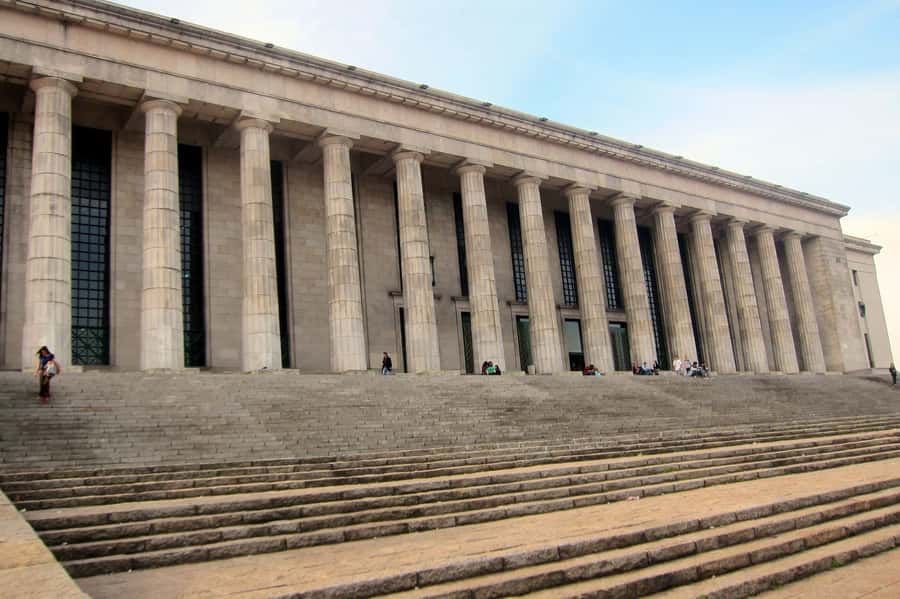
The Law University area is a highlight for architectural lovers. You’ll stop at Facultad de Derecho (UBA) and spend time appreciating the structure and the surrounding environment. The tour also leans into the Belle Époque-inspired character of the area, which is the right way to describe what you’re seeing: elegant, confident, and a bit theatrical in how buildings declare their status.
This segment matters because it’s the bridge between the cemetery’s aristocratic associations and the neighborhood’s visual “message.” The Law Faculty building isn’t just pretty. It’s a clue to how Recoleta gained its reputation as a place of power and prestige.
After that, the route continues north through the city area where embassies are located. You’ll see how the neighborhood’s identity stretches beyond tourism—diplomats and institutions occupy the same streets where you’re studying the past through stone, sculpture, and design.
Palais de Glace and the Fine-Arts Side of Recoleta
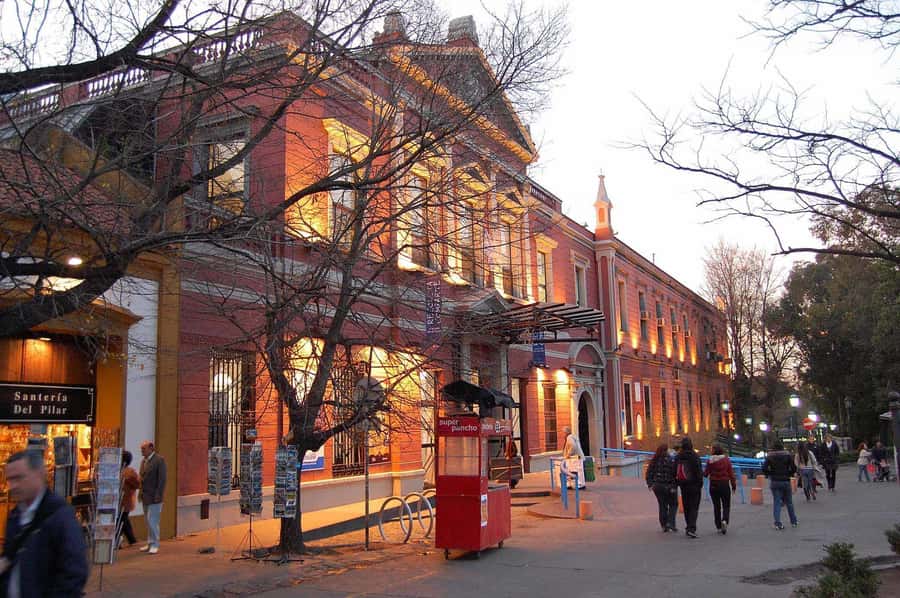
Another stop on your walk is the Palais de Glace. It’s a classic example of how Recoleta blends culture with architecture. You get a short guided visit, so you’re not stuck in one spot, but you still get enough context to recognize what makes the building meaningful.
Combined with the Museo Nacional de Bellas Artes and the earlier MALBA introduction, the tour paints a clear picture: Recoleta’s identity isn’t only about residences and tombs. It’s also about public culture—institutions meant to educate, display, and gather people around art.
If you’re trying to avoid museum fatigue, this approach is smart. You get the highlights in a walking format, and the guide gives you just enough background to make your future visits to any of these places more rewarding.
Finishing Near MALBA: What to Do After the Tour
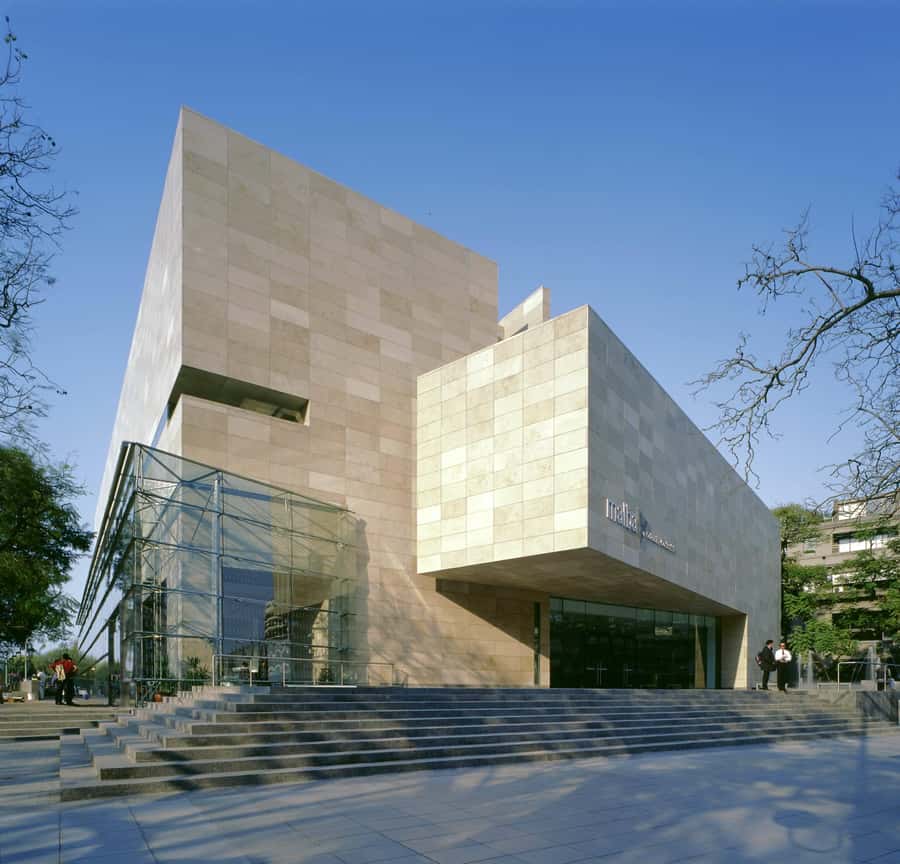
The tour ends back at the meeting area, and it finishes at MALBA according to the route description. In practice, that means you’re not sent back to some far-away corner of the city. You’re left in an area that makes it easy to keep exploring without a big logistics headache.
If you want to extend your day, this is where I’d do it: decide whether you want to go deeper into one of the art stops you hit briefly. Since you’ll have a guided primer, you’ll have a better sense of what to prioritize. You’ll also be in a better mood for wandering, because your route already gave you the neighborhood’s storyline.
And if your main goal was the cemetery and Eva Perón’s crypt, you’re still set up well. After a guided understanding, you can return to the cemetery area with a clearer sense of what details to look for on your own.
Who This Tour Fits Best (and Who Might Want Something Else)
This is a strong fit if you want:
- A 2-hour overview of Recoleta without spending half your day in transit
- Clear context around Eva Perón’s crypt
- Architecture and art stops that feel connected, not random
- A guide who can translate big ideas into walking-friendly explanations
You might consider a different plan if you’re the type who needs long, silent time in the cemetery. This tour puts time where it counts, but it still keeps things moving. Also, if you expect deep museum time inside galleries, you’ll likely want extra independent hours after the walk ends.
Guide Quality: What the Best Moments Have in Common
Live guides are part of the value here, and the named guides associated with this experience—Anahi, Veronica, Micaela, Barbi (Barbara), and Florencia—are highlighted for being enthusiastic and easy to talk to. The common thread is clarity: they explain what you’re seeing, and they’re not shy about answering questions.
One useful detail I’d take seriously: guides can adjust the route based on what your group cares about. If your priority is spending a little more time on cemetery details or you want extra emphasis on architecture, you’ll get better results by asking early rather than assuming the tour is locked.
If you end up in a smaller group, even better. You’re more likely to have real conversation time instead of hearing commentary only from a distance.
Price and Value: Is $93 Worth It?
At $93 per person for a roughly 2-hour guided walk, you’re paying for three main things: a professional guide, a structured route through several high-interest stops, and skip-the-ticket-line for time-sensitive entry. In other words, you’re not just buying access—you’re buying efficiency and context.
If you were doing this alone, you’d still want a guide for the cemetery, because the meaning and details are hard to “figure out” on your own in the time you have. You’d also likely spend extra time locating the best sequence of stops. This tour collapses that effort into a tidy route.
It’s not the cheapest way to see Recoleta, but it’s good value if your goal is a high-quality introduction. If you’re visiting for a short stay or you want a guided narrative instead of a self-guided slog, this price tends to make sense.
Should You Book This Recoleta Walking Tour?
I’d book it if you want an efficient, story-driven introduction to Recoleta—especially if Eva Perón’s crypt is on your list. The combination of cemetery time, architecture, and art stops creates a well-rounded visit that’s hard to replicate on your own in just two hours.
I wouldn’t book it as your only plan if you’re the type who wants to linger for hours in the cemetery or you want full museum immersion. In that case, use this tour as the opener, then plan extra independent time afterward.
Bottom line: if you want to see Recoleta with direction and context, and you like the idea of finishing near MALBA with momentum, this walk is a smart use of limited time.
FAQ
FAQ
How long is the Buenos Aires Recoleta walking tour?
The tour lasts about 2 hours.
Where do I meet for the tour?
You meet at Cementerio de la Recoleta (in front of the cemetery).
Where does the tour end?
The activity ends back at the meeting point (it also indicates La Biela as the return point).
Which languages are offered?
The tour guide speaks Spanish and English.
What is included in the price?
The price includes a live guide and the walking tour.
What is not included?
Hotel pickup and drop-off are not included.
Does the tour help with entry lines?
Yes, it includes skip-the-ticket line.
How much is it, and is it refundable if plans change?
The price is $93 per person, and you can cancel up to 24 hours in advance for a full refund.
More Walks Through Buenos Aires



Recoleta and the Elegant North



Just added to our Buenos Aires notebook
- Guided tour Boca Juniors Museum & Stadium + Caminito
★ 3.3 · 3 reviews - Bike Tour: Buenos Aires to the North
★ 4.0 · 3 reviews - From Colonialism to Eclecticism, Buenos Aires arquitectonica
★ 5.0 · 3 reviews - Enjoy a Rural Experience in a Vineyard near Buenos Aires
★ 4.7 · 3 reviews - Café de los Angelitos – Traditional Night in Buenos Aires
★ 4.8 · 3 reviews - Buenos Aires: Rojo Tango Show with Optional Dinner
★ 3.4 · 3 reviews
Recoleta Neighbourhood Walks, compared.
 ★ 4.5Buenos Aires Bike Tour: North Districts, Recoleta and PalermoFrom $4591 reviews
 ★ 5.0Recoleta Cemetery – Small Group Tour of History & SecretsFrom $4953 reviews
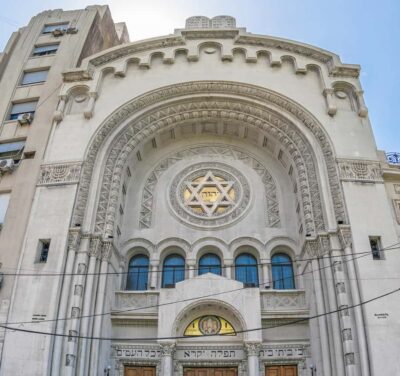 ★ 4.7Recoleta and Retiro Tip Based Walking TourFrom $150 reviews
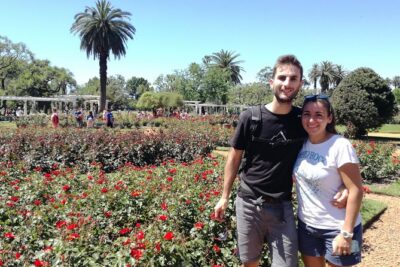 ★ 5.0Cultural Experience by Bike around Palermo and Recoleta Max 6 pplFrom $5444 reviews
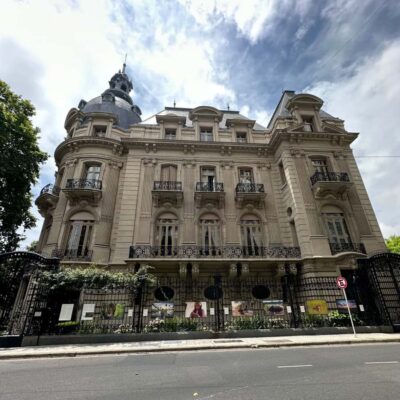 ★ 4.6Discover Recoleta, Buenos Aires’ Little ParisFrom $5733 reviews
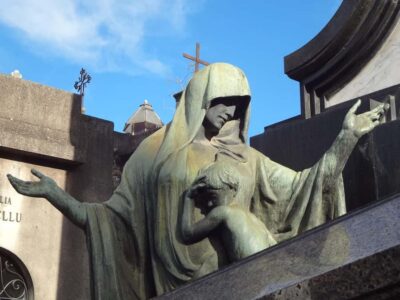 ★ 4.9Recoleta & Cemetery for curious peopleFrom $3424 reviews
 ★ 4.5Full Day City Tour Buenos Aires, Recoleta Cemetery and TigreFrom $28515 reviews
 ★ 4.6Private Recoleta Cemetery Walking Guided TourFrom $6913 reviews
Browse the lists this tour appears in