
Reviewed · WORKSHOPS
Individual Spanish Classes in Buenos Aires – Vamos Academy
Fluency loves structure. The private one-on-one setup at Vamos Academy in Buenos Aires is the big draw, and many students rave about teacher Lucía and the way lessons push speaking with patience from instructors like Miguel. It’s the kind of Spanish practice that fits a vacation schedule instead of forcing you to bend around a rigid classroom week.
The main thing to think about is availability: spots are first come, first serve, and seasonal demand can affect what times work.
In This Review
- Key highlights before you book
- Private Spanish lessons in Buenos Aires: why this model works
- The school location that saves time in a busy city
- Your 1-hour class, but make it your schedule
- What happens during the lesson (and what you can ask for)
- Teachers: the real value is patience plus structure
- Included extras: tango, mate conversation, and classroom comfort
- Price and value: what $50 buys (and what to watch)
- Who this is best for (and who should consider alternatives)
- A smart way to plan your Buenos Aires Spanish week
- Should you book Vamos Academy Spanish classes?
- FAQ
- Where is Vamos Academy located?
- How long is each Spanish class?
- Is this a private one-on-one activity?
- What is included besides instruction?
- What should I bring to class?
- Is the ticket mobile?
- If I cancel, do I get a refund?
Key highlights before you book
- True one-on-one classes so you can focus on your weak spots (conversation, writing, vocabulary)
- You control the session length and frequency, not a fixed timetable
- Career and exam Spanish options (including DELE and CELU prep, plus topics like law or IT)
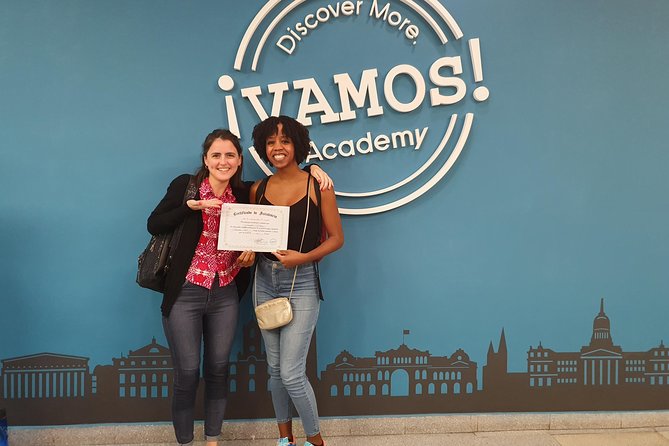
- Included language practice extras such as tango lessons and a mate/conversation workshop
- Practical location in central Buenos Aires at Viamonte 1516, near public transport
- Strong teacher reputation across many names (Lucía, Guadalupe, Miguel, Leandro, Mariela, and more)
More hands-on classes and workshops in Buenos Aires.
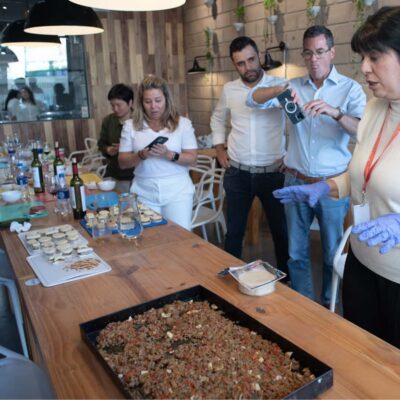
- Buenos Aires: Empanadas and Alfajores Guided Cooking Class★ 4.8 · 486 reviews
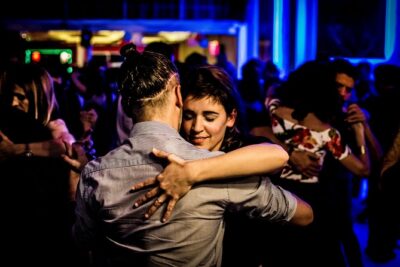
- Buenos Aires: Private Tango Lesson★ 4.9 · 244 reviews
- Buenos Aires: Empanada & Alfajor Cooking Lesson in Palermo★ 4.6 · 186 reviews
Private Spanish lessons in Buenos Aires: why this model works
If your Spanish is stuck at the I-understand-it-but-can’t-say-it level, you need reps with real feedback. A group class can help, but private lessons fix the biggest issue: you don’t have to compete for speaking time. At Vamos Academy, the class is set up around you, so your teacher can slow down when you need clarity and speed up when you’re ready.
Buenos Aires is also a place where Spanish life happens out loud—on the street, in cafés, and in everyday conversation. One-on-one classes make it easier to turn what you learn into something you can actually use quickly, because the lessons can be built around your real travel situations.
The school location that saves time in a busy city
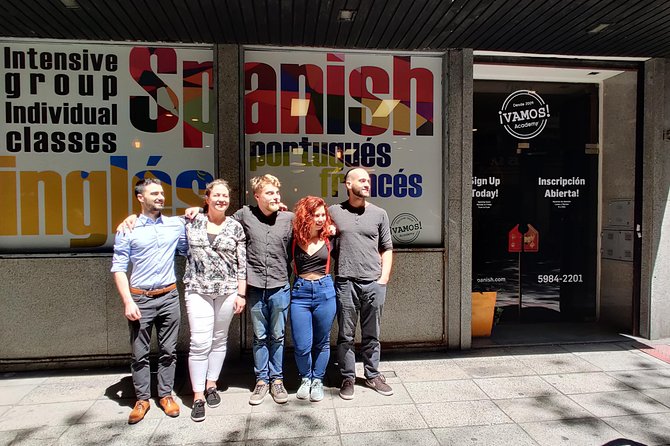
Vamos Academy is at Viamonte 1516 (C1055ABD), Buenos Aires, and the location is a practical win. One student mentioned it was about a five-minute walk from San Telmo, which matters if you’re bouncing around neighborhoods and don’t want long commutes just to study.
It’s also near public transportation, so you can realistically slot in a lesson even if your sightseeing day runs long. Buenos Aires is great on foot, but there’s nothing fun about crossing half the city when you’re already tired.
Your 1-hour class, but make it your schedule
The basic listing says around 1 hour per session, but what makes this feel flexible is that you decide how long each class session will be and how many days per week you meet. Many students settle into 1.5 to 2 hours as a sweet spot for noticeable progress without draining your vacation energy.
That flexibility is exactly what I look for when I’m traveling. You can use longer sessions if you have a specific goal—like getting through a few messy grammar points or building confidence for ordering food and handling conversations. Or you can book shorter sessions if you want Spanish practice to be the steady background thread, not the main event.
One more practical note: openings are first come, first serve, and availability depends on the school’s schedule and seasonal demand. So if you arrive with strict dates, it’s smart to plan around the times they can offer rather than assuming you’ll “figure it out later.”



What happens during the lesson (and what you can ask for)
These are one-on-one classes, meaning the teacher isn’t juggling multiple skill levels at once. That changes everything. Your teacher can tailor the lesson to the exact communication skills you want to fine-tune—conversation, writing, or vocabulary growth.
You also get to steer the content. The school specifically mentions options like:
- Topic-based vocabulary (examples given include areas like medical science, law, or IT)
- Standard exam prep such as DELE or CELU
- General Spanish improvement at your current level
This is a big deal if your Spanish needs are specific. If you’re going to work in Buenos Aires, study Spanish rules for an exam, or you just want to stop freezing mid-sentence, you can ask for the kind of practice that matches that goal. You’re not stuck with the same cookie-cutter lesson for everyone.
And yes, the simplest approach works too: say what you’re struggling with. If you want more speaking time, ask for conversation practice. If you’re forgetting words, ask for vocabulary review that actually sticks. One student highlighted that Miguel speaks only Spanish during lessons, which can be a strong support for people who want fewer pauses and more real-time thinking.
Teachers: the real value is patience plus structure
The school’s teacher lineup comes up constantly in the feedback, with many different names showing up across weeks and months. That variety matters because it signals the academy focuses on matching students with the right instructor style.
Here are a few real examples that show what students liked:
- Guadalupe was called out as a great teacher with a good overall atmosphere.
- Lucía was praised for knowledge and patience, taking as much time as needed so material was understood.
- Mariela was described as super nice.
- Leandro was credited with effective teaching and meaningful learning in a short window (two weeks).
- Emma was noted for being terrific during a three-week stay.
- Paloma was specifically mentioned for guiding both Argentinian Spanish and Spain Spanish, which is useful if you care about regional differences.
If you care about accents, word choice, and what sounds natural in different contexts, it helps to have an instructor who can point out the differences rather than treating Spanish as one single thing. Paloma’s mention of both Spain and Argentinian Spanish is a perfect example of that.
Also, at least one student appreciated the school’s cleaning and disinfecting efforts, which is a small thing that can matter when you’re spending time indoors for lessons.
Included extras: tango, mate conversation, and classroom comfort
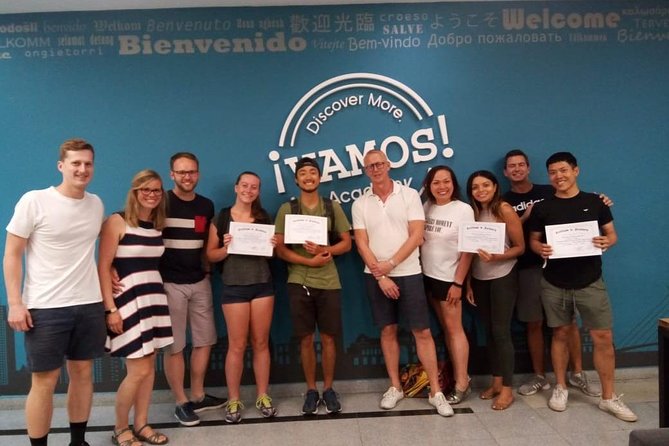
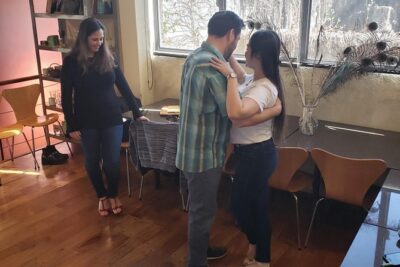
A big reason this class package can feel like more than just “sit and study” is that it includes extras. The details state that the experience includes class materials, access to on-site facilities, workshops, a tango lesson, and coffee or tea during class time. You also get a class certificate.
Then there’s the part that often makes Spanish training stick: practice that happens immediately after instruction. One student mentioned daily cultural activities right after classes as a fast way to practice what they learned. Another highlighted free tango classes and a mate and conversation workshop with Argentines, which is exactly the kind of real-life language use you can’t fully replicate in a textbook.
One practical angle: these extras reduce the “what do I do next?” problem after a lesson. Instead of breaking your momentum, you get a built-in path to keep using Spanish.
One more detail that came up: a student said the school has HEPA filters, and for them, that was essential. If air quality matters to you, it’s worth asking the academy directly what they use now, since filtration systems can change over time.
Price and value: what $50 buys (and what to watch)
The price is listed as $50.00 per person with an approximate 1-hour duration, with a mobile ticket. On the surface, that can seem simple. The value part comes from what’s bundled and what one-on-one access actually saves you.
Here’s how to think about it:
- If you’re the kind of learner who needs real feedback and speaking time, private lessons can be efficient. You’re not waiting your turn.
- The inclusion of materials, on-site facilities access, workshops, tango lesson, coffee or tea, and a certificate can make the total feel less like “just tutoring” and more like a language program.
- If you only want a single lesson or you’re unsure you’ll keep up, the cost per hour may feel harder to justify than a group course.
Also, the booking is described as non-refundable and cannot be changed. That matters for people with uncertain schedules. If your trip dates are flexible, you might want to line up your lesson timing early, then keep your plan steady.
Who this is best for (and who should consider alternatives)
This experience fits best if you’re one of these types:
- You need flexible scheduling during a vacation
- You want conversation practice with feedback, not just grammar drills
- You have a specific goal like DELE/CELU prep or vocabulary for work fields (law, IT, medical areas)
- You learn better in a one-on-one setting than in group classes
It also works well for families. One review mentions enrolling four elementary-aged children for nearly the entire time they were in Buenos Aires, and they praised the academic director (Analía) for taking time for a video call before the students arrived. That’s a strong sign the academy pays attention to matching the program to real family logistics.
If you’re someone who wants the cheapest possible Spanish class, or you just need casual exposure without structured help, you might decide to spend your time elsewhere. But if you want measurable progress in a limited number of days, this private format makes a lot of sense.
A smart way to plan your Buenos Aires Spanish week
Here’s the approach I’d use if I wanted results without burning out:
- Start with 2 longer sessions early in your trip to diagnose what’s not working (conversation, verb tense confusion, or vocabulary gaps).
- Then book shorter follow-ups as needed before you head into social situations, like cafés, tours, or evening plans.
- Bring a notebook and pen, since that’s what the experience asks you to have on hand. Simple, but it prevents that annoying moment of borrowing supplies mid-lesson.
Also, if you know what kind of Spanish you want—Argentinian Spanish vs Spain Spanish—tell the academy. One student’s experience with Paloma highlighted the difference can be addressed directly, which is useful if you care about the version of Spanish you’re using.
Finally, if you’re hoping to attend tango or the mate/conversation workshop, try not to fill your schedule right after class. Keep some slack, so you can roll directly into practice while the lesson is fresh.
Should you book Vamos Academy Spanish classes?
I’d recommend booking if you want fast, structured Spanish practice that fits a travel schedule. The one-on-one format, the ability to tailor topics (including DELE/CELU prep), and the included tango/workshops make it feel like a real language routine rather than a one-off lesson.
I’d hesitate if you need lots of schedule changes, since the policy is non-refundable and the academy has limited openings that move quickly. And if you only want casual exposure, you might not use the one-on-one intensity enough to feel it’s worth the cost.
If you’re in Buenos Aires for a few weeks and want to actually use Spanish confidently—especially in conversation—this is a strong bet.
FAQ
Where is Vamos Academy located?
The meeting point is Vamos Academy Spanish School and English Classes, Viamonte 1516, C1055ABD Cdad. Autónoma de Buenos Aires, Argentina.
How long is each Spanish class?
Each session is listed as about 1 hour, and you can also decide how long your class sessions will be.
Is this a private one-on-one activity?
Yes. It’s a private tour/activity with only your group participating, and the classes are one-on-one with an experienced teacher.
What is included besides instruction?
Class materials, access to on-site facilities, workshops, a tango lesson, coffee or tea in class, and a class certificate are included.
What should I bring to class?
You only need to bring a pen and a notebook to write on.
Is the ticket mobile?
Yes. The experience includes a mobile ticket.
If I cancel, do I get a refund?
No. The experience is non-refundable and cannot be changed for any reason. If you cancel or ask for an amendment, the amount you paid will not be refunded.
More Workshops in Buenos Aires


Just added to our Buenos Aires notebook
- Guided tour Boca Juniors Museum & Stadium + Caminito
★ 3.3 · 3 reviews - Bike Tour: Buenos Aires to the North
★ 4.0 · 3 reviews - From Colonialism to Eclecticism, Buenos Aires arquitectonica
★ 5.0 · 3 reviews - Enjoy a Rural Experience in a Vineyard near Buenos Aires
★ 4.7 · 3 reviews - Café de los Angelitos – Traditional Night in Buenos Aires
★ 4.8 · 3 reviews - Buenos Aires: Rojo Tango Show with Optional Dinner
★ 3.4 · 3 reviews
Workshops, compared.
 ★ 4.8Empanadas and Alfajores Guided Cooking ClassFrom $37486 reviews
 ★ 4.9Private Tango LessonFrom $39244 reviews
 ★ 4.6Empanada & Alfajor Cooking Lesson in PalermoFrom $49186 reviews
 ★ 4.0Tango Porteño Show with Optional Dinner and Tango LessonFrom $3597 reviews
★ 5.0Buenos Aires – Private Tango lessonFrom $3996 reviews
★ 4.0Tango Porteño Show with Optional Dinner and Tango LessonFrom $3597 reviews
★ 5.0Buenos Aires – Private Tango lessonFrom $3996 reviews
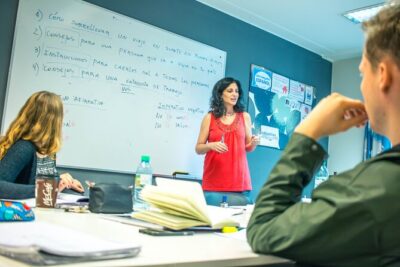 ★ 5.0Spanish Group Course in Buenos Aires, Argentina: 20 LessonsFrom $27572 reviews
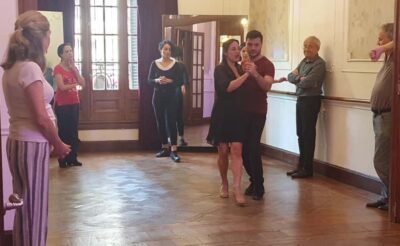 ★ 4.4Group tango class with mate and snacksFrom $2544 reviews
 ★ 5.0Private Argentine Cooking Class and Tango Lesson in Buenos AiresFrom $18237 reviews
Browse the lists this tour appears in