
Reviewed · COOKING CLASSES
Pachamama – Argentine Cooking Experience in Buenos Aires
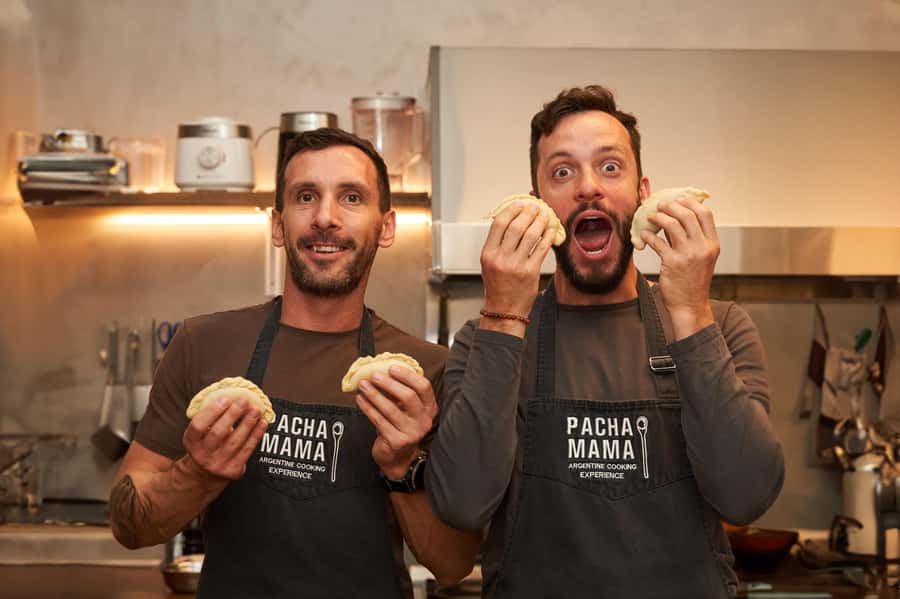
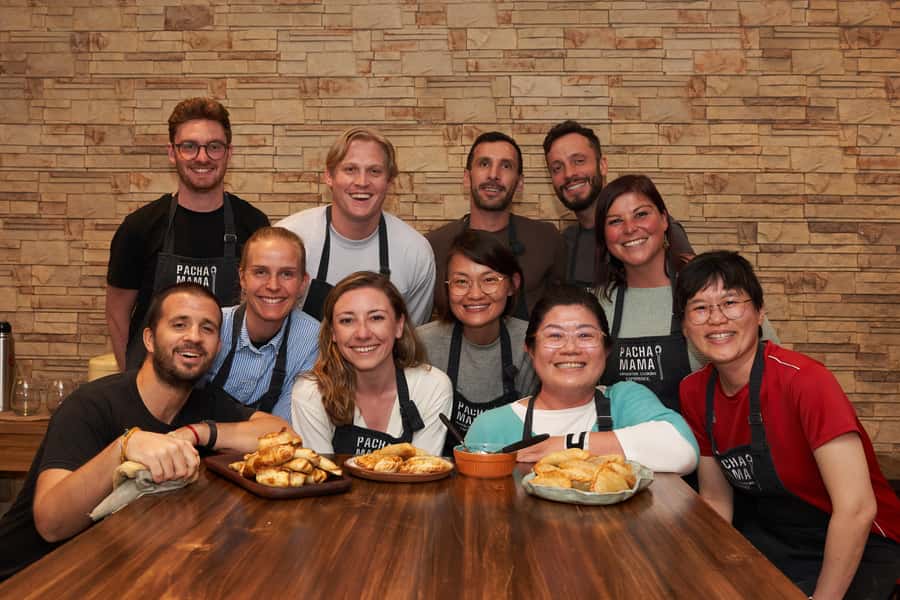
A cooking class that feels like home. You roll up your sleeves to cook from scratch Argentine comfort food, then sit down for a wine-paired meal that’s very much about how people actually eat in Argentina. You’ll also get small culture lessons along the way, with topics like mate and the origins of classics such as chimichurri and empanadas.
I especially like the hands-on, turn-by-turn feel of the class, so you are doing real cooking instead of watching. I also like the way you leave with practical takeaways: recipe books in PDF form via QR code, plus class photos and Buenos Aires tips to help you keep exploring after the lesson.
One consideration: there’s no hotel pickup, so you’ll need to plan your own ride in Buenos Aires.
In This Review
- Key things to know before you go
- Welcome picada and wine: what starts the Argentine food mood fast
- The four-recipe cooking flow: from snack to sweet, step by step
- Chipá and spicy-sauce moment
- Beef empanadas with chimichurri: where the skills show up
- Humita stew gratin: the comforting, savory center
- Dulce de leche crepes with ice cream and limoncello
- The Argentine food education: more than recipes, it’s flavor meaning
- Meet Franco and the team: how the class stays organized and fun
- Wine pairing in Mendoza style: how it affects your meal
- Timing and logistics: plan your afternoon like a local meal
- Value check: is $75 worth it in Buenos Aires?
- Who should book Pachamama, and who might not
- Language and expectations: English-led, with Spanish for private groups
- Should you book Pachamama? My quick verdict
- FAQ
- How long is the Pachamama Argentine Cooking Experience?
- What’s included in the price?
- Does the experience include hotel pickup and drop-off?
- Can the class accommodate vegetarian or dietary needs?
- What language is the cooking experience offered in?
- Is the venue wheelchair accessible?
- What is the cancellation policy?
Key things to know before you go
- 4 recipes you cook yourself: snack, appetizer, main, and dessert in one guided flow
- Mendoza Durigutti wine pairing with the meal, plus vermouth, water, and homemade lemonade
- Welcome picada with homemade preserves, pickles, and local bread to start you in the mood
- Argentine classics in the menu: empanadas with chimichurri, plus humita stew gratin
- Sweet ending with fire involved: flamed dulce de leche crepes with ice cream and homemade limoncello
- Dietary swaps are built in: vegetarian, gluten free, and lactose free options are available
More aprons on in the Buenos Aires kitchen.
- Buenos Aires: Empanadas and Alfajores Guided Cooking Class★ 4.8 · 486 reviews
- Buenos Aires: Empanada & Alfajor Cooking Lesson in Palermo★ 4.6 · 186 reviews
- BA: Empanadas and Alfajores Cooking Experience in Palermo★ 5.0 · 112 reviews
Welcome picada and wine: what starts the Argentine food mood fast
The experience kicks off right away with a welcome picada—think homemade preserves, pickles, and local bread. It’s a smart start because it gets you tasting Argentine flavors before you even touch a cutting board. You also get a vermouth cocktail and enough water to keep things comfortable while you learn.
Then the chef-led team sets the stage with a short, clear intro to Argentine cuisine. You’ll hear about what shaped the food in the region and how everyday ingredients became part of the national identity. If you’ve never really understood chimichurri or empanadas beyond the name, this is where you get the context to appreciate what you’re about to cook.
And yes, the Mendoza Durigutti wines matter here. The pairing is part of the experience, not just a separate drink list. You’ll be eating and learning at the same time, with the meal moving at a pace that keeps you involved.
The four-recipe cooking flow: from snack to sweet, step by step
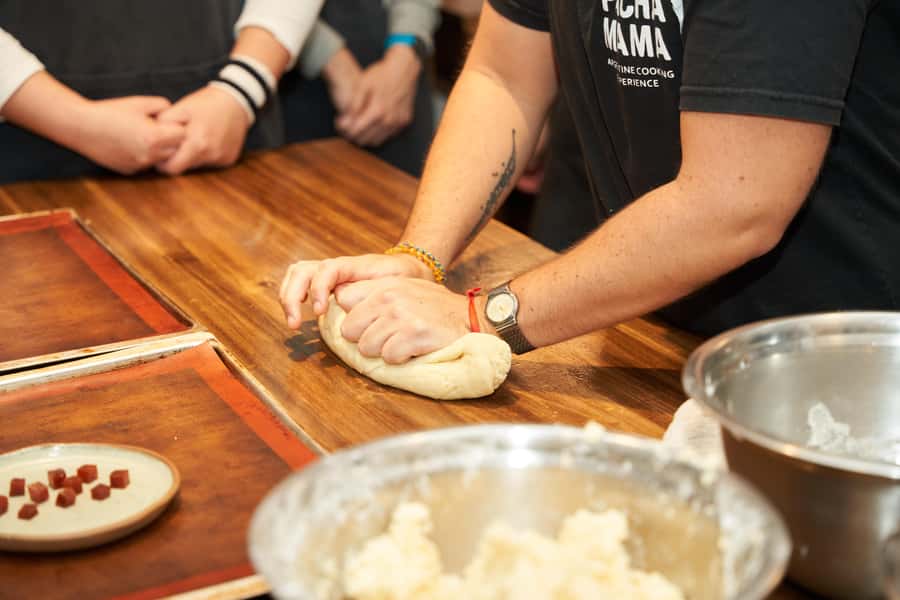
The heart of this class is a four-course menu built around hands-on cooking. You’re not just assembling plates; you’re doing the work—prepping, mixing, stuffing, and cooking—while the team guides you. Plan for about 3 to 3.5 hours, since the experience is described as 3 hours and also as a 3.5-hour session depending on the format.
Here’s how the menu lands, in the order you’ll experience it:
Chipá and spicy-sauce moment
You’ll cook chipá with BBQ sauce and a fermented spicy sauce. Chipá is the kind of food that feels like a friendly handshake in Argentina—comforting, snackable, and deeply tied to local eating habits. This course is a good warm-up because it gets you thinking about texture and flavor balance early.
You’ll also taste the fermented spicy element, which helps you understand why Argentine sauces can be bold without being chaotic. The goal isn’t heat for heat’s sake—it’s flavor structure.
Beef empanadas with chimichurri: where the skills show up
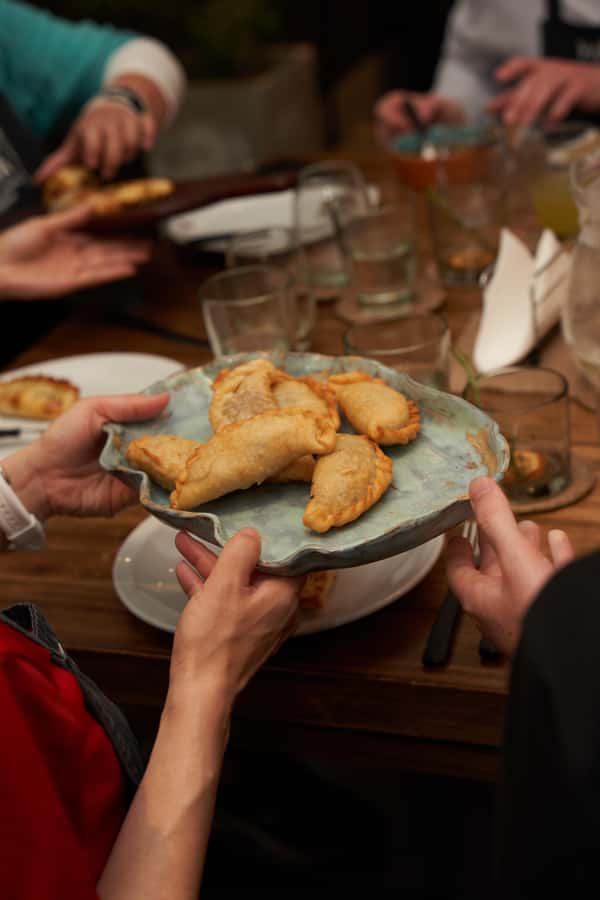
Next come beef empanadas and chimichurri. This is one of the most iconic combos in the country, and it’s also a great teaching moment because empanadas are all about technique. The class focuses on how the filling and spices come together, and how chimichurri stays fresh and punchy.
You’ll smell spices as you work, and you’ll understand that chimichurri isn’t just something you buy. It’s a sauce people rely on to finish grilled meats and everyday plates alike. If you care about learning flavor logic, this is the part that clicks.
Humita stew gratin: the comforting, savory center
After the empanadas, you move into humita stew gratin. Humita is linked to regional cooking, and the gratin form makes it feel hearty and oven-friendly. This course is your savory middle act—less about speed and more about getting the dish to come out rich and cohesive.
This is also a nice contrast to the stronger, tangier flavors of chimichurri. Humita gives you a softer, corn-based comfort that helps you appreciate why Argentine cuisine can be both bold and gentle in the same meal.
Dulce de leche crepes with ice cream and limoncello
The finale is flamed dulce de leche crepes with ice cream and homemade limoncello. The flaming element adds showmanship, but the real value is learning how dulce de leche becomes a centerpiece dessert in Argentine culture. The ice cream and limoncello then balance sweetness with a bright, aromatic finish.
If you like dessert that feels like a celebration rather than just sugar, this one lands well. And since limoncello is homemade for the class, it’s the kind of detail that makes the ending feel personal.
The Argentine food education: more than recipes, it’s flavor meaning
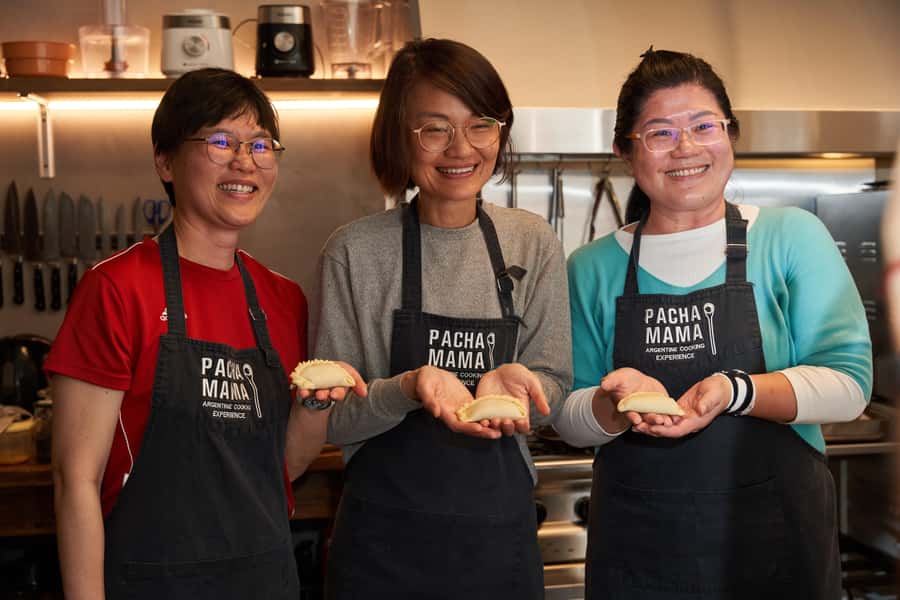
What I like about this setup is that it doesn’t treat cooking as a checklist. The team talks about history and origin while you’re working, so you can connect ingredients to culture instead of memorizing steps only.
You’ll learn about mate and what it means in daily life, not just the fact that it exists. You’ll also get the story behind chimichurri—why it’s a staple and how it became a go-to accompaniment. And when you make empanadas, the instruction ties back to why regional spices show up the way they do.
This matters because it changes how you eat after the class. Instead of chasing random dishes, you’ll know what to look for: sauces with structure, fillings built on seasonings, and desserts that lean into local favorites.
Meet Franco and the team: how the class stays organized and fun
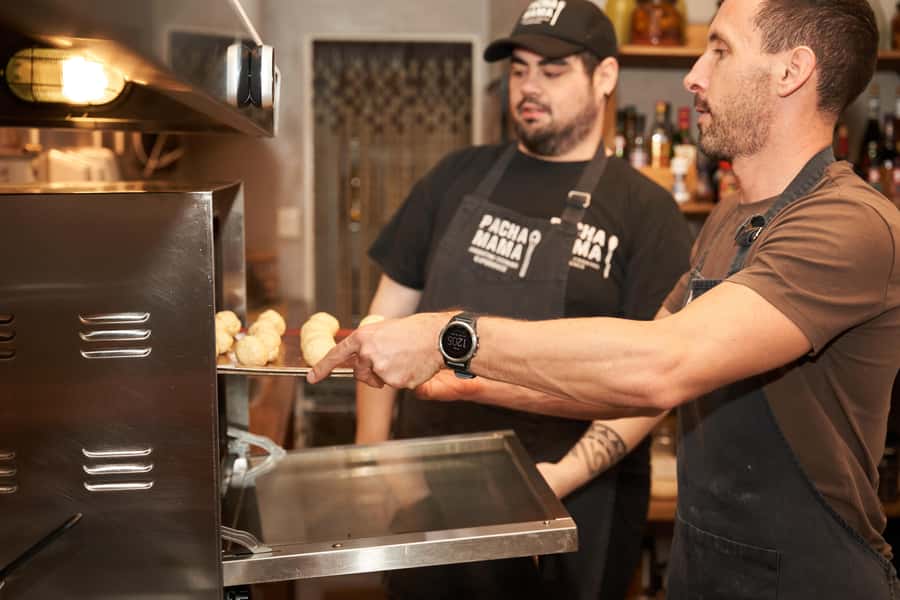
One of the most consistent strengths is the way the instructors run the room. Franco and his staff keep it organized, upbeat, and clear, so you’re not left guessing what comes next. The format gives you time to take turns assisting with different parts of the cooking, which keeps the class active.
The vibe is also social in a natural way. After cooking, you sit down together around the table and share what you made, paired with the local wines. This isn’t a silent cooking lab; it’s a friendly meal with a purpose.
There is one practical note to keep expectations right: the workflow can be a group effort, not a strict solo-by-solo build of every dish. You may not personally do every step of each recipe end-to-end, but you’ll still get hands-on involvement through prep and turn-taking.
Wine pairing in Mendoza style: how it affects your meal
Even if you’re not a wine expert, pairing makes the food easier to understand. As you cook and then taste, you get instant feedback on acidity, texture, and how flavors lift each other. That’s part of why the Durigutti wines pairing feels integral rather than optional.
You also get vermouth, water, and homemade lemonade during the experience. That matters in Buenos Aires, where evenings can run warm. Having non-alcohol options built in keeps the class comfortable and helps you stay focused while cooking.
The overall effect is that you finish with full, satisfied taste memories—savory, bright, and sweet all in one pass.
Timing and logistics: plan your afternoon like a local meal
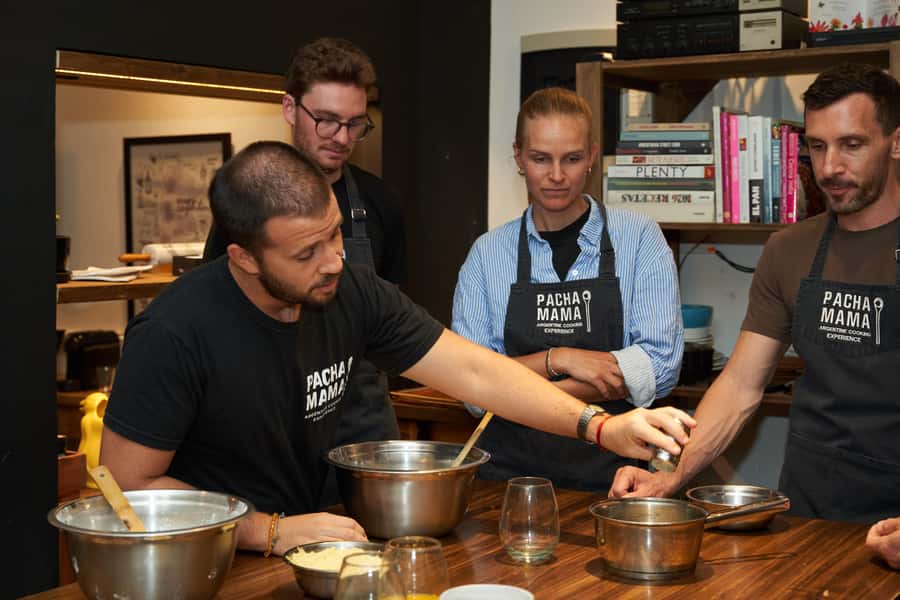
This experience runs about 3 hours, with a mention that it can be around 3.5 hours depending on how it’s adapted. That’s a useful range to plan around if you’re stacking activities in Buenos Aires.
Because there’s no hotel pickup, you’ll want to schedule this as a self-arranged outing. Factor in travel time and buffer, especially if you’re also doing neighborhood walks. In a city like Buenos Aires, a late start can throw off the rest of your evening, so I’d treat this class as the anchor of your afternoon.
The class is wheelchair accessible, which is good to know if you need step-free access. The group size is described as small, with a limitation of up to 10 participants. That smaller number helps the instructors keep an eye on everyone’s progress and food timing.
Value check: is $75 worth it in Buenos Aires?
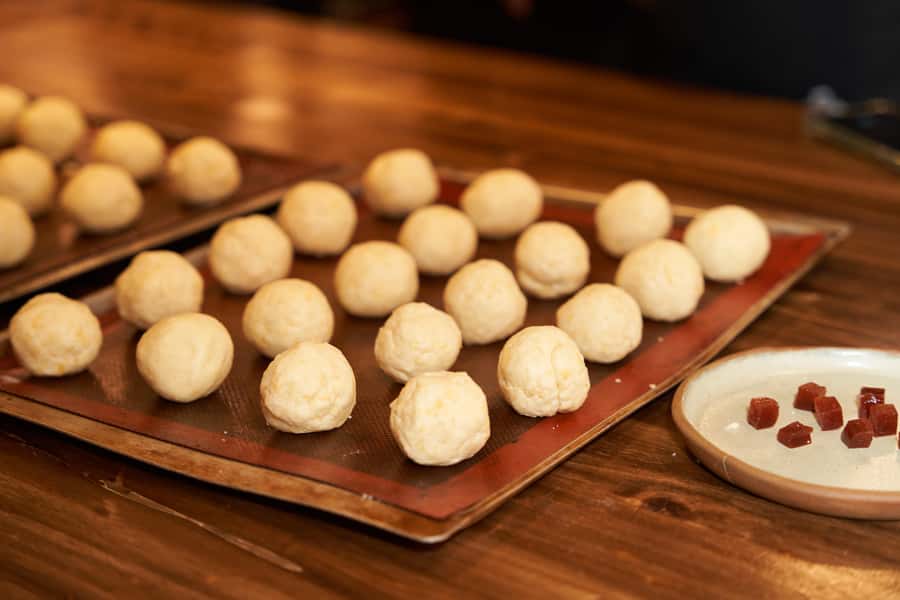
At $75 per person, this class is priced like an activity, but the included food and drinks make it feel closer to a full meal plus instruction. You get:
- A welcome picada
- A multi-step menu (chipá, empanadas with chimichurri, humita stew gratin, and dessert crepes)
- Pairing with Mendoza Durigutti wines
- Vermouth, water, and homemade lemonade
- Recipe materials in PDF via QR code, plus class photos
The key value isn’t only the quantity—it’s that you leave with skills you can reuse. You’re learning how Argentine classics are built, not just eating them. And the included beverage pairing makes it easier to taste with intention, not just hunger.
If you were planning to eat a similar multi-course meal somewhere else, this still compares well once you add the lesson and the take-home recipes.
Who should book Pachamama, and who might not
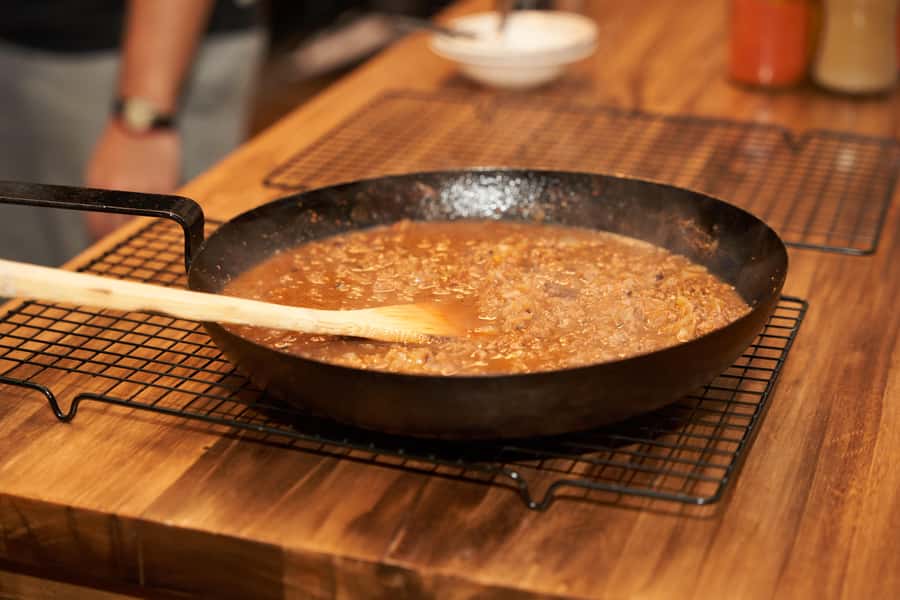
This class is a great fit if you:
- Want hands-on cooking in a small group
- Like learning why food tastes the way it does
- Want a social meal in Buenos Aires, not a rushed dinner
- Care about getting practical recipe materials afterward
It may not be the best match if you:
- Need strict solo instruction for every step of every recipe (the workflow is shared)
- Depend on hotel pickup and want door-to-door convenience (there’s none here)
- Have very tight scheduling and can’t easily reach the location on your own
On the dietary front, it’s reassuring that the experience can be adapted for vegetarian, gluten free, and lactose free. That means you’re not likely to be stuck with a sad substitute plate.
Language and expectations: English-led, with Spanish for private groups
The class is offered in English. For private groups, it can be held in Spanish, which helps if your group prefers to learn in the language that matches your food instincts.
Either way, the teaching style is practical. You’re cooking alongside the instructors, so even if vocabulary is your weak spot, you’ll still follow the actions and the timing.
One more small plus: the experience includes local Buenos Aires recommendations and class recipes with pictures. That makes it feel less like a one-off meal and more like a mini cultural handover for your remaining days.
Should you book Pachamama? My quick verdict
I’d book this if you want a true Argentine food day with more than tasting. The combination of hands-on cooking, a structured multi-course meal, and wine pairing makes it feel like you’re doing something memorable rather than just eating.
I’d hesitate only if you strongly dislike shared group cooking or you want hotel pickup. Otherwise, it’s a very solid way to experience Buenos Aires flavors in a small, friendly setting.
FAQ
How long is the Pachamama Argentine Cooking Experience?
The experience is listed as about 3 hours, and it’s also described as about 3.5 hours with the option to adapt to 2.5 hours for private groups.
What’s included in the price?
The price includes a 5-step menu paired with Durigutti wines, plus vermouth, water, and homemade lemonade. It also includes the welcome picada and the full set of dishes you cook and eat, along with recipe books in PDF format via QR code.
Does the experience include hotel pickup and drop-off?
No. Hotel pickup and drop-off are not included.
Can the class accommodate vegetarian or dietary needs?
Yes. The experience can be adapted to vegetarian, gluten free, and lactose free options.
What language is the cooking experience offered in?
The experience is offered in English. For private groups, it can be held in Spanish.
Is the venue wheelchair accessible?
Yes. The experience is wheelchair accessible.
What is the cancellation policy?
You can cancel up to 24 hours in advance for a full refund.
More Hands-On Cooking in Buenos Aires
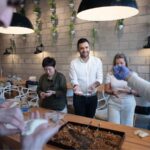
Just added to our Buenos Aires notebook
- Guided tour Boca Juniors Museum & Stadium + Caminito
★ 3.3 · 3 reviews - Bike Tour: Buenos Aires to the North
★ 4.0 · 3 reviews - From Colonialism to Eclecticism, Buenos Aires arquitectonica
★ 5.0 · 3 reviews - Enjoy a Rural Experience in a Vineyard near Buenos Aires
★ 4.7 · 3 reviews - Café de los Angelitos – Traditional Night in Buenos Aires
★ 4.8 · 3 reviews - Buenos Aires: Rojo Tango Show with Optional Dinner
★ 3.4 · 3 reviews
Cooking Classes, compared.
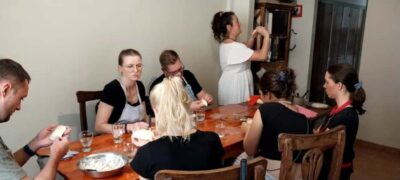 ★ 4.8Empanadas and Alfajores Guided Cooking ClassFrom $37486 reviews
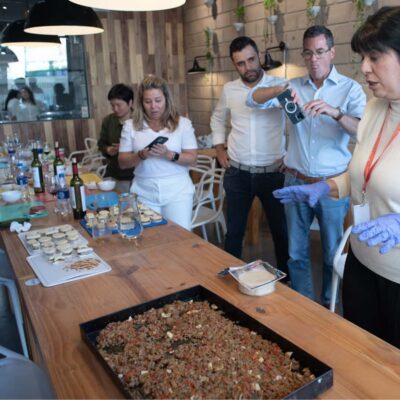 ★ 4.6Empanada & Alfajor Cooking Lesson in PalermoFrom $49186 reviews
 ★ 5.0BA: Empanadas and Alfajores Cooking Experience in PalermoFrom $49112 reviews
 ★ 4.8Argentinian Empanadas Cooking Experience in Palermo, Bs AsFrom $4650 reviews
 ★ 5.0Private Argentine Cooking Class and Tango Lesson in Buenos AiresFrom $18237 reviews
 ★ 4.9Premium Empanadas Cooking Class & Wine Tasting ExperienceFrom $4935 reviews
Browse the lists this tour appears in