
Reviewed · LANDMARKS & CITY ARCHITECTURE
Buenos Aires: Historic Buenos Aires Landmarks & Icons Tour
Buenos Aires landmarks, told by one smart route. In just 150 minutes, you’ll connect the dots between Plaza de Mayo and Casa Rosada, and you’ll get the stories behind the buildings. One thing to plan for: this is an outdoor walk with plenty of steps, so skip fashion sneakers and bring what you need for sun.
I especially like the way the tour brings the center to life through the guide. Past bookings highlight Miguel as a go-to for crisp explanations, quick answers, and even practical culture tips like how to drink mate—plus he can flex when language gets tricky. At $20, it’s a strong value if you want major landmarks and a couple of museum stops without trying to map it all yourself.
In This Review
- Key highlights that make this tour worth your time
- How the 150-minute route helps you understand Buenos Aires fast
- Starting at the Central Bank: a convent story disguised as finance
- Cultural Center in the old post office palace: where the city learned to connect
- Plaza de Mayo and Casa Rosada: the icons that explain power
- Garay Monument viewpoint: why one photo stop matters
- Cabildo, Metropolitan Cathedral, and Manzana de las Luces: the city’s older layers
- Bicentennial Museum: presidents, artifacts, and artwork in one stop
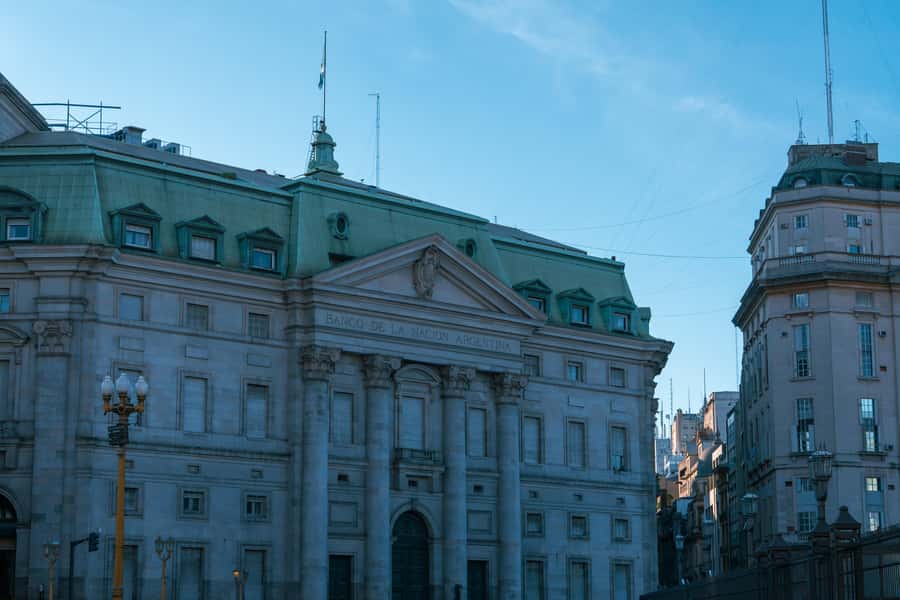
- Bank of the Argentine Nation, City Legislature, and the towering clock
- Ministry of Defense and the “views from size” effect
- Ending at the National Customs House and Comic Strip Plaza
- What you get from Miguel: clarity, pace, and real-world flexibility
- Price and pacing: is $20 a good deal for this kind of afternoon?
- Who should book this tour (and who should skip it)
- What to bring so the walk feels easy
- Should you book this Buenos Aires landmarks tour?
- FAQ
- Where does the tour start?
- How long is the tour?
- How much does the tour cost?
- What language is the live tour guide?
- Is food or drinks included?
- Is the tour suitable for wheelchair users or mobility impairments?
Key highlights that make this tour worth your time
- Central Bank building with convent roots: You start at the Central Bank site, formerly the San Ramón Nonato Convent, and the guide frames why that matters.
- Old post office palace turned Cultural Center: You’ll see the grandeur of the former mail empire and learn about Buenos Aires’ second founding context.
- Garay Monument + a view that helps you read the city: Photo stop plus perspective over the historic center.
- Bicentennial Museum in the mix: Expect a guided visit with relics of past presidents and notable artworks.
- Power landmarks in a tight loop: Plaza de Mayo surroundings, the Cabildo, the Metropolitan Cathedral, and the City Legislature clock tower.
- A fun ending with symbolism: You finish at the National Customs House area and the Comic Strip Plaza, where the mood shifts from politics to pop culture.
More Belle Epoque palaces and grand landmarks of Buenos Aires.
- Classic City Tour of Buenos Aires: Neighborhoods and Emblems★ 3.8 · 282 reviews
- Buenos Aires: Palacio Barolo Entry Ticket and Guided Tour★ 4.3 · 193 reviews
- Buenos Aires: Palacio Barolo Guided Night Tour with Wine★ 4.4 · 54 reviews
How the 150-minute route helps you understand Buenos Aires fast
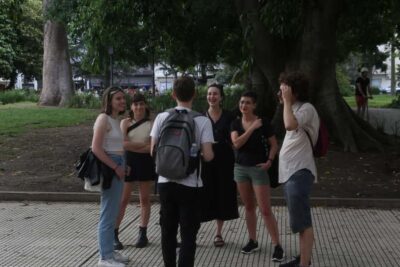
This tour is built for people who want the big-picture story without spending your whole day in transit. You meet at Plaza de Mayo near the flagpole, then you work your way through some of the most recognizable political and civic addresses in the city.
The pacing is the point. Instead of bouncing randomly, you move from one landmark to the next with clear links—what the building was, who used it, and how the location shaped the city’s decisions and identity. And because you’ll have time at key stops (some around 20 minutes), you’re not stuck rushing past everything.
Starting at the Central Bank: a convent story disguised as finance
You kick things off at the Central Bank of the Argentine Republic, a site many people walk near without realizing the earlier life of the building. The tour frames it as the former San Ramón Nonato Convent—meaning this is one of those places where Buenos Aires layers eras on top of eras.
What I like about starting here is that it sets a useful lens for the whole tour. It reminds you that the city’s “official” spaces—banks, courthouses, ministries—often grew out of older religious or administrative uses. You’ll get that sense again later when you see other grand buildings repurposed for modern cultural life.
If you want a quick way to orient yourself when you first arrive, this opening stop does that job. The guide’s commentary helps you notice architectural details you might otherwise miss.
Cultural Center in the old post office palace: where the city learned to connect
Next comes a major landmark that used to be the grand post office palace and is now the Cultural Center. The contrast is part of the charm: massive civic design, originally built for communication, repurposed for culture.
You also get a specific historical anchor here. This area is tied to Buenos Aires’ second founding, and you’ll see the Garay Monument as a key marker. Even if you don’t consider yourself a history person, this part works because it’s tied to place. The guide connects the monument to the street-level geography so it feels more concrete.
And yes, there’s a reason this stop earns attention: you’ll get stunning views from the perspective around the Garay Monument and historic center. Those sightlines make it easier to understand where Plaza de Mayo sits in relation to the surrounding civic buildings.
More of the past uncovered in Buenos Aires.
Plaza de Mayo and Casa Rosada: the icons that explain power
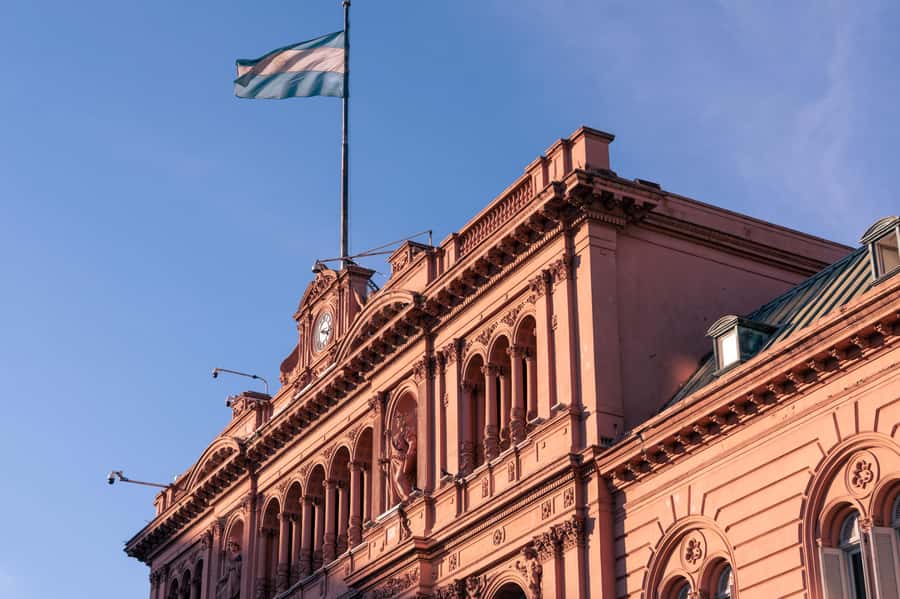
Casa Rosada is one of those buildings that looks like an icon even before you learn anything. You’ll get a photo stop and guided context, and the guide will help you read it as more than a pretty façade.
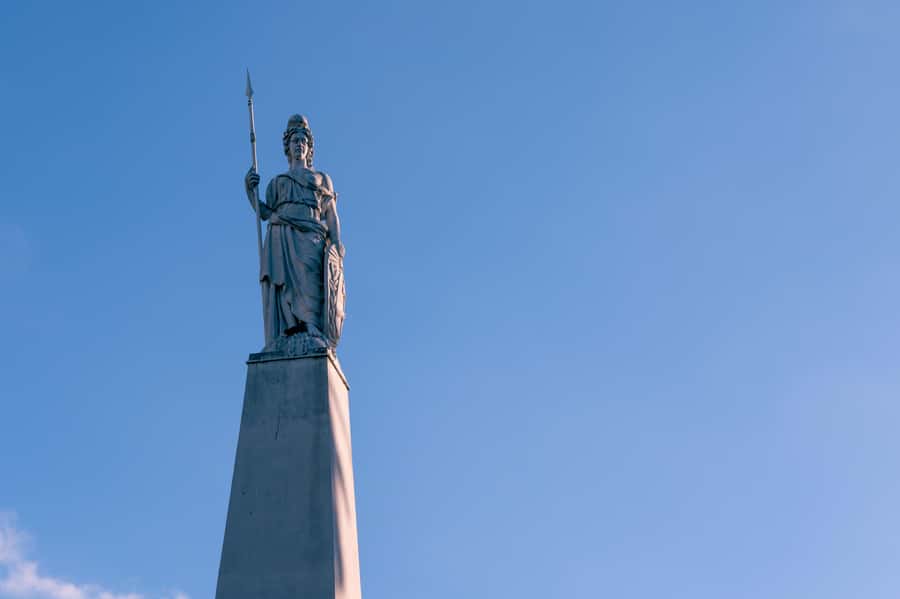
From there, you spend time around Plaza de Mayo—one of Argentina’s most significant squares. The tour places you near major surrounding landmarks, so you can see how the space functions like a stage for civic life. The point isn’t just to say it’s important. The point is to show you how the layout and nearby institutions reinforce that importance.
If you’re the type who likes to understand what you’re looking at, this is where the tour clicks. You’ll hear stories tied to the square and the adjacent buildings, including the broader civic presence around the Plaza.
Garay Monument viewpoint: why one photo stop matters
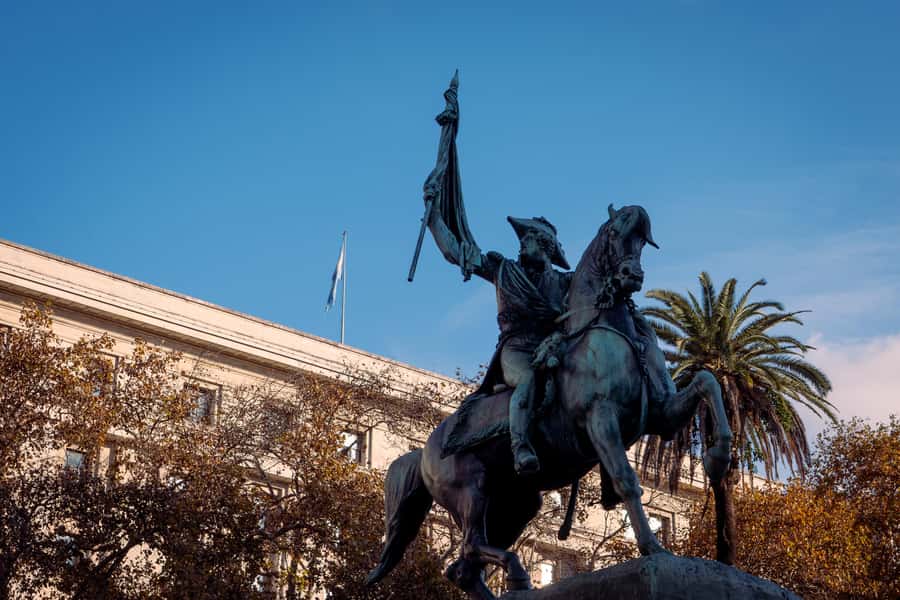
The Garay Monument stop is short on paper, but it does real work for you. A 10-minute photo pause can sound minor, but the guide uses it to teach you how the historic center is arranged.
This is the part where you start to “see” Buenos Aires instead of just “walking through” it. From the viewpoint, you can understand why the area became a focal point again and again. It also gives your brain a reference point, so later buildings feel connected rather than random.
Bring your camera. Also, bring patience if it’s sunny—standing still for photos is easy to underestimate in Buenos Aires heat.
Cabildo, Metropolitan Cathedral, and Manzana de las Luces: the city’s older layers
After the big national symbols, the tour shifts into the older civic fabric.
You’ll visit the Cabildo of Buenos Aires, a museum that preserves the history of the city and nation. This is where you get to slow down a bit and see how governance and civic identity evolved. The guide’s framing helps you connect the museum content to the monumental buildings outside.
Then you’ll spend time around the Buenos Aires Metropolitan Cathedral. Even with a quick visit and photo stop, it’s a powerful change of pace—religious architecture brings a different kind of message about power, community, and permanence.
The tour also includes Manzana de las Luces, another stop designed to make you look closely. You’ll get guided time here, plus a photo stop. This is one of those spots where the guide’s explanations help you notice why the area mattered beyond its present-day appearance.
Bicentennial Museum: presidents, artifacts, and artwork in one stop
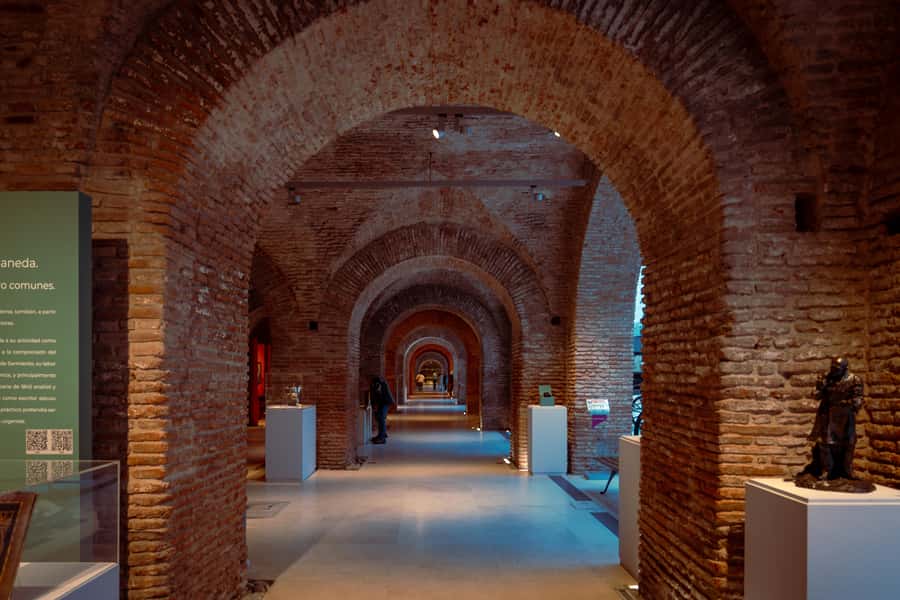
One of the strongest practical reasons to book is the inclusion of the Museo del Bicentenario. You’re not just hearing facts outside—you also get guided time inside a museum with relics of past presidents and exceptional artworks.
You’ll have around 20 minutes here, which is enough to get oriented without turning your afternoon into a marathon. The guide helps you focus on what to look for so you leave with a few clear takeaways instead of feeling like you saw “a lot of objects” with no thread.
This stop also makes the tour feel worth the price, because it adds an indoor element to balance the outdoor walking.
Bank of the Argentine Nation, City Legislature, and the towering clock
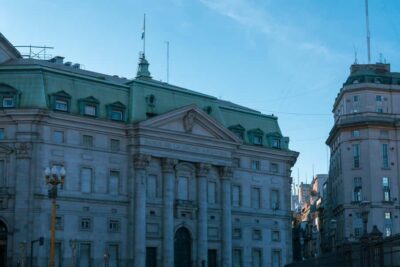
The tour includes prominent banking and governmental buildings around the central area. You’ll see the impressive Bank of the Argentine Nation building and spend guided time near the City Legislature.
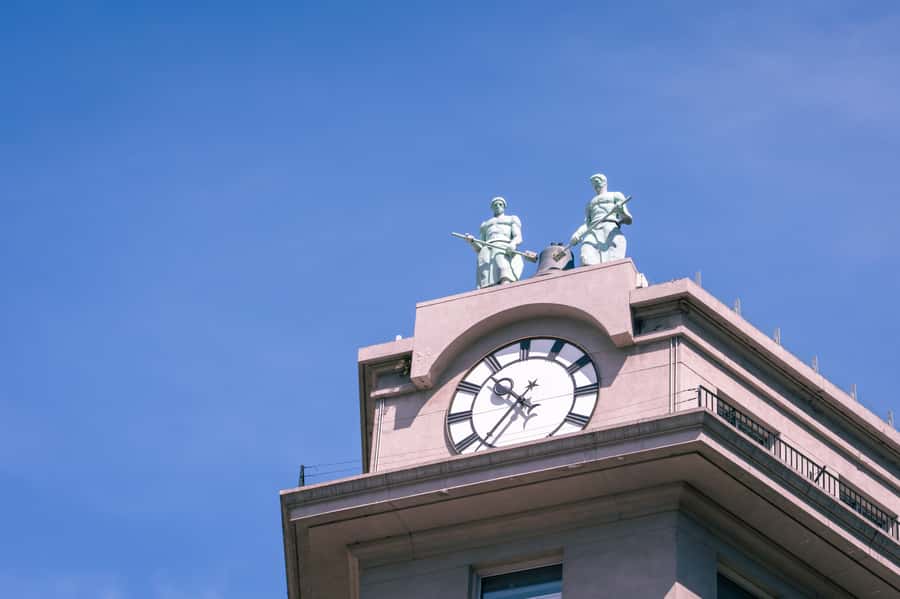
The City Legislature is notable for its diverse architectural styles and a towering clock that draws your eye from a distance. In a city full of landmark façades, this is useful. It gives you a visual anchor you’ll remember, and the guide ties that anchor back to how civic power expressed itself in architecture.
Even if you’re not into architecture for its own sake, it’s helpful. These places show you how Buenos Aires wanted to look like authority—through scale, materials, and design details that you can spot in minutes.
Ministry of Defense and the “views from size” effect
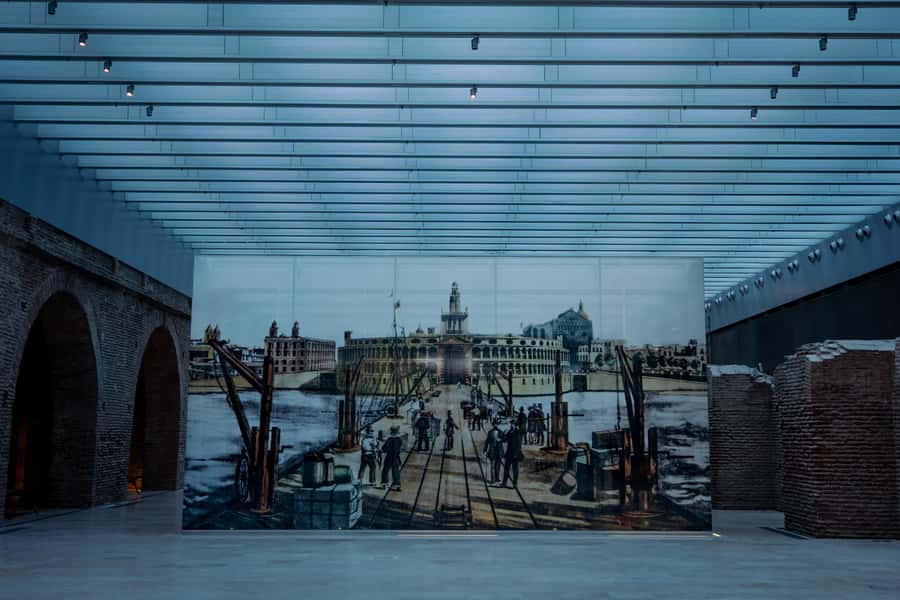
You’ll also see the iconic Ministry of Defense building, known for its vast size and views. This is another stop where the guide’s commentary matters.
Large buildings can feel generic if you walk past them. Here, the guide helps you understand how scale affects what you feel when you’re standing near it—how the structure dominates your visual field and changes your sense of the block.
It’s a reminder that power in Buenos Aires isn’t just symbolic. It’s physical, and it takes up room.
Ending at the National Customs House and Comic Strip Plaza
The tour concludes around the National Customs House and the Comic Strip Plaza. Ending here is smart for two reasons.
First, the National Customs House location ties back to Buenos Aires as a gateway city—trade, movement, and history all linked to what came in and out. Second, the Comic Strip Plaza shifts the tone into something more playful and modern, which makes the whole experience feel balanced.
If you still want more to do after the tour, this ending is also practical. You’re finishing in an area where it’s easy to keep exploring without the feeling you just wrapped up a chore.
What you get from Miguel: clarity, pace, and real-world flexibility
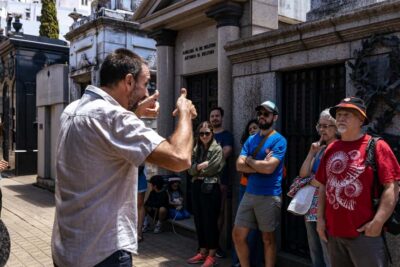
The biggest recurring praise is the guide himself—Miguel. The tone you want on a landmarks tour is simple: clear explanations, room for questions, and no wandering off into vague storytelling.
Miguel’s approach tends to be organized and responsive. You’ll get answers that connect landmarks to the logic of the city. And if your Spanish isn’t perfect, you’re not stuck. In practice, Miguel has a way of adjusting so the key points still land.
One memorable cultural detail: mate. The tour can include a practical how-to around drinking mate, not just a mention of it. That kind of small moment makes the city feel personal instead of like a list of monuments.
Also, there’s an added value angle: the tour experience is described as flexible, with attention to what your group needs at each stop. That matters on a walking route with multiple “pause and look” locations.
Price and pacing: is $20 a good deal for this kind of afternoon?
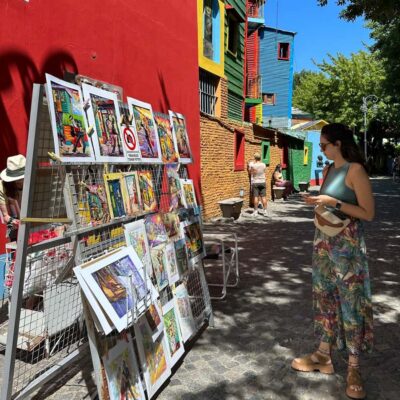
At $20 per person for about 150 minutes, this tour is built for value. You’re paying for a guided route through major landmarks plus museum time, and you’re not handling the coordination yourself.
Is it a luxury tour? Not really. It’s a focused walking tour. The payoff comes from how much you pack into a short window and how you understand what you’re seeing along the way.
One more practical note: the tour doesn’t include food or drinks. That means you should plan a snack or a drink before or after, especially if you’re sensitive to energy crashes mid-afternoon.
Who should book this tour (and who should skip it)
This is a great fit if you:
- want a concentrated look at Buenos Aires’ central icons in about two and a half hours
- like guided context more than solo wandering
- want both outdoor landmarks and one museum stop
You should think twice if:
- you have mobility limitations. The tour is not suitable for people with mobility impairments or wheelchair users, and there’s a significant amount of walking outdoors.
- you hate standing around for photo stops. There are multiple brief pauses, including at Casa Rosada and the Garay Monument.
What to bring so the walk feels easy
For a tour like this, comfort is not optional. Wear comfortable shoes because there’s a significant amount of walking and outdoor time.
Also bring:
- a hat
- sunscreen
- water
- weather-appropriate clothing based on the forecast
This isn’t the kind of tour where you can casually forget these basics.
Should you book this Buenos Aires landmarks tour?
Yes, if your goal is to learn the center fast and see the classics in a guided, well-timed loop. The price is low for the number of big stops, and the mix of landmark exteriors plus the Bicentennial Museum gives your afternoon both photos and substance.
If you can walk comfortably and you want a clear explanation behind Casa Rosada, Plaza de Mayo, the Cabildo, and the other civic landmarks, this is an efficient way to get oriented. If mobility is an issue, or if you need a low-walking plan, you’ll be happier choosing a different format.
FAQ
Where does the tour start?
You meet your guide near the flagpole at Plaza de Mayo.
How long is the tour?
The duration is 150 minutes.
How much does the tour cost?
The price is $20 per person.
What language is the live tour guide?
The live tour guide is in Spanish.
Is food or drinks included?
No. Food and drinks are not included.
Is the tour suitable for wheelchair users or mobility impairments?
No. It is not suitable for people with mobility impairments or wheelchair users.
More History in Buenos Aires
The Palaces of Buenos Aires, Continued



Just added to our Buenos Aires notebook
- Guided tour Boca Juniors Museum & Stadium + Caminito
★ 3.3 · 3 reviews - Bike Tour: Buenos Aires to the North
★ 4.0 · 3 reviews - From Colonialism to Eclecticism, Buenos Aires arquitectonica
★ 5.0 · 3 reviews - Enjoy a Rural Experience in a Vineyard near Buenos Aires
★ 4.7 · 3 reviews - Café de los Angelitos – Traditional Night in Buenos Aires
★ 4.8 · 3 reviews - Buenos Aires: Rojo Tango Show with Optional Dinner
★ 3.4 · 3 reviews
Landmarks & City Architecture, compared.
 ★ 3.8Classic City Tour of Buenos Aires: Neighborhoods and EmblemsFrom $45282 reviews
 ★ 4.3Palacio Barolo Entry Ticket and Guided TourFrom $67193 reviews
 ★ 4.4Palacio Barolo Guided Night Tour with WineFrom $9054 reviews
 ★ 4.7Historic District Private Guided Walking TourFrom $529 reviews
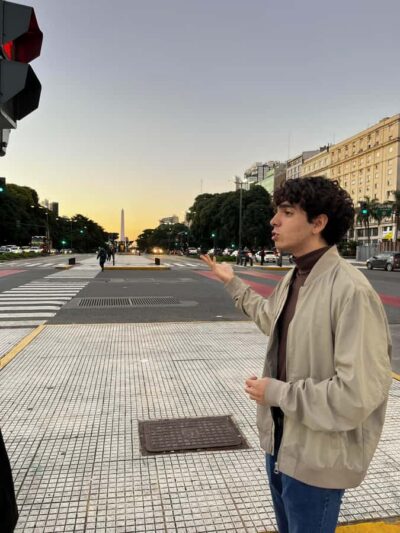 ★ 4.0100% History and architecture of Buenos AiresFrom $125 reviews
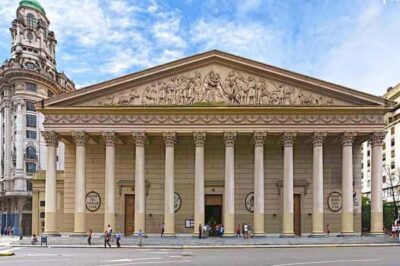 ★ 5.0Montserrat, San Telmo, La Boca, and Puerto …From $1003 reviews
 ★ 4.1MALBA Museo de Arte Latinoamericano TourFrom $1303 reviews
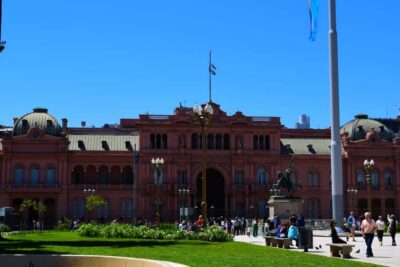 ★ 5.0From Colonialism to Eclecticism, Buenos Aires arquitectonicaFrom $253 reviews
Browse the lists this tour appears in