

Reviewed · WALKING TOURS
Jewish Sites Buenos Aires Private Walking and Car Tour
History has a heartbeat here. I like that the tour uses a licensed private guide to connect landmarks to real stories, not just dates, and I like the sense of place on Libertad Street. One thing to consider: the subject matter is heavy, and synagogue entry isn’t included.
Second, you get a focused route that ties together tragedy and continuity, from the Templo Libertad area to the Holocaust-related sites and the community’s modern reality. If you choose the longer options, the museum visit adds physical artifacts you can see up close, not just descriptions.
In This Review
- Key highlights that shape the day
- Templo Libertad and the old Jewish quarter on Libertad Street
- Holocaust Memorial: memory with real local context
- AMIA bombing: remembrance, unity, and the long after
- Museo Judío de Buenos Aires Dr. Salvador Kibrick (included only in 3- and 4-hour tours)
- 4-hour private car option: extra landmarks without the fatigue
- Walking pace, weather, and how to dress for it
- Price ($129) and what you’re really paying for
- Who should book this private Jewish heritage tour?
- Booking tips that make the day smoother
- Should you book this Buenos Aires Jewish heritage tour?
- FAQ
- What’s the duration of the Jewish sites Buenos Aires private walking and car tour?
- Where do I meet the guide?
- Which languages are available for the guide?
- Is entry to synagogues included?
- Do I get to visit the Salvador Kibrick Museum?
- What documents do I need for the museum?
- Is private car transport included?
- How much walking is involved on the shorter options?
- Are food and drinks included?
Key highlights that shape the day
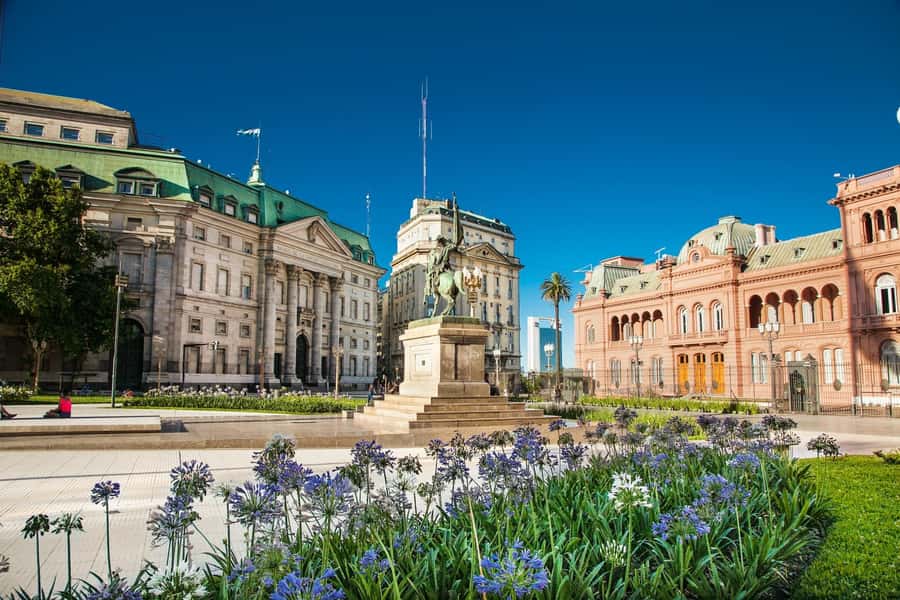
- Licensed private guide in your language (English, Spanish, French, Italian, or Portuguese)
- Templo Libertad and the old Jewish-quarter streetscape, with guidance on what you’re actually looking at
- Holocaust Memorial stop with context on Argentina’s role during and after WWII
- AMIA bombing remembrance at the end of the story, tying memory to present-day identity
- Museo Judío de Buenos Aires Dr. Salvador Kibrick entry (3- and 4-hour options only)
- 4-hour private car option for extra landmarks like 9 de Julio Avenue and the Israeli Embassy Memorial
More of Buenos Aires covered on foot.
- Buenos Aires Hop-On Hop-Off Bus, Free Walking Tours & Discounts★ 4.5 · 2,218 reviews
- Buenos Aires: La Boca Guided Walking Tour in English★ 4.8 · 1,587 reviews
- Nazis in Buenos Aires: a historical walking tour★ 4.9 · 193 reviews
Templo Libertad and the old Jewish quarter on Libertad Street
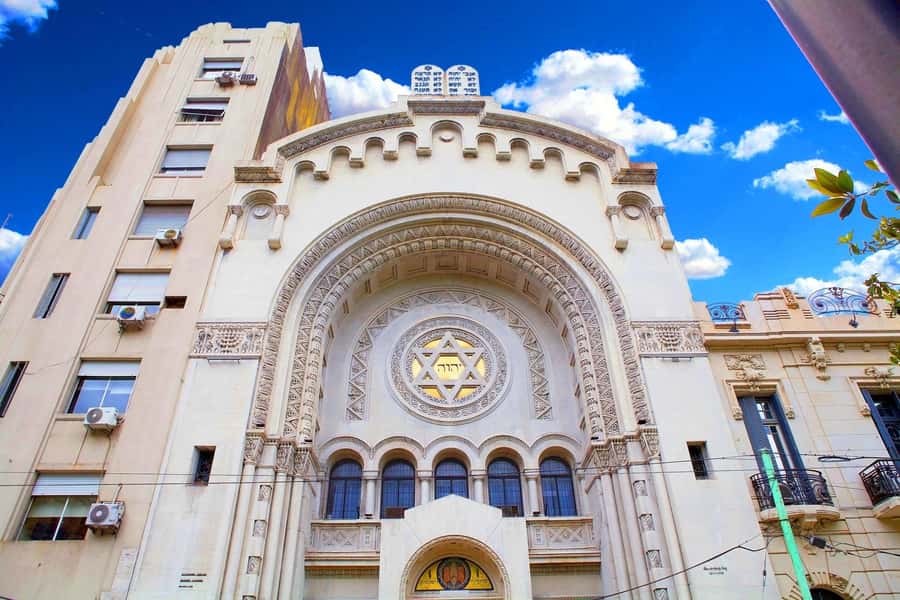
This tour starts where you can still feel how the neighborhood shaped Jewish life in Argentina. You’ll be guided along Libertad Street toward Templo Libertad, described as Argentina’s first synagogue and a major cultural landmark. Even when you don’t go inside, the exterior is the point: you learn how architecture, community ambition, and early diaspora roots show up in the building’s presence.
What I like about this part is the way your guide frames the street. You’re not just collecting stops; you’re building a map in your head—where people lived, worshipped, and planned their future. It’s the difference between seeing a façade and understanding why the façade was worth protecting.
A practical note: this is still a walking experience, with some uneven surfaces and steps on the shorter options. Wear shoes you trust. If your ankles complain easily, you’ll be happier with the 4-hour option that includes private transport.
Holocaust Memorial: memory with real local context
Next comes the Holocaust Memorial experience, where the guide explains Argentina’s role during and after WWII and focuses on the survivor stories of people who rebuilt their lives in Buenos Aires. This is one of those segments where the emotional weight is real, so you’ll want to go in with a calm pace and an open mind.
The value here isn’t shock for shock’s sake. The tour connects the global tragedy to the local outcome—what changed in this city and how survivors’ presence shaped the community that stands here today. If you care about history that still has echoes in politics and identity, this stop is a turning point.
Also, because the guide adapts to your group, you can ask questions that matter to you. In one case, a guide named Richard Shpuntoff was praised for clarifying the historical and current political climate and sharing personal and familial context. Even if your guide is different, that kind of approach is exactly why this tour is private rather than just a bus route.
AMIA bombing: remembrance, unity, and the long after
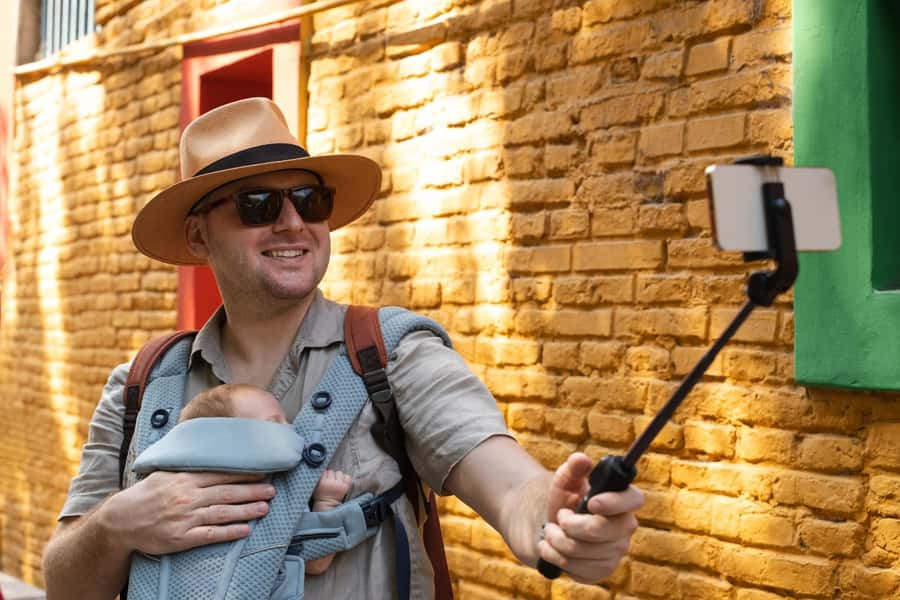
The tour culminates at AMIA (Asociación Mutual Israelita Argentina), which is both a symbol of community unity and the site of tragedy. Your guide addresses the 1994 AMIA bombing, explaining why it became one of the darkest moments in Argentine–Jewish history and what it meant for the community and the country afterward.
This end stop is powerful because you leave the tour with more than a photo. You leave with a clearer understanding of how remembrance becomes part of civic identity—how communities keep telling their own story even after violence tries to interrupt it.
This isn’t the kind of tour where you race through. You’ll want to slow down and let the guide’s pacing do its job, especially here. If you’re hoping for a light, casual stroll, you might find the tone more serious than expected.
Museo Judío de Buenos Aires Dr. Salvador Kibrick (included only in 3- and 4-hour tours)
If you pick the 3-hour or 4-hour option, you get entry to the Museo Judío de Buenos Aires Dr. Salvador Kibrick. This is where the tour stops being mostly about places and starts becoming about objects.
You’ll see items such as ritual objects, photographs, and historical documents that help explain Jewish life in Buenos Aires from the inside—what people used, what they kept, and what they carried with them as they built a new home.
There’s an important rule: for security reasons, visitors must show their original passport if they’re foreigners or their original national identity card if they’re Argentinian. So don’t plan to rely on photos on your phone.
A small trade-off: the museum visit is only in the longer versions. If you choose the 2-hour tour, you’ll still get a strong overview, but you won’t get this deeper, artifact-based experience.
4-hour private car option: extra landmarks without the fatigue

The 4-hour version is the one to choose if you want comfort and more coverage. It includes private transportation with pickup and drop-off at your accommodation in Buenos Aires. That matters because it turns the day from a walk-and-hunt into a guided route with breathing space.
On top of the core Jewish heritage sites, the extended itinerary adds several broader urban landmarks:
- Plaza Libertad, a quieter square with architectural surroundings your guide can unpack
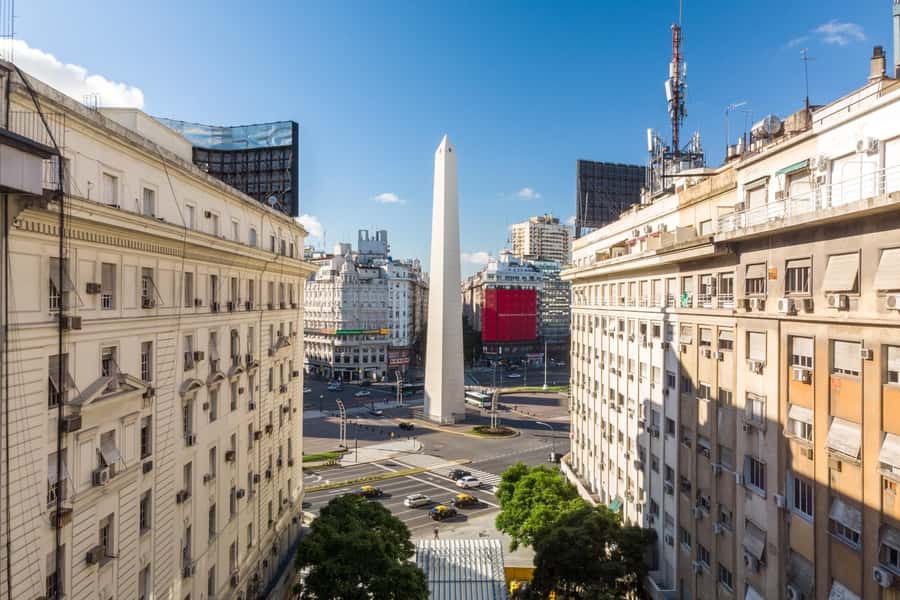
- 9 de Julio Avenue, one of the widest boulevards in the world, great for understanding the scale of the city you’re standing in
- Israeli Embassy Memorial, a solemn stop commemorating the 1992 attack
- Plaza General San Martín, tied to Argentina’s military and immigrant history
This option is especially helpful if you’re traveling with anyone who finds steps or uneven sidewalks stressful. It also works well if you want to connect Jewish history to the wider city grid—how major Buenos Aires spaces frame immigration, memory, and public life.
Walking pace, weather, and how to dress for it
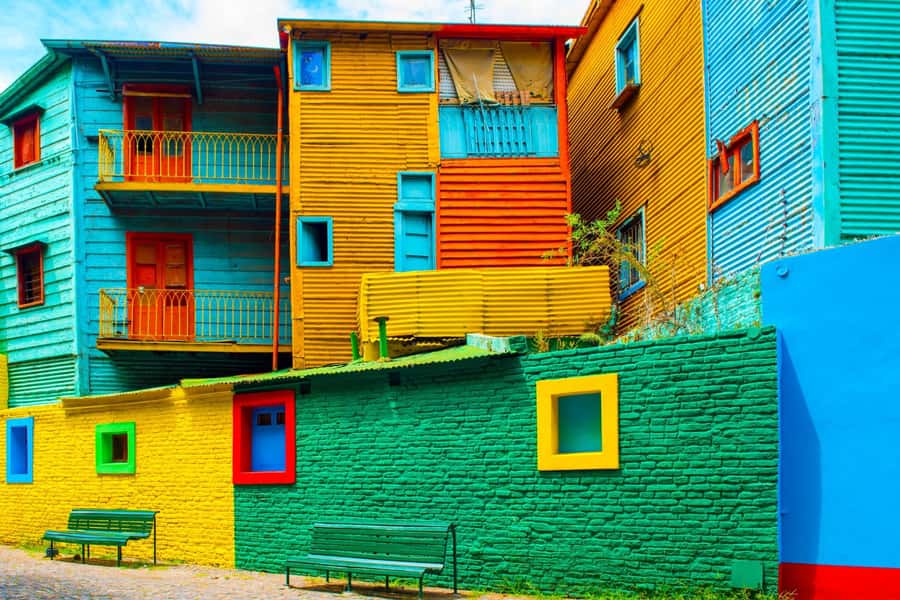
For the 2-hour and 3-hour tours, the walking portion is described as moderately paced and covering about 25–30 minutes on foot, including some uneven surfaces or steps. That doesn’t mean it’s a hike, but it does mean you should plan like you’ll be on real sidewalks, not polished museum floors.
The tour runs rain or shine, so pack for that. Bring a light layer and something that cuts wind or light showers. I also suggest carrying a small bottle of water if you’re sensitive to heat—Buenos Aires weather can vary fast.
If you’re choosing the 4-hour car option, you’ll still do walking, but you’ll have fewer long stretches on foot and more time to sit during transit.
Price ($129) and what you’re really paying for
At $129 per person for a 2–4 hour private experience, the value mostly comes from three things:
- A licensed guide with undivided attention. This is not a crowded group tour. The experience is limited to 1–25 guests per guide, with additional guides arranged for larger groups. That size constraint is what lets you ask questions and get follow-up.
- Specific, meaningful stops that are harder to connect on your own—especially the way the guide links Templo Libertad, Holocaust-related remembrance, and AMIA into a clear storyline.
- Included entry in the longer options. The Salvador Kibrick Museum entry is included only in the 3-hour and 4-hour tours. If museum access is important to you, it can make the longer duration feel like the smarter buy.
Where you might feel the cost most is in the 2-hour option: synagogue entry isn’t included, and the museum isn’t part of that shorter itinerary. If you want the artifact viewing and deeper interpretive work, I’d lean toward the 3-hour or 4-hour.
Who should book this private Jewish heritage tour?
This is a strong fit if you want:
- A private, guided explanation of Buenos Aires Jewish heritage, including AMIA and Holocaust-related remembrance
- A guide who can connect the story to today’s reality (one guide named Richard Shpuntoff was specifically praised for bringing in the historical and current political climate)
- A route that’s practical: major landmarks plus guided context, with the 4-hour version adding extra stops and comfort
You might choose a different option if you’re looking for a light sightseeing day, or if you’re not prepared for serious subject matter. Also, if you strongly prefer inside-the-synagogue access, keep in mind that synagogue entry isn’t included here.
Booking tips that make the day smoother
A couple small things can save you stress:
- Check your email the day before the tour for important instructions from the operator.
- If you’re doing the 3-hour or 4-hour option, bring the original passport or national identity card for the museum.
- Meet your guide at Hotel Presidente, Cerrito 850. You should not enter the hotel—it’s only a meeting point, and the staff won’t be informed about your tour.
For the language, pick what you’ll be most comfortable asking questions in. This kind of tour gets better when you can talk, not just listen.
Should you book this Buenos Aires Jewish heritage tour?
I think you should book if you want a guided, respectful, and well-structured look at Buenos Aires Jewish history—especially if AMIA remembrance and the Holocaust-related context matter to you. The licensed private guide, the clear sequence of key sites, and the option to add the Salvador Kibrick Museum make this more than surface-level sightseeing.
Choose the 2-hour version if you want the core landmarks without extra museum time. Choose the 3-hour version if you want artifacts and deeper context. Choose the 4-hour version if comfort matters or you want to include additional major Buenos Aires sites by private car.
FAQ
What’s the duration of the Jewish sites Buenos Aires private walking and car tour?
The tour is offered in 2, 3, or 4-hour options.
Where do I meet the guide?
Meet your guide in front of Hotel Presidente, Cerrito 850, C1010 Cdad. Autónoma de Buenos Aires, Argentina. Do not enter the hotel; it’s only a meeting point.
Which languages are available for the guide?
The live guide is available in English, Spanish, French, Italian, and Portuguese.
Is entry to synagogues included?
No. Entry to synagogues isn’t included.
Do I get to visit the Salvador Kibrick Museum?
Yes, only in the 3-hour and 4-hour options. Entry tickets to the Museo Judío de Buenos Aires Dr. Salvador Kibrick are included then.
What documents do I need for the museum?
For security, foreigners must present their original passport, and Argentinian citizens must present their original national identity card.
Is private car transport included?
Only the 4-hour option includes private transportation and pickup and drop-off at your accommodation in Buenos Aires.
How much walking is involved on the shorter options?
For the 2-hour and 3-hour tours, expect about 25–30 minutes on foot, including some uneven surfaces or steps.
Are food and drinks included?
No. Food and drinks aren’t included.
More Walks Through Buenos Aires

Just added to our Buenos Aires notebook
- Guided tour Boca Juniors Museum & Stadium + Caminito
★ 3.3 · 3 reviews - Bike Tour: Buenos Aires to the North
★ 4.0 · 3 reviews - From Colonialism to Eclecticism, Buenos Aires arquitectonica
★ 5.0 · 3 reviews - Enjoy a Rural Experience in a Vineyard near Buenos Aires
★ 4.7 · 3 reviews - Café de los Angelitos – Traditional Night in Buenos Aires
★ 4.8 · 3 reviews - Buenos Aires: Rojo Tango Show with Optional Dinner
★ 3.4 · 3 reviews
Walking Tours, compared.
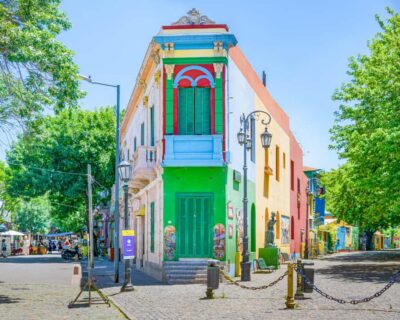 ★ 4.8La Boca Guided Walking Tour in EnglishFrom $131,587 reviews
 ★ 4.9Nazis in Buenos Aires: a historical walking tourFrom $25193 reviews
 ★ 4.7Personalized 2 to 8-Hour Private Walking TourFrom $37149 reviews
 ★ 4.8San Telmo and Market Guided Walking TourFrom $13102 reviews
 ★ 4.5Buenos Aires Walking Tour with Local Guide and Optional RooftopFrom $11187 reviews
 ★ 4.5Best of Buenos Aires Private Walking TourFrom $10973 reviews
 ★ 4.8La Boca Art and History Walking TourFrom $4655 reviews
 ★ 5.0Full Day Private Walking Tour of Buenos Aires NeighborhoodsFrom $13555 reviews
Browse the lists this tour appears in